Published: Monday, June 22, 2026 · 5:20 PM | Updated: Monday, June 22, 2026 · 5:20 PM
📊 244 views




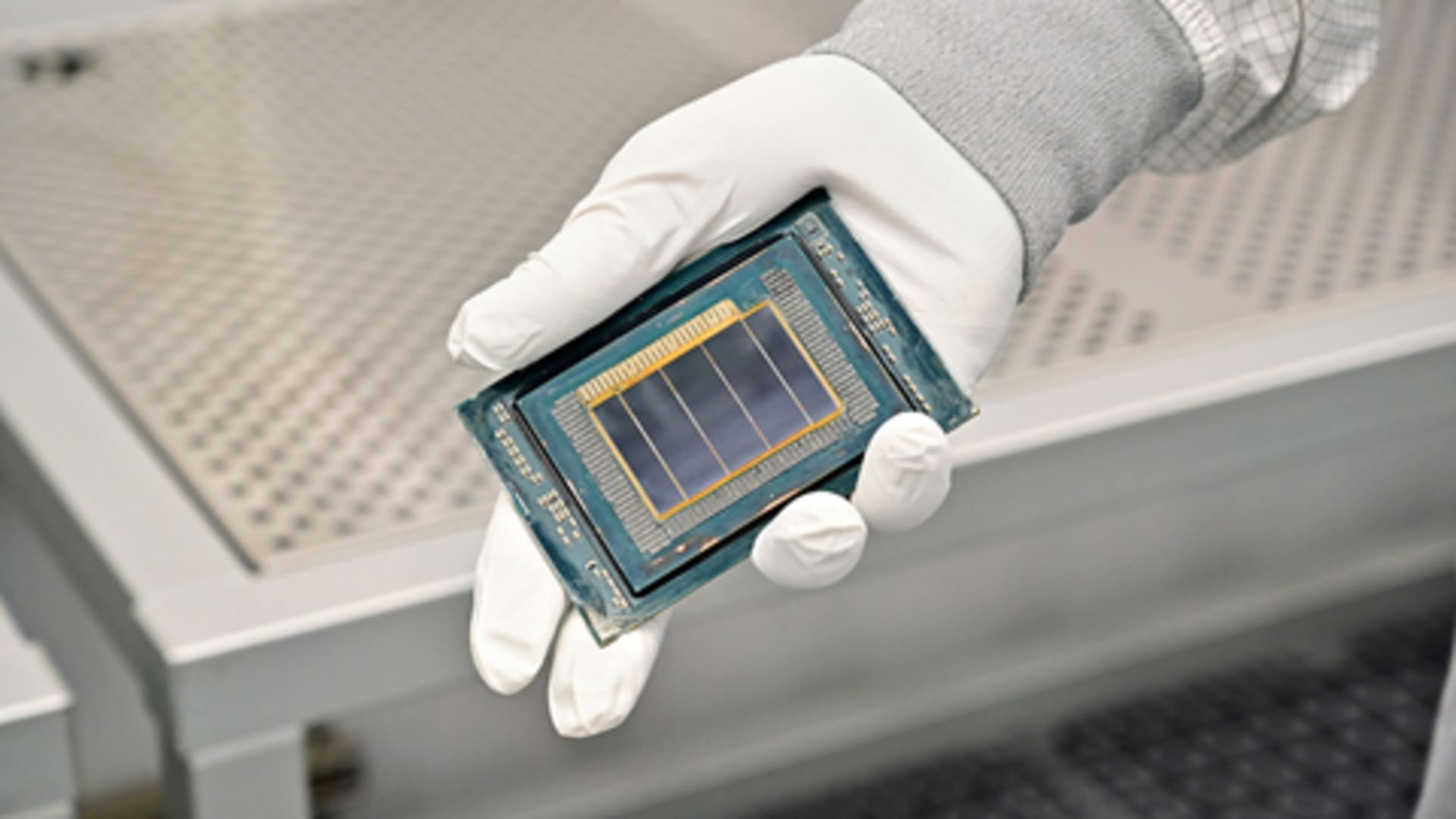
The race for the next generation of AI chips is intensifying, with key players like Intel and Qunity demonstrating strategic moves that could redefine market leadership. Recent developments highlight a pivotal shift in semiconductor manufacturing, emphasizing advanced packaging and specialized materials as crucial differentiators in powering future artificial intelligence.
🚀 Tech Strategy & Market Disruptions
- Intel’s Foundry Ambition. The hiring of Seok-Hee Lee signals a significant push into advanced packaging and foundry services, critical for high-performance AI semiconductors.
- Qunity’s Material Advantage. The company is benefiting from the industry’s shift towards component stacking, requiring specialized materials for superior AI chip performance.
- Semiconductor Design Evolution. The focus is moving beyond transistor shrinking to innovative integration techniques, creating new avenues for growth and specialization in the AI era.
In a dynamic market influenced by global economic signals and geopolitical tensions, the semiconductor sector, particularly the segment focused on AI chips, remains a beacon of innovation. Shares of Intel (INTC) recently climbed 3% following the announcement of Seok-Hee Lee joining as executive vice president for its foundry business. Lee, a veteran from SK Group subsidiaries like SK On and SK Hynix, will oversee critical areas including advanced packaging, system integration, and manufacturing operations. This move underscores Intel’s commitment to its turnaround strategy and capitalizing on the burgeoning demand for sophisticated AI hardware. The significance of advanced packaging cannot be overstated; it is becoming an increasingly vital component in semiconductor production, enabling more powerful and complex AI chips.
Simultaneously, Qunity (Q) saw its stock rise about 2%, extending its year-to-date gains significantly. This impressive performance is attributed to the company’s strategic positioning within a major architectural shift in semiconductor design. Rather than solely relying on shrinking transistors, chipmakers are increasingly adopting component stacking to boost performance. This trend requires a new generation of specialized materials, creating a substantial tailwind for Qunity’s business. Furthermore, Qunity remains relatively underfollowed by Wall Street, suggesting potential for increased investor interest as its role in the advanced AI chip ecosystem becomes more apparent. These developments unfold against a backdrop of mixed market signals, where easing oil prices due to Iran war negotiations could potentially alleviate inflation concerns, influencing broader Fed policy, as reported by CNBC.
The shift towards advanced packaging and component stacking in semiconductor manufacturing directly impacts the disruption flow within the AI hardware market. The demand for more potent AI capabilities, driven by everything from large language models to autonomous systems, creates a need for processors that can handle unprecedented computational loads. This need, in turn, fuels innovation in chip design beyond traditional scaling. Advanced packaging techniques allow for greater transistor density and shorter signal paths, leading to enhanced performance and energy efficiency. This leads to a virtuous cycle: improved AI chips enable more sophisticated AI applications, which further drives the demand for even more advanced hardware. Companies specializing in these new design and material methodologies, such as Intel with its foundry ambitions and Qunity with its specialized materials, are poised to capture significant value. This technological evolution reshapes competitive landscapes, demanding significant R&D investment and fostering new partnerships across the supply chain, as highlighted by emerging technologies driving market trends.
‘The next frontier in semiconductor innovation isn’t just about nanometers; it’s about how effectively we integrate and package diverse computational elements. Advanced packaging is the fundamental enabler for heterogeneous computing architectures, allowing us to circumvent traditional scaling limitations and unlock unprecedented performance for AI workloads.’
Recent market observations underscore the evolving landscape:
- Intel’s Gain: Shares rose 3% following executive hire for foundry business, signaling confidence in AI chip strategy.
- Qunity’s Ascent: Stock climbed about 2%, extending significant year-to-date gains driven by specialized materials for stacked components.
- Crude Oil: West Texas Intermediate crude fell below $75 a barrel amid Iran deal reports, easing global energy supply concerns.
- Treasury Yields: Benchmark 10-year yield moved higher to roughly 4.5%, despite declining oil prices.
Intel’s Platform Architecture Reimagined for AI
Intel’s strategic shift to enhance its foundry capabilities, particularly in advanced packaging and system integration, is a direct response to the architectural demands of modern AI. Traditional monolithic chip designs are giving way to chiplet-based architectures, where specialized processing units are optimized for different tasks—CPU, GPU, AI accelerators—and then interconnected within a single package. This modular approach allows for greater flexibility, yield improvements, and the integration of best-of-breed components. Intel’s new executive hire is tasked with optimizing these complex integration processes, ensuring their offerings can compete effectively with dedicated AI hardware specialists and serve a broader market for high-performance computing, shaping the future of digital infrastructure, as detailed in recent technology reports.
Qunity’s Ecosystem Expansion Potential
Qunity’s position as a provider of specialized materials for stacked semiconductor components places it at a crucial juncture for ecosystem expansion. As chipmakers increasingly move towards 3D stacking technologies like 3D NAND and High Bandwidth Memory (HBM) for AI applications, the demand for novel dielectric materials, thermal interface materials, and advanced interconnects will surge. Qunity has the potential to become a critical supplier across the entire AI hardware value chain, from GPU and CPU manufacturers to specialized AI accelerator designers. Its relatively underfollowed status on Wall Street might indicate a significant growth runway as its indispensable role in enabling next-generation chip architectures becomes more widely recognized by market participants seeking educational tech insights.
AI Chips: The Shifting Sands of Semiconductor Leadership
The latest movements from Intel and Qunity underscore a profound transformation underway in the semiconductor industry, driven primarily by the escalating demands of artificial intelligence. Companies that master advanced integration and material science are positioning themselves for significant market share, moving beyond conventional metrics to innovate at the package level. This period marks a critical juncture for differentiation and long-term value creation.
- Intel’s renewed focus on foundry services and advanced packaging directly addresses a bottleneck in high-performance AI chip production.
- Qunity’s specialization in materials for stacked components taps into an essential trend for next-generation, higher-density AI processors.
- The evolving macroeconomic environment, including crude oil prices and Treasury yields, continues to provide a backdrop of cautious optimism for tech investments.
How will this intensified focus on packaging innovation redefine the hierarchy of semiconductor giants in the coming years?
📊 StockXpo Analyst’s View
Market Impact: The strategic investments by Intel and the organic growth of Qunity in niche semiconductor materials highlight an ongoing re-rating of companies crucial to the AI infrastructure build-out. Investor sentiment is likely to favor entities demonstrating tangible progress in advanced packaging and novel materials, potentially leading to increased market liquidity for these specialized plays, aligning with broader industry analysis.
Sector To Watch: The semiconductor equipment and materials sector is poised for sustained growth. Beyond the chip designers themselves, companies that provide the tools, processes, and raw materials for advanced manufacturing, particularly those enabling 3D stacking and heterogeneous integration, will be critical beneficiaries. This trend is visible across the technology market trends, influencing global supply chains significantly.
Financial Disclaimer:
StockXpo.com is a financial news aggregator and educational portal, not a registered investment advisor or broker-dealer. All information, news, and analysis provided herein are strictly for educational purposes and do not constitute investment, financial, legal, or tax advice. Investing in the stock market involves high risks, and past performance is not indicative of future results. StockXpo will not be liable for any financial losses or investment damages. Always consult a certified financial advisor before making market decisions.
MORE IN INSIDE TECHNOLOGY

SpaceX AI Chips: $40 Billion Deal Fuels Innovation-Driven Growth
Published: Sunday, October 25, 2026 · 9:35 PM
AI Buildout Hits Credit Headwinds: Neoclouds Under Pressure
Published: Saturday, October 24, 2026 · 12:23 AM