Published: Monday, June 22, 2026 · 3:18 PM | Updated: Monday, June 22, 2026 · 3:18 PM
📊 239 views




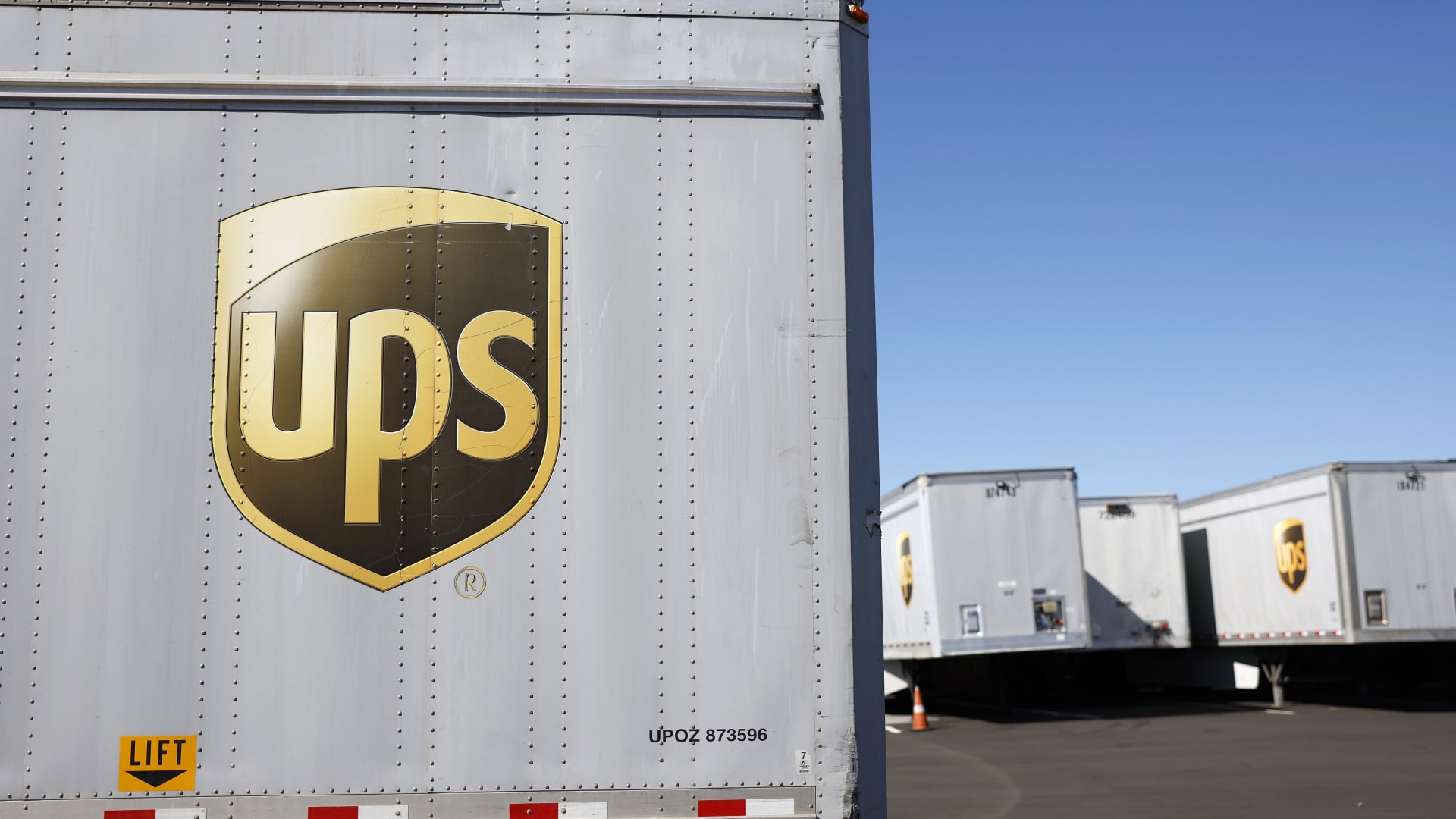
United Parcel Service (UPS) is committing $48 million to expand its global network of 27 temperature-controlled facilities, signaling a profound strategic shift towards the burgeoning healthcare logistics sector. This significant investment is poised to capture a larger share of the rapidly growing market for sensitive pharmaceutical and biologic shipments, which are increasingly crucial for global health.
🗝️ Corporate Strategy Insights
- Strategic Market Penetration. UPS is aggressively expanding its specialized infrastructure to capitalize on the high-growth healthcare logistics segment, particularly for temperature-sensitive drugs like GLP-1s and biologics.
- Operational Efficiency & Risk Mitigation. The investment aims to enhance cold-chain capabilities, improving speed and end-to-end custody control, which directly addresses the critical issue of vaccine and medicine waste due to storage failures.
- Long-Term Revenue Diversification. By solidifying its position in healthcare, UPS is diversifying its revenue streams beyond traditional package delivery, tapping into a sector projected for robust, sustained growth through 2033.
UPS’s $48 million capital injection will fund 27 new or upgraded temperature-controlled facilities across key regions in the Americas, Europe, and Asia. This initiative directly addresses the escalating demand for meticulous cold-chain management, a vital component in the delivery of modern medicines and biologics. The market for temperature-sensitive biologics alone is forecast to grow at an 8.3% compound annual growth rate through 2033, reaching an estimated market value of $39.1 billion, according to Growth Market Reports. This surge is fueled by the development of sophisticated pharmaceuticals, including popular GLP-1 weight-loss drugs like Novo Nordisk’s Wegovy and Ozempic, which mandate strict refrigeration during transit.
The move by United Parcel Service is not merely an expansion but a critical enhancement of its logistical capabilities, aimed at improving both speed and the end-to-end chain of custody. This is particularly important given that the World Health Organization estimates up to 50% of global vaccines are wasted annually, with cold-chain storage issues being a significant contributor. UPS’s strategic commitment to this niche is a direct response to a fundamental shift in pharmaceutical distribution, where product efficacy is intrinsically linked to precise environmental controls.
- Global Reach Amplified: New facilities span three continents, ensuring a robust international cold-chain network.
- Critical Product Integrity: Enhanced capabilities prevent spoilage, maintaining the efficacy of high-value medications.
- Market Share Consolidation: Reinforces UPS’s leadership in a specialized, high-margin segment of logistics.
This sustained focus aligns with CEO Carol Tomé’s recent statements during the company’s first-quarter earnings call, where she highlighted healthcare as a top priority and significant growth driver. The company recorded its first-ever $3 billion healthcare revenue quarter, demonstrating the segment’s increasing importance to UPS’s overall financial health and providing critical insights for broader stock markets.
Strategic Ripple Effect: What Competitors Should Watch
The expansion of UPS’s temperature-controlled logistics infrastructure is set to create a significant ripple effect across the entire healthcare supply chain and competitive landscape. This investment directly translates to enhanced operational efficiency, allowing for faster, more reliable distribution of critical, high-value pharmaceuticals. This operational advantage will likely lead to increased market share for UPS in the healthcare logistics segment, putting pressure on competitors such as FedEx and DHL, who also vie for this specialized market.
Specifically, the improved speed and end-to-end chain of custody capabilities could:
- Elevated Customer Trust & Acquisition → Increased pharmaceutical client retention and acquisition, as drug manufacturers prioritize reliability for sensitive products.
- Higher Service Premiums → Opportunity for UPS to command better pricing for specialized cold-chain services, boosting revenue per shipment.
- Competitive Disadvantage for Rivals → Competitors without comparable investment in advanced temperature-controlled facilities may struggle to match UPS’s service levels and global reach, potentially leading to a loss of key contracts.
- Market Expansion for Pharma → A more robust cold chain enables pharmaceutical companies to distribute new, temperature-sensitive therapies more broadly and efficiently, accelerating market access for innovative treatments. This also contributes to the broader narrative of corporate growth in the healthcare sector.
“UPS’s proactive investment solidifies its position as a critical enabler in the global healthcare ecosystem, moving beyond simply package delivery to becoming an indispensable partner in patient outcomes. This scale of commitment creates a significant barrier to entry for challengers and enhances profitability margins.”
Understanding the Healthcare Logistics Growth Drivers
While precise granular data on specific facility capacities isn’t detailed, key growth indicators underscore the strategic value:
- Global Biologics Cold Chain Market Value: $39.1 Billion (Projected by 2033)
- Biologics Cold Chain CAGR: 8.3% (Through 2033)
- UPS Healthcare Q1 Revenue: $3 Billion (First time ever)
These metrics highlight the robust growth trajectory of the healthcare logistics market, making UPS’s investment a timely response to an expanding, high-value segment. The consistent revenue growth in UPS’s healthcare division validates the company’s strategic focus, showcasing a clear path to enhanced earnings potential within specialized logistics. For more detailed market analysis, Bloomberg Markets often covers similar trends.
UPS Strategic Analysis: Navigating a Shifting Market
UPS is actively adapting its core business model to respond to macro-level shifts in global commerce and healthcare. The traditional parcel delivery landscape faces increasing competition and fluctuating demand, making specialized, high-margin services more attractive. By doubling down on healthcare logistics, UPS is leveraging its established global network and operational expertise to create a differentiated offering. This strategic pivot ensures the company remains resilient and capable of generating consistent revenue growth, even as broader economic conditions impact general shipping volumes. It reflects a nuanced understanding of where sustainable value resides in the modern supply chain.
UPS Competitive Advantages: Beyond Just Delivery
The current investment in temperature-controlled facilities further bolsters UPS’s competitive advantages in a sector demanding precision and reliability. While many logistics providers can move packages, few possess the global infrastructure and specialized cold-chain expertise required for pharmaceuticals. This capability acts as a significant competitive moat, making it difficult for smaller or less-capitalized players to replicate. UPS’s integrated solutions, from advanced tracking to specialized handling, provide a comprehensive service that goes beyond simple transportation, offering peace of mind to pharmaceutical manufacturers and healthcare providers alike. This commitment to quality and specialization is a key differentiator in a crowded logistics market, allowing UPS to maintain its premium positioning.
UPS’s Cold-Chain Mastery: What Lies Ahead?
UPS’s persistent investment in advanced cold-chain capabilities underscores its ambition to dominate a vital, high-growth segment of global logistics. The $48 million commitment to expanding its temperature-controlled facilities worldwide is a clear signal of confidence in the future of pharmaceutical and biologic distribution. This isn’t just about moving packages; it’s about enabling medical innovation and ensuring patient safety on a global scale. As new treatments requiring strict environmental controls continue to emerge, UPS is strategically positioning itself at the forefront of this evolution.
- The investment enhances UPS’s global footprint in specialized logistics.
- It solidifies UPS’s competitive advantage in a critical, high-growth healthcare sector.
- This strategic move mitigates risks associated with general package delivery fluctuations.
What further innovations will arise from UPS’s deepened expertise in specialized healthcare logistics, and how will this shape the global distribution of life-saving medicines? For further educational insights, StockXpo Blog explores market trends in depth.
📊 StockXpo Analyst’s View
Market Impact: This targeted investment by UPS is likely to be viewed positively by investors, signaling strategic foresight and a commitment to high-growth, high-margin sectors. It reinforces UPS’s premium valuation compared to general logistics players, potentially boosting investor confidence and market liquidity for the stock. The move could also set a benchmark for operational excellence in specialized logistics.
Sector To Watch: The healthcare logistics sector is clearly a hotbed of activity. Pharmaceutical companies, particularly those developing biologics and GLP-1 drugs, will benefit significantly from improved supply chain reliability. Competitors in the logistics space will be compelled to follow suit with similar investments, or risk ceding significant market share, as seen in Reuters business news.
Financial Disclaimer:
StockXpo.com is a financial news aggregator and educational portal, not a registered investment advisor or broker-dealer. All information, news, and analysis provided herein are strictly for educational purposes and do not constitute investment, financial, legal, or tax advice. Investing in the stock market involves high risks, and past performance is not indicative of future results. StockXpo will not be liable for any financial losses or investment damages. Always consult a certified financial advisor before making market decisions.
MORE IN INSIDE BUSINESS
Saudi Arabia Flight Decision: Delta Weighs Safety Amid Regional Tensions
Published: Friday, October 9, 2026 · 7:21 AM

Skydance Vertical Win: Ellison’s Bold Strategy for Media Dominance
Published: Thursday, October 8, 2026 · 12:44 PM