Published: Monday, June 22, 2026 · 3:17 PM | Updated: Monday, June 22, 2026 · 3:17 PM
📊 229 views




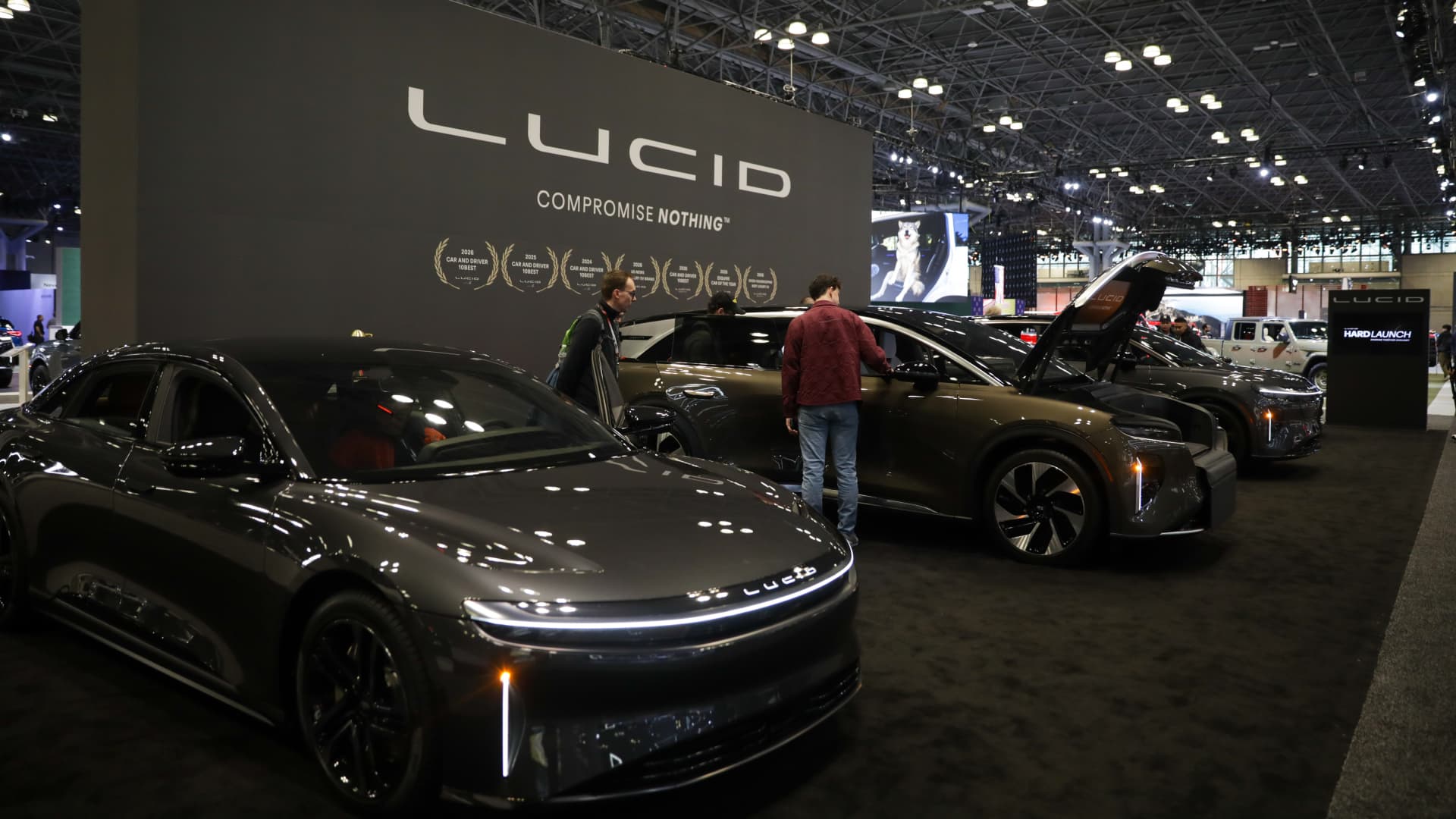
Lucid Group, the luxury electric vehicle manufacturer, has announced a significant reduction of approximately 18% of its U.S. workforce, coupled with the immediate departure of COO Marc Winterhoff and the elimination of his role. These drastic measures underscore the intensified pressures facing the EV sector and Lucid’s urgent pivot towards operational efficiency and profitability amidst a challenging market.
🗝️ Corporate Strategy Insights
- Operational Streamlining. Lucid is implementing substantial workforce reductions and eliminating the COO role to cut costs and align production with softening demand.
- Market Adaptation. These actions reflect a broader industry trend of slower-than-expected EV adoption and a response to escalating inventory levels.
- Profitability Push. The moves are critical steps in the company’s stated goal to achieve cash-flow positive status by the end of the decade, following significant financial losses.
In a stark announcement, Lucid Group revealed plans to reduce its U.S. workforce by approximately 18%, a move projected to yield annualized cost savings of around $158 million. This marks the second significant round of Lucid Layoffs this year, following a 12% cut in February, as the luxury EV maker grapples with an evolving market landscape. Beyond the personnel cuts, Chief Operating Officer Marc Winterhoff has exited the company, and the COO position itself has been eliminated, signaling a fundamental restructuring of Lucid’s operational leadership. The company cited a need to align production with demand, reduce elevated inventory, and adapt to declining market conditions as primary drivers for these decisions.
These measures come as Lucid’s new CEO, Silvio Napoli, who took the helm on June 1, undertakes a comprehensive evaluation of the company’s business operations. As a direct consequence, Lucid has suspended its financial guidance, indicating a period of significant strategic reassessment. The automaker confirmed that the reductions span full-time employees, contractors, and hourly production workers, including the elimination of the second production shift at its AMP-1 factory in Arizona, highlighting a broad effort to simplify the company and sharpen execution.
Lucid’s financial performance underscores the urgency of these actions. In 2025, the company reported a substantial loss of $2.7 billion on revenues of $1.35 billion, alongside a negative free cash flow of $3.8 billion, a 31% increase from the previous year. The broader electric vehicle market is facing increasing headwinds, including slower-than-anticipated consumer adoption and shifts in regulatory support, such as the potential elimination of federal incentives for EV purchases under a Trump administration. This challenging environment compels manufacturers like Lucid to optimize their cost structures aggressively and refine their market strategies. The strategic implications of such sweeping changes will be keenly watched by market participants monitoring the future of premium EV manufacturers on the global financial markets.
- A projected $158 million in annualized cost savings, critical for improving margins.
- The operational restructuring under new CEO Silvio Napoli, including guidance suspension.
- The challenging macro environment for EVs, with slower adoption and regulatory shifts impacting demand.
The Strategic Ripple Effect: What This Means for the EV Market
The ripple effect of Lucid’s operational overhaul is multifaceted. Internally, the move aims to streamline decision-making, reduce fixed costs, and accelerate the path to profitability, as evidenced by the $158 million in expected annual savings. This renewed focus on efficiency could potentially lead to a leaner, more agile organization better equipped to navigate volatile market conditions. For competitors like Tesla and emerging luxury EV brands, Lucid’s struggles highlight the capital intensity and execution risks inherent in scaling EV production, especially outside the mass-market segment. Slower EV adoption, particularly in the luxury segment where Lucid operates, could intensify price competition and further pressure margins across the industry. This environment necessitates that all players re-evaluate their production capacities and inventory management, potentially leading to similar adjustments from other manufacturers struggling with demand versus supply. The market share battle for premium EVs will likely hinge on operational resilience and efficient capital allocation, pushing companies to reinforce their corporate growth strategies.
The elimination of the COO role and substantial layoffs by Lucid are not merely cost-cutting measures; they represent a fundamental strategic realignment in response to a market that has rapidly cooled for high-growth EV startups, prioritizing survival and sustainable unit economics over aggressive expansion.
Key Financial and Operational Indicators
| Metric | Value | Significance |
|---|---|---|
| U.S. Workforce Reduction | ~18% | Direct cost-cutting measure to align labor with production targets. |
| Annualized Cost Savings | $158 million | Critical for improving operating efficiency and accelerating path to profitability. |
| Q1 2026 Cash Charges | $32 million | One-time expenses for severance and employee transition related to layoffs. |
| 2025 Net Loss | $2.7 billion | Highlights the significant financial challenges driving the need for cost reduction. |
| 2025 Negative Free Cash Flow | $3.8 billion | Indicates substantial cash burn, making profitability and cash flow positive goals paramount. |
Lucid Group Strategic Analysis: Navigating a Shifting EV Landscape
Lucid’s strategic pivot reflects a broader recalibration within the electric vehicle industry. Initially lauded for its luxurious Air sedan and advanced battery technology, the company’s challenge has been scaling production and demand effectively in a fiercely competitive and increasingly price-sensitive market. The latest actions, including significant Lucid Layoffs and executive restructuring, are an acknowledgment that the previous growth-at-all-costs model is unsustainable. The emphasis is now squarely on operational discipline, managing inventory, and securing a viable pathway to positive cash flow by the decade’s end. This includes a clear focus on manufacturing efficiency at its AMP-1 facility and potentially a more cautious approach to future product rollouts.
Lucid Group Competitive Advantages: Technology Versus Market Reality
Despite its current challenges, Lucid maintains several competitive advantages, primarily rooted in its proprietary EV technology, including its efficient powertrain and advanced battery architecture. The Lucid Air boasts industry-leading range and performance, positioning it at the pinnacle of the luxury EV segment. However, these technological advantages must now be translated into profitable sales volumes. The market reality of slowing EV adoption and intense competition from established luxury automakers, as well as Tesla, means that technological superiority alone is insufficient. Lucid must leverage its innovation to create compelling value propositions that justify its premium pricing while simultaneously improving manufacturing costs and efficiency. Success will depend not just on product excellence, but on a robust supply chain and market responsiveness, areas that require continuous scrutiny.
Lucid’s Path Forward: Restructuring for a Sustainable Future
Lucid’s recent restructuring, highlighted by the significant Lucid Layoffs and a shake-up in its executive leadership, underscores a critical juncture for the luxury EV manufacturer. These proactive measures are a clear indication of the company’s commitment to achieving financial stability and long-term viability in a rapidly evolving market. The focus has shifted definitively from aggressive expansion to disciplined operations and cost management, aiming to address overproduction and inventory concerns.
- The workforce reduction and elimination of the COO role signify a deeper commitment to streamlining operations.
- Suspended guidance suggests a period of intense re-evaluation under new CEO Silvio Napoli.
- The luxury EV market faces headwinds, making cost control and demand alignment paramount for survival.
Will these bold steps be enough to steer Lucid towards consistent profitability and secure its place among the EV elite in the coming years?
📊 StockXpo Analyst’s View
Market Impact: Lucid’s aggressive cost-cutting initiatives and leadership restructuring are likely to be viewed by investors as a necessary, albeit painful, step towards financial prudence. While the immediate reaction might reflect uncertainty due to suspended guidance, the long-term impact could be positive if these actions demonstrably improve efficiency and reduce cash burn. The broader EV market may see this as a bellwether for other cash-intensive startups, potentially leading to increased scrutiny of balance sheets and operational efficiencies across the sector. This news could impact investor sentiment for high-growth, unprofitable companies across global investment analysis platforms, as extensively covered by business news outlets.
Sector To Watch: The luxury electric vehicle segment is particularly vulnerable to shifts in consumer sentiment and economic conditions. Companies relying on high-margin sales and experiencing production challenges will face intense pressure. Traditional automakers with hybrid offerings or more diversified portfolios might gain an advantage, while pure-play luxury EV startups will need to demonstrate exceptional capital management and market adaptability. For deeper market insights, consider exploring educational insights from StockXpo.
Financial Disclaimer:
StockXpo.com is a financial news aggregator and educational portal, not a registered investment advisor or broker-dealer. All information, news, and analysis provided herein are strictly for educational purposes and do not constitute investment, financial, legal, or tax advice. Investing in the stock market involves high risks, and past performance is not indicative of future results. StockXpo will not be liable for any financial losses or investment damages. Always consult a certified financial advisor before making market decisions.
MORE IN INSIDE BUSINESS

Airline Profits Challenge: Why Rising Airfare Won’t Boost Bottom Lines
Published: Monday, October 5, 2026 · 7:48 AM
Chick-fil-A’s Unwavering Family Strategy Fuels Expansion and Market Leadership
Published: Sunday, October 4, 2026 · 9:09 AM