Published: Wednesday, July 15, 2026 · 9:32 PM | Updated: Wednesday, July 15, 2026 · 9:32 PM
📊 246 views




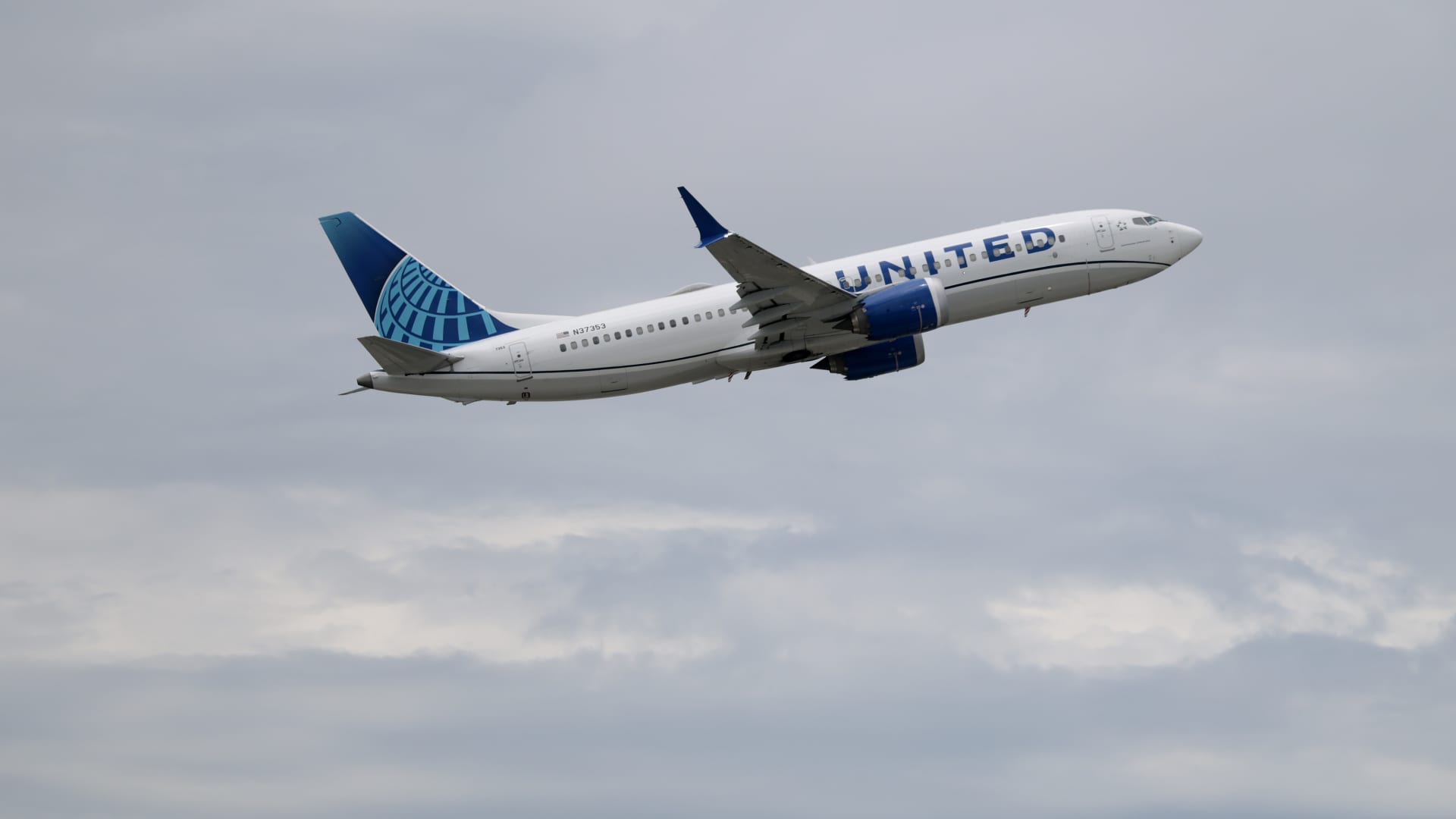
The latest United earnings report shows United Airlines (UAL) delivered stronger-than-expected second-quarter results, surpassing Wall Street’s estimates for both adjusted earnings per share and revenue. However, this positive headline is shadowed by the carrier’s stark warning of nearly $6 billion in additional fuel costs for the year, a significant headwind to future profitability and a critical factor for long-term capital preservation.
💎 Strategic Investment & Portfolio Insights
- Fuel Cost Impact. A projected $6 billion increase in annual fuel expenses significantly compresses airline margins, necessitating careful reevaluation of UAL’s intrinsic value and pricing power.
- Alpha Generation Challenge. While Q2 outperformed, reduced Q3 guidance and substantial cost pressures suggest an uphill battle for alpha generation, requiring investors to scrutinize operational efficiencies and revenue management strategies.
- Pricing Power & Demand Resilience. Despite higher fares, strong demand in premium, corporate, and international segments indicates pricing power, which is crucial for airlines to offset escalating operational costs.
United Airlines reported an adjusted earnings per share of $1.99 against an expected $1.88, with revenue hitting $17.67 billion compared to the $17.61 billion consensus, according to LSEG estimates. This strong operational performance in the second quarter was driven by a 16% year-over-year revenue increase and a 12.1% rise in total unit revenue, marking the highest growth since early 2023, as noted by FactSet. However, the positive momentum is severely challenged by a volatile geopolitical landscape impacting global energy markets.
The carrier now anticipates full-year adjusted earnings per share between $9 and $11, an update from its April forecast but still facing downward pressure. The primary culprit is jet fuel, which saw prices at major U.S. airports jump 34% in July alone, per Argus data via Airlines for America. This surge, exacerbated by escalating and deescalating conflicts between the U.S. and Iran, is projected to add nearly $6 billion to United’s annual expenses compared to initial 2026 expectations. As investors consider global market trends, this highlights the interconnectedness of geopolitical events and corporate profitability.
United’s second-quarter fuel costs spiked 84% from last year, reaching $2.3 billion. The airline states it plans to cover up to 90% of these higher costs in the current quarter and all of them in Q4, primarily through increased fares. This strategy mirrors rival Delta Air Lines, which has also communicated its intent to pass rising expenses onto consumers. Despite these price increases, demand has remained robust across various segments including premium, corporate, and basic economy tickets, both domestically and internationally. This resilience underscores the market’s current tolerance for higher travel costs.
- The significant fuel cost hike has already impacted Q3 projections, reducing adjusted earnings per share by $1.12 since the beginning of July.
- United may further cut capacity plans this year to mitigate the financial impact of elevated fuel prices, indicating potential operational adjustments to preserve margins.
This scenario highlights the inherent volatility in the airline sector, where external macroeconomic and geopolitical factors can rapidly erode strong operational performance, making a balanced approach to investment strategy paramount.
Portfolio Positioning Effect: Re-evaluating Airline Exposure
Escalating Fuel Costs → Reduced Profitability Outlook → Need for Portfolio Rebalancing towards Energy Hedging or Diversification. The substantial increase in United’s projected fuel expenses directly impacts the company’s earnings power, leading to a potential downward revision of fair value estimates. For investors, this translates into a need to re-evaluate exposure to the airline sector, potentially shifting capital to companies with stronger hedging strategies or those in less fuel-sensitive industries, as part of a prudent long-term capital preservation plan.
“The airline sector’s susceptibility to geopolitical events, particularly those affecting oil prices, makes it inherently cyclical. While United’s ability to pass on costs indicates strong demand, investors must model in the elasticity of that demand and the potential for prolonged periods of elevated operational expenses when assessing long-term value.”
United Airlines’ Q2 2026 performance shows strength in revenue growth, yet the shadow of rising fuel costs looms large over future profitability metrics:
| Metric | Reported (Q2 2026) | Expected (LSEG) | Significance |
|---|---|---|---|
| Adjusted EPS | $1.99 | $1.88 | Beating analyst estimates indicates strong operational execution in the quarter. |
| Revenue | $17.67 billion | $17.61 billion | Solid revenue growth, demonstrating robust demand for air travel. |
| Q2 Fuel Costs | $2.3 billion | 84% YoY increase | The largest cost after labor, dramatically impacting profitability outlook. |
UAL Risk-Reward Matrix: Navigating Volatility
United Airlines presents a complex risk-reward profile shaped by strong travel demand against significant cost pressures. On the upside, the airline’s ability to maintain high unit revenue growth and pass on higher fares to consumers indicates resilient pricing power, especially in premium and international segments. Expanding capacity by 3.5% in Q2 also signals confidence in underlying demand. Alpha generation in this environment will hinge on United’s ability to optimize routes, improve operational efficiencies, and effectively manage its hedging strategies against fuel price swings. The ongoing recovery of corporate travel and sustained leisure demand provide tailwinds for revenue growth.
Conversely, the projected $6 billion in additional fuel costs for the year is a formidable challenge, directly impacting net income and future guidance. Geopolitical instability in oil-producing regions, as highlighted by CNBC and other business news sources, adds an unpredictable layer of risk. Any softening in consumer demand due to sustained high fares or broader economic slowdown could quickly erode profitability. The airline’s reduced Q3 EPS forecast, largely due to fuel, underscores the sensitivity of its earnings to external commodity shocks.
UAL Competitive Benchmarking: Pricing Power Amidst Pressure
In the fiercely competitive airline industry, United’s performance relative to its peers, like Delta Air Lines, provides valuable insights. Both carriers are demonstrating a similar strategy of passing increased fuel costs onto consumers, indicating a collective confidence in market demand. Delta’s recent earnings also highlighted strong pricing power and an optimistic profit outlook for 2026. This suggests that the industry as a whole is currently benefiting from robust travel demand, allowing carriers to maintain margins despite soaring expenses. However, differentiation in network strength, fleet modernization, and customer loyalty programs will be key determinants of long-term alpha. United’s strong unit revenue growth in Q2 reflects effective revenue management, particularly in its diverse segments. The ongoing competition for market share, especially in lucrative international routes, will continue to shape the strategic decisions of these major players, influencing how each navigates the challenging cost environment. For broader market analysis, this collective resilience signals potential stability for the sector despite cost headwinds.
United Earnings Outlook: Balancing Growth and Geopolitical Headwinds
United Airlines’ latest earnings reveal a dual narrative: robust operational execution and resilient demand contrasted sharply by significant external cost pressures from volatile jet fuel prices. The airline has demonstrated strong pricing power, but the sheer scale of the projected $6 billion in added fuel costs will test its ability to maintain profit margins and deliver consistent shareholder returns.
- Margin Compression: The escalating fuel expenses pose a direct threat to profit margins, requiring agile cost management and pricing strategies.
- Demand Resilience: Strong passenger demand, even at higher fares, is a critical buffer against rising costs, indicating a healthy travel market.
- Strategic Flexibility: Potential capacity cuts signal United’s willingness to adapt operations to preserve profitability in a high-cost environment.
Can United’s strategic adjustments and pricing power fully offset the persistent geopolitical risks influencing commodity markets?
📊 StockXpo Analyst’s View
Market Impact: The airline sector often serves as a bellwether for consumer confidence and economic activity. United’s earnings, despite the fuel cost warning, point to sustained travel demand, which can positively influence related industries like hospitality and tourism. However, the magnitude of the fuel cost increase could trigger a broader re-evaluation of valuation multiples across the sector, potentially weighing on market liquidity for airline equities as investors digest compressed forward guidance.
Sector To Watch: Given the profound impact of energy prices, the energy sector, particularly oil and gas exploration and production companies, stands to gain from sustained high prices, while logistics and transportation companies relying heavily on fuel will face similar margin pressures. Investors should also monitor technology companies enabling operational efficiencies for airlines, as carriers seek innovative ways to mitigate rising costs.
Financial Disclaimer:
StockXpo.com is a financial news aggregator and educational portal, not a registered investment advisor or broker-dealer. All information, news, and analysis provided herein are strictly for educational purposes and do not constitute investment, financial, legal, or tax advice. Investing in the stock market involves high risks, and past performance is not indicative of future results. StockXpo will not be liable for any financial losses or investment damages. Always consult a certified financial advisor before making market decisions.
MORE IN INSIDE INVESTMENT NEWS
PepsiCo Earnings Forecast Cut: Alpha Generation Amid North American Lag
Published: Thursday, October 8, 2026 · 6:41 AM

Third-Quarter Earnings Season: Alpha Opportunities Emerge as S&P 500 Profits Boom
Published: Wednesday, October 7, 2026 · 3:18 PM