Published: Monday, June 22, 2026 · 3:15 PM | Updated: Monday, June 22, 2026 · 3:15 PM
📊 216 views




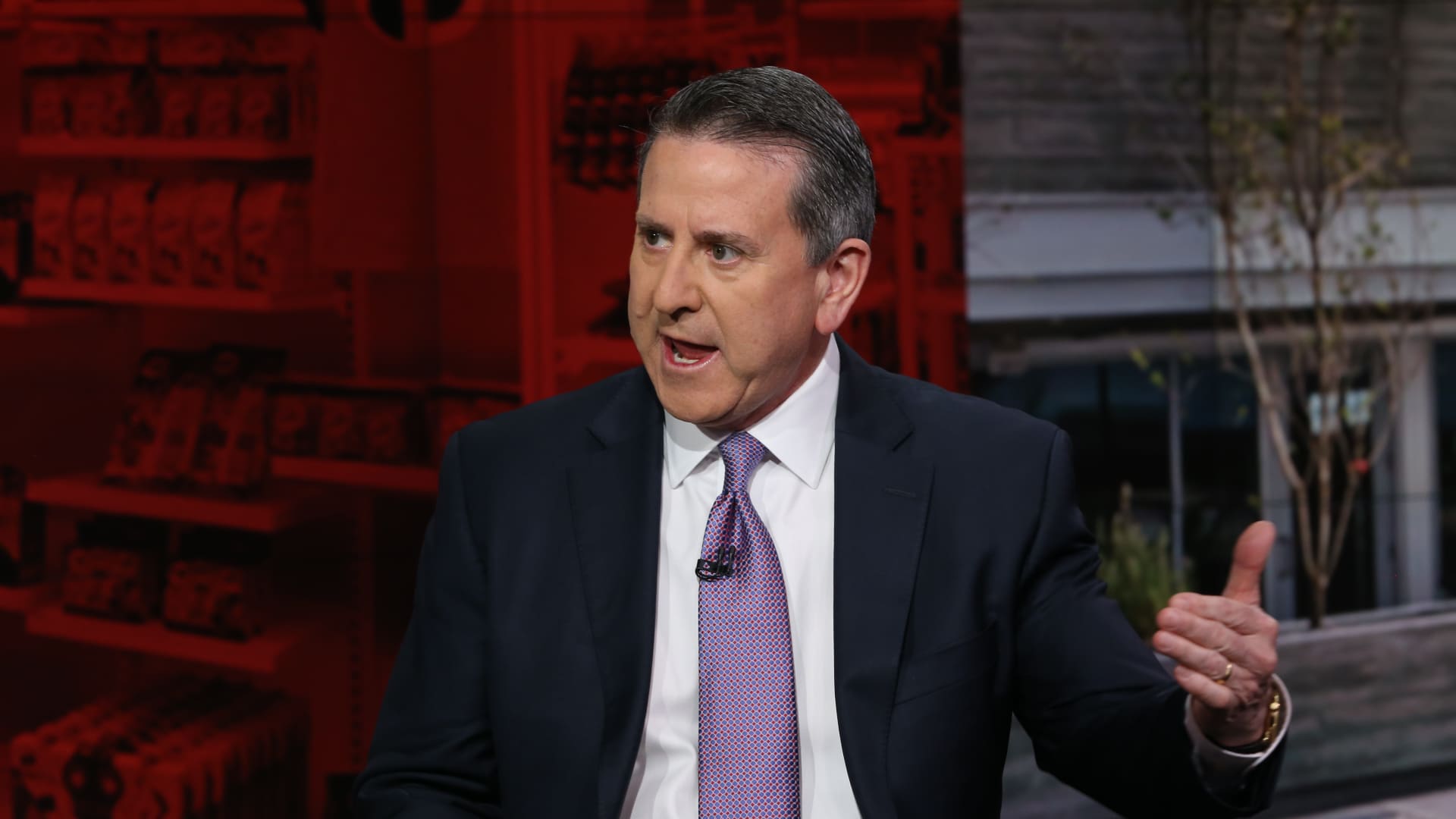
Target Corporation is navigating a crucial leadership transition, marked by a significant decline in shareholder backing for its Executive Chairman, Brian Cornell. This unprecedented drop in Target Shareholder Support signals growing investor dissatisfaction with past performance and governance, placing renewed scrutiny on the retailer’s strategic direction and new CEO Michael Fiddelke’s turnaround efforts.
🗝️ Corporate Strategy Insights
- Governance Under Scrutiny. The notable drop in re-election votes for Brian Cornell reflects investor demand for enhanced accountability and fresh perspectives in the boardroom, especially after his transition from CEO to Executive Chairman amidst declining performance.
- Leadership Transition Challenges. While new CEO Michael Fiddelke is gaining support, the perceived continuity of the old guard on the board suggests a misalignment with investor expectations for a ‘clean break’ and aggressive strategic overhaul.
- Operational Efficiency Demands. Shareholders are pushing for improved operational execution, particularly concerning inventory management, in-store investment, and the revitalization of Target’s signature merchandise appeal, critical areas where the company has lagged competitors.
At Target’s recent annual general meeting, Executive Chairman Brian Cornell saw his shareholder backing fall to an unprecedented 87.2%, a material decline from his historical average of 95% and significantly below the S&P 500 average of 96.6% for directors this year. This “very poor” result, as described by Wharton’s Kevin Kaiser, indicates a strong desire for change, particularly from influential pension funds like the Florida State Board of Administration and the New York State Common Retirement Fund, which explicitly cited “poor long-term company performance” as their reason for voting against him. These institutions, despite not being among Target’s largest shareholders, wield considerable influence in shaping corporate governance narratives, as reported by CNBC.
Cornell, who led Target as CEO for a decade, oversaw substantial growth, expanding sales by over 44% and bolstering its digital presence. However, recent years have seen increased criticism over mismanaged inventory, under-investment in physical stores, and a dilution of the retailer’s distinctive merchandise strategy. These operational missteps, coupled with controversies surrounding social justice issues leading to nationwide boycotts and foot traffic declines, have culminated in a roughly 50% drop in Target’s share price since its 2021 peak, even with a 33% year-to-date recovery.
Investors had largely hoped for an external candidate to replace Cornell as CEO, a sentiment captured in a Mizuho Securities survey. The decision to elevate company veteran Michael Fiddelke to CEO while retaining Cornell as executive chairman was initially met with disappointment, contributing to a further dip in share value. However, early signs under Fiddelke’s leadership appear to be resonating more positively with analysts and investors, marked by a 5.6% comparable sales growth in Q1, breaking a five-quarter streak of declines.
Key areas of concern for investors include:
- Inventory Management: Persistent issues leading to markdowns and missed sales opportunities.
- Store Investment: Perceived neglect in modernizing physical retail spaces.
- Merchandise Strategy: A shift away from the trendy, eye-catching products that historically defined Target’s brand appeal.
- Brand Reputation: Backlash and boycotts stemming from corporate stances on social issues, impacting consumer loyalty and market perception.
The strategic ripple effect of this declining shareholder confidence extends beyond internal governance. The strong dissent could catalyze more aggressive strategic shifts under CEO Michael Fiddelke, potentially accelerating efforts to re-evaluate product assortments, supply chain efficiencies, and digital integration. This renewed focus on core retail execution and operational excellence could force competitors like Walmart, Costco, and Amazon to sharpen their own strategies, particularly in niche merchandise and local market engagement, as Target aims to reclaim its unique market position. A more focused, efficient Target could exert renewed pressure on rival market share, especially in general merchandise and groceries.
“Getting under 90% [support] is very poor. It means people are going out of their way to say they don’t want you there anymore. If they don’t do something, the next [annual general meeting] won’t go well for them.”
— Kevin Kaiser, Adjunct Full Professor of Finance, The Wharton School
Performance indicators show a mixed picture as Target embarks on its turnaround:
- Q1 Comparable Sales Growth: 5.6% (First positive in five quarters, indicating early traction).
- Share Price Performance: Up 33% YTD, but still down ~50% from 2021 all-time high (reflecting long-term value erosion).
- Brian Cornell Shareholder Support: 87.2% (Lowest ever, signifying deep investor frustration).
- Michael Fiddelke Shareholder Support: 99% (Strong mandate for the new CEO).
These metrics highlight the immediate challenge of rebuilding investor trust while signaling potential for a strategic rebound under new leadership, despite acknowledged tailwinds like higher tax refunds influencing Q1 spending.
Target’s Competitive Advantages in Retail
Target has historically carved out a unique niche in the retail landscape, blending affordability with a strong emphasis on design and brand partnerships. This strategy has cultivated a loyal customer base that appreciates its curated product selection, particularly in home goods, apparel, and seasonal items. Its extensive network of well-located stores, coupled with robust omnichannel capabilities including drive-up and in-store pickup, offers a distinct convenience factor. Furthermore, Target’s owned-brand portfolio has consistently outperformed, providing strong margins and differentiation from mass-market competitors. These elements, when executed effectively, form a powerful foundation for sustained growth and market resilience, differentiating it from broader competitors in the evolving retail sector.
Target’s Industry Benchmarking Against Peers
When benchmarking against key rivals, Target’s performance in recent years reveals both strengths and areas needing improvement. While global market trends show robust growth for players like Amazon in e-commerce and Walmart in value-driven retail, Target has struggled to maintain consistent momentum. Companies like Costco have consistently demonstrated strong comparable sales driven by membership loyalty and efficient inventory turnover. Target’s challenges in inventory management and store investment contrast with rivals that have more aggressively modernized their physical and digital footprints. Rebuilding market share and investor confidence will require Target to not only match, but strategically surpass competitors in areas of operational efficiency and product innovation.
Target’s Leadership Evolution and Investor Confidence
The recent vote on Executive Chairman Brian Cornell underscores a pivotal moment for Target’s corporate governance and investor relations. Shareholder dissatisfaction, rooted in sustained underperformance and strategic missteps, is now directly challenging the composition of its leadership. The board’s response to this clear signal will be critical in shaping market perceptions and demonstrating a genuine commitment to accountability and future growth. Can the new leadership effectively recalibrate strategy to regain investor trust and reignite consistent performance?
- The dramatic decline in support for Brian Cornell is a direct mandate from investors for significant change at the board level.
- New CEO Michael Fiddelke’s high approval suggests investors are cautiously optimistic about fresh operational leadership, demanding immediate execution.
- Target must address criticisms regarding inventory, store investments, and merchandise appeal to revitalize its brand and financial performance.
Will Target’s board heed this shareholder warning to drive truly transformative change, or risk continued erosion of investor confidence?
📊 StockXpo Analyst’s View
Market Impact: This news signals heightened investor scrutiny on corporate governance within large retail entities. A notable drop in Target Shareholder Support for a long-standing chairman could prompt broader market participants to re-evaluate board effectiveness and executive accountability across the sector, potentially leading to increased activist investor engagement. It reflects a sentiment shift towards demanding tangible results and clear strategic direction, impacting market liquidity for companies perceived as underperforming.
Sector To Watch: The general merchandise and discount retail sectors will be under observation. While Target faces immediate challenges, its renewed focus on operational efficiency and merchandising could steal market share from competitors who fail to innovate. Companies with strong omnichannel capabilities and agile supply chains will likely gain, while those reliant on outdated retail models may lose ground.
Financial Disclaimer:
StockXpo.com is a financial news aggregator and educational portal, not a registered investment advisor or broker-dealer. All information, news, and analysis provided herein are strictly for educational purposes and do not constitute investment, financial, legal, or tax advice. Investing in the stock market involves high risks, and past performance is not indicative of future results. StockXpo will not be liable for any financial losses or investment damages. Always consult a certified financial advisor before making market decisions.
MORE IN INSIDE BUSINESS
Ynon Kreiz Joins Skydance: Operational Strategy for a Media Giant
Published: Saturday, October 3, 2026 · 7:59 AM
AI Wall Street Jobs: Surging Demand Redefines Finance’s Future Growth
Published: Friday, October 2, 2026 · 7:06 AM