Published: Wednesday, July 15, 2026 · 4:56 PM | Updated: Wednesday, July 15, 2026 · 4:56 PM
📊 222 views




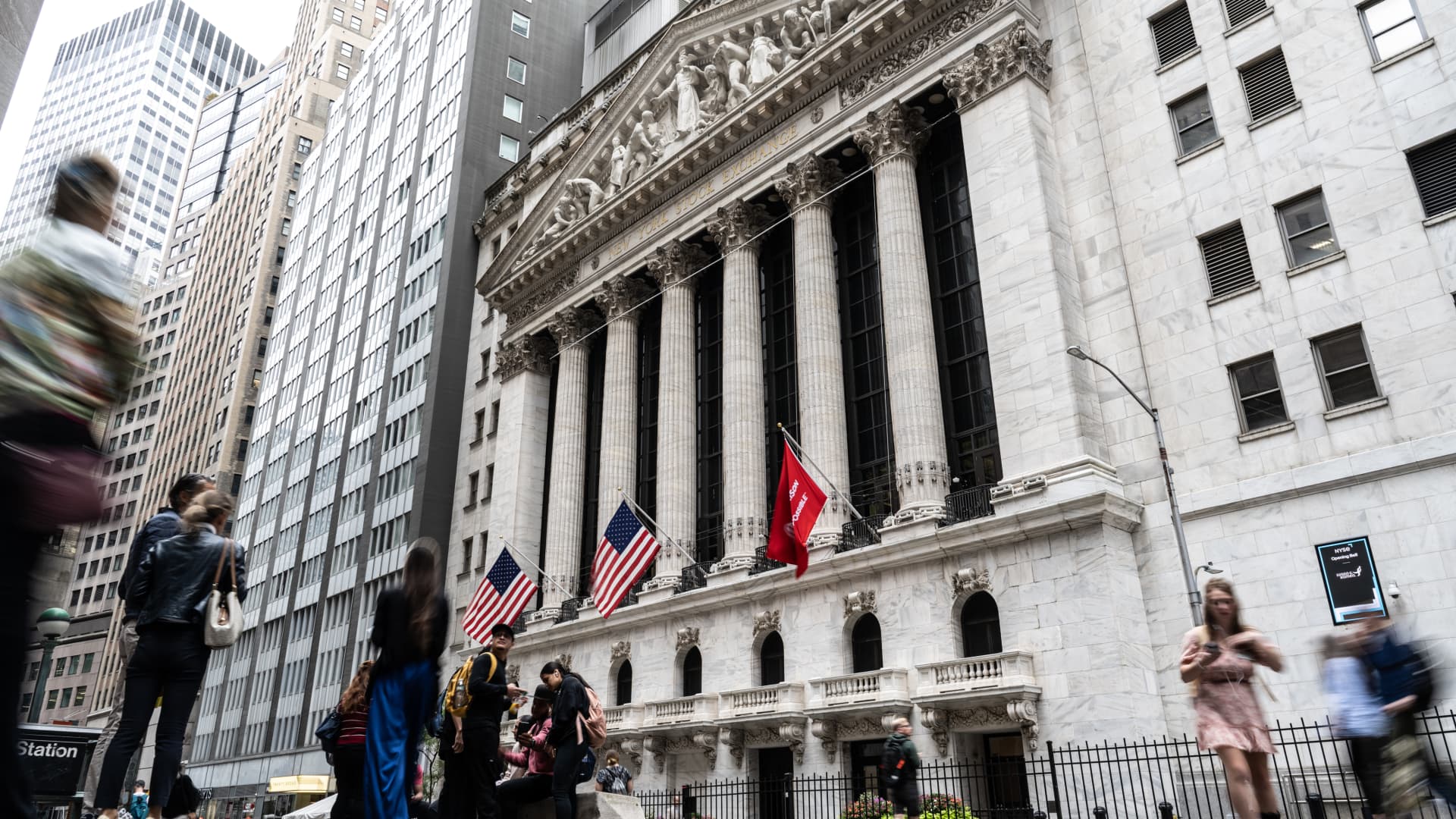
The Depository Trust and Clearing Corporation (DTCC), the cornerstone of U.S. post-trade financial infrastructure, is spearheading a pivotal initiative by testing tokenized markets with an array of industry heavyweights. This ambitious trial, involving firms from JPMorgan to BlackRock, signals a tangible shift towards integrating blockchain-based digital assets into the traditional financial system, aiming to revolutionize how securities are processed and settled.
🚀 Tech Strategy & Market Disruptions
- Industry Collaboration. Over 25 firms, including JPMorgan, Goldman Sachs, and BlackRock, are participating, signifying broad institutional interest in digital asset integration.
- Efficiency Gains. Tokenization promises lower costs, faster settlement times, enhanced transparency, and programmable terms for financial assets.
- Bridging TradFi and DeFi. DTCC’s initiative aims to leverage existing financial infrastructure to integrate new digital asset technologies, maintaining stability while fostering innovation.
The Depository Trust and Clearing Corporation (DTCC), which annually processes a staggering $4.7 quadrillion in securities transactions, embarked on a day-long event designed to complete financial transactions using digital, or ‘tokenized,’ versions of assets held at The Depository Trust Company. This landmark test, initially reported by The Wall Street Journal, drew participation from over two dozen leading institutions spanning traditional finance (TradFi) and the nascent digital assets industry. JPMorgan initiated the event by converting the Invesco QQQ Trust (QQQ) into a tokenized asset, underscoring the practical application of this technology.
Key participants in this demonstration include financial giants like Goldman Sachs (GS), BlackRock (BLK), Vanguard, and the New York Stock Exchange (ICE), all lending significant weight to the credibility and potential scalability of tokenized markets. Nadine Chakar, global head of DTCC Digital Assets, emphasized the foundational nature of this event, stating, ‘Today is the beginning of a long journey where we will demonstrate that the old and the new can live together, [and] that the technology enables a lot of opportunities for our participants worldwide.’ This sentiment highlights a strategic goal to build a scalable launch framework, potentially by October.
Tokenization fundamentally involves creating digital representations of assets—ranging from publicly traded securities like shares of Microsoft (MSFT) and State Street SPDR S&P 500 ETF Trust (SPY) to real-world assets and various forms of value—on a blockchain network. The widely touted benefits include:
- Reduced operational costs due to automated processes.
- Significantly faster settlement times, moving beyond T+2 or T+1 to near-instantaneous.
- Enhanced transparency regarding asset ownership and performance, verifiable on a distributed ledger.
- The ability to embed programmable terms directly into the asset, facilitating automated compliance or dividend distribution.
- Increased accessibility for retail investors and expanded global reach for asset markets.
Despite years of industry discussion, widespread implementation of tokenization has remained elusive. This vacuum has allowed specialized crypto firms like Ondo and Securitize (SECZ) to emerge, forging high-profile partnerships, including with BlackRock, and posing a potential challenge to existing clearing infrastructures. Brian Steele, DTCC’s president of clearing and securities services, reiterated the organization’s vision: ‘DTCC is bridging TradFi and DeFi so that capital markets is built on the same infrastructure that has underpinned global financial markets for decades.’ This strategic integration aims for increased efficiency, deeper liquidity, and novel ways to manage and utilize assets.
The deployment of distributed ledger technology (DLT) for asset tokenization acts as a catalyst for a fundamental disruption in post-trade processes. This technological advancement directly leads to reduced counterparty risk and operational overhead, translating into substantial cost savings for financial institutions. Ultimately, this enhanced efficiency and cost reduction pave the way for broader market access and potentially new financial products, thereby redefining traditional market structures and operational models.
Tokenization, at its core, represents a paradigm shift in how financial assets are represented and transacted. By digitizing ownership records on a secure, distributed ledger, it strips away layers of intermediaries and manual reconciliation, unlocking unprecedented levels of efficiency and enabling atomic settlements that redefine risk and liquidity management across global capital markets.
Key Metrics and Participants:
- DTCC’s annual transaction processing volume: $4.7 quadrillion.
- Number of firms participating in the tokenization test: Over 25.
- Notable participating firms: JPMorgan, Goldman Sachs (GS), BlackRock (BLK), Vanguard, New York Stock Exchange (ICE), Microsoft (MSFT), Circle Internet Group (CRCL), Invesco QQQ Trust (QQQ), State Street SPDR S&P 500 ETF Trust (SPY), iShares 0-3 Month Treasury Bond ETF (SGOV).
DTCC Platform Architecture: Bridging Legacy and Digital
The success of DTCC’s tokenization initiative hinges on its ability to integrate new blockchain-based systems seamlessly with its existing, robust post-trade infrastructure. This complex architectural challenge involves designing interoperability layers that can translate traditional security entitlements into digital tokens while maintaining regulatory compliance and settlement finality. The strategy involves leveraging DTCC’s established network and trust framework, allowing for a phased transition rather than a complete overhaul. This approach ensures that the benefits of digital assets, such as instant settlement, can be realized without destabilizing the critical functions of the global financial system. The aim is to create a hybrid architecture where both tokenized and traditional assets can co-exist and interact, enabling market participants to choose the most efficient method for their operations while maintaining systemic integrity, as discussed on leading financial technology news platforms.
Tokenized Markets: Market Adoption Challenges Ahead
While the technical promise of tokenized markets is significant, widespread market adoption faces several hurdles. Regulatory clarity remains a paramount concern, as jurisdictions worldwide grapple with establishing frameworks for digital asset classification, custody, and trading. Furthermore, the inherent network effects of financial markets mean that a critical mass of participants must embrace tokenization simultaneously for its full benefits to materialize. This requires significant investment in new technological infrastructure, retraining of staff, and a cultural shift within deeply entrenched financial institutions. Interoperability between different blockchain platforms and token standards also presents a technical challenge that needs standardized solutions to prevent market fragmentation. Overcoming these challenges will determine the pace and scale of digital asset integration into mainstream finance, a topic frequently analyzed on emerging technologies portals.
DTCC’s Tokenization Pilot: A New Era for Capital Markets
DTCC’s successful pilot of tokenized assets marks a substantial step forward for the global financial ecosystem. By demonstrating the practical utility of tokenization within the existing regulatory and operational framework, it validates the potential for significant efficiency gains and innovation in post-trade processes. This initiative is crucial for bridging the gap between traditional finance and decentralized finance (DeFi), laying a blueprint for a more agile and transparent market.
- The initiative moves beyond theoretical discussions, providing tangible proof-of-concept for tokenized securities.
- Collaboration with major financial institutions lends significant credibility and accelerates institutional adoption prospects.
- It establishes DTCC as a key enabler in the evolution of capital markets, securing its relevance in a digitally transforming landscape.
Will this strategic integration pave the way for the mainstream adoption of digital assets across all financial verticals, and how quickly will the promised efficiencies translate into measurable market impact?
📊 StockXpo Analyst’s View
Market Impact: This development by DTCC signals a significant de-risking for institutional investors considering digital assets. The involvement of major players like JPMorgan and BlackRock, combined with DTCC’s central role, legitimizes tokenization, likely increasing investor confidence and potentially boosting liquidity in nascent digital asset classes. It suggests a future where traditional and digital asset markets converge, opening new avenues for capital deployment and efficiency gains across the board. For more insights on technology market trends, visit StockXpo.
Sector To Watch: Financial technology (FinTech) providers focusing on blockchain infrastructure, custody solutions for digital assets, and interoperability protocols will likely see increased investment and demand. Traditional banks and asset managers that embrace this transformation early will gain a competitive edge, while those slow to adapt may face efficiency disadvantages. The shift will also impact market infrastructure providers, pushing them towards more digital-native solutions. Stay informed with educational tech insights on our blog.
Financial Disclaimer:
StockXpo.com is a financial news aggregator and educational portal, not a registered investment advisor or broker-dealer. All information, news, and analysis provided herein are strictly for educational purposes and do not constitute investment, financial, legal, or tax advice. Investing in the stock market involves high risks, and past performance is not indicative of future results. StockXpo will not be liable for any financial losses or investment damages. Always consult a certified financial advisor before making market decisions.
MORE IN INSIDE TECHNOLOGY

Starlink India: Regulatory Hurdles and Innovation-Driven Growth Risks
Published: Friday, October 9, 2026 · 12:48 AM

Starlink Launch: India’s Digital Transformation Faces Regulatory Risk
Published: Thursday, October 8, 2026 · 1:51 AM