Published: Wednesday, June 17, 2026 · 8:31 PM | Updated: Wednesday, June 17, 2026 · 8:31 PM
📊 243 views




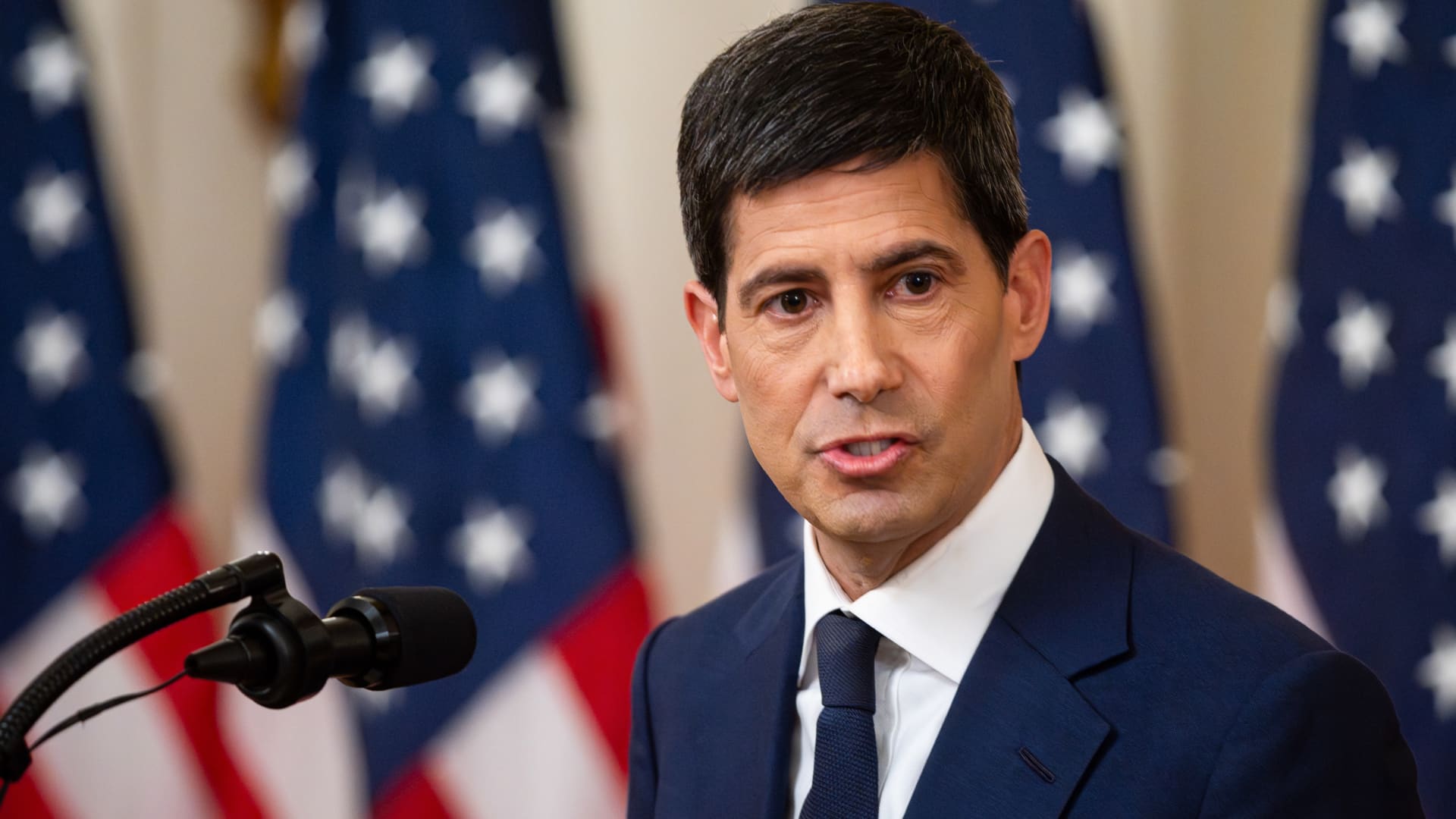
The Federal Reserve has officially maintained its benchmark interest rate at the 3.5%-3.75% range, a decision that reverberates through global markets. This move, coupled with a significantly streamlined policy statement, signals a notable recalibration of the Fed’s forward guidance and hints at a potential hawkish turn.
💰 Financial Strategy & Market Insights
- Rate Stability Confirmed. The Federal Open Market Committee’s unanimous decision to hold rates steady indicates a pause in monetary easing, with potential for future hikes on the horizon.
- Communication Overhaul Underway. New Chair Kevin Warsh’s intention to review Fed communication strategies, including the ‘dot plot’, suggests a move towards greater clarity and potentially less prescriptive forward guidance.
- Inflationary Pressures Remain Key. Despite economic expansion, elevated inflation forecasts and a commitment to the 2% target underscore the Fed’s ongoing challenge in balancing growth with price stability.
Federal Reserve Chairman Kevin Warsh concluded his inaugural meeting with a unanimous vote to keep interest rates unchanged, a continuation of the policy path set in late 2025. However, the accompanying statement underwent a significant overhaul, shedding language that previously indicated a bias towards future rate cuts. This strategic simplification of the FOMC’s communication, as championed by Warsh, aims to reduce what he views as Fed overcommunication. The move reflects a broader reassessment of how the central bank conveys its policy intentions, potentially paving the way for more direct and less nuanced messaging. The reduction in the policy statement’s length and complexity marks a departure from past practices, emphasizing clarity and factual reporting of economic conditions.
One of the most striking changes was the removal of rate cut projections from the Fed’s Summary of Economic Projections, commonly known as the ‘dot plot.’ This omission, particularly with Chairman Warsh declining to submit his own forecast, signals a significant shift in the committee’s outlook. Instead of anticipated cuts, the median projection for the federal funds rate by the end of 2026 has been revised upward to 3.8%, suggesting the possibility of at least one rate hike this year. This adjustment reflects a cautious approach to inflation, which remains above the Fed’s 2% target, exacerbated by supply shocks and geopolitical events like the conflict in the Middle East.
- The FOMC’s statement, now a mere 130 words compared to the previous 341, focuses on economic expansion, strong productivity, and capital investment, juxtaposed with persistent inflation concerns.
- While the economy is expanding, uncertainties stemming from global conflicts and supply chain disruptions are closely monitored.
- The Fed reaffirmed its commitment to price stability, indicating a strong resolve to bring inflation back to its 2% objective.
The Fed’s updated economic projections paint a picture of continued inflationary challenges. The inflation forecast for 2026 has been raised to 3.6% for headline inflation and 3.3% for core inflation, a stark increase from the March projections of 2.7%. This upward revision highlights the Fed’s concern over the persistence of price pressures, driven partly by the energy price spikes linked to the Iran war. Despite these concerns, the labor market remains robust, with job gains exceeding expectations and the unemployment rate holding steady at 4.3%. This resilience in employment provides the Fed with a degree of flexibility but also complicates the decision-making process regarding interest rate adjustments. The market’s reaction has been swift, with traders now pricing in a higher probability of a rate hike sooner than previously anticipated, potentially as early as October, as discussed in analyses from global market trends.
The Fed’s commitment to reducing inflation to 2% is described as ‘strong, unanimous, and unambiguous.’ This emphasis on a clear and consistent message aims to restore confidence in the central bank’s ability to manage price stability, a narrative that has been somewhat diluted over the past five years.
While the Fed has maintained its policy of ‘ample reserves,’ indicating no immediate plans to shrink its $6.7 trillion balance sheet, Chairman Warsh has previously advocated for such measures. This suggests potential future policy shifts regarding quantitative tightening, though immediate action is not anticipated. The unified approval of the statement, after some dissent in previous meetings regarding forward guidance, underscores the committee’s current consensus. The updated economic outlook, with slightly lower GDP growth projections and a reduced unemployment forecast, suggests a nuanced view of the economy’s trajectory, balancing growth prospects with inflationary risks. This cautious stance by the Fed suggests that investors should closely monitor incoming economic data, particularly inflation reports and employment figures, as outlined in broader financial sector developments.
Fed Policy Shift: A Hinge Point for Markets
The Fed’s decision to hold rates steady and remove dovish language from its statement represents a significant pivot. This move signals a greater tolerance for higher rates if inflation persists, potentially impacting bond yields and equity valuations. The market is now recalibrating its expectations, moving away from the anticipation of imminent rate cuts towards a scenario where rate hikes are more probable. For investors, this environment demands a re-evaluation of portfolio strategies, emphasizing resilience and a focus on assets that can perform in a higher interest rate regime, drawing insights from financial sector strategies.
- Upside Risks: A strong economic rebound could allow the Fed to hike rates without triggering a recession, leading to higher yields on fixed-income assets and potentially robust corporate earnings if productivity gains continue.
- Downside Risks: Persistent inflation could force the Fed into aggressive rate hikes, increasing the risk of a recession and significantly impacting asset valuations across equities and bonds. Geopolitical instability and supply chain disruptions remain key wildcard factors.
Federal Reserve Liquidity Analysis
The Fed’s commitment to maintaining ‘ample reserves’ suggests a stable liquidity environment in the short term. However, Chairman Warsh’s past advocacy for balance sheet reduction indicates a potential for future tightening of liquidity as part of a broader strategy to combat inflation and normalize monetary policy. The market will be watching for any signals regarding the pace and magnitude of future balance sheet adjustments, which could influence borrowing costs and the availability of credit for businesses and consumers. This careful management of liquidity is crucial for ensuring market stability while addressing inflationary pressures, a dynamic discussed in educational financial insights.
Market Sentiment Tracker: Hawkish Shift Incoming
The sentiment surrounding the Fed’s latest announcement has shifted notably towards a more hawkish outlook. The removal of rate cut bias and the upward revision of inflation forecasts are being interpreted as clear signals that the Fed is prioritizing inflation control over immediate economic stimulus. This recalibration of expectations is likely to influence investor behavior, leading to increased caution in riskier asset classes and a greater focus on value and income-generating investments. The market’s immediate reaction, as reflected in trading patterns and analyst commentary, suggests a period of adjustment as participants digest the implications of this policy stance, a viewpoint echoed by leading financial publications such as investment perspectives.
The Fed’s Monetary Policy recalibration: What it means for your portfolio
The Federal Reserve’s recent decision to hold rates steady and signal a potential for future hikes marks a critical juncture for investors. The shift away from dovish forward guidance indicates a heightened focus on inflation control, suggesting that the era of ultra-low interest rates may be drawing to a close.
- The Fed’s revised inflation forecasts highlight persistent price pressures as a primary concern.
- The removal of rate cut bias suggests that any future policy adjustments will be data-dependent, with a strong emphasis on inflation metrics.
- Market expectations are now leaning towards a tightening cycle, necessitating a strategic re-evaluation of investment portfolios.
### 📊 StockXpo Analyst’s View
Market Impact: This Fed decision is likely to temper risk appetite in the short term, leading to increased volatility across asset classes as markets digest the prospect of higher-for-longer interest rates. Investor sentiment will likely pivot towards defensive assets and companies with strong pricing power.
Sector To Watch: Industries that benefit from higher inflation and interest rates, such as financials and energy, may see increased investor interest. Conversely, growth stocks reliant on cheap capital may face headwinds.
Will the Fed successfully navigate the tightrope between inflation control and economic growth without triggering a significant downturn?
Financial Disclaimer:
StockXpo.com is a financial news aggregator and educational portal, not a registered investment advisor or broker-dealer. All information, news, and analysis provided herein are strictly for educational purposes and do not constitute investment, financial, legal, or tax advice. Investing in the stock market involves high risks, and past performance is not indicative of future results. StockXpo will not be liable for any financial losses or investment damages. Always consult a certified financial advisor before making market decisions.
MORE IN INSIDE FINANCE
Brazil Election: Market Volatility Ahead Amidst Political Divide
Published: Saturday, October 3, 2026 · 11:30 AM

Bitget Hack: $388 Million Volatility Reshapes Crypto Exchange Risk
Published: Friday, October 2, 2026 · 2:49 AM