
Published: Saturday, June 13, 2026 · 3:40 PM | Updated: Saturday, June 13, 2026 · 3:40 PM
📊 250 views




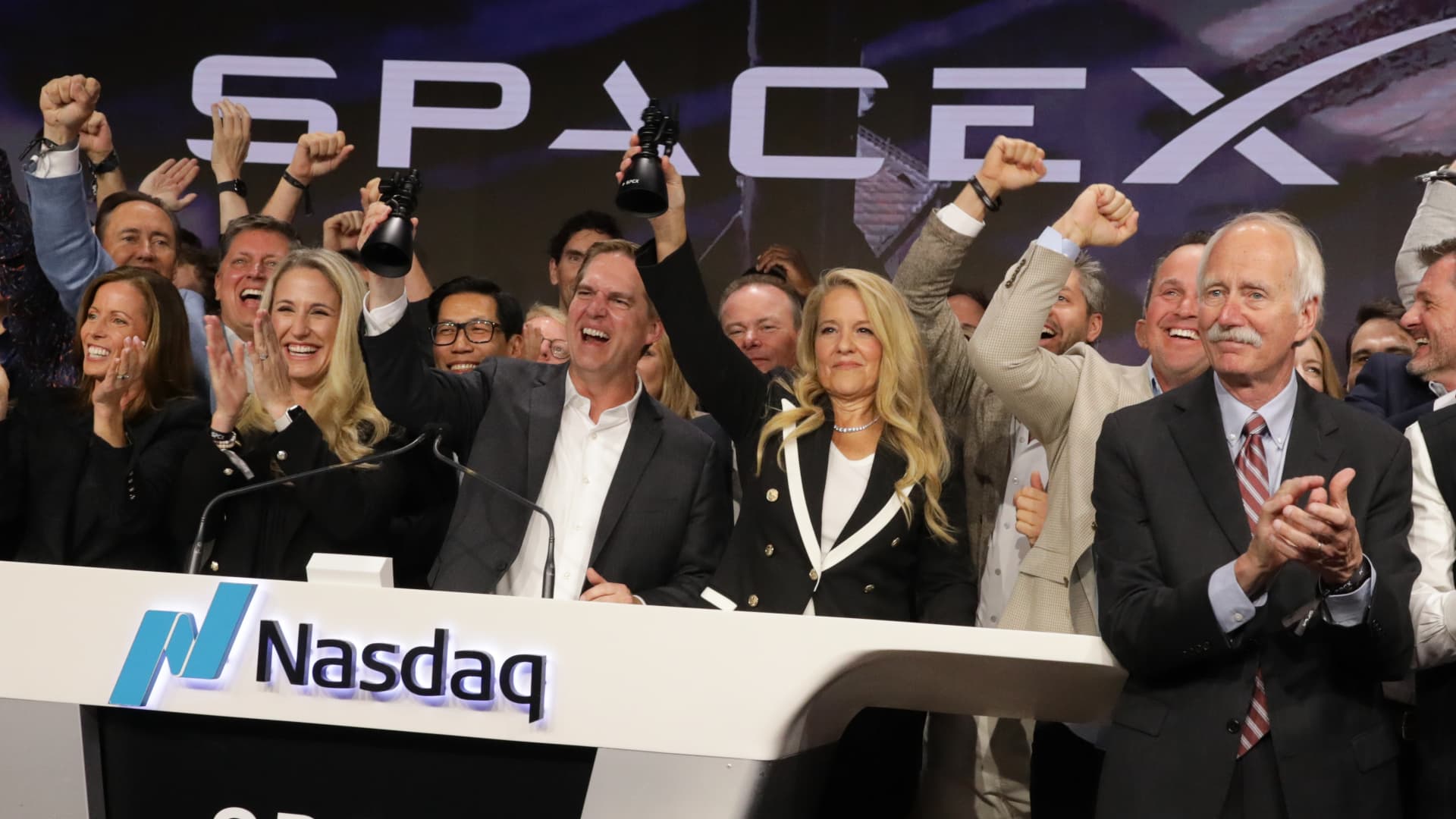
TD Securities projects that the most significant market catalysts for SpaceX are yet to unfold, extending beyond its recent public debut. The firm emphasizes upcoming index inclusions as pivotal moments that will significantly impact asset valuation and market liquidity. Investors are urged to closely monitor the timeline for SpaceX’s integration into key benchmarks.
💰 Financial Strategy & Market Insights
- Index Impact. TD Securities highlights future index inclusions, not just the IPO, as critical drivers for SpaceX’s long-term valuation and market presence.
- Rebalancing Dates. Key dates like July 6, when Nasdaq rebalances its 100 Index to include SpaceX shares, are crucial for investors tracking capital shifts.
- S&P 500 Delay. SpaceX’s initial exclusion from the S&P 500 means alternative benchmarks like the S&P Total Market and Russell Indexes will bear greater immediate significance.
The Strategic Importance of SpaceX Index Inclusions
Peter Haynes, TD Securities’ head of index and market structure, believes the true turning points for SpaceX’s market journey will be its inclusion in major indexes. He asserts that while the company’s public debut is important, the rebalancing schedules of benchmarks like the S&P Total Market Index, MCI Global Index, Russell Indexes, and the Nasdaq 100 will dictate significant capital flows.
SpaceX’s anticipated entry into major indices, as highlighted by TD Securities, presents a critical juncture for broader market analysis and investor portfolio adjustments. The immediate focus for many is the Nasdaq 100, which is set to rebalance its index on July 6 to reflect SpaceX’s IPO shares, followed by adjustments for additional freely tradable shares.
While the market anticipates these inclusions, the S&P 500 Index Committee made a ‘controversial decision’ to not fast-track SpaceX. This means the Elon Musk-led company must trade publicly for at least one year before becoming eligible for the S&P 500, shifting immediate attention to other benchmarks and their rebalancing schedules.
- Nasdaq 100 Rebalance: Scheduled for July 6, this event will incorporate SpaceX’s IPO shares into the index, influencing passive investment flows.
- S&P 500 Exclusion: The decision not to fast-track SpaceX into the S&P 500 reinforces a one-year trading requirement, delaying its inclusion in one of the most significant benchmarks.
- Market Debut Success: SpaceX surged over 19% on its Nasdaq debut, closing at $160.95 and pushing its market capitalization beyond $2 trillion, a testament to robust investor interest.
This decision amplifies the importance of other index adjustments, as a substantial volume of shares will become freely tradable and subsequently need to be reflected across these benchmarks. TD Securities’ Peter Haynes emphasized these points on CNBC’s ‘ETF Edge,’ a sentiment echoed across global markets. Following Friday’s market close, Haynes lauded the resilience of market infrastructure, noting that the system ‘passed the test’ during SpaceX’s high-profile debut.
Risk vs. Reward: Navigating SpaceX’s Market Entry
- Upside Potential:
- Passive Fund Inflows: Inclusion in major indexes like the Nasdaq 100 will trigger significant buying from passive index funds, providing a stable demand base.
- Enhanced Visibility & Legitimacy: Index membership increases a company’s profile, potentially attracting more institutional and retail investors.
- Growth Trajectory: Continued innovation in space exploration and satellite internet (Starlink) positions SpaceX for substantial long-term revenue growth.
- Downside Risks:
- Valuation Pressures: A $2 trillion market cap implies high expectations; any operational missteps or delays could lead to significant corrections.
- Index Weighting Volatility: Initial index inclusions and subsequent rebalances can lead to price volatility as funds adjust positions.
- Regulatory and Execution Risks: The space industry faces unique regulatory challenges and high operational risks associated with rocket launches and satellite deployment.
What is Index Rebalancing? Index rebalancing is the process by which index providers adjust the constituents and weightings of the securities within an index. This is done to maintain alignment with the index’s methodology, reflect changes in market capitalization, or incorporate new publicly traded companies. It often leads to significant buying and selling by passive investment funds that track these indexes, impacting market liquidity and stock prices.
Key Financial Data Points Shaping SpaceX’s Outlook
- IPO Debut Price: $135.00
- Closing Price on Debut: $160.95 (up 19% from debut)
- Market Capitalization on Debut: Exceeded $2 trillion
- Nasdaq 100 Rebalance Date: Anticipated July 6, 2026
- S&P 500 Eligibility: Minimum one year of public trading required, delaying inclusion until at least mid-2027.
SpaceX Liquidity Analysis
The liquidity profile of SpaceX is poised for dynamic shifts following its public debut and anticipated index inclusions. Initially, trading might be concentrated, but the infusion of shares as they become ‘freely tradable’ after various lock-up periods and index rebalances will significantly deepen its market liquidity. The dynamics surrounding index inclusion are vital for understanding shifts in the financial sector. The market structure’s ability to absorb its large market capitalization and trade volume, as noted by TD Securities, indicates robust infrastructure, but liquidity can still be influenced by the pacing of index integrations and institutional adoption. As more shares become accessible and institutional funds begin to track the stock, we expect a gradual increase in average daily volume and tighter bid-ask spreads, making it easier for large blocks of shares to trade without significant price impact.
SpaceX Market Sentiment Tracker
Investor sentiment around SpaceX remains overwhelmingly positive, fueled by its pioneering role in space technology and satellite communications. The successful IPO debut, with its significant price surge and rapid ascension to a multi-trillion-dollar valuation, reflects strong confidence from both institutional and sophisticated retail investors. This positive sentiment is further bolstered by the prospect of future index inclusions, which act as de-facto endorsements of the company’s stability and growth potential. However, this high optimism also means the stock could be susceptible to sharper corrections if future milestones are missed or if broader market conditions turn bearish. For those seeking educational financial insights, understanding these rebalancing mechanisms is paramount. Monitoring social media trends, analyst ratings, and news coverage will be crucial to gauge any subtle shifts in this highly anticipated stock’s sentiment.
SpaceX’s Market Trajectory: Beyond the IPO Hype
SpaceX’s initial public offering marked a significant milestone, yet the real strategic plays for its valuation and market integration lie ahead with its index inclusions. The methodical approach to incorporating a company of SpaceX’s scale into major benchmarks will shape its future liquidity and investor base. The market’s infrastructure, proven resilient during its debut, is now set to handle the complexities of phased index integration.
- The July 6 Nasdaq 100 rebalance is the immediate focal point for active and passive funds.
- The S&P 500’s one-year eligibility rule establishes a longer-term horizon for a full benchmark embrace.
- SpaceX’s strong market cap entry sets a high bar, emphasizing the importance of sustained operational success.
How will the phased index inclusions continue to redefine SpaceX’s valuation and its role in the broader capital markets?
📊 StockXpo Analyst’s View
Market Impact: The staggered index inclusion for SpaceX, particularly its delayed S&P 500 entry, will create sustained, albeit phased, demand for its stock from passive funds. This ensures a prolonged period of potential buying pressure, supporting its valuation post-IPO. The initial trading success signals robust investor appetite for high-growth, innovative companies.
Sector To Watch: The Aerospace & Defense sector, alongside satellite communications and technology infrastructure, will experience spillover effects. Increased investor confidence in SpaceX could draw capital to its peers and supply chain partners, driving further innovation and market activity in these specialized areas.
Financial Disclaimer:
StockXpo.com is a financial news aggregator and educational portal, not a registered investment advisor or broker-dealer. All information, news, and analysis provided herein are strictly for educational purposes and do not constitute investment, financial, legal, or tax advice. Investing in the stock market involves high risks, and past performance is not indicative of future results. StockXpo will not be liable for any financial losses or investment damages. Always consult a certified financial advisor before making market decisions.
MORE IN INSIDE FINANCE

AI Stock Boom Fuels $67 Billion Equities Growth for Wall Street Giants
Published: Wednesday, October 21, 2026 · 11:03 AM

New Risks Emerge: Global Finance Chiefs Highlight Debt, AI, and Geopolitical Volatility
Published: Tuesday, October 20, 2026 · 2:12 AM


