Published: Friday, July 24, 2026 · 5:45 PM | Updated: Friday, July 24, 2026 · 5:45 PM
📊 176 views




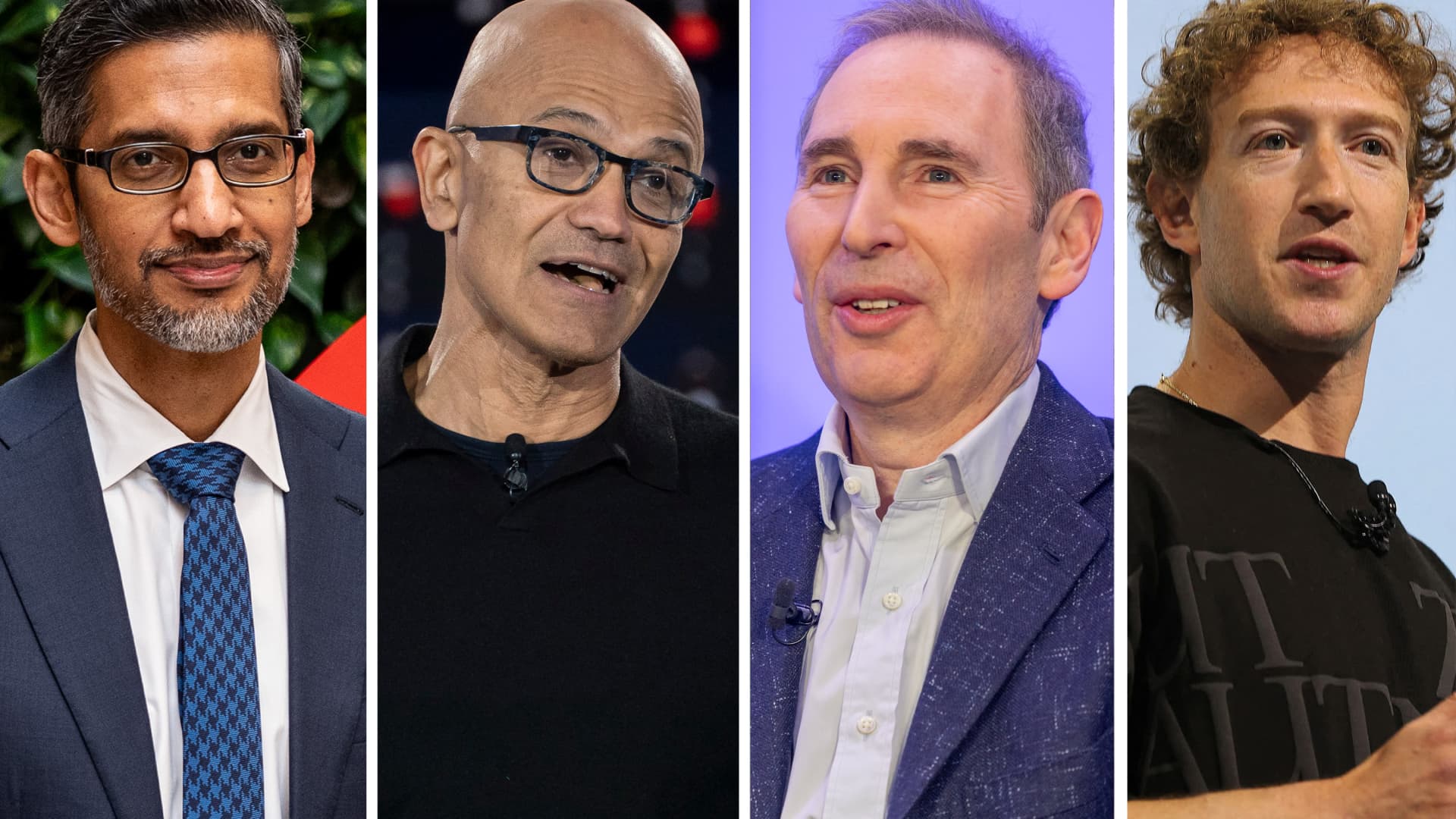
Moody’s Ratings has issued a significant warning regarding the escalating AI spending by major technology hyperscalers, indicating an ‘unprecedented’ investment drive that could undermine their robust credit profiles. This aggressive pursuit of artificial intelligence infrastructure is shifting these giants from their traditionally asset-light models to capital-intensive operations, intensifying scrutiny on their financial resilience.
💰 Financial Strategy & Market Insights
- Credit Quality Under Pressure. Moody’s highlights that massive AI infrastructure investments are eroding free cash flow and increasing balance sheet risk for firms like Amazon, Meta, and Alphabet.
- Shift to Asset-Heavy Model. The transition from software-centric, asset-light structures to hardware-intensive AI demands unprecedented capital expenditures, projected to hit nearly $1 trillion by next year.
- Off-Balance-Sheet Liabilities. Hyperscalers are increasingly relying on long-term data center leases, amassing $1.2 trillion in off-balance-sheet commitments, which Moody’s considers debt-equivalent liabilities.
The relentless global race to dominate artificial intelligence infrastructure, now projected to reach an annual clip of nearly a trillion dollars, is fundamentally reshaping the financial profiles of the world’s leading technology hyperscalers. Moody’s Ratings recently underscored this paradigm shift, noting that companies like Alphabet, Microsoft, Amazon, and Meta, once lauded for their agile, asset-light business models, are now grappling with significantly increased capital intensity. This transition demands ‘unprecedented levels of investment and capital raising,’ a stark contrast to their historical reliance on scalable software and intellectual property.
This massive expenditure is having a tangible impact: it is eroding free cash flow and elevating balance sheet risk. Previously, these tech titans enjoyed fortress-like balance sheets fueled by high-margin software services that required relatively modest capital outlay. Now, generative AI necessitates a vast physical footprint – immense data centers packed with expensive, energy-guzzling servers and advanced chips. To finance this dramatic expansion, these firms are increasingly leveraging diverse funding channels, including direct debt, public equity sales, and complex off-balance-sheet arrangements.
For instance, direct debt across the six hyperscalers tracked by Moody’s – Microsoft, Amazon, Alphabet, Meta, Oracle, and CoreWeave – has swelled to approximately $460 billion. Alphabet, parent company of Google, exemplified this trend last month with an $85 billion equity sale specifically earmarked for AI infrastructure buildout. Beyond direct borrowing, the sector is heavily utilizing long-term data center leases, accumulating lease commitments totaling $1.2 trillion, with over $820 billion for facilities yet to commence operations. Moody’s explicitly categorizes these as debt-equivalent liabilities, a crucial insight for thorough market analysis.
While these financial maneuvers are straining balance sheets, Moody’s maintains that the credit quality of the largest players – Microsoft, Alphabet, Amazon, and Meta – remains robust, largely due to their exceptionally strong existing financial positions. A potential downgrade for these giants is not considered an imminent threat. However, the pressure intensifies for lower-rated entities. Oracle, with a Baa2 rating and a negative outlook, sits just two notches above junk status, while specialized AI cloud provider CoreWeave, rated Ba3 within the high-yield market, relies on intricate private debt structures for its GPU hardware fleets. This disparity highlights the diverging risk profiles within the intensely competitive AI sector, a trend echoed in recent business finance news.
- The transition to asset-heavy AI models requires massive upfront capital, leading to reduced free cash flow and increased reliance on various financing mechanisms across the hyperscaler landscape, a complex interplay impacting the broader financial sector.
The burgeoning AI spending frenzy presents a dual-edged sword for investors, offering both substantial upside potential and significant downside risks:
- Upside:
- Future Market Leadership: Early and aggressive investment in AI infrastructure positions companies to dominate the next wave of technological innovation, capturing substantial market share in generative AI services and applications.
- Revenue Diversification: Successful AI integration can unlock new revenue streams, strengthen competitive moats, and drive long-term growth, justifying initial capital outlays.
- Efficiency Gains: AI deployment can lead to significant operational efficiencies, automation, and innovation across core business segments, improving profitability over time.
- Downside Risks:
- Erosion of Free Cash Flow: High capital expenditures can severely compress free cash flow, limiting flexibility for dividends, share buybacks, or other strategic investments.
- Increased Leverage & Debt Burden: Reliance on debt and off-balance-sheet financing increases financial leverage, making companies more susceptible to interest rate fluctuations or economic downturns.
- Execution & ROI Risks: The immense investment in AI hardware and data centers carries inherent risks regarding the timing and adequacy of return on investment, particularly if demand falters or competition intensifies.
- Circular Ecosystem Vulnerability: The interconnected nature of investment and consumption within the AI ecosystem (e.g., hyperscalers funding AI labs that then consume their cloud services) could create systemic vulnerabilities if underlying assumptions about demand prove overly optimistic.
Understanding Debt-Equivalent Liabilities: While long-term leases for data centers may not appear on a company’s balance sheet as traditional debt, ratings agencies like Moody’s scrutinize these commitments closely. They represent legally binding future payment obligations that can significantly impact a firm’s liquidity and financial health, effectively functioning as debt for credit analysis purposes. Investors should analyze these off-balance-sheet items to gain a true picture of a company’s total financial leverage. For more educational financial insights, continue exploring our blog.
The scale of investment and financial obligations facing hyperscalers in the AI spending boom is substantial, reflecting a dramatic shift in their capital structures, as reported by sources like global markets intelligence:
| Metric | Current/Projected Value | Significance |
|---|---|---|
| Projected Capital Expenditures (2026) | $785 Billion | Reflects intense investment in physical AI assets like data centers. |
| Projected Capital Expenditures (Next Year) | ~ $1 Trillion | Highlights accelerating, unprecedented investment pace. |
| Direct Debt Across Six Hyperscalers | ~ $460 Billion | Direct leverage taken on to fund expansion. |
| Total Lease Commitments | $1.2 Trillion | Significant off-balance-sheet liabilities for future rent. |
| Unstarted Lease Commitments | Over $820 Billion | Indicates massive, ongoing data center construction. |
Alphabet Liquidity Analysis: Navigating the AI Capital Demands
Alphabet, despite its formidable cash reserves and robust revenue streams, exemplifies the new liquidity challenges posed by intensive AI spending. While the Google parent company recently undertook an $85 billion equity sale, a move indicative of strategic capital deployment rather than distress, it signals a recalibration of capital management. The sheer scale of investment in AI infrastructure, encompassing cutting-edge chips, energy-efficient data centers, and advanced research, places unprecedented demands on even the most cash-rich balance sheets. Investors are increasingly scrutinizing how these massive outlays impact free cash flow generation, a key metric for evaluating a company’s financial health and ability to return capital to shareholders or fund further innovation without excessive reliance on debt. The market will closely monitor Alphabet’s ability to monetize its AI investments effectively to justify these liquidity shifts.
Microsoft Market Sentiment Tracker: Investor Confidence Amidst AI Buildout
Investor sentiment around Microsoft, a leading hyperscaler deeply entrenched in the AI race, remains largely positive, though the Moody’s report introduces a nuanced layer of caution. While the company’s strong cloud business and strategic partnerships with AI pioneers like OpenAI bolster confidence, the ballooning capital expenditures are a key area of focus for market participants. The market is currently rewarding aggressive investment in AI, viewing it as a necessary step for future dominance. However, any signs of diminishing returns on these investments, or a prolonged period of suppressed free cash flow, could temper this enthusiasm. The long-term contracts and predictable revenue streams from its growing cloud offerings do provide a significant buffer, but the market’s ‘wait-and-see’ approach on the ultimate profitability of current AI spending dictates a watchful eye on quarterly earnings and forward guidance.
The Ripple Effect of AI Spending on Hyperscaler Financial Models
The Moody’s analysis serves as a critical re-evaluation of the financial underpinnings of the tech sector’s most powerful players. The shift towards an asset-heavy model, driven by insatiable demand for AI infrastructure, fundamentally alters the decades-long formula that created these trillion-dollar companies. While their investment-grade ratings are not under immediate threat, this transformation mandates a fresh perspective from investors on asset valuation and risk management.
- The traditional “asset-light” advantage of tech giants is rapidly giving way to capital-intensive AI infrastructure, demanding deeper financial scrutiny.
- Off-balance-sheet liabilities from data center leases now represent a significant, often under-appreciated, component of hyperscalers’ total financial commitments.
- The “circular AI ecosystem” heightens interdependence and risk, necessitating careful assessment of underlying demand assumptions and strategic partnership stability.
Will the unprecedented scale of AI spending ultimately yield commensurate returns, or will it lead to an unforeseen recalibration of tech valuations?
📊 StockXpo Analyst’s View
Market Impact: This report from Moody’s provides a crucial analytical lens for investors, emphasizing that while the AI boom presents immense growth opportunities, it also introduces structural changes to corporate balance sheets. The market’s current enthusiasm for AI-driven growth may need to factor in the rising capital intensity and increasing leverage of these tech behemoths. We anticipate increased scrutiny on free cash flow metrics and return on invested capital (ROIC) in upcoming earnings cycles. This fundamental shift could lead to a more discerning approach to tech valuations, especially for companies with less diversified revenue streams or higher leverage profiles.
Sector To Watch: Beyond the immediate impact on hyperscalers, the financial sector (especially investment banks and private credit providers) stands to gain significantly from facilitating the massive capital raising required for AI infrastructure. Conversely, smaller players or those without robust balance sheets seeking to compete in the AI space may face escalating capital costs and tougher financing conditions, creating consolidation opportunities or competitive disadvantages. The energy sector, particularly those involved in renewable energy and grid stability, will also be critical given the immense power demands of these new data centers.
Financial Disclaimer:
StockXpo.com is a financial news aggregator and educational portal, not a registered investment advisor or broker-dealer. All information, news, and analysis provided herein are strictly for educational purposes and do not constitute investment, financial, legal, or tax advice. Investing in the stock market involves high risks, and past performance is not indicative of future results. StockXpo will not be liable for any financial losses or investment damages. Always consult a certified financial advisor before making market decisions.
MORE IN INSIDE FINANCE

Humanoid Robot IPOs Face Stricter Chinese Scrutiny, Impacting Asset Valuations
Published: Tuesday, September 29, 2026 · 3:19 AM

Tariff Reductions Spark Optimism for Global Trade Growth
Published: Monday, September 28, 2026 · 4:43 AM