Published: Friday, July 24, 2026 · 4:44 PM | Updated: Friday, July 24, 2026 · 4:44 PM
📊 205 views




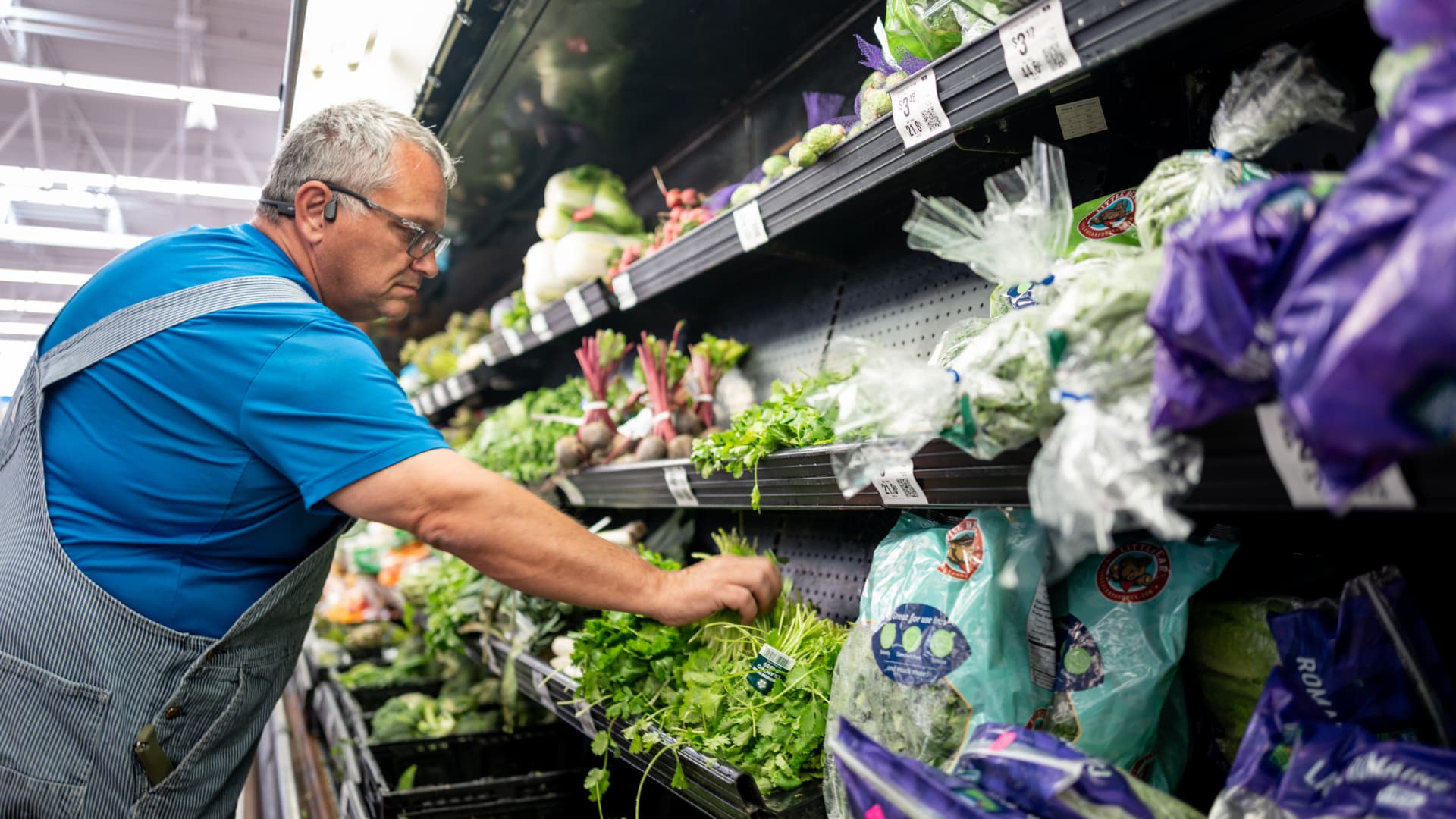
A major cyclospora outbreak, now spanning nine states and linked to shredded iceberg lettuce, has put one of the nation’s largest produce suppliers, Taylor Farms, under intense regulatory and public scrutiny. This escalating food safety crisis highlights critical vulnerabilities within the vast agricultural supply chain and underscores the immense operational challenges companies face in maintaining consumer trust amidst widespread health concerns.
🗝️ Corporate Strategy Insights
- Operational Resilience Tested. Taylor Farms’ extensive supply chain and quality control measures are being critically evaluated, revealing potential vulnerabilities in large-scale produce distribution.
- Crisis Communication Missteps. The company’s handling of public statements, including a retracted apology claim from the FDA, has amplified reputational damage and eroded stakeholder confidence.
- Supplier Scrutiny Intensifies. Major retailers like Walmart and Target, along with restaurant chains such as Taco Bell, face pressure to reassess their sourcing strategies and supplier vetting processes following the widespread cyclospora outbreak.
The Centers for Disease Control and Prevention (CDC) has confirmed a massive cyclospora outbreak, now the largest reported this year, affecting thousands across nine U.S. states. This parasitic illness, typically transmitted through contaminated food or water, has been specifically traced to shredded iceberg lettuce supplied by Taylor Farms, a key vendor to major restaurant chains and retailers. The four newest states—Illinois, Kansas, Oklahoma, and Pennsylvania—join Indiana, Kentucky, Ohio, West Virginia, and Michigan in reporting illnesses, with the earliest symptoms appearing in mid-May.
U.S. health and food regulators, including the Food and Drug Administration (FDA), have zeroed in on Taylor Farms de Mexico as the likely source, despite Mexican health authorities reporting negative tests for cyclospora from the plant. This discrepancy has fueled confusion, particularly following Taylor Farms’ controversial claim of an FDA apology for a false positive, a statement later retracted after the FDA denied making such an apology. The agency maintains that Taylor Farms’ lettuce remains the probable cause of the cyclospora outbreak. Understanding such complex corporate communications during crises is crucial; for more educational insights, see educational insights for businesses. This incident also highlights broader trends in food safety investigation, as reported by outlets like Reuters business news.
The widespread contamination led Taylor Farms to issue a voluntary recall of affected iceberg lettuce from its Guanajuato, Mexico facility, prompting Taco Bell to pull the product from its restaurants. The CDC has tallied nearly 2,000 cases linked to Taco Bell consumption in the affected states, though state-level figures often report higher numbers, indicating the true scale of the health crisis. The incident has cast a harsh light on food safety protocols and the swiftness of corporate and regulatory responses.
Key developments in the cyclospora outbreak investigation include:
- The outbreak has expanded to nine states, with thousands of illnesses reported, vastly exceeding typical annual case numbers.
- FDA identified Taylor Farms de Mexico as the likely source, despite conflicting test results from Mexican authorities.
- Taylor Farms issued a recall, but faced criticism for unclear communication and a retracted claim of an FDA apology.
The ongoing cyclospora outbreak creates a significant strategic ripple effect across the food industry. First, Taylor Farms faces severe brand erosion and potential legal liabilities, which could translate into lost contracts and reduced market share, particularly if major clients like Walmart, Target, and Whole Foods rethink their sourcing strategies. This crisis will inevitably force these retailers and restaurant chains to enhance their supplier vetting processes, demanding greater transparency and stricter compliance with food safety standards. The incident also puts pressure on the broader agricultural sector to invest more heavily in advanced traceability systems and robust quality control from farm to fork. The market for fresh produce may see a temporary dip in demand for certain items, as consumers grow wary, potentially shifting preferences towards alternatives or brands perceived as more reliable. Such market shifts are closely watched by financial news sources such as Bloomberg Markets for insights.
“The cyclospora outbreak underscores that in today’s interconnected supply chains, transparent and timely crisis communication is not merely a public relations task but a fundamental pillar of operational integrity and long-term brand equity. Missteps here can cost millions in trust and revenue.”
Key indicators tracking the cyclospora outbreak:
- Confirmed Illnesses: Over 1,947 (CDC tally linked to Taco Bell) with state reports indicating higher numbers. This metric reflects the immediate human health impact and the scale of the crisis.
- Affected States: 9 states (Indiana, Kentucky, Ohio, West Virginia, Michigan, Illinois, Kansas, Oklahoma, Pennsylvania). This illustrates the geographic reach and challenge in containment.
- Confirmed Source: Shredded iceberg lettuce from Taylor Farms de Mexico. Pinpointing the source is crucial for targeted recalls and preventing future outbreaks.
Taylor Farms Strategic Analysis: Navigating a Reputational Storm
As one of the largest producers of fresh-cut produce in North America, Taylor Farms’ operational strategy relies heavily on efficiency, scale, and a sophisticated global supply chain. This cyclospora outbreak directly challenges its core competitive advantage: the ability to deliver high-quality, safe fresh produce consistently. The incident forces a re-evaluation of its quality assurance protocols, particularly at international facilities. Rebuilding trust will require significant investment in enhanced food safety technologies, more rigorous testing, and transparent communication, potentially impacting profitability and capital allocation in the short to medium term. The company’s ability to quickly recover its market position will depend on how effectively it can demonstrate a renewed commitment to safety beyond regulatory compliance, potentially setting new industry benchmarks for food safety.
Food Industry Supply Chain Resilience: A Critical Reassessment
The cyclospora outbreak serves as a stark reminder of the inherent vulnerabilities within complex global food supply chains. For the broader food industry, particularly companies involved in fresh produce, this event necessitates a critical reassessment of resilience strategies. Companies reliant on concentrated sourcing or just-in-time delivery models may now explore diversification of suppliers and geographical origins to mitigate future risks. Furthermore, there will likely be increased pressure from consumers and regulators for end-to-end traceability solutions, leveraging technologies like blockchain to provide immutable records of produce origin and handling. The strategic imperative for industry players, from growers to retailers, is to build more robust, transparent, and responsive supply chains that can withstand and quickly recover from such widespread public health incidents. This shift could lead to significant capital expenditure in infrastructure and technology.
The Cyclospora Outbreak: A Turning Point for Industry Standards
The unfolding cyclospora outbreak linked to Taylor Farms is more than a public health crisis; it’s a pivotal moment for the food industry’s commitment to safety and transparency. The incident exposes critical gaps in supply chain oversight and the high stakes of corporate communication during a crisis. For consumers and corporate buyers, the focus will undoubtedly shift towards suppliers demonstrating unparalleled dedication to food safety and ethical practices. The long-term implications will hinge on industry-wide responses and regulatory enhancements.
- Enhanced Regulatory Oversight: Expect increased scrutiny and potentially new regulations for imported produce and large-scale food processing.
- Supply Chain Diversification: Major food service providers and retailers may diversify sourcing to reduce dependency on single suppliers or regions.
- Technology Adoption: Accelerate adoption of traceability technologies to enhance transparency and rapid response capabilities.
Will this cyclospora outbreak catalyze a permanent transformation in food safety standards, or will it remain another costly lesson?
📊 StockXpo Analyst’s View
Market Impact: This cyclospora outbreak will likely put downward pressure on publicly traded food distributors and restaurant chains heavily reliant on fresh produce, especially those with similar supply chain exposure. Investor sentiment for the broader agriculture sector may become cautious, favoring companies with proven robust safety protocols. This could also spur innovation in food tech for improved traceability and testing, potentially creating new investment opportunities. For more insights on market dynamics, visit stock markets for investment analysis.
Sector To Watch: The food safety and quality assurance technology sector is poised for significant growth as companies seek to mitigate future risks. Additionally, investors should monitor food processing and distribution companies to see how they adapt their corporate growth strategies to enhance supply chain resilience. Further analysis on company strategy can be found at business strategy and corporate growth.
Financial Disclaimer:
StockXpo.com is a financial news aggregator and educational portal, not a registered investment advisor or broker-dealer. All information, news, and analysis provided herein are strictly for educational purposes and do not constitute investment, financial, legal, or tax advice. Investing in the stock market involves high risks, and past performance is not indicative of future results. StockXpo will not be liable for any financial losses or investment damages. Always consult a certified financial advisor before making market decisions.
MORE IN INSIDE BUSINESS
Wonder’s Ambitious Strategy: Texas Expansion, Automation, and an IPO Path
Published: Sunday, October 25, 2026 · 9:32 AM

Young Airplane Scrapping: A $17 Million Engine Crisis Reshaping Aviation
Published: Saturday, October 24, 2026 · 8:26 AM