Published: Monday, June 1, 2026 · 4:03 PM | Updated: Monday, June 1, 2026 · 4:03 PM
📊 239 views




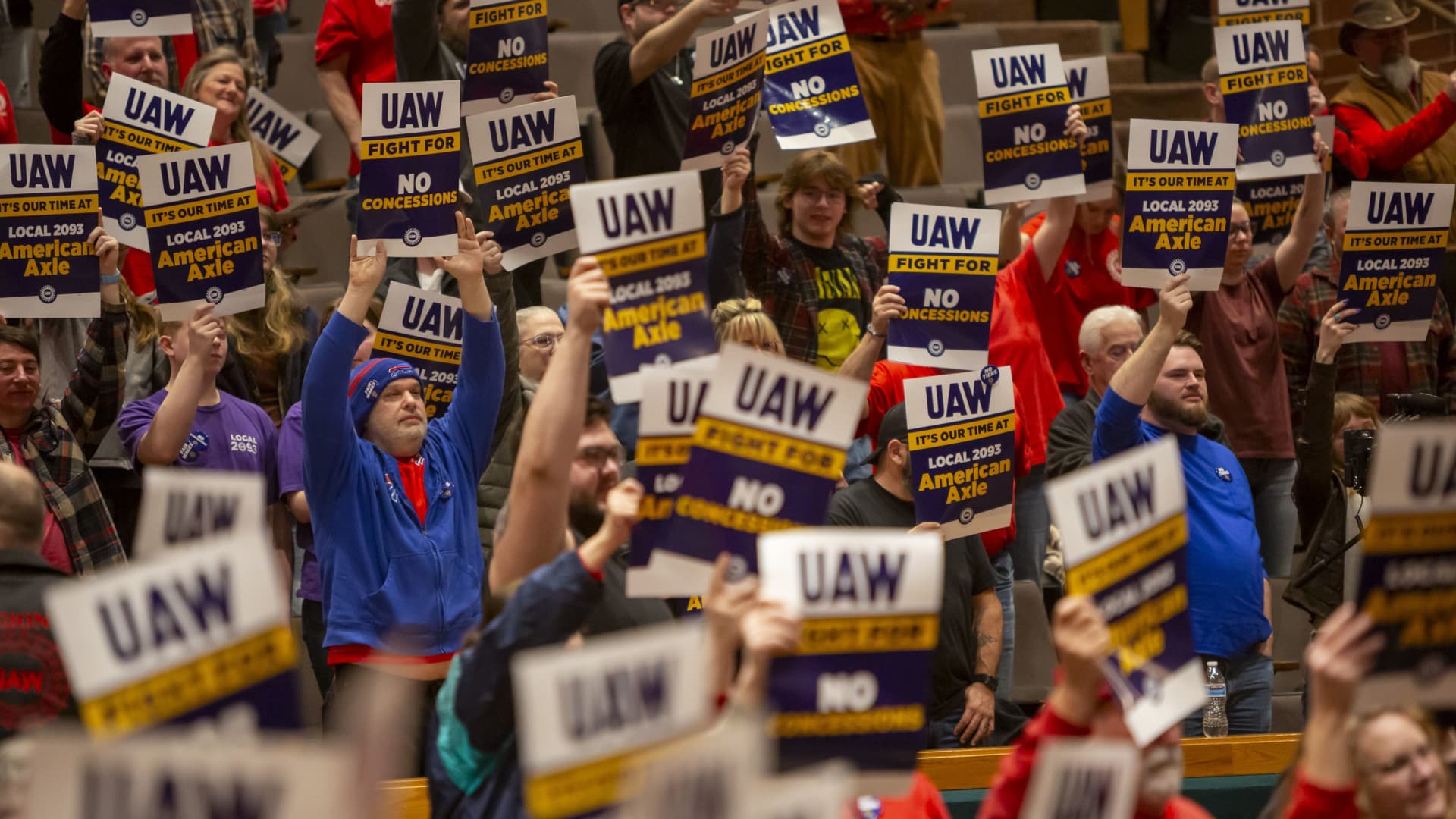
A critical UAW union strike at Dauch Corp., a key supplier of axles and components, is now jeopardizing General Motors’ vital truck production. This industrial action underscores the persistent vulnerabilities within the automotive supply chain and signals escalating labor tensions across the sector, demanding immediate strategic responses from automakers.
🗝️ Corporate Strategy Insights
- Supply Chain Vulnerability. Reliance on single-source suppliers for critical components, like axles, exposes automakers to significant production halts and market share erosion during labor disputes.
- Labor Relations Escalation. The UAW’s aggressive stance, rooted in historic wage disputes, indicates a broader trend of increased union leverage, compelling companies to reassess long-term labor cost structures.
- Operational Contingency Imperative. While GM holds a temporary inventory buffer, the strike highlights the critical need for diversified sourcing strategies and robust contingency planning to maintain manufacturing continuity.
The ongoing UAW union strike, involving nearly 1,000 workers at Dauch Corp.’s Three Rivers, Michigan plant, commenced following a failure to reach a new contract agreement. Dauch Corp., formerly American Axle and Manufacturing, is a pivotal supplier for General Motors, producing axles for its popular Chevrolet Colorado and GMC Canyon midsize pickup trucks, as well as the heavy-duty Chevrolet Silverado and GMC Sierra series. The labor dispute extends beyond GM, impacting components for Stellantis’ Chrysler Pacifica minivan, a detail confirmed by a union spokesman. The core of the union’s demands revolves around regaining wages lost during the 2008 Great Recession, with current top wages of $22 an hour still significantly below the $29 an hour earned by long-time workers pre-recession.
General Motors has acknowledged monitoring the situation closely, stating that its production facilities were operating normally as of Monday. However, reports from UAW Local 2093’s bargaining committee chairman, Josh Jager, suggest that GM possesses only approximately two weeks’ worth of axle inventory. This limited buffer places GM in a precarious position, as a prolonged strike could quickly lead to assembly line disruptions for its highly profitable truck segments. These segments are crucial for GM’s revenue and market leadership, particularly amidst intense competition in the pickup truck market. For deep insights into how labor disputes can impact global markets, investors often consult reputable sources like global financial data platforms.
- The strike by UAW Local 2093 at Dauch Corp. directly threatens the production of GM’s midsize and heavy-duty trucks, key profit drivers.
- Union demands focus on restoring wages cut during the 2008 recession, highlighting historical grievances.
- GM’s estimated two-week axle inventory provides a short grace period before potential production stoppages.
The Strategic Ripple Effect on Automotive Production
This supplier strike sets off a direct cause-and-effect chain within the automotive industry. A prolonged Dauch Corp. strike will inevitably lead to an axle shortage for General Motors. This shortage will, in turn, force GM to halt production lines for its most profitable truck models, directly impacting revenue potential and potentially eroding market share. Competitors such as Ford and Ram (Stellantis brand, though Stellantis is also partially affected by Dauch) could capitalize on any GM production shortfalls, gaining traction in the lucrative truck segment. Beyond immediate operational impacts, this event sends a strong signal to the broader industry regarding the criticality of diversifying supply chains and proactively managing labor relations, especially as the sector navigates a complex transition towards electrification and new corporate growth strategies.
“This UAW union strike serves as a stark reminder of how interconnected and fragile the modern automotive supply chain remains, transforming what seems like a localized labor dispute into a significant strategic challenge for a global automaker.”
Key Operational Indicators in the Dauch Dispute
This situation presents several critical operational indicators to track:
- Wage Discrepancy: UAW is pushing to restore wages from $14.50 (2008 cut) to $29/hr, with current top wages at $22/hr after a five-year progression. This signifies the ongoing battle over compensation structures within the industry.
- Inventory Buffer: GM’s reported two-week supply of axles is a crucial metric, indicating the short window before potential plant shutdowns and revenue losses.
- Workforce Impact: Nearly 1,000 UAW members are on strike, highlighting the significant operational disruption caused by a relatively small but critical workforce segment.
These indicators collectively highlight the immediate financial and operational risks facing General Motors, and by extension, the entire automotive sector’s dependence on stable supplier relationships and equitable labor agreements. For more detailed business reporting and analysis, readers can often find valuable insights on leading business news outlets.
General Motors’ Competitive Advantages Under Scrutiny
General Motors has historically leveraged strong brand loyalty and market leadership in the North American truck and SUV segments as a core competitive advantage. The company’s heavy-duty and midsize trucks, such as the Silverado and Sierra, are cash cows that fund future investments in EVs and autonomous technology. However, this UAW union strike at a critical supplier directly challenges this strength by threatening production continuity. GM’s strategy often involves balancing extensive supplier networks with cost efficiencies, a balance now clearly under pressure. Maintaining these advantages requires robust supply chain resilience and proactive labor engagement, areas where this event demands a renewed focus for the Detroit automaker.
Dauch Corp. Industry Benchmarking: Supplier Dynamics
Dauch Corp. (formerly American Axle and Manufacturing) operates as a Tier 1 automotive supplier, a segment characterized by intense pressure on cost, quality, and delivery. Suppliers like Dauch are often squeezed between powerful automakers demanding lower prices and their own labor forces seeking improved compensation. Benchmarking Dauch against its peers reveals that many such component manufacturers face similar wage demands and operational challenges, particularly given the long-term wage stagnation experienced by segments of the manufacturing workforce since the Great Recession. Their strategic importance, however, gives them considerable leverage, as seen in this strike, making them vital to the functioning of complex automotive supply chains and a key area for corporate growth analysis.
The Road Ahead for General Motors’ Production Resilience
The ongoing UAW union strike at Dauch Corp. presents a tangible, near-term threat to General Motors’ production schedule and financial performance. While GM has a short-term inventory buffer, the protracted nature of UAW negotiations in recent history suggests this dispute could escalate, forcing the automaker to consider more aggressive contingency plans.
- GM must accelerate negotiations or rapidly identify alternative axle sourcing options to mitigate production halts.
- The incident will likely prompt a deeper review of GM’s supply chain diversification strategies to reduce single points of failure.
- This labor action sets a precedent for future UAW negotiations, potentially increasing pressure on other automotive suppliers and OEMs.
How will this supplier strike influence General Motors’ long-term strategy for supply chain resilience and labor relations?
📊 StockXpo Analyst’s View
Market Impact: This situation could trigger investor apprehension regarding GM’s near-term production stability and profitability, especially given the high margins on its trucks. Broader market sentiment might also turn cautious on auto sector stocks reliant on single-source suppliers or facing aggressive union demands, influencing overall stock markets. We could see a slight dip in GM shares if the strike prolongs, alongside increased scrutiny of supplier relationships across the industry.
Sector To Watch: The automotive components manufacturing sector will be under intense focus. Companies with robust labor agreements and diversified production capabilities might see an uplift in investor confidence. Conversely, those with similar labor contract expiry dates or high dependence on singular product lines could experience downward pressure, pushing investors to seek educational insights on supply chain risk management.
Financial Disclaimer:
StockXpo.com is a financial news aggregator and educational portal, not a registered investment advisor or broker-dealer. All information, news, and analysis provided herein are strictly for educational purposes and do not constitute investment, financial, legal, or tax advice. Investing in the stock market involves high risks, and past performance is not indicative of future results. StockXpo will not be liable for any financial losses or investment damages. Always consult a certified financial advisor before making market decisions.
MORE IN INSIDE BUSINESS

Wonder’s Ambitious Strategy: Texas Expansion, Automation, and an IPO Path
Published: Sunday, October 25, 2026 · 9:32 AM

Young Airplane Scrapping: A $17 Million Engine Crisis Reshaping Aviation
Published: Saturday, October 24, 2026 · 8:26 AM