Published: Tuesday, June 23, 2026 · 11:09 AM | Updated: Tuesday, June 23, 2026 · 11:09 AM
📊 239 views




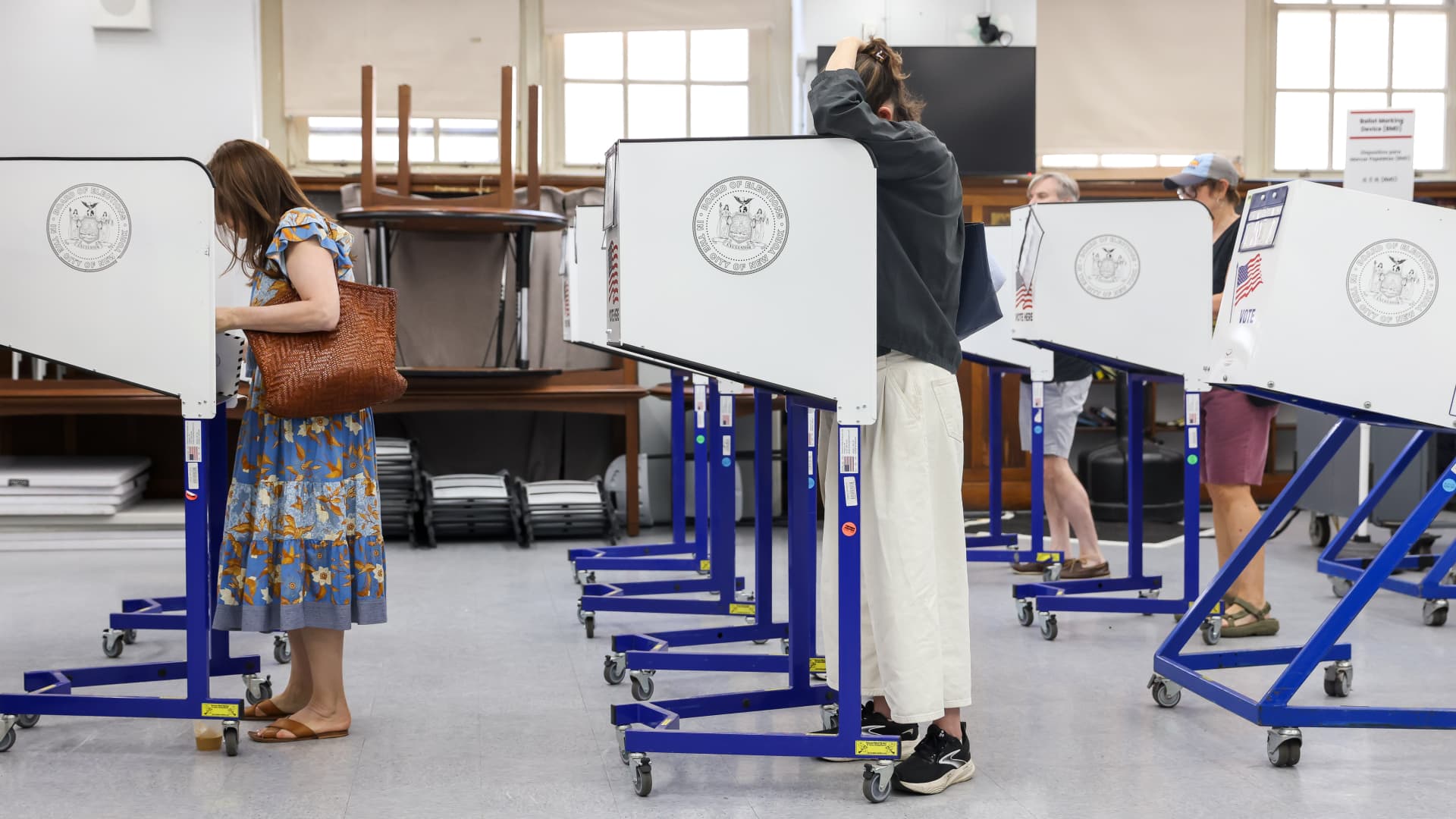
A significant financial infusion into a single New York congressional primary race is spotlighting the intensifying battle over the future of AI regulation. Over $20 million from AI-aligned super PACs has been deployed in a contest that could set crucial precedents for federal policy concerning artificial intelligence.
🚀 Tech Strategy & Market Disruptions
- AI Policy Proxy Battle. A New York congressional primary has become a de facto referendum on AI regulation, with AI industry stakeholders heavily influencing the outcome.
- Innovation vs. Safety Debate. The race highlights a fundamental tension between fostering AI innovation and implementing robust safety guardrails, impacting future technology development and adoption.
- Venture Capital Influence. The substantial spending by PACs backed by venture capital and AI companies underscores the growing role of industry capital in shaping regulatory landscapes, potentially skewing policy towards commercial interests.
The election in New York’s 12th congressional district has drawn attention as two major super PACs, ‘Leading the Future’ and ‘Public First Action,’ engage in a direct financial confrontation. Leading the Future, supported by figures like Open AI co-founder Greg Brockman and venture capital firm Andreessen Horowitz, has reportedly spent $8 million to oppose Alex Bores, a state assemblyman advocating for AI safety regulations. This PAC’s stated mission includes preventing policies that might stifle innovation or cede global AI superiority to China, advocating for a national regulatory framework that supports job creation and includes strong safety measures.
Conversely, Public First Action, funded with $20 million from Anthropic, has allocated $11 million to support Bores. This group, an arm of the AI safety organization Americans for Responsible Innovation, emphasizes embedding safety directly into AI models rather than solely regulating their outputs after harm has occurred. Brad Carson, president of Americans for Responsible Innovation, noted that their support comes from mid-level employees within major AI firms who are concerned about the trajectory of the technology, indicating internal dissent within the industry regarding the pace and safety of AI development.
This high-stakes race serves as a significant indicator of how the U.S. government might approach the regulation of a rapidly advancing technology. The candidates themselves represent distinct perspectives. Alex Bores, an engineer and computer scientist formerly with Palantir, believes that regulatory action, while necessary, should not impede the nation’s progress in AI. He advocates for a balanced approach that harnesses AI for beneficial applications, such as medical diagnostics, without encouraging its use for detrimental purposes.
- The substantial financial backing for competing AI policy viewpoints in a single electoral contest signals a critical juncture for AI governance.
- This political engagement suggests a proactive industry effort to influence legislation that will directly impact the future trajectory of AI development and deployment.
- The divergence in PAC strategies—one focused on fostering innovation and national competitiveness, the other prioritizing intrinsic safety measures—reflects a broader societal debate about risk management in emerging technologies.
Micah Lasher, another candidate and fellow assemblyman, while not leading the charge on AI regulation bills, has voted in favor of such legislation. His platform indicates a belief that ‘Big Tech’ should not be solely responsible for self-regulation, aligning with calls for external oversight. Jack Schlossberg, grandson of John F. Kennedy, is also a notable contender, adding another layer of public engagement to the race.
The spending extends beyond these two main PACs. Chris Larsen, co-founder of Ripple, contributed $3 million to a PAC supporting Bores, while Dan Ziegler of Anthropic has supported other PACs, like DREAM NYC, which ran ads linking Bores to opposition against ‘Trump’s billionaire allies,’ referencing an executive order from President Trump aimed at voluntary AI model assessment by the federal government. Smaller PACs, such as Guardrails Alliance, also represent employee concerns from companies like OpenAI regarding political spending.
Given the district’s strong Democratic leanings, the primary winner is highly likely to secure the congressional seat. The intense competition and significant financial commitments underscore the perception that the outcome of this New York race could have far-reaching implications for the broader discourse on emerging technologies and their place in society.
The current level of financial engagement in local politics by AI industry stakeholders is unprecedented, highlighting a shift from lobbying to direct electoral influence to shape the regulatory environment, which could have profound implications for innovation risk and market development.
| Super PAC | Affiliation | Total Spent | Candidate Supported/Opposed |
|---|---|---|---|
| Leading the Future | AI Companies & VC Firms | $8 million | Opposing Alex Bores |
| Public First Action | Anthropic-backed AI Safety Group | $11 million (to Bores) | Supporting Alex Bores |
| You Can Push Back | Chris Larsen (Ripple Co-founder) | $3 million | Supporting Alex Bores |
| DREAM NYC | Various Tech Donors | Undisclosed (significant ad spend) | Supporting Alex Bores |
| Guardrails Alliance | OpenAI Employees | ~$258,000 | Advocating for regulation |
The Dual Impact of AI Regulation on Innovation and Market Dynamics
The massive financial expenditure in this New York congressional race vividly illustrates the high stakes involved in shaping AI policy. As AI continues its rapid integration across sectors, understanding the regulatory frameworks being debated is paramount for assessing long-term market impact and the pace of innovation. This particular election has become a proxy for defining the balance between fostering groundbreaking advancements and mitigating potential risks associated with powerful AI systems.
What This Means for Digital Transformation
The influence of AI industry money in shaping political outcomes related to AI regulation has direct implications for digital transformation strategies. Companies looking to leverage AI will face a landscape defined by the regulatory decisions made in the coming years. The outcome of such races can either accelerate or decelerate the adoption of AI technologies based on the perceived safety and governance structures in place.
Defining the AI Policy Landscape in 2026
This New York primary race is more than just a local contest; it’s a microcosm of the national debate surrounding AI regulation. The substantial financial commitments from AI groups signal a clear intent to influence policy that will affect the broader technology market trends. The differing stances on the level of oversight required—from robust safety protocols to lighter guardrails promoting rapid innovation—will shape the future trajectory of AI development and its societal integration. As the technology market trends evolve, understanding these policy battles is crucial for navigating the complex landscape of innovation and governance in the AI era.
Financial Disclaimer:
StockXpo.com is a financial news aggregator and educational portal, not a registered investment advisor or broker-dealer. All information, news, and analysis provided herein are strictly for educational purposes and do not constitute investment, financial, legal, or tax advice. Investing in the stock market involves high risks, and past performance is not indicative of future results. StockXpo will not be liable for any financial losses or investment damages. Always consult a certified financial advisor before making market decisions.
MORE IN INSIDE TECHNOLOGY
SoftBank AI Investment: Malaysia’s $50 Billion Innovation Surge
Published: Monday, October 26, 2026 · 2:37 AM
SpaceX AI Chips: $40 Billion Deal Fuels Innovation-Driven Growth
Published: Sunday, October 25, 2026 · 9:35 PM