Published: Monday, June 1, 2026 · 4:17 AM | Updated: Monday, June 1, 2026 · 4:17 AM
📊 247 views




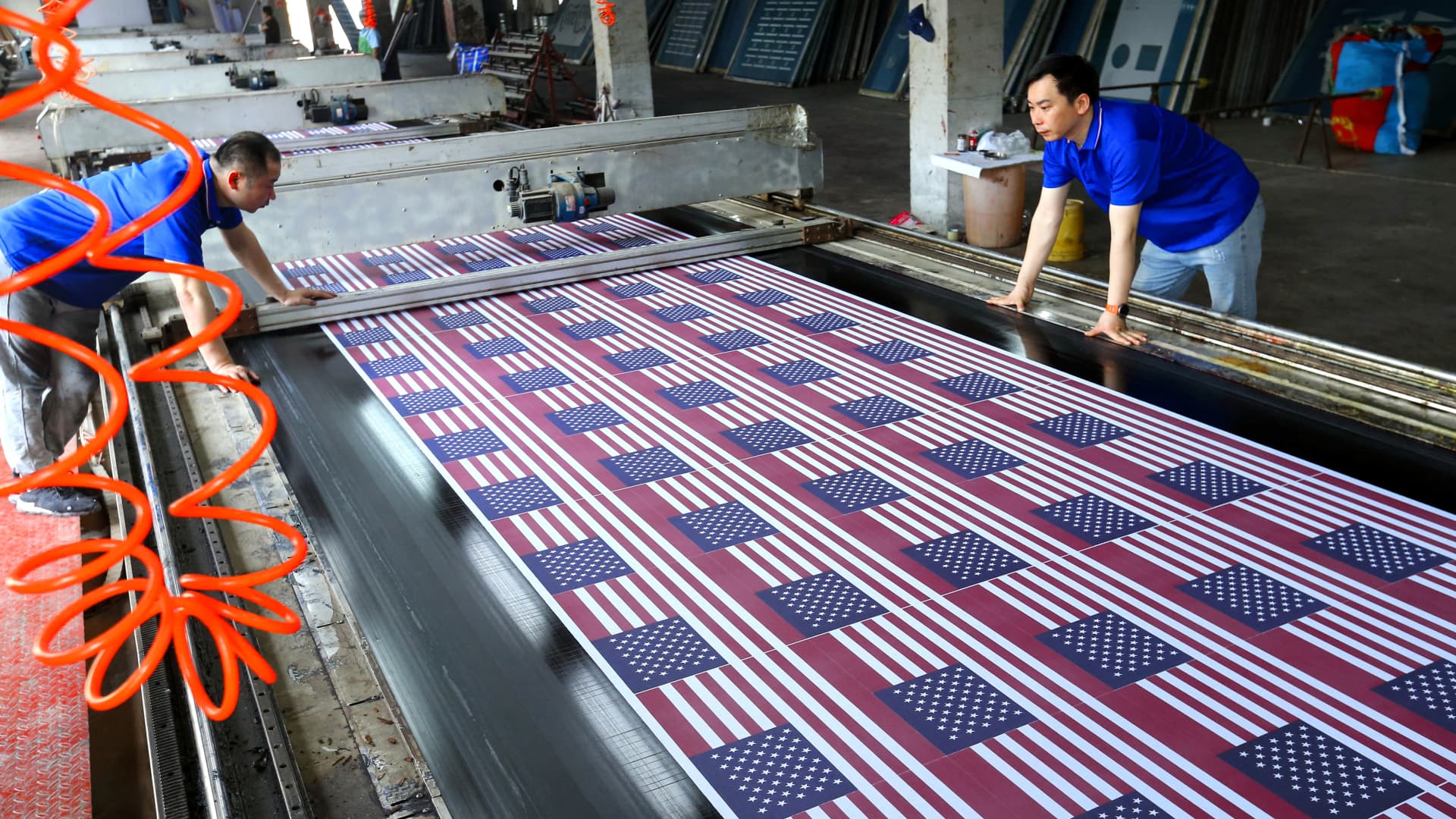
China’s manufacturing sector presented a nuanced picture in May, with a private survey indicating unexpected expansion that contrasted with a slowdown reflected in official government data. This divergence highlights an uneven economic recovery and poses challenges for investors assessing asset valuation and future capital shifts in the world’s second-largest economy.
💰 Financial Strategy & Market Insights
- Private vs. Official PMI: RatingDog’s private manufacturing PMI reached 51.8, beating forecasts and suggesting resilience, while the official PMI softened to 50, indicating a broader sector slowdown.
- Export Headwinds & Domestic Spends: New export business saw a slight decline, alongside marginal employment contraction, yet domestic tourism and spending showed pockets of recovery during the May 1 holiday, complicating a clear economic outlook.
- Future Optimism Amidst Cost Pressures: Despite elevated raw material and energy costs, Chinese manufacturers expressed optimism for growth over the next 12 months, driven by product innovation and improved capacity, signaling potential long-term investment opportunities.
In May, China’s manufacturing activity presented a bifurcated outlook, with data from separate purchasing managers’ index (PMI) surveys offering differing insights into the health of the industrial engine. The RatingDog China General Manufacturing PMI, compiled by S&P Global, registered 51.8, slightly surpassing the 51.6 anticipated in a Reuters poll, though it marked a moderation from April’s 52.2. This reading, where 50 separates expansion from contraction, suggests a continued, albeit slower, pace of improvement for the surveyed export-oriented firms.
Conversely, China’s official manufacturing PMI, which encompasses a broader array of manufacturers, edged down to 50 in May from 50.3 in April, matching market expectations and reaching its lowest point since February’s 49. This softer official data, coupled with Goldman Sachs analysts’ observations of subdued manufacturing sector growth and increased services activity, points to an economy grappling with uneven momentum. For a deeper dive into overall market analysis.
The RatingDog report, despite its positive headline figure, revealed underlying challenges. New export business experienced a slight decline in May, and employment also saw a marginal contraction. Input prices, for the first time in six months, fell from the prior month, yet overall costs remained elevated due to persistent high raw material and energy prices, compounded by ongoing supply chain disruptions.
- The divergence between private and official PMI surveys reflects the varying sample sizes and focus areas within China’s vast industrial landscape, with private surveys often capturing the sentiment of smaller, export-focused enterprises.
- While official figures indicated a slowdown, the private survey’s sustained expansion, even if tempered, suggests pockets of resilience driven by innovation and production capacity improvements.
- The broader economic landscape remains complex, with retail sales growth hitting a 40-month low in April, yet domestic tourism saw a boost during the May 1 holiday, particularly in smaller cities where hotel occupancy rates increased for groups like H World.
This mixed data underscores the challenges in accurately gauging China’s economic trajectory and calibrating investment strategies amidst global uncertainties. Understanding these shifts is crucial for any investor looking at the financial sector.
The current environment presents both opportunities and hazards for investors:
- Upside:
- Resilient Manufacturing Pockets: The private PMI’s sustained expansion, despite a slowdown, indicates robust segments, especially those focused on new products and technological breakthroughs, offering potential for targeted investment.
- Policy Support Anticipation: Given the uneven recovery, the likelihood of further government stimulus measures to bolster manufacturing and domestic demand could provide tailwinds for certain industries.
- Innovation-Driven Growth: Manufacturers’ optimism for future growth, hinged on new product launches and improved production capacity, suggests long-term potential in high-tech and value-added sectors.
- Downside Risks:
- Economic Deceleration: The softer official PMI and declining export orders signal broader economic deceleration, potentially impacting corporate earnings and market sentiment.
- Geopolitical & Trade Headwinds: A decline in new export business underscores ongoing global trade tensions and demand fluctuations, posing risks to China’s export-oriented industries.
- Inflationary Pressures & Supply Chain Fragility: Despite a slight dip, elevated input prices and persistent supply chain disruptions continue to squeeze profit margins and add volatility to the manufacturing sector.
The divergence between China’s private and official manufacturing PMIs is a critical indicator for market liquidity, as it often reflects a split between export-oriented smaller businesses and larger state-backed enterprises. This nuance implies that while the broader economy might be moderating, specific innovative or agile segments may still find growth, influencing where capital flows and how asset valuations are perceived. For investors, understanding this distinction is key to identifying resilient pockets amidst general economic headwinds.
| Indicator | May Reading | April Reading | Reuters Forecast (May) |
|---|---|---|---|
| RatingDog General Manufacturing PMI | 51.8 | 52.2 | 51.6 |
| Official Manufacturing PMI | 50.0 | 50.3 | 50.0 |
Why Chinese Manufacturing Sector Liquidity Matters
The liquidity within China’s manufacturing sector is a crucial barometer for capital allocation decisions. A decline in new export orders and marginal employment contraction, even with sustained private sector expansion, indicates varying liquidity conditions across different segments. While larger, state-backed entities might access capital more readily, smaller, export-oriented firms—often represented by the RatingDog PMI—could face tighter credit conditions or slower cash flow, impacting their ability to invest and expand. Monitoring this divergence in liquidity is essential for investors seeking to optimize their exposure to China’s industrial landscape. Such insights are regularly featured in expert educational financial insights.
China’s Market Sentiment Tracker: A Mixed Bag
Market sentiment regarding China’s economic outlook is undoubtedly a mixed bag following the latest PMI releases. The optimism expressed by private manufacturers, driven by innovation and capacity improvements, is a positive signal for long-term growth potential. However, the overall softening reflected in official data, coupled with headwinds in retail sales and exports, keeps sentiment cautious. Investors are likely weighing the potential for government intervention against the underlying structural challenges. This complex sentiment landscape necessitates careful risk management and a discerning approach to asset valuation. For real-time sentiment, market watchers often consult sources like Bloomberg Markets.
The Ripple Effect of China’s Manufacturing Activity on Global Investment
The latest data on China’s manufacturing activity underscores a critical juncture for global investors. While private surveys signal pockets of resilience and future optimism, the broader official figures suggest a more tempered growth trajectory. This mixed picture demands a re-evaluation of current asset valuations and risk parameters, particularly for multinational corporations with significant exposure to the Chinese market.
- Investors should anticipate continued volatility as China navigates its uneven recovery.
- Strategic capital shifts will likely favor sectors demonstrating innovation, technological advancement, and strong domestic demand.
- The long-term outlook remains contingent on effective policy responses and the resolution of global trade uncertainties.
How will Beijing’s next policy moves address these diverging economic signals and influence global supply chains?
📊 StockXpo Analyst’s View
Market Impact: The contrasting PMI data from China introduces a layer of complexity for global markets. While the private sector’s resilience can temper fears of a sharp downturn, the official data suggests broader industrial moderation, potentially cooling commodity demand and impacting export-dependent economies. This creates a volatile environment, demanding agile portfolio adjustments to navigate potential shifts in capital flows.
Sector To Watch: Investors should closely monitor China’s advanced manufacturing and technology sectors, which are likely driving the private sector’s optimism for innovation. Conversely, traditional heavy industries and raw material suppliers might face continued pressure from the broader slowdown. Global consumer discretionary companies with significant exposure to the Chinese market, like those tracked on Reuters Finance, also warrant close attention given the mixed signals on domestic spending.
Financial Disclaimer:
StockXpo.com is a financial news aggregator and educational portal, not a registered investment advisor or broker-dealer. All information, news, and analysis provided herein are strictly for educational purposes and do not constitute investment, financial, legal, or tax advice. Investing in the stock market involves high risks, and past performance is not indicative of future results. StockXpo will not be liable for any financial losses or investment damages. Always consult a certified financial advisor before making market decisions.
MORE IN INSIDE FINANCE

Fixed Income: JPMorgan Calls it a Once-in-a-Generation Opportunity Amid Market Shifts
Published: Saturday, October 10, 2026 · 12:03 PM

Crypto Derivatives Trading: Blockchain.com’s Bold Move into U.S. Markets
Published: Friday, October 9, 2026 · 8:23 AM