Published: Friday, May 22, 2026 · 11:53 AM | Updated: Friday, May 22, 2026 · 1:24 PM
📊 749 views




The highly anticipated public debut of Elon Musk’s aerospace giant, SpaceX, is sending shockwaves through Wall Street before a single share has even hit the trading floor.
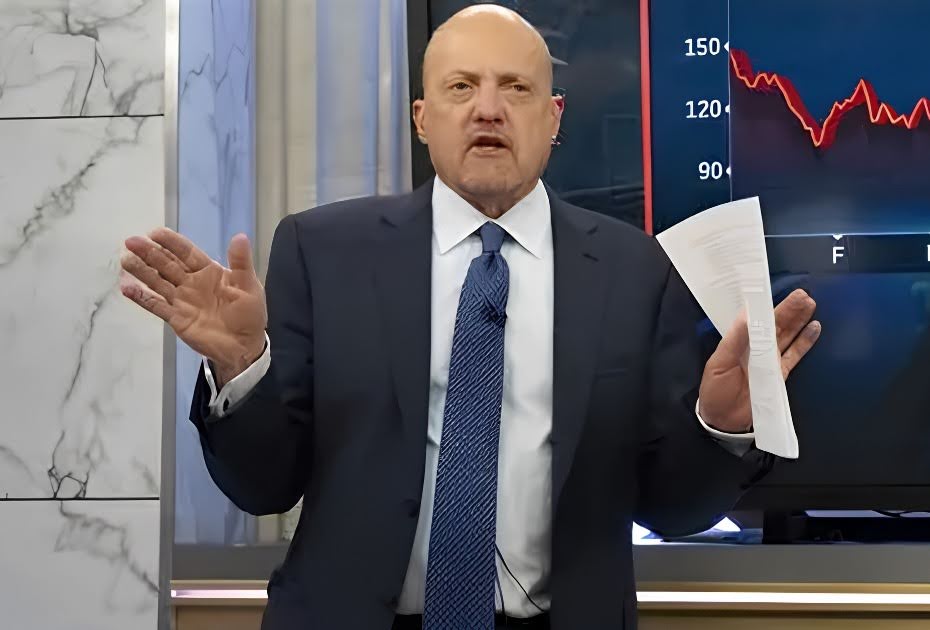
While investors are eagerly waiting for the tech blockbuster, CNBC’s Mad Money host Jim Cramer has issued a stark warning: The SpaceX IPO could trigger a wave of speculative excess that disrupts the broader financial markets.
Following the explosive market debut of AI chipmaker Cerebras Systems, Cramer voiced deep concerns on Friday that investor enthusiasm is reaching dangerous, unsustainable levels. With reports indicating SpaceX could file its prospectus within days for a June 2026 launch, the market is bracing for unprecedented demand.
The Problem: Artificial Scarcity and a $5 Trillion Valuation
Market sources suggest that underwriters could value SpaceX between $1.75 trillion and $2 trillion, a massive figure that includes core operations like Starlink satellite internet, social media platform X, and the Grok AI chatbot.
However, Cramer warns that the real danger lies in how the deal is structured. If underwriters release only a tiny fraction of total shares to the public—creating artificial scarcity—the imbalance between high demand and low supply could drive the stock price to irrational heights.
“If SpaceX issues just a sliver of stock… this company could have a $5 trillion valuation," Cramer cautioned, warning that SpaceX could single-handedly create an isolated market bubble.
The Domino Effect on Tech & Liquidity
A chaotic or over-hyped SpaceX debut could set a risky precedent for other AI and tech giants waiting in the wings, such as OpenAI and Anthropic. Cramer points to a fundamental rule of economics to explain why this threatens the wider stock market: Supply and Demand.
When massive tech companies go public simultaneously, it creates a massive drain on liquidity. To free up the cash required to buy into these hot new listings, institutional and retail investors frequently liquidate their existing holdings. This coordinated selling pressure can drag down the performance of the rest of the market.
Avoiding a Dot-Com Repeat
The ultimate outcome rests on the shoulders of Wall Street underwriters. Cramer urged investment banks to prioritize long-term market stability over short-term buzz, steering clear of the engineered “first-day pops" that came to define the catastrophic dot-com crash.
Whether the SpaceX IPO becomes a historic growth engine or a destructive market event depends entirely on responsible pricing and stock supply management.
Frequently Asked Questions (FAQs)
Q.1. When is the SpaceX IPO expected to happen?
Ans: SpaceX is highly anticipated to launch its initial public offering (IPO) in June 2026, with financial media reporting that the official prospectus could be released as early as late May.
Q.2. What is the estimated valuation of SpaceX for its IPO?
Ans: Initial reports suggest Wall Street underwriters are targeting an enormous valuation between $1.75 trillion and $2 trillion, placing it immediately among the most valuable companies on earth.
Q.3. Why does Jim Cramer think the SpaceX IPO could be destructive?
Ans: Cramer fears that if underwriters limit the number of shares available, it will create artificial scarcity. This could inflate the stock to an unsustainable valuation (potentially up to $5 trillion), pulling capital away from the rest of the market as investors sell other stocks to buy SpaceX.
Q.4. What business units are included in the SpaceX valuation?
Ans: The reported valuation encompasses SpaceX’s core rocket manufacturing and launch services, the Starlink satellite internet constellation, the social media platform X (formerly Twitter), and the Grok AI chatbot system.
Q.5. How could the SpaceX listing affect other tech companies like OpenAI?
Ans: If the SpaceX IPO is highly successful, it will likely open the floodgates for other major artificial intelligence and tech firms like OpenAI and Anthropic to accelerate their own public listings. However, if it creates a speculative bubble, it could tighten market regulations and sour investor appetite for risk.
MORE IN INSIDE BLOG

Negative Breakout: 5 Stocks Slip Below 200-Day Moving Average
Published: Wednesday, September 23, 2026 · 6:19 AM

Stock Futures Surge: Markets Rally on Historic US-Iran Peace Deal
Published: Monday, June 15, 2026 · 12:00 AM