Published: Friday, May 22, 2026 · 12:48 PM | Updated: Friday, May 22, 2026 · 12:48 PM
📊 315 views




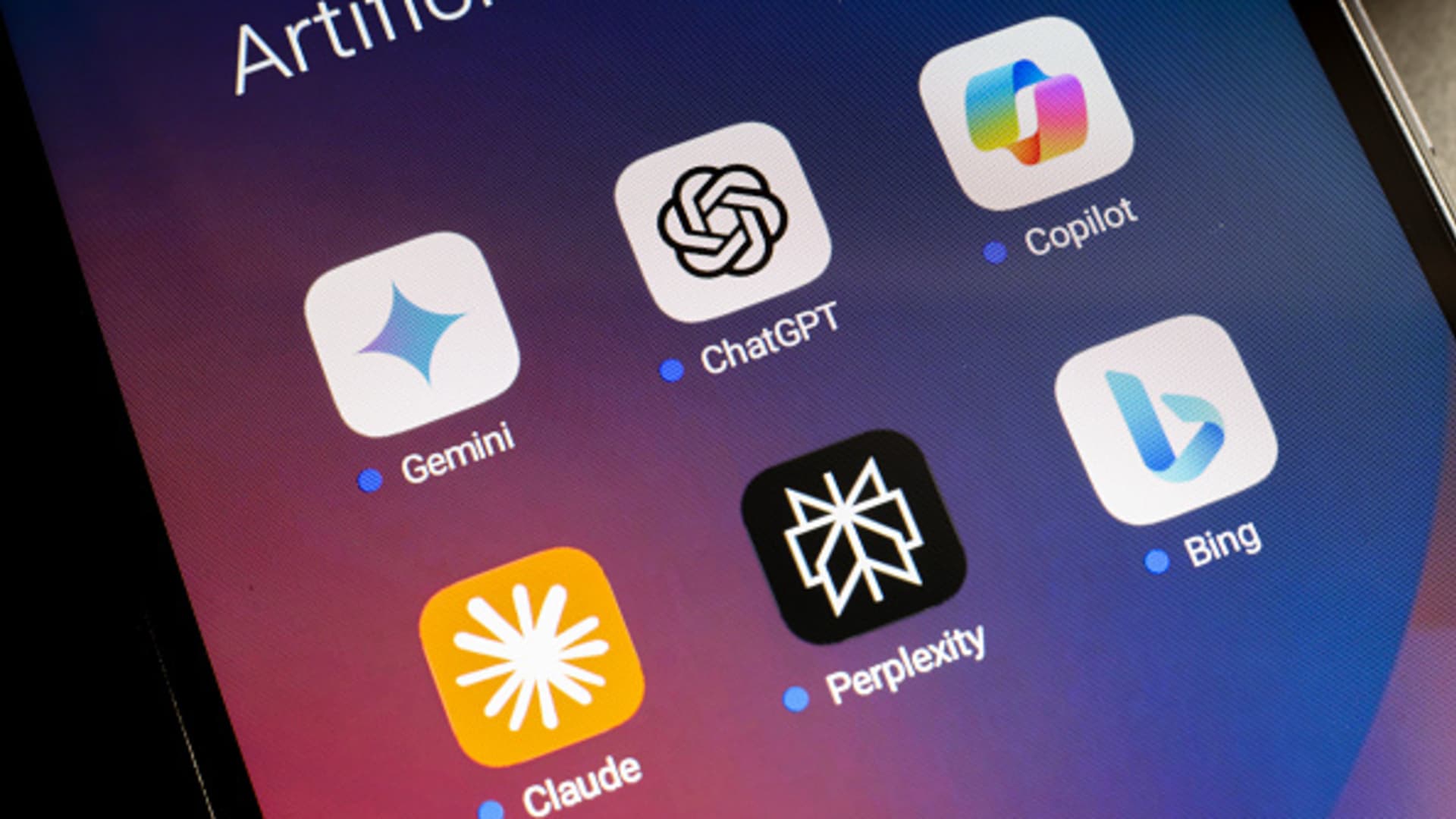
Tech titans are doubling down on AI investments and strategic partnerships, signaling a transformative shift in computing and digital services. From custom chip collaborations to AI-powered content creation and health tech IPOs, a wave of strategic AI deals is reshaping multiple industries. This report delves into the driving forces behind this innovation surge and its profound market implications.
🚀 Tech Strategy & Market Disruptions
- Microsoft’s AI Chip Strategy. Microsoft is reportedly in talks to supply custom AI chips to Anthropic, intensifying its rivalry with Amazon and Google in foundational AI infrastructure.
- AI Integration in Media. Spotify’s groundbreaking deal with Universal Music Group allows AI-powered covers and remixes using artist voices, opening new revenue streams and legal complexities in content creation.
- Health Tech’s Public Leap. Oura, the smart ring innovator, has confidentially filed for an IPO, highlighting investor confidence in AI-driven personal health monitoring and wearable technology.
The landscape of emerging technologies is currently dominated by an accelerating pace of AI deals, reflecting a fierce competition among tech giants to secure an advantage in the burgeoning artificial intelligence sector. Microsoft (MSFT) is at the forefront, with CNBC confirming its discussions to provide custom AI chips to Anthropic. This move follows Microsoft’s substantial $5 billion investment in the AI startup last November, underscoring its commitment to building robust AI infrastructure and directly challenging competitors like Amazon (AMZN) and Google (GOOGL). The battle extends beyond cloud infrastructure to the very silicon powering these advanced models, as companies seek to optimize performance and control their supply chains.
Meanwhile, the application of AI is expanding rapidly into creative industries. Spotify (SPOT) recently forged an innovative AI agreement with Universal Music Group, enabling users to generate covers and remixes employing the voices of consenting artists and songwriters. This development showcases the potential for AI to personalize user experiences and unlock new forms of digital content, though it also raises questions about intellectual property and artist compensation in the long term. This push is part of broader technology market trends that see AI as a crucial differentiator.
Investment in AI research and development is also surging. Tech stalwarts including Meta (META) and Broadcom (AVGO) are jointly establishing a $125 million research hub at UCLA, specifically designed to accelerate advancements in AI-powered chip technology. This collaborative effort highlights a shared understanding that innovation in hardware is just as critical as software for realizing AI’s full potential. Nvidia (NVDA), a bellwether for the AI chip market, recently saw its earnings report leave some traders wanting more, yet CEO Jensen Huang’s optimistic projections for AI capital expenditures suggest a future spending spree that could significantly outstrip current Wall Street forecasts, potentially topping $1 trillion in two years. This enormous capital allocation suggests a robust and sustained demand for AI processing power.
In the enterprise software space, Workday (WDAY) demonstrated strong momentum, with its shares climbing 7% in extended trading after the company revised its margin forecast upwards, directly attributing this growth to strong AI demand. This indicates that AI is not just a speculative venture but is already delivering tangible commercial benefits across various business sectors. Even traditional industries are feeling the ripple effect. Stellantis (STLA), the automotive giant, recently unveiled an ambitious five-year plan dubbed “FaSTLAne 2030,” involving nearly $70 billion in investment. While primarily focused on new vehicle development and sales growth, particularly in North America, the scale of this digital transformation initiative implicitly points towards leveraging advanced technologies, including AI, in areas like autonomous driving, manufacturing efficiency, and customer experience, showcasing how emerging technologies are driving change across industries.
Other notable developments include Oura, the smart ring manufacturer, confidentially filing a draft prospectus with regulators for an IPO. This move positions Oura, valued at $11 billion last October and nearing five million paid members, as a significant player in the rapidly expanding health tech sector, leveraging AI and biometric data for personalized wellness insights. Regulatory challenges are also emerging, particularly around prediction markets, where state and federal governments, notably the Commodity Futures Trading Commission, are locked in a high-stakes legal battle over jurisdiction. Furthermore, Congress is launching an investigation into potential insider trading on platforms like Kalshi and Polymarket, underscoring the complexities of regulating new digital economies as detailed in leading technology publications. For more educational tech insights, readers can explore our blog.
The broad investment across sectors, from specialized hardware to user-facing applications, indicates a profound and irreversible shift. Companies are not merely adopting AI; they are integrating it at the core of their future growth strategies. For instance, the news about Microsoft’s potential chip supply to Anthropic, as reported by Reuters, highlights the strategic importance of vertical integration in the AI stack. Conversely, political developments, such as President Trump postponing an AI executive order due to ‘certain aspects’ he disliked, reveal the ongoing societal and governmental reckoning with AI’s rapid ascent.
- Microsoft’s custom AI chip discussions with Anthropic aim to secure a competitive edge against Amazon and Google in AI infrastructure.
- Spotify’s AI music deal with Universal Music Group signals a shift towards new interactive content formats and artist engagement.
- Oura’s IPO filing underscores robust investor confidence in AI-driven wearable health technology.
- Meta and Broadcom’s $125 million AI chip research hub at UCLA highlights collaborative efforts to accelerate hardware innovation.
The rapid acceleration of investment in specialized AI chips (e.g., Microsoft’s discussions with Anthropic, Meta/Broadcom’s research hub) directly leads to enhanced computational power. This power enables the development of more sophisticated AI models and applications, which in turn drives innovation across sectors—from personalized music experiences at Spotify to predictive health analytics at Oura. The result is a profound market disruption, fostering new business models, intensifying competition, and necessitating updated regulatory frameworks, ultimately reshaping user interaction with technology and defining the next generation of digital services.
“The strategic consolidation around AI chip development and deployment, as evidenced by Microsoft’s pursuits and the Meta/Broadcom collaboration, signals a critical juncture in the technology arms race. Controlling the foundational silicon provides a potent competitive moat, enabling deeper integration, optimized performance, and ultimately, a more secure and proprietary AI ecosystem. This isn’t just about faster computation; it’s about owning the future of intelligent infrastructure.”
- Microsoft’s investment in Anthropic: $5 billion
- Meta and Broadcom’s AI chip research hub investment: $125 million
- Nvidia CEO Jensen Huang’s estimate for AI capital expenditures: Could exceed $1 trillion in two years
- Oura’s valuation (October): $11 billion
- Oura’s projected paid members this quarter: >5 million
- Stellantis’ “FaSTLAne 2030” investment: Nearly $70 billion
AI Chip Ecosystem Expansion Potential
The drive for custom AI silicon, as seen with Microsoft’s potential deal for Anthropic and the Meta/Broadcom research hub, signals a deepening decentralization of the AI hardware ecosystem. While Nvidia currently dominates, these moves suggest major tech players are investing heavily in application-specific integrated circuits (ASICs) or advanced GPUs tailored for their unique model architectures. This trend could foster greater innovation in chip design, reduce reliance on single vendors, and potentially lower the operational costs of running large-scale AI models, democratizing access to powerful AI capabilities for a wider array of enterprises. The expansion is less about replacing existing infrastructure and more about diversifying and specializing for optimal performance and efficiency, pushing the boundaries of what’s possible in compute-intensive AI workloads.
Oura’s Market Adoption Challenges
Despite its strong growth and impending IPO, Oura faces several market adoption challenges inherent to the wearable health tech segment. Consumer privacy concerns regarding biometric data collection remain a significant hurdle, requiring robust security protocols and transparent data governance. Competition is intensifying, with tech giants like Apple and Google integrating more advanced health tracking features into their own ecosystems. Oura’s success hinges on its ability to demonstrate unique value, maintain accuracy, expand its ecosystem of integrations with healthcare providers, and continuously innovate beyond basic sleep and activity tracking to offer actionable, personalized health insights that justify its premium positioning in a crowded market.
Navigating the Future: The AI Deals Landscape in 2026
The surge in AI deals and investments highlights a pivotal moment where technological advancement intersects with market strategy. Companies are not just seeking to integrate AI; they are investing in its foundational components, from chips to content, to secure long-term competitive advantages. This intense activity promises both unprecedented innovation and significant market restructuring.
- Strategic partnerships, like Microsoft’s with Anthropic, are critical for vertically integrating AI capabilities and controlling the core technology stack.
- The entry of AI into creative industries, exemplified by Spotify, will redefine content creation, ownership, and monetization models.
- Health tech IPOs, such as Oura’s, signal strong investor confidence in AI’s role in personalized wellness, while also spotlighting regulatory and privacy challenges.
How will this aggressive push for AI dominance reshape the global technology hierarchy and redefine consumer expectations for digital services?
📊 StockXpo Analyst’s View
Market Impact: The flurry of AI deals, particularly in foundational infrastructure and application layers, indicates a strong bullish sentiment on long-term growth in the technology sector. This investment wave could attract further institutional capital, fueling valuations for companies at the forefront of AI innovation. However, regulatory scrutiny, especially in areas like data privacy and prediction markets, could introduce volatility and dictate future growth parameters.
Sector To Watch: The Semiconductor and Enterprise Software sectors are primed for significant gains. Demand for specialized AI chips will continue to drive revenue for manufacturers, while enterprise software providers leveraging AI for enhanced efficiency and new features will capture substantial market share. Investors should also closely monitor the Digital Media and Health Technology sectors, where AI is creating entirely new product categories and revenue streams.
Financial Disclaimer:
StockXpo.com is a financial news aggregator and educational portal, not a registered investment advisor or broker-dealer. All information, news, and analysis provided herein are strictly for educational purposes and do not constitute investment, financial, legal, or tax advice. Investing in the stock market involves high risks, and past performance is not indicative of future results. StockXpo will not be liable for any financial losses or investment damages. Always consult a certified financial advisor before making market decisions.
MORE IN INSIDE TECHNOLOGY
AI Buildout Hits Credit Headwinds: Neoclouds Under Pressure
Published: Saturday, October 24, 2026 · 12:23 AM

SK Hynix Shares Rebound: A Strategic Shift in Semiconductor Funding
Published: Friday, October 23, 2026 · 1:46 AM