Published: Thursday, May 21, 2026 · 8:39 AM | Updated: Thursday, May 21, 2026 · 8:39 AM
📊 283 views




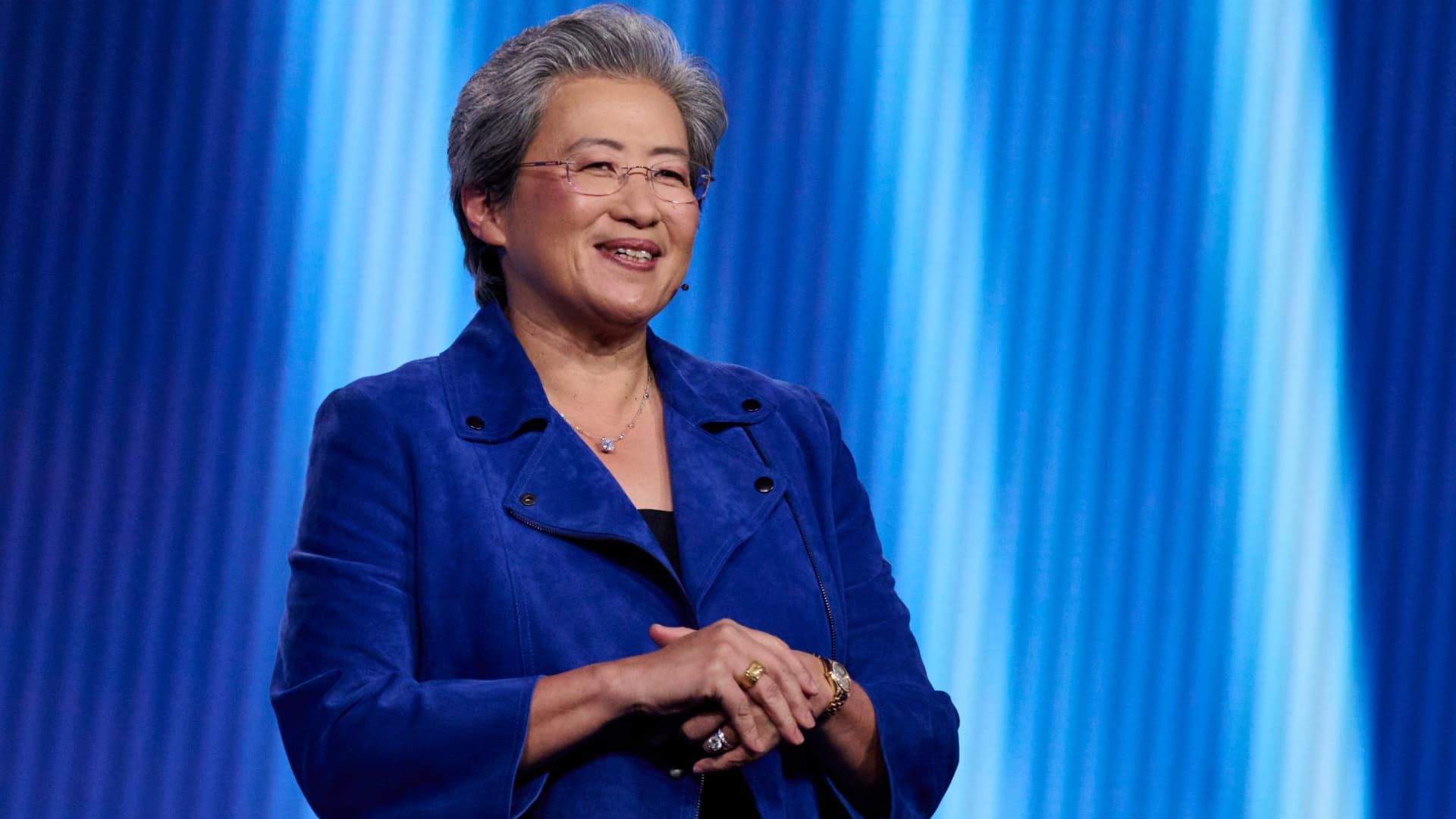
Leading semiconductor firm AMD announced a substantial commitment to Taiwan’s burgeoning AI sector, pledging over $10 billion to advance chip production and performance. This significant AMD AI investment underscores the island nation’s pivotal role in global technology supply chains and sets the stage for intensified competition in the high-stakes artificial intelligence hardware market.
🚀 Tech Strategy & Market Disruptions
- Strategic Foundry Focus. AMD’s capital infusion solidifies Taiwan’s position as the nexus for advanced chip manufacturing, particularly through its collaboration with TSMC, crucial for next-generation AI processors.
- AI Infrastructure Acceleration. The investment targets critical areas like advanced packaging and manufacturing, essential for developing high-performance, efficient AI systems such as AMD’s forthcoming Helios server.
- Intensified Market Rivalry. This move directly challenges Nvidia’s dominance in the AI chip arena, signaling AMD’s aggressive pursuit of market share and innovation-driven growth opportunities.
The substantial capital injection by AMD is not merely a financial transaction; it’s a strategic deepening of its roots within the world’s most critical semiconductor hub. Taiwan, home to industry titan Taiwan Semiconductor Manufacturing Co. (TSMC), is where the most advanced chips for companies like Nvidia and Apple are fabricated. AMD’s decision to allocate more than $10 billion into this ecosystem highlights a global race to secure and enhance production capabilities for the demanding AI sector. This commitment targets key areas of innovation that will dictate the future of computing performance and efficiency.
AMD’s shares have already seen a significant boost this year, doubling amidst robust spending on AI infrastructure. This growth trajectory positions AMD as a formidable contender against Nvidia, which recently reported stellar earnings, largely fueled by its AI dominance. The company’s focus extends beyond mere chip design to encompass the intricate processes of advanced silicon, packaging, and manufacturing technologies, all vital for deploying sophisticated AI systems at scale.
- AMD is leveraging Taiwan’s unparalleled expertise to push the boundaries of chip interconnectivity and performance efficiency.
- Partnerships with local firms like ASE and SPIL are crucial for refining chip packaging, a complex process that bundles multiple integrated circuits into a single package to enhance data transfer and reduce power consumption.
- This collaborative approach aims to accelerate the deployment of AMD’s Helios AI server system, anticipated in the latter half of 2026, marking a significant milestone in their AI roadmap.
By investing heavily in these foundational elements, AMD seeks to optimize every stage from design to deployment. The move also ensures a resilient and high-capacity supply chain, a critical advantage in an era of unpredictable global supply dynamics, especially for emerging technologies.
This significant AMD AI investment initiates a clear disruption flow: substantial capital infusion into Taiwan’s advanced semiconductor ecosystem → accelerated development and production of cutting-edge AI chips and packaging technologies → enhanced performance and efficiency of AMD’s AI server systems like Helios → intensified competition with market leaders like Nvidia → a broader ripple effect across the technology market trends as more advanced and cost-effective AI hardware becomes available, fostering greater innovation across various industries dependent on high-performance computing.
“The essence of advanced AI infrastructure lies not just in raw compute power, but in the seamless integration and high-bandwidth interconnectivity of specialized processors. AMD’s focus on chip packaging and co-design with Taiwanese partners exemplifies a critical architectural shift towards heterogeneous integration, unlocking new frontiers in AI system efficiency and scalability at the silicon level.”
AMD Platform Architecture: Engineering Future AI Performance
AMD’s architectural strategy for its AI initiatives, especially with the Helios server system, centers on a modular and scalable design. This approach allows for flexible integration of various processing units—CPUs, GPUs, and specialized AI accelerators—tailored for different workload demands. The collaboration with Taiwanese manufacturers on advanced packaging technologies, such as Chip-on-Wafer-on-Substrate (CoWoS) or variations, is key to achieving the dense interconnectivity and thermal efficiency required for next-generation AI. This engineering focus is critical for translating raw silicon power into practical, high-performance computing solutions essential for AI training and inference. Understanding the intricacies of these emerging technologies is crucial for those following the industry.
AMD Ecosystem Expansion Potential: Beyond Foundry Partnerships
The $10 billion AMD AI investment extends beyond merely securing foundry capacity; it represents a commitment to cultivate a broader ecosystem for AI innovation. By partnering with companies like Sanmina, Wiwynn, Wistron, and Inventec, AMD is not just manufacturing chips but also ensuring the robust development and deployment of complete server systems. These partners are instrumental in building out the physical infrastructure—from chassis and power delivery to cooling solutions—that will house AMD’s cutting-edge AI silicon. This holistic approach ensures that the advanced capabilities of their chips can be fully realized in scalable and reliable data center environments, expanding AMD’s reach and influence across the global technology supply chain.
AMD’s AI Acceleration: Shaping the Next Wave of Innovation
AMD’s significant investment in Taiwan’s AI and semiconductor sector is a decisive move, designed to fortify its position in the fiercely competitive AI chip market. This strategic capital allocation not only bolsters Taiwan’s manufacturing prowess but also ensures AMD’s access to critical advanced packaging and production capabilities, essential for challenging Nvidia’s lead.
- Secures vital supply chain access for advanced AI chips.
- Accelerates development and deployment of next-gen AI server platforms like Helios.
- Positions AMD for significant market share gains in the rapidly expanding AI hardware industry.
Will this aggressive technology market push truly reconfigure the landscape of AI infrastructure development in the coming years?
📊 StockXpo Analyst’s View
Market Impact: This emerging technologies investment by AMD is likely to be viewed positively by investors, signaling robust growth prospects in the AI sector and a tangible commitment to challenging industry incumbents. Increased competition could pressure margins for some players but ultimately drive innovation and efficiency across the value chain.
Sector To Watch: The semiconductor equipment, advanced packaging, and data center infrastructure sectors will be critical areas to monitor, as demand for high-performance AI components and systems continues its exponential climb, offering educational tech insights on market shifts.
Financial Disclaimer:
StockXpo.com is a financial news aggregator and educational portal, not a registered investment advisor or broker-dealer. All information, news, and analysis provided herein are strictly for educational purposes and do not constitute investment, financial, legal, or tax advice. Investing in the stock market involves high risks, and past performance is not indicative of future results. StockXpo will not be liable for any financial losses or investment damages. Always consult a certified financial advisor before making market decisions.
MORE IN INSIDE TECHNOLOGY
NextDC Shares Plunge: Power Delays Threaten Australia’s Data Center Growth
Published: Wednesday, October 21, 2026 · 1:50 AM

AI Adoption: Germany’s $10 Billion Breakthrough in Industrial AI
Published: Tuesday, October 20, 2026 · 12:39 AM