Published: Thursday, May 21, 2026 · 9:41 AM | Updated: Thursday, May 21, 2026 · 9:41 AM
📊 288 views




The newly announced UK-Gulf trade deal represents a pivotal moment for both economies, promising to unlock significant growth opportunities and enhance macro-stability in a complex global landscape. This agreement is set to reshape trade flows, foster deeper investment, and create new pathways for economic cooperation between the United Kingdom and the six nations of the Gulf Cooperation Council.
📊 Macro-Economic Strategic Insights
- Tariff Liberation. The deal eliminates an estimated £580 million in annual duties, immediately reducing costs for key industries and facilitating greater trade volumes.
- Diversification Catalyst. It provides crucial support for the GCC’s economic diversification away from traditional oil and gas, while offering the UK access to burgeoning markets in services and advanced manufacturing.
- Geopolitical Stability. Beyond economics, the agreement signifies strengthened political ties and a commitment to regional stability amid ongoing geopolitical tensions, reassuring investors.
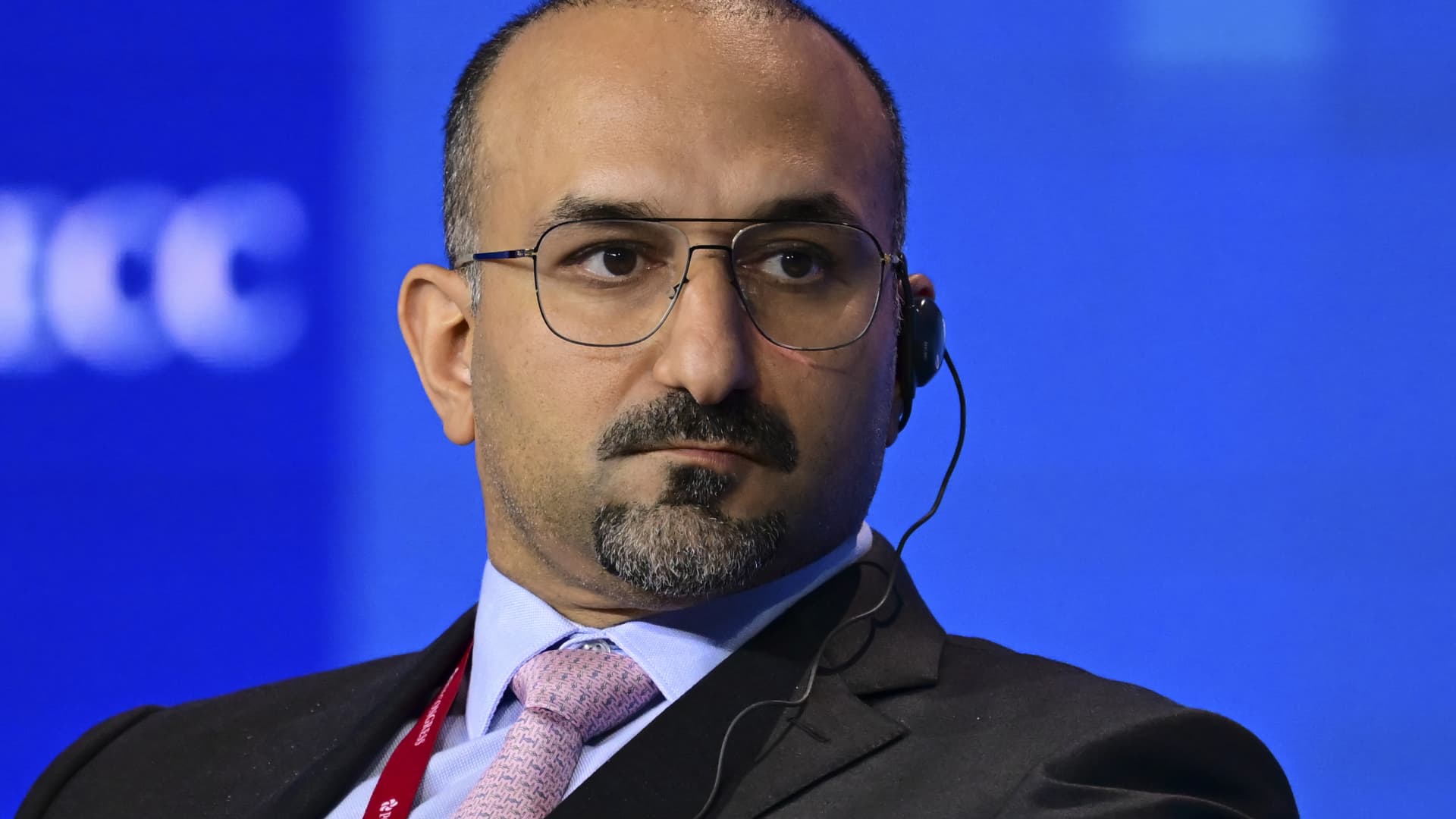
Bahrain’s Minister of Industry and Commerce, Abdulla bin Adel Fakhro, characterized the UK-Gulf trade deal as a ‘monumental achievement,’ highlighting its ‘win-win’ nature for both the United Kingdom and the Gulf Cooperation Council (GCC). This ambitious free trade agreement, recently unveiled, is designed to significantly boost bilateral trade and investment, leveraging the substantial existing economic ties between these regions. With the GCC nations — Bahrain, Kuwait, Oman, Qatar, Saudi Arabia, and the United Arab Emirates — collectively boasting a GDP exceeding $2 trillion and a population of over 57 million, the economic footprint of this deal is considerable.
The agreement is projected to remove approximately £580 million, or $780 million, in annual duties on current UK exports to the GCC once fully implemented. A substantial £360 million of this amount is slated for immediate removal upon the agreement’s entry into force. This immediate tariff elimination targets key sectors, including cars, turbojets, aerospace parts, and specific food products like cheddar cheese and chocolate, providing immediate relief and competitive advantage for British exporters. Tariffs on emerging sectors, such as electric vehicles, will be phased out over a period of five to ten years, allowing for a gradual market adjustment.
For the Gulf states, the deal offers access to the UK’s leading expertise in fintech, services, and advanced manufacturing sectors, fostering collaboration and technological exchange crucial for their economic diversification agendas. Conversely, the UK stands to benefit from enhanced access to the Gulf’s robust petrochemicals industry. This symbiotic relationship underscores the strategic foresight embedded in the agreement, aiming to build resilient supply chains and industrial partnerships. The broader economic context of the region, including geopolitical tensions, only underscores the GCC’s unified focus on accelerating economic growth and maintaining stability. According to Minister Fakhro, the GCC has shown wisdom and restraint, prioritizing stability and continued economic expansion despite external pressures.
- This landmark agreement positions the UK as the first G7 nation to secure a comprehensive trade deal with the GCC, signaling a significant diplomatic and economic coup. The UK’s Department for Business and Trade anticipates an estimated £3.7 billion ($4.9 billion) boost to the British economy annually in the long term, accompanied by potential higher wages and expanded job opportunities. This partnership reinforces the UK’s commitment to its Gulf partners, fostering solidarity and long-term cooperation, as reported by outlets covering global trade policy.
The Ripple Effect: Macro-Economic Consequences
This UK-Gulf trade deal will initiate several macro-economic ripple effects:
- Tariff Reductions → Lower Import Costs → Increased Consumer Spending Power.
- Increased Trade Volume → Higher GDP Growth → Job Creation.
- Diversified Economic Ties → Reduced Reliance on Single Sectors → Enhanced Macro-Stability.
- Streamlined Regulations → Increased Foreign Direct Investment → Capital Inflow & Innovation.
The term ‘free trade agreement’ (FTA) often implies more than just tariff removal; it typically encompasses provisions for intellectual property protection, investment facilitation, dispute resolution mechanisms, and regulatory cooperation. This comprehensive approach aims to create a predictable and favorable business environment, significantly reducing non-tariff barriers and fostering deeper economic integration beyond simple goods exchange, vital for robust systemic growth.
Unpacking the Economic Scale and Expected Impacts
To illustrate the economic scale and anticipated impact:
| Metric | Details | Why it Matters |
|---|---|---|
| GCC Combined GDP | Over $2 Trillion | Indicates the vast economic potential and market size for UK exports and investments. |
| Annual Duty Removal | £580 Million (Estimated) | Direct cost savings for businesses, potentially passed to consumers or reinvested for growth. |
| UK Economy Boost (Long Term) | £3.7 Billion Annually (Estimated) | Signifies the projected positive impact on UK GDP, supporting national economic expansion and prosperity. |
Regional Trends: A Stronger GCC Bloc Emerges
The signing of this UK-Gulf trade deal reinforces a discernible trend towards increased unity and economic integration within the GCC itself. Despite a challenging geopolitical environment, including ongoing tensions in the broader Middle East, the GCC member states have consistently demonstrated a commitment to collective economic development and diversification. This internal cohesion, bolstered by external partnerships like the FTA with the UK, positions the bloc as a more stable and attractive destination for global capital. The focus on strengthening industrial manufacturing, enhancing supply chains, and broadening their economic base reduces their vulnerability to commodity price fluctuations and regional conflicts, contributing directly to long-term macro-stability. Examining broader global trends offers valuable insights for investors interested in emerging markets and regional resilience.
UK Policy Commentary: A Post-Brexit Trade Triumph?
For the United Kingdom, this agreement is more than just an economic boon; it represents a significant validation of its post-Brexit independent trade policy strategy. Becoming the first G7 country to finalize such a comprehensive deal with the GCC underscores the UK’s agility in forging new global economic alliances. This move also serves as a timely political victory for Prime Minister Keir Starmer, offering a positive narrative amidst domestic economic pressures and leadership challenges. The government’s emphasis on ‘solidarity and long-term cooperation’ highlights a deliberate pivot towards strengthening partnerships with fast-growing economies, which could be a blueprint for future trade negotiations and an indicator of evolving global strategies for global investment analysis.
The Enduring Significance of the UK-Gulf Trade Deal
The comprehensive UK-Gulf trade deal is poised to significantly impact both economies, driving growth through reduced trade barriers and diversified cooperation. It underscores a strategic move by the UK to cement new economic partnerships and by the GCC to accelerate diversification and reinforce regional stability.
- Boosted Bilateral Investment: Expect a surge in cross-border capital flows, particularly in technology, services, and energy sectors.
- Enhanced Supply Chain Resilience: The agreement will foster more robust and diversified supply chains for critical goods and components.
- Political Reaffirmation: Beyond economics, the deal solidifies strategic alliances and mutual trust between the UK and the Gulf states.
How will this landmark agreement redefine global trade relationships in a rapidly evolving geopolitical landscape?
📊 StockXpo Analyst’s View
Market Impact: This deal injects a clear positive sentiment, particularly for UK-listed companies with significant Gulf exposure, and for those in services, advanced manufacturing, and defense. It suggests a potential increase in market liquidity in specific sectors as investment opportunities expand.
Sector To Watch: Investors should closely monitor the aerospace, fintech, and renewable energy sectors within both regions. These industries are explicitly targeted for collaboration and tariff reduction, setting them up for accelerated growth and increased foreign direct investment. Learn more about these opportunities on our stock markets analysis platform.
Financial Disclaimer:
StockXpo.com is a financial news aggregator and educational portal, not a registered investment advisor or broker-dealer. All information, news, and analysis provided herein are strictly for educational purposes and do not constitute investment, financial, legal, or tax advice. Investing in the stock market involves high risks, and past performance is not indicative of future results. StockXpo will not be liable for any financial losses or investment damages. Always consult a certified financial advisor before making market decisions.
MORE IN INSIDE ECONOMY

UK Inflation Jumps to 3.5%: Cementing Rate Hike Expectations
Published: Wednesday, October 21, 2026 · 2:51 AM

Housing Market Flashes Warning Signs Amid Fed Rate Hikes
Published: Tuesday, October 20, 2026 · 2:17 PM