Published: Thursday, May 21, 2026 · 8:08 AM | Updated: Thursday, May 21, 2026 · 8:08 AM
📊 298 views




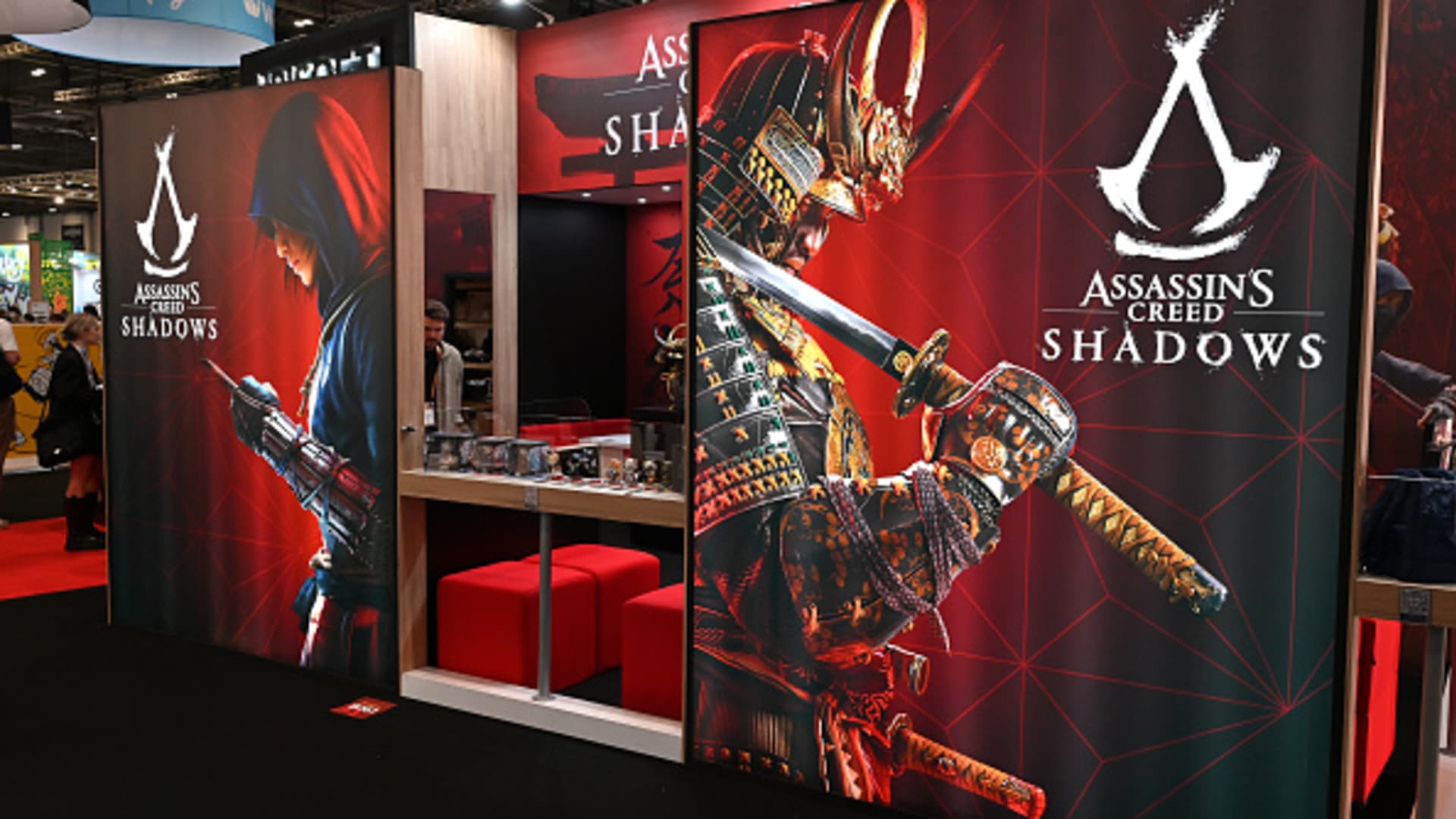
Gaming giant Ubisoft (UBI-FR) saw its shares plummet by 16% on Thursday, marking another significant setback for the ‘Assassin’s Creed’ publisher. This sharp decline follows a grim warning from the company regarding an anticipated annual profit loss, signaling deeper challenges ahead for its financial trajectory and market standing.
💎 Strategic Investment & Portfolio Insights
- Near-Term Headwinds Expected. Ubisoft anticipates a ‘low point in free cash flow’ and a ‘softer release slate,’ indicating a challenging 12-24 month period for the company.
- Long-Term Turnaround Strategy. CEO Yves Guillemot is pursuing a ‘two-year transformation’ aimed at sustainable free cash flow, suggesting a potential recovery but with significant execution risk.
- Impact on Gaming Sector Portfolios. Investors holding concentrated positions in gaming stocks should assess broader industry trends and the competitive landscape, as even major players face volatility.
The recent steep drop in Ubisoft shares underscores ongoing difficulties for the French video game developer, which has been grappling with stock price declines since the post-Covid era. Following an earlier 34% fall in January after a major restructuring announcement, the latest warning about an annual profit loss has intensified investor concerns regarding the company’s operational efficiency and future growth prospects. CEO and Cofounder Yves Guillemot stated that the upcoming financial year represents a ‘low point in our free cash flow trajectory along with a softer release slate and restructuring costs.’ This candid assessment highlights that the company’s turnaround efforts are still in their early and most painful stages.
Ubisoft’s struggles are not isolated; the broader gaming industry has seen shifts in consumer spending and development cycles. However, the consistent underperformance of Ubisoft compared to some of its peers suggests deeper structural issues, including game delays and a perceived lack of innovative new IP compared to past successes. The company’s heavy reliance on established franchises like ‘Assassin’s Creed’ while trying to manage large-scale development costs has put a strain on its financials. This situation requires careful analysis when considering long-term growth investments in the sector.
Key factors contributing to the current outlook include:
- Restructuring Costs: Ongoing expenses related to organizational changes are weighing on profitability.
- Softer Release Slate: A less robust pipeline of new games means lower revenue potential in the near future.
- Free Cash Flow Pressure: The expectation of a ‘low point’ in free cash flow indicates reduced financial flexibility for future investments or shareholder returns.
Guillemot remains confident that these ‘difficult decisions’ will eventually position Ubisoft for ‘sustainable free cash flow over time,’ suggesting a strategic patience is required for any investor looking at the stock.
The profound decline in Ubisoft’s market value impacts portfolio positioning in several ways. Specifically, the announced profit loss and projected weak free cash flow trajectory could trigger a revaluation of gaming assets across diversified portfolios. This development signals a potential shift where investors may opt to rebalance away from companies facing significant near-term operational challenges towards more stable or diversified entertainment holdings. For actively managed funds, this could mean an immediate reassessment of exposure to publishers with similar reliance on blockbuster cycles and a push towards firms demonstrating consistent IP innovation or subscription-based models. This policy change could prompt broader market analysis of the entire interactive entertainment landscape.
“The market’s reaction to Ubisoft’s profit warning is a stark reminder that even established players in dynamic sectors like gaming are vulnerable to execution missteps and prolonged development cycles. For CIOs, this isn’t merely about UBI-FR; it’s a signal to rigorously stress-test assumptions around cyclical industries and the intrinsic value of content libraries when evaluating portfolio diversification and alpha generation potential.”
Understanding Ubisoft’s Recent Share Performance
Ubisoft’s stock has experienced significant volatility, reflecting broader investor anxiety. Here’s a look at the recent share price movements and their implications:
| Metric | Value | Significance for Investors |
|---|---|---|
| Shares Plunge (Thursday) | 16% | Indicates immediate and severe market disapproval of the latest financial warning. |
| Year-to-Date Decline | ~38% | Reflects prolonged underperformance and persistent headwinds throughout the year. |
| January Drop (Restructuring) | 34% | Shows investor skepticism even prior to the recent profit warning, suggesting deeper, systemic issues. |
Ubisoft Expert Commentary: Navigating the Core Gaming Market
Ubisoft’s position in the core gaming market is increasingly precarious. While its flagship titles like ‘Assassin’s Creed’ and ‘Far Cry’ maintain a loyal following, the company has struggled to consistently deliver new, compelling experiences that capture broader market enthusiasm or expand its player base significantly. The trend towards live-service games and battle royales, while embraced by some competitors, has not fully yielded the desired financial stability for Ubisoft. Furthermore, the rising cost of game development, coupled with extended development cycles, means that each release carries substantial financial risk.
Industry observers have noted that success in the current climate demands not just quality, but also effective community engagement and monetisation strategies. For more educational market insights, visit StockXpo’s blog.
Ubisoft Risk-Reward Matrix: A Delicate Balance for Alpha Generation
For investors considering Ubisoft, the risk-reward profile has become particularly complex. On the risk side, the company faces significant execution challenges, potential further game delays, and intense competition from well-capitalized rivals like Electronic Arts, Activision Blizzard (now part of Microsoft), and Take-Two Interactive. Its ability to generate sustainable free cash flow hinges on a successful transformation, which is inherently risky given its recent track record. A positive turnaround could unlock significant value from its strong IP portfolio. However, the path is fraught with potential pitfalls.
The reward hinges on the successful delivery of upcoming titles and the effective implementation of its restructuring. If Ubisoft can streamline operations, reduce costs, and reinvigorate its creative pipeline, there is considerable upside potential from its currently depressed valuation. However, this is largely speculative at present, and requires a high degree of confidence in management’s ability to navigate a challenging environment, as reported by major financial news outlets.
Ubisoft’s Future Trajectory: Can a Transformation Drive Value?
Ubisoft’s latest financial warning cements a period of intense pressure and strategic overhaul for the gaming publisher. While management expresses confidence in a long-term turnaround, the immediate future points to continued financial softness and operational restructuring costs. Investors must weigh the potential for a recovery, driven by its valuable intellectual property, against the significant execution risks and a highly competitive market.
- Near-term caution: Expect continued volatility and pressure on financials as the “low point” unfolds.
- Strategic patience: Any investment in Ubisoft now requires a long-term view, betting on the success of its two-year transformation plan.
- IP potential: The value of franchises like ‘Assassin’s Creed’ could be unlocked if the company successfully revitalizes its development and release strategy.
Will Ubisoft’s ambitious transformation truly pave the way for sustainable free cash flow, or will ongoing challenges continue to overshadow its intrinsic value?
📊 StockXpo Analyst’s View
Market Impact: This news from Ubisoft is likely to deepen investor skepticism across the broader gaming industry, particularly for companies reliant on cyclical blockbuster releases rather than diversified revenue streams. It could lead to a flight to quality, where investors favor companies with stronger balance sheets, more predictable cash flows, or innovative business models. Market liquidity for mid-cap gaming publishers might also tighten as risk appetite diminishes.
Sector To Watch: The cloud gaming and subscription service sectors, which offer more recurring revenue models, may appear relatively more attractive. Additionally, companies with strong mobile gaming portfolios or diversified digital distribution platforms could gain favor as investors seek resilience against traditional development cycle risks, as often highlighted by business news sources.
Financial Disclaimer:
StockXpo.com is a financial news aggregator and educational portal, not a registered investment advisor or broker-dealer. All information, news, and analysis provided herein are strictly for educational purposes and do not constitute investment, financial, legal, or tax advice. Investing in the stock market involves high risks, and past performance is not indicative of future results. StockXpo will not be liable for any financial losses or investment damages. Always consult a certified financial advisor before making market decisions.
MORE IN INSIDE INVESTMENT NEWS
Carrefour Shares Plunge 14%: Navigating European Retail Volatility
Published: Wednesday, October 21, 2026 · 6:29 AM
Netflix Earnings: Alpha Bet on Streaming’s Rebound?
Published: Tuesday, October 20, 2026 · 12:45 PM