
Published: Wednesday, May 20, 2026 · 6:40 AM | Updated: Wednesday, May 20, 2026 · 6:40 AM
📊 214 views




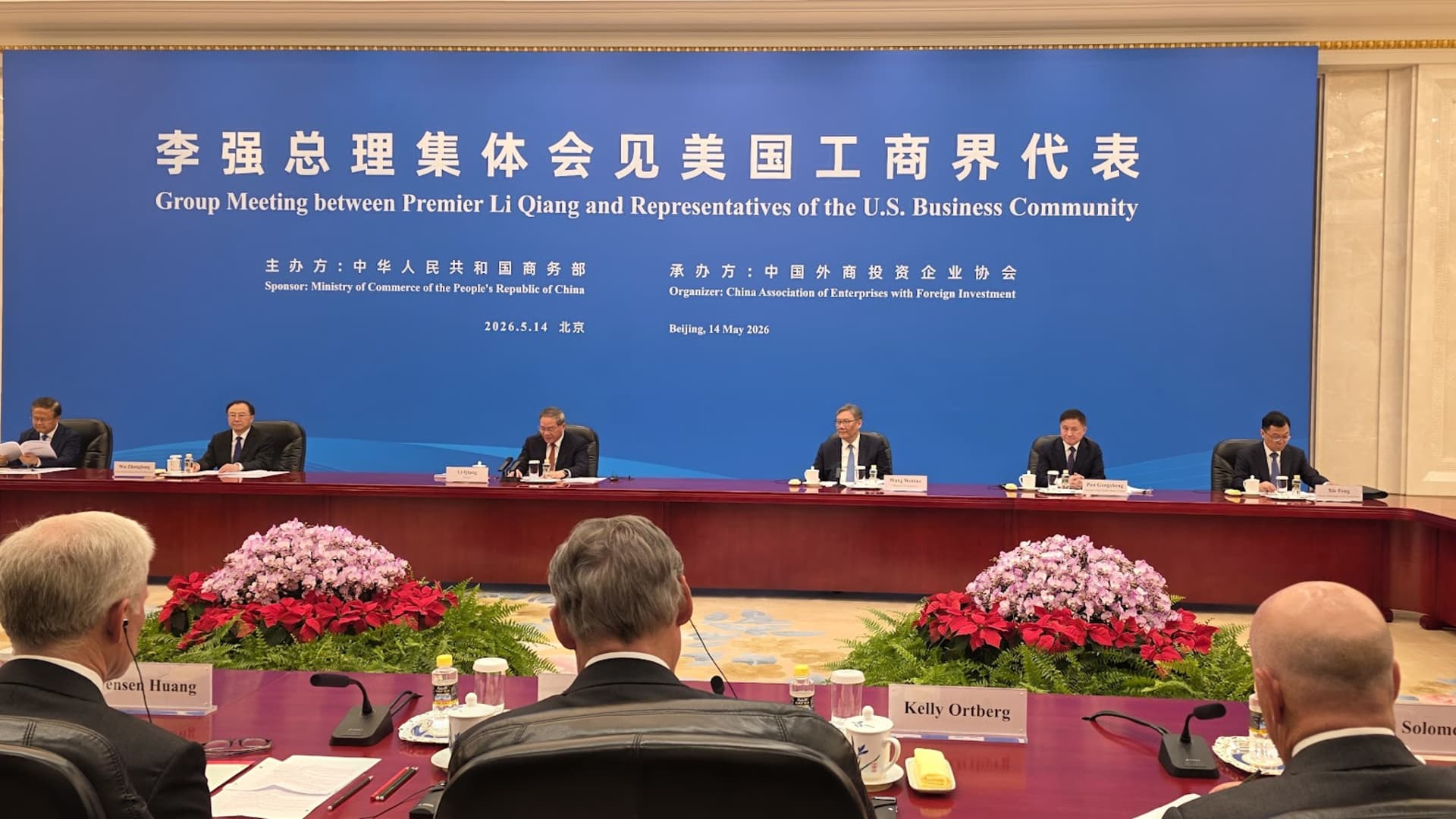
China’s Commerce Ministry has officially sanctioned a significant purchase of 200 Boeing aircraft, alongside associated engines and spare parts, marking a notable thawing in U.S.-China trade relations within a crucial sector. This development underscores aviation as a key avenue for deepening cooperation between the two global economic powers, despite the order falling below some initial analyst expectations.
💰 Financial Strategy & Market Insights
- Trade Thaw in Aviation. China’s first major Boeing aircraft order since 2017 signals a potential easing of trade tensions, focusing on a commercially vital sector.
- Demand Sustains Boeing. Despite the order size, ongoing high demand and a waiting list suggest Boeing is poised for additional Chinese orders, strengthening its market position.
- Strategic US-China Cooperation. Both nations identify aviation as a pivotal area for collaboration, offering a framework for future economic engagement beyond political differences.
The confirmation of the 200 Boeing aircraft order by China’s Commerce Ministry represents a tangible step towards re-establishing robust commercial ties, particularly in the high-value aerospace industry. This deal, encompassing aircraft, engines, and spare parts, comes after a prolonged hiatus in major Chinese procurements from the U.S. planemaker, with the last significant order dating back to 2017. While the initial figure of 200 planes was less than half of what some global markets data indicated analysts had projected, its symbolic weight in fostering bilateral cooperation cannot be understated, particularly following high-level discussions between President Donald Trump and President Xi.
Washington state officials, home to a significant portion of Boeing’s commercial aircraft manufacturing, have expressed optimism about the future. Andrea Chartock, assistant director at the Washington State Department of Commerce, noted that Boeing’s substantial demand and existing waitlist make additional orders from Chinese airlines a logical progression. This perspective is bolstered by China’s civil aviation regulator recently meeting with Boeing CEO Kelly Orthberg, who was part of the U.S. presidential delegation. The state’s deep industrial ecosystem, spanning suppliers from space to satellites, directly benefits from such large-scale aerospace contracts.
- The confirmed Boeing aircraft order injects a fresh wave of business into the U.S. aerospace sector, positively impacting numerous suppliers and manufacturers.
- It also highlights China’s ongoing demand for modern aviation fleets to support its rapidly expanding air transport development.
- The transaction serves as a practical demonstration of ‘commercial principles’ driving cross-border economic activity, as emphasized by the Chinese Commerce Ministry.
What are the Risks and Rewards of This Deal?
- Upside:
- Enhanced Bilateral Trust: A successful execution of this Boeing aircraft order could pave the way for broader trade agreements and ease tensions in other sectors.
- Boeing’s Backlog & Valuation: Secures significant revenue, potentially improving investor sentiment and asset valuation for Boeing amidst competitive pressures.
- Supply Chain Boost: Provides stability and growth opportunities for the extensive U.S. aerospace supply chain, from raw materials to advanced components.
- Downside Risks:
- Geopolitical Volatility: Future political disagreements or trade disputes could still disrupt subsequent orders or contract fulfillment, impacting long-term stability.
- Market Expectations: If future orders don’t materialize as anticipated by state officials, market sentiment could sour, affecting Boeing’s stock performance.
- Competitive Landscape: Increased competition from Airbus or indigenous Chinese manufacturers could limit Boeing’s market share growth in China over the long term, despite this order.
“The aviation sector acts as a crucial barometer for global trade relations. A substantial Boeing aircraft order from China signals a willingness from both sides to compartmentalize political differences and focus on mutually beneficial commercial endeavors, providing a liquidity injection into the aerospace market and stabilizing supply chain expectations.”
Key Metrics and Developments
- Aircraft Quantity: 200 Boeing planes confirmed for purchase.
- Last Major Order: Prior to this, 2017 marked the last significant Chinese order for Boeing aircraft.
- Industry Impact: Directly benefits Seattle-based manufacturing and a wide network of Washington state suppliers, as Reuters reported.
Boeing’s Market Sentiment Tracker: Shifting Winds?
Market sentiment around Boeing (BA) has historically been highly sensitive to international trade relations and large-scale orders. This latest development with China is likely to inject a dose of positive sentiment, particularly regarding the company’s ability to navigate complex geopolitical landscapes. Investors will be closely watching for any further cues on future orders or expansions, which could significantly influence the stock’s trajectory. The perception of a stable, long-term relationship with a critical market like China is paramount for its asset valuation and broader market analysis. This positive news could encourage greater confidence among institutional investors looking at the aerospace sector’s recovery and growth potential.
Aviation Sector Historical Benchmarking: A Return to Form?
For years, the U.S. aerospace industry has benchmarked its performance against a robust global order book, with China being a cornerstone client. The period since 2017 saw a significant deviation from this norm, impacting projections and future liquidity forecasts. This new Boeing aircraft order signifies a potential return to more historical purchasing patterns, where China consistently contributed a substantial portion of Boeing’s international sales. This move allows for better long-term planning and capital allocation within the broader financial sector, enabling suppliers to scale operations with more certainty compared to the recent volatile environment. Such sustained demand allows companies to better manage capital expenditure and maintain healthy cash flows.
Boeing Aircraft Order: A Pivotal Moment for US-China Trade
This confirmed Boeing aircraft order from China, while not reaching peak analyst expectations, marks a pivotal moment in the often-turbuous U.S.-China economic relationship. It serves as a concrete indicator of pragmatic cooperation in a strategically vital industry, potentially setting a precedent for engagement in other sectors.
- The deal reinforces the commercial imperative driving bilateral ties, superseding some political frictions.
- It provides a much-needed boost to Boeing’s order book and its extensive U.S. supply chain, offering valuable educational financial insights into trade dynamics.
- Future orders hinge on the continued political will and commercial needs of both nations.
Will this renewed aviation cooperation truly stabilize the broader U.S.-China trade landscape for the long haul?
📊 StockXpo Analyst’s View
Market Impact: This Boeing aircraft order is a clear liquidity positive for the aerospace supply chain, signaling a potential uplift in investor sentiment for industrials. While not a blockbuster, it demonstrates a diplomatic pathway for commercial activity, possibly reducing risk premiums associated with U.S.-China trade.
Sector To Watch: The Aerospace & Defense sector will be under the spotlight. Beyond Boeing, look for ripple effects in aircraft component manufacturers, aviation software providers, and logistics firms. This could also indirectly benefit raw material suppliers for aircraft construction.
Financial Disclaimer:
StockXpo.com is a financial news aggregator and educational portal, not a registered investment advisor or broker-dealer. All information, news, and analysis provided herein are strictly for educational purposes and do not constitute investment, financial, legal, or tax advice. Investing in the stock market involves high risks, and past performance is not indicative of future results. StockXpo will not be liable for any financial losses or investment damages. Always consult a certified financial advisor before making market decisions.
MORE IN INSIDE FINANCE

Berkshire Hathaway Investments: A Strategic Shift Towards Tech and Housing
Published: Friday, August 14, 2026 · 5:12 PM

NAND Memory Chips: YMTC’s Surge Signals Major Capital Shifts
Published: Thursday, August 13, 2026 · 12:57 AM


