
Published: Wednesday, May 20, 2026 · 6:09 AM | Updated: Wednesday, May 20, 2026 · 6:09 AM
📊 280 views




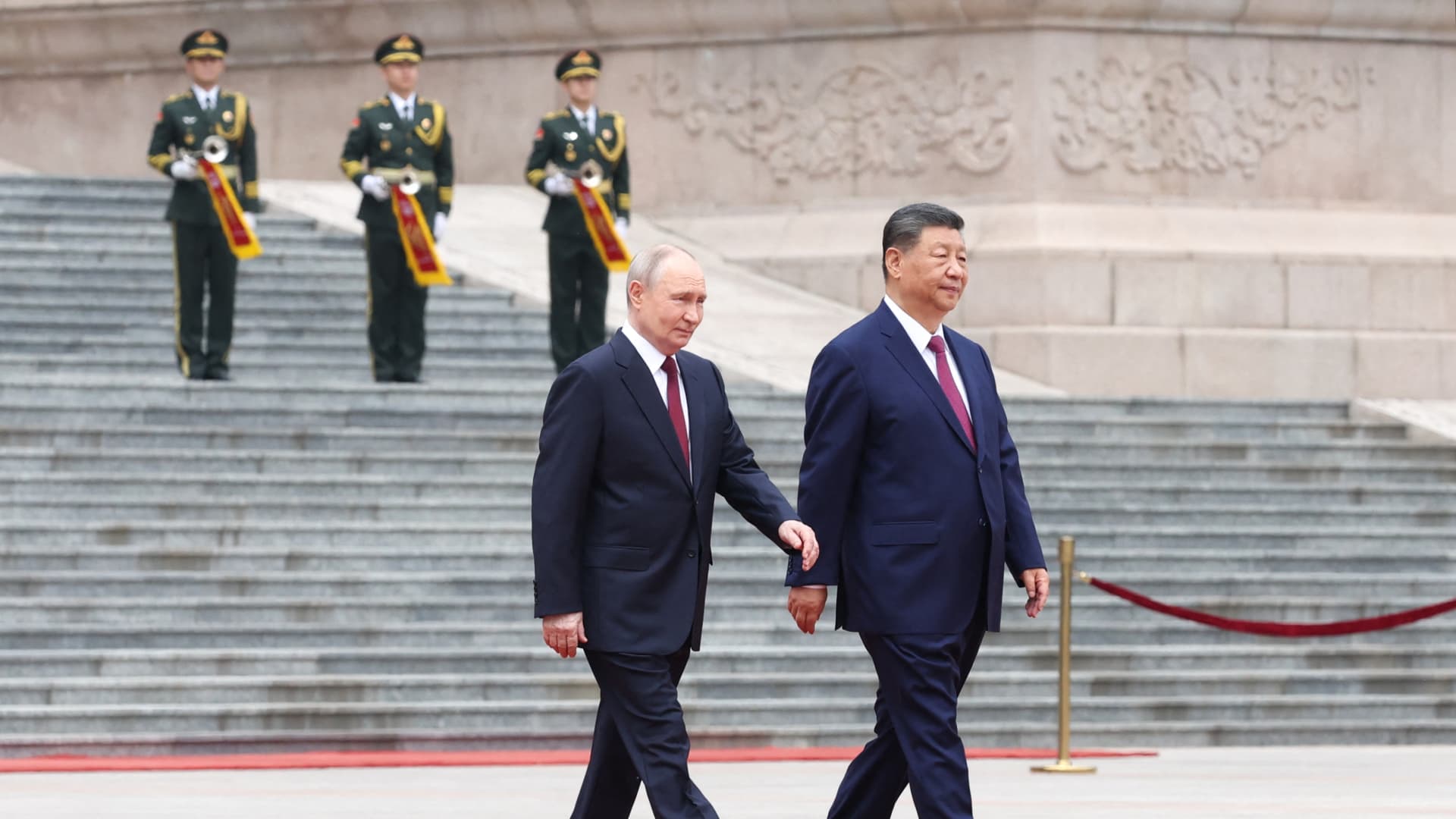
Russian President Vladimir Putin’s visit to Beijing has reignited discussions on the Power of Siberia 2 Russian gas pipeline, a project that could fundamentally reshape global energy flows. Amid escalating tensions in the Middle East and a critical energy shortage for China, this development signals a significant pivot towards enhanced energy co-dependency between two major global powers. The implications extend far beyond bilateral trade, impacting international energy security and geopolitical alignments.
📊 Macro-Economic Strategic Insights
- Geopolitical Energy Shift. The potential revival of Power of Siberia 2 signals Russia’s deepening energy pivot to Asia following European sanctions, creating a new energy axis with China.
- China’s Energy Security Dilemma. The Strait of Hormuz closure highlights Beijing’s vulnerability to maritime chokepoints, making an overland Russian gas pipeline increasingly attractive despite dependency risks.
- Pricing and Dependency Hurdles. Significant disagreements on gas pricing and the inherent risks of co-dependency for both nations remain key obstacles to finalizing the ambitious Power of Siberia 2 project.
The recent talks between Russian President Vladimir Putin and Chinese leader Xi Jinping in Beijing have brought the long-stalled Power of Siberia 2 natural gas pipeline back into sharp focus. This proposed 2,600-kilometer pipeline, designed to transport 50 billion cubic meters of gas annually from Russia’s Yamal fields, aims to reach China via Mongolia. The renewed urgency surrounding this project comes as the U.S.-Iran conflict has severely disrupted global energy supplies, particularly impacting China’s crucial maritime routes.
While a legally binding memorandum to advance construction was signed in September 2025, crucial terms like pricing, financing, and delivery timelines are still unresolved. Beijing is reportedly pushing for prices mirroring Russia’s domestic rate, estimated around $120-130 per 1,000 cubic meters, a figure Moscow is unlikely to accept given its current export rates for the existing Power of Siberia 1, which analysts suggest are more than double this amount. This pricing disparity represents a significant hurdle in negotiations.
China’s energy demand remains robust, with official customs data showing a 35% year-over-year jump in Russian oil imports during the first quarter. The existing Power of Siberia 1 system already supplies approximately 38 billion cubic meters of gas annually to China, with plans for further capacity expansion. The strategic importance of an additional overland pipeline cannot be overstated for China, as the closure of the Strait of Hormuz has jeopardized half of its oil imports and nearly a third of its LNG supply.
Despite these incentives, analysts like Muyu Xu, a senior oil analyst at Kpler, suggest that Beijing’s negotiating stance may not drastically shift. China currently holds substantial onshore crude inventory, sufficient for approximately 92 days of refining needs, totaling around 1.23 billion barrels. Furthermore, its domestic gas output increased by 2.7% in the first four months of the year, supplemented by supplies from other Central Asian pipelines, providing some buffer against immediate energy shocks.
For Moscow, the Power of Siberia 2 pipeline represents a critical redirection of energy exports after its gas shipments to Europe plummeted by 44% last year, reaching their lowest levels in decades, following the 2022 invasion of Ukraine. However, this move also creates a dangerous over-reliance on a single customer. Michael Feller, chief strategist at Geopolitical Strategy, notes that while China would gain alternative supply routes, it would trade maritime vulnerability for increased dependence on Russian-controlled energy, creating a complex web of co-dependency for both nations.
- The proposed pipeline aims to deliver 50 billion cubic meters of gas annually to China.
- China’s reliance on Russian energy has grown, with a 35% increase in oil imports from Russia in Q1.
- The project faces significant challenges, notably divergent pricing expectations between Moscow and Beijing.
The Ripple Effect on Global Energy Stability
The geopolitical landscape is increasingly dictating global energy flows, with clear cause-and-effect chains:
- Iran War Escalation → Closure of Strait of Hormuz → Disruption of China’s Oil (50%) & LNG (33%) Imports.
- China’s Energy Insecurity → Increased Urgency for Overland Pipelines → Renewed Focus on Russian gas pipeline (Power of Siberia 2).
- Russia’s Reduced European Gas Sales → Greater Incentive to Secure Asian Markets → Potential for Over-Reliance on China.
- Bilateral Energy Co-dependency → Deeper Geopolitical Alignment → Increased Difficulty for International Sanctions or Diplomatic Pressure.
“Energy diversification is often lauded as a cornerstone of national security, yet the Power of Siberia 2 deal showcases the complex trade-offs involved. For China, it’s a strategic move to de-risk maritime supply lines, but it simultaneously introduces a new vector of single-source dependence. This strategic shift will likely be closely watched by those looking for long-term economic stability and geopolitical realignments.” – StockXpo Lead Economist.
Key Metrics Shaping Energy Diplomacy
To underscore the scale of current energy shifts:
- Russia’s Q1 Oil Exports to China (YOY): +35%. This surge highlights China’s increasing reliance on Russian crude as it seeks stable, accessible energy sources amid global uncertainties.
- China’s Domestic Gas Output (First 4 Months): +2.7%. While modest, this growth provides some internal capacity, reducing absolute dependence on external supplies for a stable economy.
- Russia’s Gas Exports to Europe (Last Year): -44%. The drastic decline since 2022 underscores Russia’s urgent need for new markets, making the Power of Siberia 2 project strategically vital for Moscow’s energy revenue.
- China’s Crude Oil Inventory: ~1.23 billion barrels. Equivalent to approximately 92 days of refining needs, this buffer provides China with significant short-term energy security, influencing its negotiating leverage.
China’s Energy Security Imperative
China’s drive for energy security is a long-standing national priority, exacerbated by recent geopolitical events. The reliance on maritime routes, particularly through critical chokepoints like the Strait of Hormuz, has always been a strategic vulnerability. The current disruptions have intensified Beijing’s focus on diversifying its energy import pathways, with overland pipelines offering a seemingly more secure alternative. This quest for resilience underpins China’s willingness to engage in complex negotiations for the Power of Siberia 2, even with inherent pricing and dependency challenges. It’s a calculated move to insulate its economic growth from external maritime threats.
Geopolitical Implications for Global Energy
The deepening energy partnership between Russia and China via the Russian gas pipeline project carries profound implications for global energy markets and geopolitical stability. A fully operational Power of Siberia 2 would not only solidify an Eastward energy pivot for Russia but also create a powerful economic bloc capable of challenging traditional Western energy dominance. For global investment analysis and future stock markets, this emerging energy axis suggests potential shifts in supply chains, commodity pricing, and the long-term viability of current energy sanctions regimes. It reshapes the competitive landscape for other energy exporters.
The Russian Gas Pipeline’s Enduring Market Influence
The renewed discussions around the Power of Siberia 2 project underscore a significant recalibration in global energy geopolitics. While fraught with commercial and strategic complexities, its potential realization signals a new era of co-dependency between Russia and China, driven by mutual economic and security imperatives.
- The project offers Russia a crucial alternative market to Europe, diversifying its export destinations.
- For China, it provides a vital overland route to enhance energy security, bypassing vulnerable maritime chokepoints.
- Pricing disagreements and the risks of single-customer dependence remain critical challenges for both nations.
Can the world accommodate a re-aligned energy order, or will the costs of co-dependency prove too great for global stability?
📊 StockXpo Analyst’s View
Market Impact: This pipeline discussion, particularly against the backdrop of Middle East instability, injects significant uncertainty into global energy markets. While immediate price spikes might be muted by China’s existing inventories, the long-term shift towards an Eastern energy axis could suppress European gas prices but elevate Asian benchmarks, affecting trade balances and regional inflation. Investor sentiment will be driven by progress on pricing, as a definitive deal could trigger a reallocation of capital within energy infrastructure.
Sector To Watch: The Energy sector, specifically pipeline infrastructure and natural gas producers, stands to gain from any concrete progress on the Power of Siberia 2. Companies involved in pipeline construction, engineering, and gas liquefaction might see increased opportunities. Conversely, shipping and maritime logistics firms could face long-term headwinds if overland routes gain prominence. Additionally, companies focused on sustainable energy investments may see their value proposition strengthened as traditional energy supply chains face new forms of geopolitical risk.
Financial Disclaimer:
StockXpo.com is a financial news aggregator and educational portal, not a registered investment advisor or broker-dealer. All information, news, and analysis provided herein are strictly for educational purposes and do not constitute investment, financial, legal, or tax advice. Investing in the stock market involves high risks, and past performance is not indicative of future results. StockXpo will not be liable for any financial losses or investment damages. Always consult a certified financial advisor before making market decisions.
MORE IN INSIDE ECONOMY

Fed Rate Hikes: December Surge Expected Amid Stubborn Inflation
Published: Tuesday, October 27, 2026 · 7:34 AM

2 Trillion Deficit: A Looming Challenge for U.S. Macro-Stability
Published: Monday, October 26, 2026 · 4:27 PM


