Published: Wednesday, May 20, 2026 · 10:42 AM | Updated: Wednesday, May 20, 2026 · 10:42 AM
📊 275 views




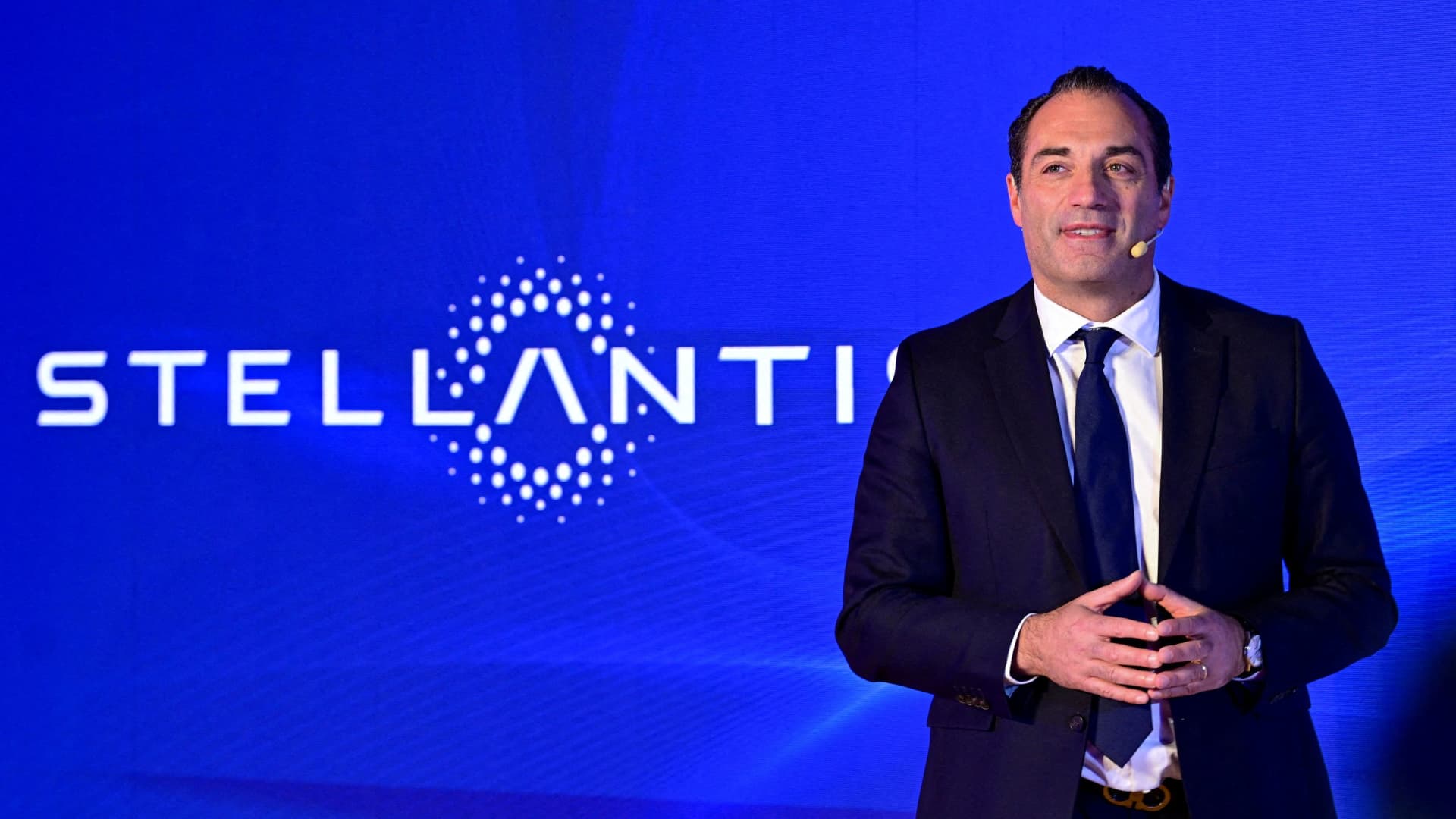
Detroit’s automotive landscape is bracing for a pivotal moment as Stellantis CEO Antonio Filosa prepares to unveil his comprehensive Stellantis Turnaround Plan. This critical strategic overhaul comes amidst significant stock underperformance and aims to redefine the company’s operational efficiency and market leadership in a rapidly evolving global industry.
🗝️ Corporate Strategy Insights
- Leadership Under Pressure. CEO Antonio Filosa faces a skeptical market after Stellantis stock significantly lagged since his appointment, signaling urgent need for strategic shifts.
- Regional Brand Focus. The new plan emphasizes streamlining operations around key regional powerhouses like Jeep and Ram in the U.S., and Fiat and Peugeot in Europe.
- Cost Reduction Mandate. A global ‘Value Creation Program’ is central to restoring profitability, aiming for ambitious targets in North America and Europe to counter recent financial losses.
Since his appointment nearly a year ago, Stellantis CEO Antonio Filosa has witnessed the company’s stock decline by almost 30%, intensifying pressure on his leadership. Filosa, a long-time company veteran, is poised to present his comprehensive Stellantis Turnaround Plan during a capital markets day in Detroit, promising investors ‘clear priorities, clear targets, and a focused road map for execution.’ The strategy is crucial for restoring investor confidence and addressing the company’s recent net loss of 22.3 billion euros ($26.3 billion) from its 2025 financial year, largely attributed to restructuring costs away from an all-electric vehicle strategy.
The core of the upcoming strategy hinges on a dual approach: optimizing its extensive brand portfolio and aggressively reducing costs. Regionally, the plan will sharpen its focus on high-performing brands such as Jeep and Ram in North America, while bolstering Fiat and Peugeot’s positions in Europe. This targeted investment strategy aims to allocate capital more efficiently across its 14 brands, acknowledging that not all require equal resources. Filosa has explicitly stated that ‘the real point is to combine efficient capital allocation with brand-specific strategies,’ suggesting a potential refocus or even shrinking of certain underperforming brands like Chrysler or Alfa Romeo in specific markets.
Beyond brand optimization, a global cost-cutting initiative, termed the ‘Value Creation Program,’ is expected to be a cornerstone. Filosa has labeled 2026 as the ‘year of execution,’ emphasizing sales growth and profit enhancement through operational efficiencies. This commitment extends to forging strategic partnerships with Chinese automakers like Leapmotor and Dongfeng Group, which are seen as pivotal for growth outside the U.S. While initial restructuring efforts under Filosa showed some positive impact on first-quarter results, analysts like BofA Securities’ Horst Schneider caution that these improvements ‘did not prove a sustainable turnaround,’ leading to a downgrade to underperform. Despite this skepticism, the average analyst rating compiled by FactSet indicates an overweight consensus ahead of the investor event, reflecting a cautious optimism among broader market participants seeking clarity on the automaker’s future path.
Key aspects of the anticipated plan include:
- Prioritizing Core Brands: Directing resources to top performers like Jeep and Ram, while re-evaluating the investment in others.
- Global Cost Efficiency: Implementing the Value Creation Program with ‘ambitious’ targets, particularly in North America and Europe.
- Strategic Alliances: Leveraging partnerships with Chinese manufacturers to expand market reach and product offerings globally.
This concerted effort is designed to reverse years of market share declines that occurred under former CEO Carlos Tavares and firmly establish Stellantis as a growth-oriented company, crucial for corporate growth.
Strategic Ripple Effect: What Competitors Should Watch
The impending Stellantis Turnaround Plan is poised to send ripples across the global automotive sector. A successful reorientation towards core regional brands and rigorous cost-cutting could lead to increased operational efficiency, potentially bolstering Stellantis’s profitability and cash flow. This, in turn, could enable more aggressive investment in targeted product development, especially within its lucrative segments like performance vehicles (SRT) and robust truck lines (Ram), drawing significant attention from competitors.
For rivals like Ford and General Motors, Stellantis’s renewed focus on North American strongholds could intensify competition in the highly profitable truck and SUV segments. In Europe, a stronger Peugeot and Fiat could challenge Volkswagen and Renault’s market share. Moreover, Stellantis’s strategic pivot away from an aggressive all-EV stance, coupled with its partnerships with Chinese EV makers, could influence other legacy automakers’ electrification strategies, potentially encouraging more pragmatic, hybrid-focused transitions in response to market demand and infrastructure limitations. The industry will be closely watching if Stellantis can regain lost market share and elevate its enterprise value, which could compel other global players to re-evaluate their own brand portfolios and EV deployment timelines.
Filosa’s challenge is not merely to cut costs, but to instill a sustainable growth trajectory that transcends short-term fixes, especially given the complexities of global supply chains and fluctuating consumer preferences in an uncertain market, as noted by financial analysts following the auto sector.
| Metric | Value | Significance |
|---|---|---|
| 2025 Net Loss | €22.3 Billion ($26.3 Billion) | Highlights the substantial financial impact of restructuring efforts and market challenges last year. |
| Stock Performance (Since Filosa named CEO) | Down ~30% | Reflects investor concern and pressure on current leadership to deliver a credible recovery plan. |
| Stock Performance (Since Filosa started as CEO) | Down ~21% | Indicates a sustained period of market underperformance during his official tenure. |
| 2026 Net Revenue Target | Mid-Single Digit Improvements | A key short-term growth indicator for evaluating the initial success of the turnaround. |
| 2026 Adjusted Operating Income Margins Target | Low-Single Digit | Crucial for assessing operational efficiency and the impact of cost-cutting measures on profitability. |
Stellantis Strategic Analysis: Navigating a Shifting Landscape
Stellantis operates within an automotive industry undergoing profound transformation, driven by electrification, autonomous driving, and new mobility services. The company’s unique multi-brand portfolio, inherited from the merger of Fiat Chrysler Automobiles and PSA Group, presents both a strength and a challenge. While it offers broad market coverage and brand loyalty across various segments and geographies, it also demands sophisticated capital allocation and brand management to avoid internal cannibalization and ensure each brand contributes meaningfully to the bottom line. Filosa’s strategy of unequal investment, prioritizing high-margin brands like Ram and Jeep, while re-evaluating others, is a direct response to this complexity. This approach aims to maximize returns from established strengths while cautiously exploring new growth avenues, such as strategic alliances in the EV space with Chinese manufacturers to mitigate development costs and gain market access.
Stellantis Competitive Advantages: Leveraging Global Scale
Stellantis possesses several intrinsic competitive advantages stemming from its global scale and diverse brand portfolio. Its sheer production volume and widespread market presence across North America, Europe, and Latin America provide significant economies of scale in procurement, manufacturing, and R&D. This allows the company to negotiate favorable terms with suppliers and spread development costs across multiple vehicle platforms. Furthermore, the strong brand recognition of its flagship marques, such as Jeep’s off-road prowess and Ram’s truck dominance, provides formidable brand equity and pricing power in key markets. This global footprint, combined with a willingness to adapt its electrification strategy based on market realities rather than a rigid timeline, positions Stellantis uniquely to navigate geopolitical shifts and regional market demands. This flexibility could prove to be a crucial advantage over competitors facing more uniform, high-cost EV transitions.
Stellantis’ Path Forward: Balancing Legacy and Innovation
Stellantis’ upcoming capital markets day is not just about a turnaround; it’s about charting a new course that balances its rich brand legacy with the urgent demands of future mobility. CEO Antonio Filosa’s plan must convincingly demonstrate a sustainable strategy for profitability and growth, moving beyond mere cost containment to true market leadership. The success hinges on disciplined execution and an ability to dynamically adapt to global economic pressures and technological shifts.
- The market awaits concrete actions to reverse stock decline and restore investor confidence.
- Operational efficiencies and strategic partnerships are critical for future growth beyond established markets.
- The rationalization and targeted investment in its brand portfolio will define its mid-term competitive posture.
Will this strategic blueprint effectively reposition Stellantis for sustainable growth and a stronger market presence?
📊 StockXpo Analyst’s View
Market Impact: The clarity provided by the Stellantis Turnaround Plan could significantly affect investor sentiment towards the automotive sector. Positive reception could lead to a rebound in Stellantis’s stock, potentially drawing capital back into traditional automakers that demonstrate clear, executable strategies for navigating the EV transition and global market shifts. Conversely, an underwhelming plan might reinforce skepticism, potentially diverting investment towards pure-play EV manufacturers or tech innovators. This news could introduce volatility in the broader investment analysis as investors recalibrate their expectations for legacy auto giants.
Sector To Watch: The automotive manufacturing sector, particularly companies with diversified portfolios and strong regional presences, will be keenly watching Stellantis’s execution. Suppliers to the auto industry will also be impacted by Stellantis’s cost-cutting initiatives and production forecasts. Furthermore, the strategic alliances with Chinese EV companies like Leapmotor highlight a growing trend, making the Asian automotive and technology sectors crucial areas to monitor for competitive dynamics and new partnership opportunities, offering fresh educational insights.
Financial Disclaimer:
StockXpo.com is a financial news aggregator and educational portal, not a registered investment advisor or broker-dealer. All information, news, and analysis provided herein are strictly for educational purposes and do not constitute investment, financial, legal, or tax advice. Investing in the stock market involves high risks, and past performance is not indicative of future results. StockXpo will not be liable for any financial losses or investment damages. Always consult a certified financial advisor before making market decisions.
MORE IN INSIDE BUSINESS

American Express Workforce Cuts: A Strategic AI Preparation
Published: Friday, October 23, 2026 · 9:50 AM
American Airlines loss forecast: Strategic Capacity Slowdown Expected
Published: Thursday, October 22, 2026 · 8:40 AM