Published: Saturday, November 28, 2026 · 11:36 AM | Updated: Saturday, November 28, 2026 · 11:36 AM
📊 72 views




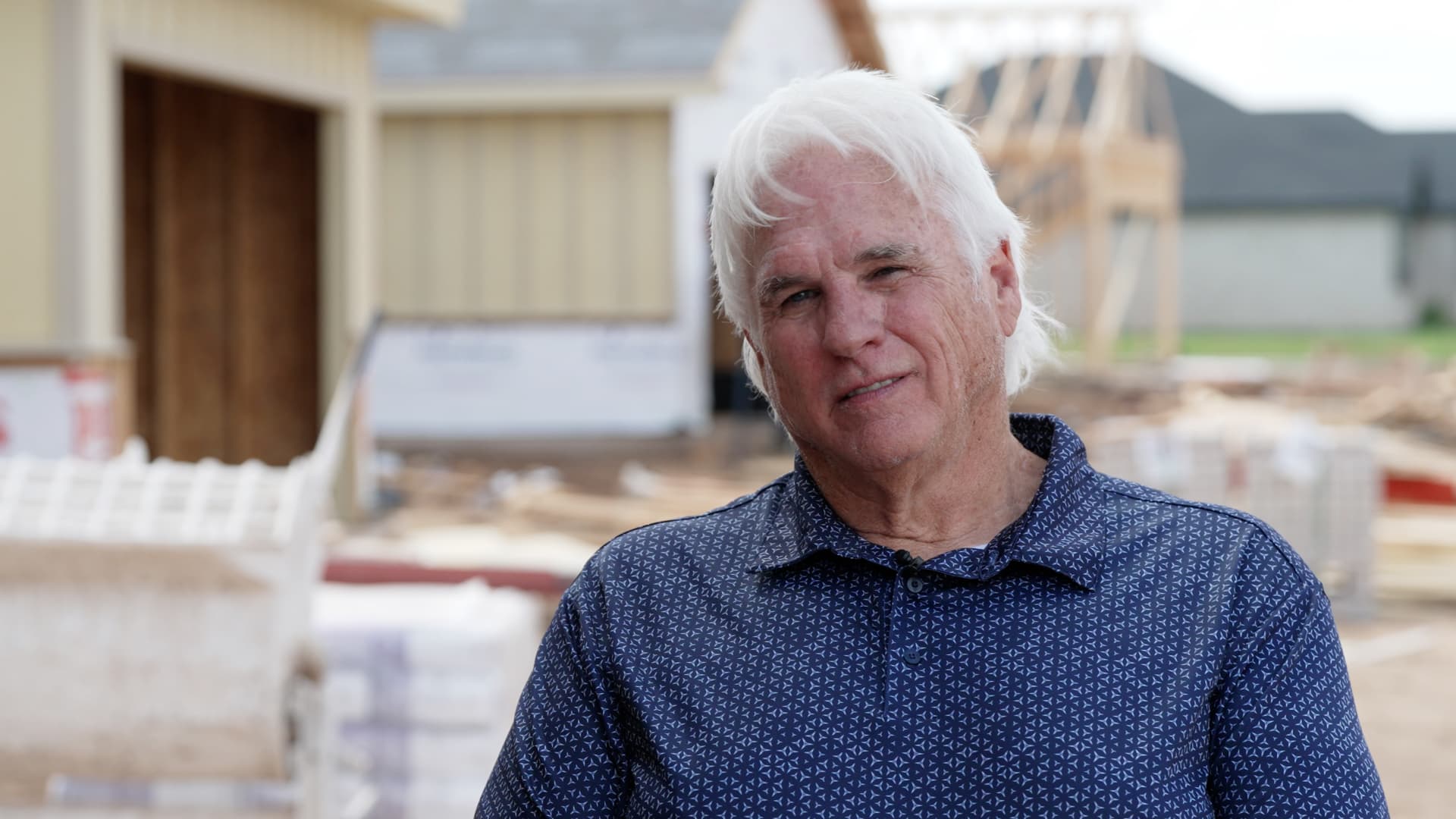
The exponential growth of artificial intelligence is fueling an unprecedented demand for robust infrastructure, particularly massive data centers. This rapid expansion, however, is now confronting a critical bottleneck: a severe shortage of skilled construction labor across the United States. This challenge intensifies competition for talent, driving up costs and creating ripple effects throughout the broader economy.
🚀 Tech Strategy & Market Disruptions
- Labor Shortage Intensifies. The AI Data Center Boom is depleting the pool of skilled electricians and plumbers, essential for rapid deployment.
- Cost Escalation. Tech giants are offering significantly higher wages, impacting local economies and inflating construction costs for other sectors like residential housing.
- Geopolitical & Regulatory Shifts. Political pressure and local regulations are influencing data center location strategies, potentially shifting development to more favorable states.
The AI Data Center Boom, fueled by the insatiable need to train and run powerful foundation models, has triggered a fierce battle for construction talent. Tech behemoths like Meta, Oracle, OpenAI, Google, and Amazon are pouring billions into building colossal data center campuses, exemplified by projects such as OpenAI’s $500 billion Stargate Project in Texas and Meta’s over $50 billion Hyperion data center in Louisiana. This aggressive buildout creates a critical scarcity of electricians, plumbers, and other skilled workers, a challenge highlighted by the Associated Builders and Contractors (ABC) estimate that 349,000 net new workers are needed in 2026 just to meet current demand.
In regions like Abilene, Texas, the economic impact is a double-edged sword. While data centers bring new business and residents, they also siphon off skilled labor from local industries. Homebuilders, for instance, report losing workers to data center jobs offering triple the pay, coupled with on-the-job training sponsored by tech companies. This phenomenon increases the cost and time required for other construction projects, slowing down housing development and affecting local contractors. The competition isn’t just for wages; it extends to attracting and retaining talent through comprehensive packages that traditional sectors struggle to match.
Key pressures stemming from the data center expansion include:
- Accelerated migration of skilled trades from conventional construction to high-paying data center projects.
- Increased overall construction costs and extended timelines across residential and commercial sectors.
- Heightened demand for temporary housing and local infrastructure in boomtowns like Abilene.
To mitigate this crunch, major tech players are investing heavily in workforce development. Meta, in partnership with ABC, launched the $115 million American Workforce Academy, a fast-track program designed to train thousands for skilled trades and data center roles. This proactive approach aims to cultivate a new generation of workers, addressing the immediate demand while also fostering long-term career paths in emerging technologies and supporting the broader technology market trends.
The exponential demand for AI processing power translates directly into an accelerated need for physical data center infrastructure. This immediate construction imperative creates a direct disruption flow: increased tech investment in data centers → surge in specialized construction project starts → intense bidding for scarce skilled labor → diversion of workers from other sectors (like residential building) → rising labor costs and extended timelines for non-data center projects → potential slowdown in general economic development in affected local markets despite overall growth. This cascade effect demonstrates how a concentrated boom in one tech-driven sector can rapidly reallocate critical resources across an entire regional economy.
The current AI infrastructure buildout is not merely a capital expenditure cycle; it represents a fundamental re-evaluation of labor market dynamics within critical trades. As a CTO, ensuring a resilient and scalable infrastructure strategy requires not only securing land and power but also anticipating and proactively addressing the human capital required for deployment. This implies strategic investments in training and partnerships to future-proof our operational capabilities against skilled labor scarcity.
Financial commitments by tech giants underscore the scale of this infrastructure push:
- OpenAI’s Stargate Project: An estimated $500 billion investment, largely for data center construction.
- Meta’s Hyperion Data Center: Over $50 billion committed in Louisiana for a single campus.
- Labor Demand: Associated Builders and Contractors projects 349,000 net new construction workers needed in 2026.
- Wage Impact: Electricians in affected regions report data center jobs paying at least triple their previous earnings.
AI Data Center Market Adoption Challenges
The furious pace of data center construction faces headwinds beyond labor. Public backlash, exemplified by voter-supported restrictions in midterm elections, and calls for moratoriums from politicians like Texas Gov.-elect Gina Hinojosa, introduce significant regulatory uncertainty. This local opposition stems from concerns over environmental impact, power consumption, and community disruption. For tech companies, this means a dynamic regulatory landscape could impede future expansion, forcing a shift in investment strategies towards states perceived as more favorable, such as Arizona, as noted by developers like Anita Verma-Lallian. Navigating these socio-political factors is becoming as crucial as securing power grids for the sustained growth of global tech trends, as discussed by experts on Bloomberg Technology.
AI Data Center Ecosystem Expansion Potential
Despite the current labor and regulatory challenges, the underlying demand for AI computing power ensures a continued focus on ecosystem expansion. This isn’t just about building more facilities, but about optimizing their efficiency, sustainability, and connectivity. Innovations in liquid cooling, renewable energy integration, and modular data center design are emerging as critical areas for investment to overcome physical and resource constraints. Furthermore, the specialized skills being developed through programs like Meta’s American Workforce Academy could lead to a new cohort of highly trained technicians capable of maintaining and evolving these complex infrastructures, representing a long-term investment in human capital that transcends the initial construction boom. For deeper educational insights, consider exploring relevant posts on educational tech insights.
AI Data Center Boom’s Enduring Market Realities
The AI Data Center Boom, while a clear indicator of technological progress, highlights significant stresses on traditional economic models. The rapid allocation of resources toward this sector creates localized imbalances and necessitates strategic, long-term planning for workforce development and community integration.
- Intensified competition for skilled labor is driving wage inflation and impacting non-tech construction sectors.
- Regulatory and public sentiment factors are increasingly influencing site selection and project timelines.
- Tech giants’ investment in workforce training represents a critical, albeit nascent, effort to stabilize future infrastructure growth.
How will the industry adapt to ensure sustainable growth amidst these evolving economic and social pressures?
📊 StockXpo Analyst’s View
Market Impact: The escalating costs and labor shortages tied to the AI Data Center Boom introduce a new layer of risk for infrastructure providers and tech companies. While demand remains robust, the execution challenges could pressure margins and delay deployment, potentially impacting revenue forecasts for major players. Investors should closely monitor construction sector employment data and regional policy shifts, which will become key indicators for project velocity and overall market liquidity for industry-wide challenges, as often reported by Reuters Technology.
Sector To Watch: The construction and engineering sectors, particularly those specializing in advanced electrical and mechanical systems, are poised for continued high demand. However, the focus will shift to firms demonstrating strong workforce development programs and efficient project management capabilities to navigate the labor crunch. Additionally, states with favorable regulatory environments for large-scale infrastructure projects are likely to see increased investment flows.
Financial Disclaimer:
StockXpo.com is a financial news aggregator and educational portal, not a registered investment advisor or broker-dealer. All information, news, and analysis provided herein are strictly for educational purposes and do not constitute investment, financial, legal, or tax advice. Investing in the stock market involves high risks, and past performance is not indicative of future results. StockXpo will not be liable for any financial losses or investment damages. Always consult a certified financial advisor before making market decisions.
MORE IN INSIDE TECHNOLOGY

SpaceX Shares Surge 7.47% as Musk Expands Youth Donations
Published: Friday, November 27, 2026 · 12:24 AM

Tech Rebound Powers Asia: Innovation-Driven Growth in Semiconductors
Published: Thursday, November 26, 2026 · 1:45 AM