
Published: Saturday, November 28, 2026 · 2:33 AM | Updated: Saturday, November 28, 2026 · 2:33 AM
📊 21 views




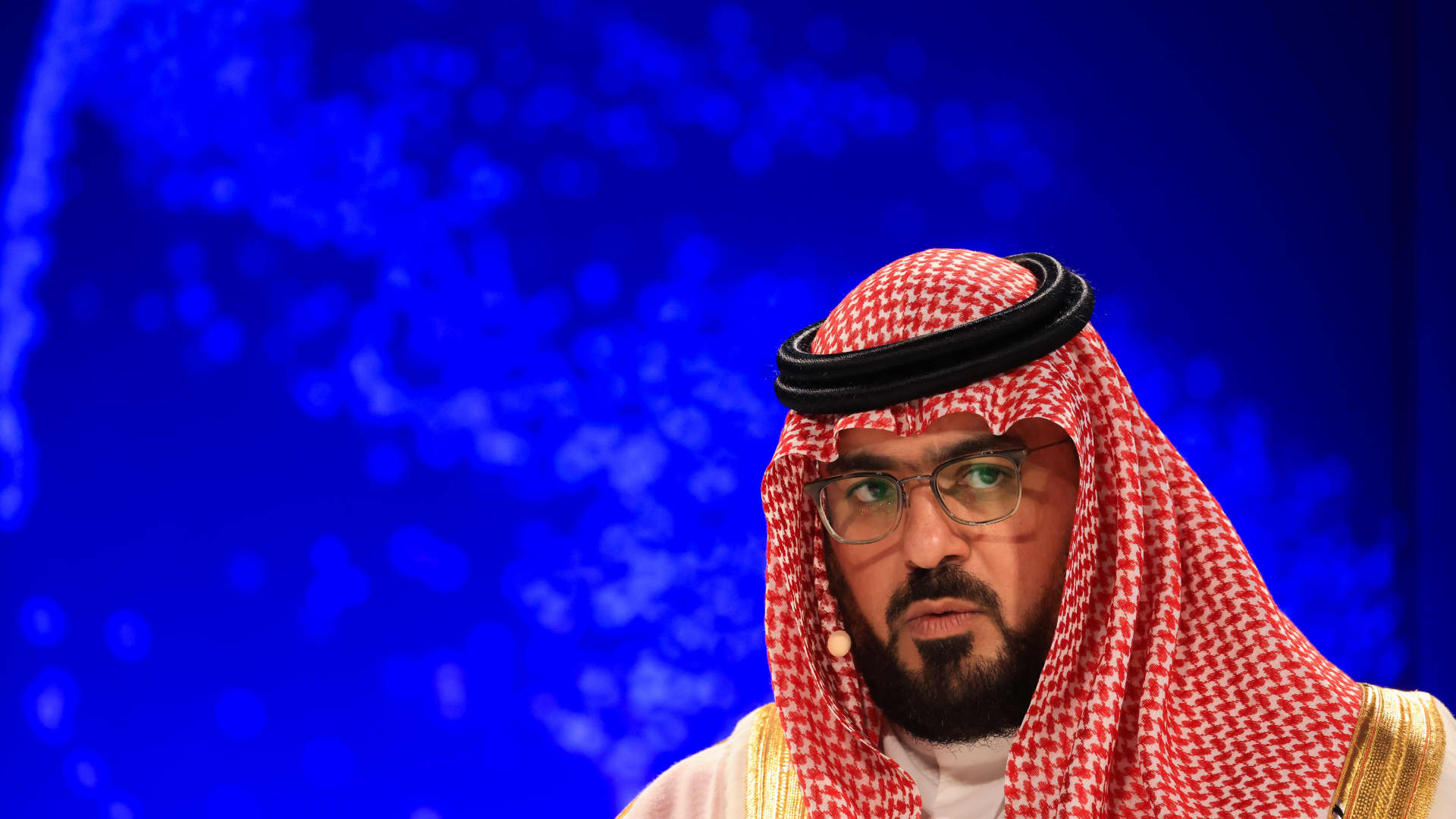
Saudi Arabia is navigating a pivotal moment for its ambitious Vision 2030, fundamentally recalibrating its investment strategy from an ‘any cost’ approach to one focused on ‘the right cost’. This strategic shift holds significant implications for global investment flows, the future of mega-projects, and regional economic stability, influencing sectors from energy to technology worldwide.
📊 Macro-Economic Strategic Insights
- Fiscal Prudence Takes Center Stage. Saudi Arabia is transitioning its massive development program to prioritize efficiency and return on investment, moving away from unconstrained spending to a more disciplined allocation of capital, as Economy Minister Faisal Alibrahim stated to CNBC.
- Geopolitical Risks Impact Investment Confidence. Ongoing Houthi attacks on critical infrastructure are creating security concerns, which have directly impacted investor sentiment and necessitated the postponement of major international conferences, challenging perceptions of regional stability.
- Diversification Remains Core Despite Delays. While certain giga-projects face scaling back or delays, the overarching goal of reducing oil dependency through economic diversification remains firm, with continued investment in strategic non-oil sectors like manufacturing, logistics, tourism, and technology.
Saudi Arabia’s Economy Minister, Faisal Alibrahim, recently affirmed a significant shift in the Kingdom’s economic diversification strategy, emphasizing ‘spending and delivery at the right cost’ over previous ‘spending and delivery at any cost’ directives. This adjustment reflects a period of sharp economic contraction and escalating security challenges, particularly from ongoing Houthi strikes that have disrupted civilian and energy infrastructure. The refocus on precision in deploying every riyal highlights an evolution towards a policy-first approach, aiming to cultivate a clearer business environment aligned with international laws. This includes the recent adoption of a 15% minimum effective tax rate on multinational profits, intended to bolster private sector operations and attract foreign direct investment.
The initial phase of Vision 2030 spending, launched in 2016 to diminish oil reliance, saw extensive capital deployment via the Public Investment Fund (PIF). However, recent reassessments have led to the scaling back or cancellation of several high-profile initiatives, including elements of the NEOM megacity, ‘The Line’ city, withdrawal of LIV Golf funding, and halted construction on a planned Riyadh skyscraper. These strategic adjustments coincide with the destabilizing effects of Houthi militant attacks, which have targeted key economic sites like the PIF tower, Riyadh Airport, and major oil refineries, forcing the postponement of critical investor gatherings like the ‘Davos in the Desert’ conference. The human and economic costs of this regional instability are substantial, yet infrastructure investments have allowed the energy sector to restore production, and logistics routes have been shifted to mitigate disruptions.
- The pivot to ‘spending at the right cost’ indicates a more mature phase of Vision 2030, prioritizing fiscal efficiency and greater private-sector participation in large-scale projects, as noted by Akanksha Samdani, lead economist at Oxford Economics.
The Ripple Effect: Economic Pathways and Market Signals
Saudi Arabia’s recalibrated economic strategy creates several interconnected ripple effects:
- Geopolitical Tensions → Increased Security Spending → Diversion of Capital from Non-Essential Projects
- Fiscal Pressures (GDP Contraction) → Heightened Fiscal Discipline → Prioritization of High-Return Investments
- Policy-First Approach & International Tax Alignment → Clearer Regulatory Environment → Enhanced Foreign Direct Investment Attraction (long-term)
- Houthi Attacks → Risk Premium on Investments → Potential for Higher Project Costs & Delays
Fiscal Prudence: This refers to a government’s careful management of its financial resources, ensuring that public spending is sustainable, debt levels are controlled, and economic stability is maintained. In Saudi Arabia’s context, it signifies a shift towards more calculated and efficient use of funds to achieve Vision 2030 objectives amidst evolving economic realities.
Key Macroeconomic Indicators: A Snapshot of Saudi Arabia
| Metric | Value (Q3 Current Year) | Significance |
|---|---|---|
| Real GDP Contraction | -3.8% (Year-on-Year) | Reflects overall economic slowdown, mainly due to oil activity cuts. |
| Oil Activities Growth | -20.4% (Year-on-Year) | A primary driver of the GDP contraction, highlighting oil market dynamics. |
| Non-Oil Activities Growth | +1.9% (Year-on-Year) | Indicates some resilience in diversification efforts despite overall headwinds. |
| Net FDI Inflows Drop (Q2) | -19.5% (Year-on-Year) | Signals reduced international investor confidence or project re-evaluation. |
| Ministry of Finance 2024 Forecast | -2.1% Contraction | Official expectation of moderate overall economic shrinkage for the year. |
| Oxford Economics 2024 Forecast | -3.4% Contraction | A more pessimistic outlook, factoring in escalating geopolitical risks. |
Middle East Geopolitical Dynamics: A New Investment Calculus
The persistent Houthi attacks pose a significant re-evaluation for investors considering Saudi Arabia as a destination for tourism, entertainment, and sports — key pillars of Vision 2030 and crucial for attracting foreign capital and expatriate talent. As Neil Quilliam of Azure Strategy highlights, these incidents challenge the assumption of Saudi Arabia’s insulation from regional instability. The economic impact is less about immediate physical damage and more about a potential erosion of long-term confidence. This necessitates an adjusted investment calculus that incorporates heightened risk assessments, potentially increasing the cost and complexity of project delivery across the Kingdom. Understanding these geopolitical nuances is critical for robust global benchmarking of emerging markets, affecting decisions on where capital flows for optimal returns.
Fiscal Policy Evolution: Aligning with Global Tax Standards
Saudi Arabia’s move to introduce a 15% minimum effective tax rate on multinational profits from January 2027 is a significant policy shift. This aligns the Kingdom’s tax framework with global standards, particularly the OECD’s Pillar Two initiative, which seeks to prevent base erosion and profit shifting. While initially perceived as an additional cost for businesses, Minister Alibrahim suggests it creates a ‘clearer environment for the private sector to operate.’ This regulatory clarity, combined with targeted incentive programs, aims to attract sustained external investment rather than relying solely on government-led initiatives. Such fiscal transparency enhances Saudi Arabia’s appeal to multinational corporations seeking predictable and internationally recognized operational frameworks, a crucial element for systemic growth.
Vision 2030 Spending: Navigating a Complex Global Landscape
Saudi Arabia’s disciplined approach to Vision 2030 spending marks a necessary evolution, balancing ambitious transformational goals with present economic and security realities. The Kingdom is actively adapting its fiscal and investment strategies to ensure long-term sustainability while maintaining its commitment to diversifying its economy away from oil. This pivot underscores a pragmatic response to both internal fiscal pressures and external geopolitical risks, aiming for more resilient and strategically sound development.
- The shift towards ‘spending at the right cost’ prioritizes project viability and return on investment, signaling increased fiscal discipline.
- Enhanced private sector participation and a clearer regulatory environment are expected to become central to attracting foreign capital for future projects.
- Despite scaling back some initial megaprojects, the core objective of economic diversification remains a steadfast long-term commitment.
How will this refined strategy shape the Kingdom’s role in the global economy over the next decade?
📊 StockXpo Analyst’s View
Market Impact: This recalibration in Vision 2030 spending, while reflecting economic pressures, can paradoxically instill greater confidence in the long run by demonstrating fiscal responsibility. Investors may view this as a maturing economy, potentially strengthening the long-term outlook for Saudi Arabian sovereign bonds and strategic partnerships. For further insights into global economic policy, visit our economic analysis section.
Sector To Watch: We anticipate heightened focus and investment in sectors directly supporting critical infrastructure and diversification with proven commercial viability, such as logistics, advanced manufacturing, and renewable energy. Companies engaged in defense technologies or those offering solutions for supply chain resilience within the region could also see increased attention, alongside sectors poised to benefit from clearer regulatory frameworks and private sector engagement. For broader investment analysis, explore StockXpo’s market insights.
Financial Disclaimer:
StockXpo.com is a financial news aggregator and educational portal, not a registered investment advisor or broker-dealer. All information, news, and analysis provided herein are strictly for educational purposes and do not constitute investment, financial, legal, or tax advice. Investing in the stock market involves high risks, and past performance is not indicative of future results. StockXpo will not be liable for any financial losses or investment damages. Always consult a certified financial advisor before making market decisions.
MORE IN INSIDE ECONOMY
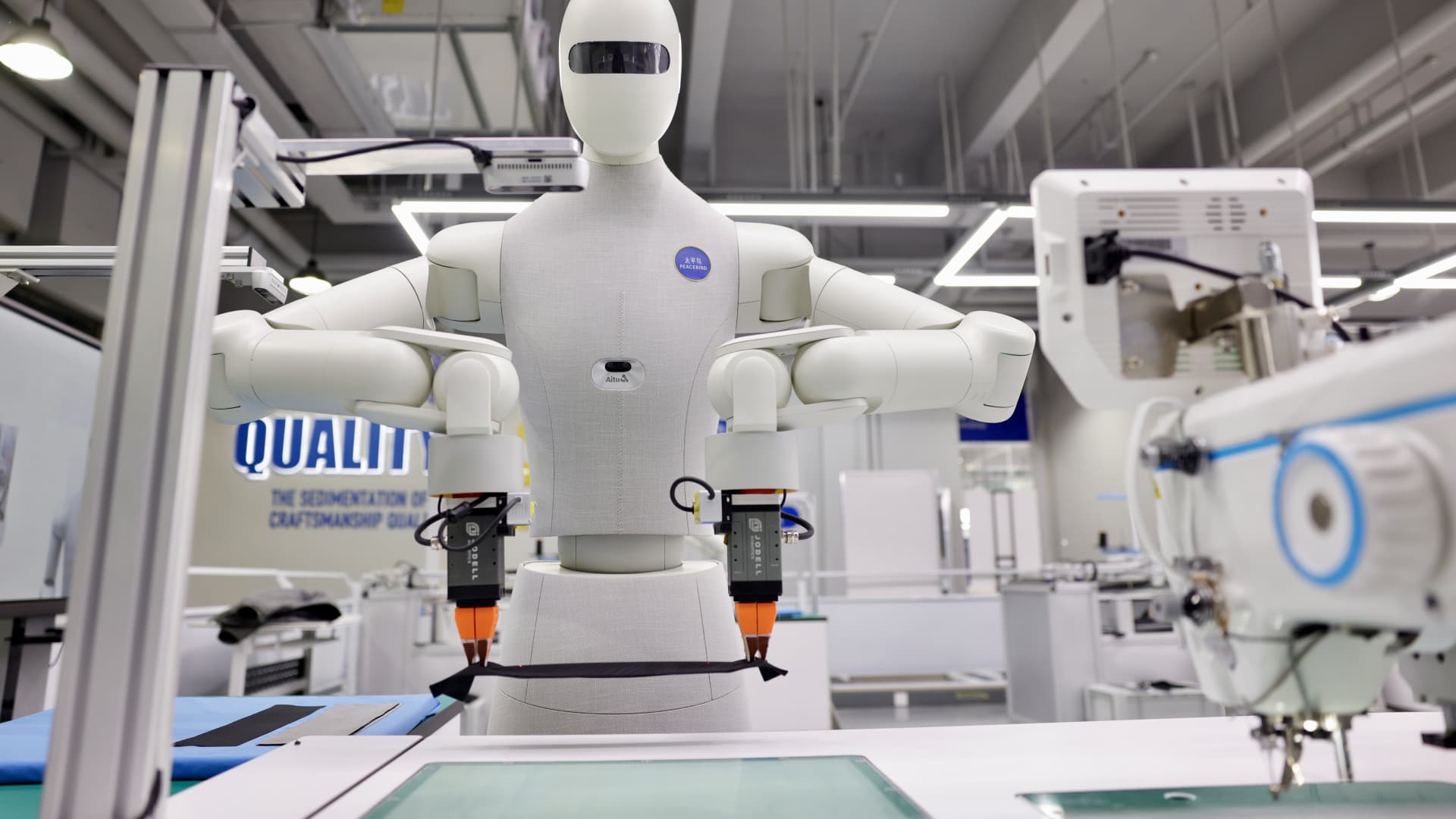
China’s Industrial Profits Surge: AI Boom Picks Economic Winners
Published: Friday, November 27, 2026 · 1:26 AM
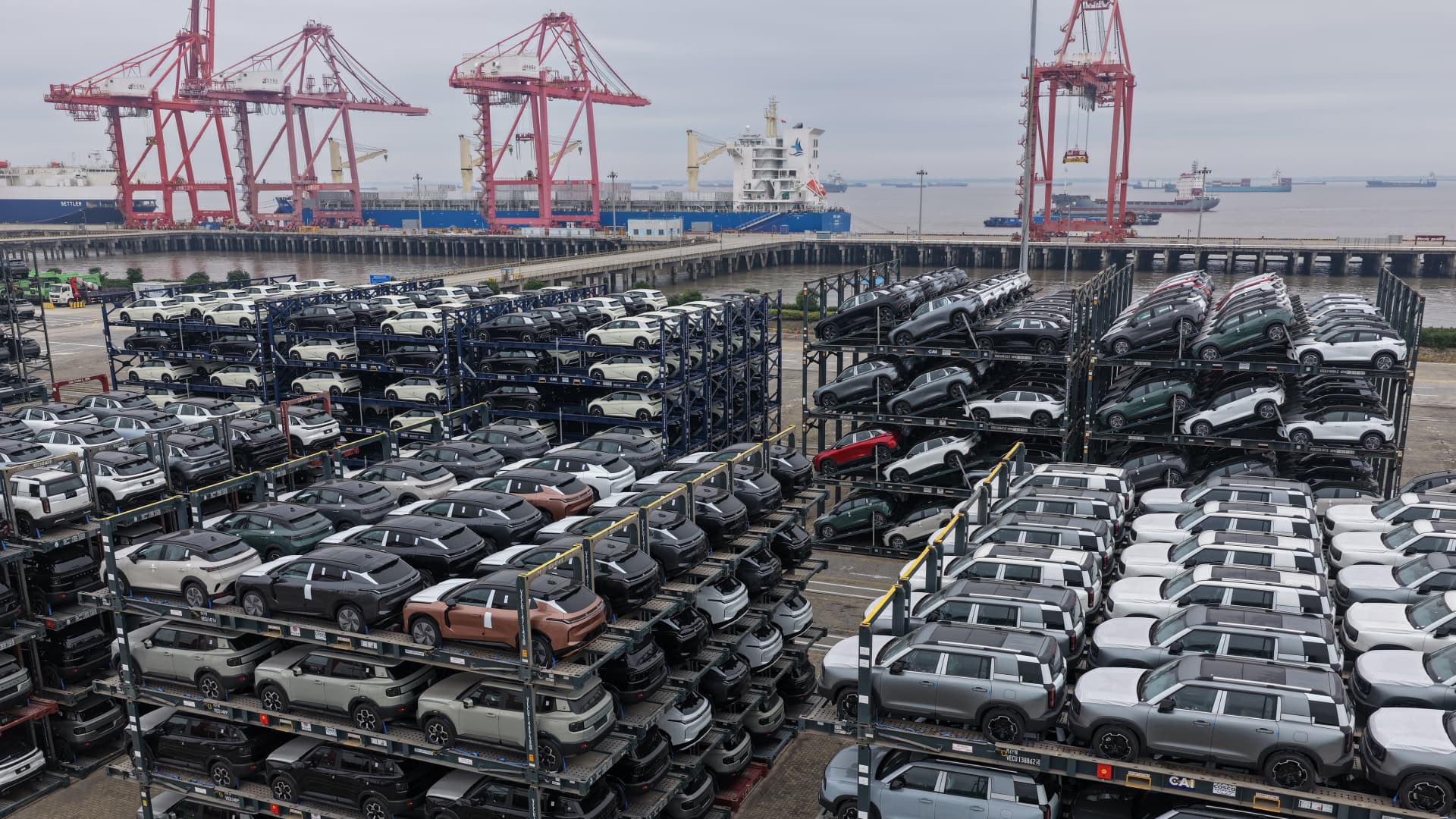
U.S. Tariff Threats Signal Mounting Global Trade Pressure and Instability
Published: Thursday, November 26, 2026 · 5:18 AM


