Published: Friday, November 27, 2026 · 8:28 AM | Updated: Friday, November 27, 2026 · 8:28 AM
📊 7 views




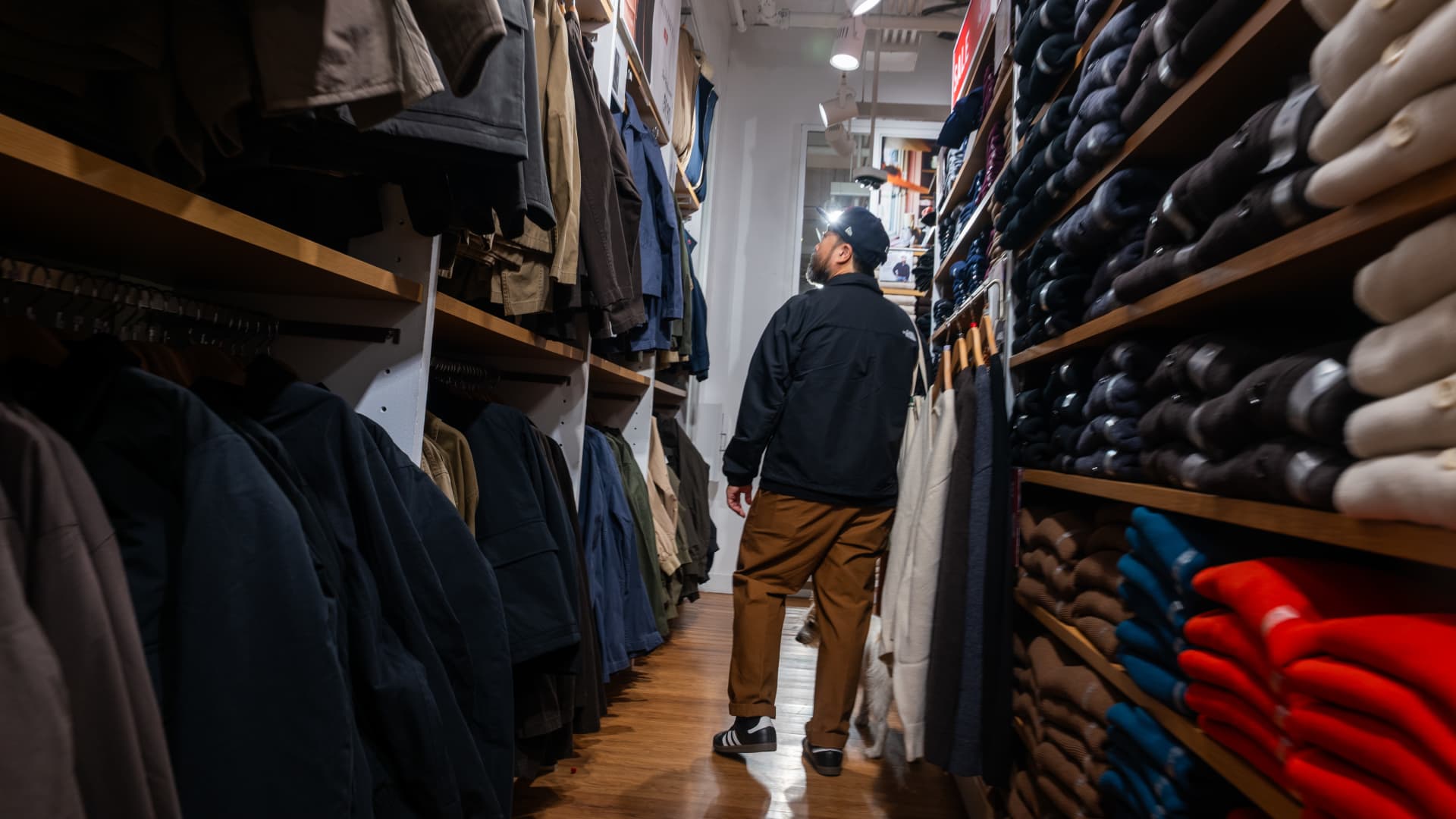
Despite persistent inflationary pressures squeezing consumer wallets, the 2026 holiday shopping season, anchored by Black Friday, is poised for robust spending. Retailers are strategically adapting to a value-conscious consumer base, signaling a shift in promotional intensity and merchandising to capture this demand. This dynamic environment presents both opportunities and challenges, requiring agile operational efficiency and pricing strategies to secure market leadership.
🗝️ Corporate Strategy Insights
- Value Proposition Dominates. Inflation drives consumers to prioritize deals, making promotional windows like Black Friday critical for purchasing.
- Strategic Discounting Deepens. Retailers are offering deeper markdowns than last year, a clear response to heightened consumer price sensitivity and inventory management pressures.
- Omnichannel Imperative. The surge in online holiday spending underscores the necessity for seamless digital and physical retail integration to capture diverse shopper journeys.
Economic headwinds have undoubtedly fostered a more cautious consumer. October’s consumer price index rose a seasonally adjusted 0.4%, with the personal consumption expenditures price index accelerating to 3.8% year-over-year. This has led to a dip in consumer confidence and a pullback in discretionary and big-ticket purchases for some. However, the annual shopping extravaganza, **Black Friday**, serves as a crucial barometer, revealing that consumers are still willing to spend, albeit with a heightened focus on value.
Planned spending on gifts and non-gifts is estimated to reach $1,049 on average this year, a 5.9% increase from the previous year, according to The Conference Board. Even when adjusted for inflation, this figure shows a 3.2% year-over-year rise. Digital sales are a significant driver, with Adobe data showing consumers spent $82.5 billion online in the first 22 days of November, marking a 9.1% year-over-year increase. Salesforce forecasts record-breaking online sales globally and in the U.S. for the Cyber Week period, with discounts up 8% in the U.S. in November alone. Deloitte’s Black Friday survey indicates the highest participation since 2016, with 87% of shoppers planning to buy, especially among Generation Z, who are also leveraging ‘buy now, pay later’ options.
Retailers are keenly observing and responding to these trends, adapting their operational efficiency and merchandising. Companies across the sector, including Walmart, Target, Best Buy, Lowe’s, and TJX, have expressed optimism about holiday spending, emphasizing value propositions and strategic pricing:
- Walmart (WMT) is leaning into its “everyday low prices” strategy with aggressive rollbacks, benefiting from its scale and robust supply chain to attract value-conscious shoppers. CFO John David Rainey noted a resilient consumer and a strong start to the holiday quarter.
- Target (TGT) executives are prioritizing low prices, offering thousands of products at $5 and under, while also investing in elevated product assortments to cater to diverse customer preferences.
- Best Buy (BBY) CEO Jason Bonfig highlighted consumers’ emphasis on value but also their willingness to upgrade to premium products, suggesting a nuanced approach to discretionary spending.
- Lowe’s (LOW) expects a solid season, with CEO Marvin Ellison emphasizing deals for price-conscious home improvement customers, maintaining an optimistic outlook despite earlier slowdowns in big-ticket items.
- TJX Companies (TJX), known for its value proposition through TJ Maxx and Marshalls, expects sales momentum to accelerate, though it faced challenges from warmer weather and provided cautious fourth-quarter guidance.
- Gap Inc. (GAP) experienced similar headwinds from warm weather affecting early-quarter sales but anticipates colder temperatures will reignite demand and drive spending.
The strategic ripple effect of this value-driven consumer behavior is profound across the retail landscape. The primary cause, inflation-driven consumer prudence, directly leads to increased promotional activity and deeper discounts as retailers compete for market share. This, in turn, results in a greater concentration of spending during peak promotional windows like Black Friday and Cyber Monday, potentially cannibalizing full-price sales at other times. For retailers, this translates into enhanced competitive pressure on already tight margins, necessitating superior inventory management and supply chain agility. Companies with inherent scale and efficient operating models, like Walmart and Target, are better positioned to absorb these pressures, while those lacking strong value propositions or robust omnichannel capabilities may see market share erosion. The rise in ‘buy now, pay later’ options also introduces a new dynamic, potentially masking immediate spending capacity while impacting future consumer debt and payment structures. More detailed insights on corporate growth strategies can be found by exploring our [corporate growth](https://stockxpo.com/business/) content.
The current climate highlights how vital promotional windows have become, transforming from mere sales events into critical strategic battlegrounds for market share. Retailers that master value perception and operational agility during periods like Black Friday are best positioned to thrive against economic headwinds.
Key Holiday Retail Indicators (2026)
| Metric | Value/Forecast | Strategic Importance |
|---|---|---|
| Average Planned Spending (Conference Board) | $1,049 (+5.9% YoY) | Indicates strong consumer intent to spend, even adjusted for inflation (+3.2% YoY). |
| Online Spending (Adobe, Nov first 22 days) | $82.5 Billion (+9.1% YoY) | Highlights critical role of e-commerce and digital channels in capturing sales. |
| Global Online Sales Forecast (Salesforce Cyber Week) | $357 Billion (+6% YoY) | Confirms sustained global digital shift and concentrated shopping events. |
| U.S. Discount Rate (Salesforce, Nov) | Up 8% YoY | Reflects increased competitive pressure and retailers’ efforts to attract value shoppers. |
| Black Friday Participation (Deloitte) | 87% (Highest since 2016) | Demonstrates the enduring appeal and importance of the Black Friday sales period. |
The Walmart Competitive Edge in a Value Economy
Walmart’s enduring market leadership is particularly evident in an inflation-driven economy. Its vast scale, sophisticated supply chain, and unwavering commitment to “everyday low prices” form a formidable competitive moat. During periods when consumers are actively hunting for value, Walmart’s ability to offer consistent rollbacks and extensive product assortments positions it as a first-choice destination. This strategic advantage allows the company to maintain robust sales volumes even as discretionary spending shrinks elsewhere, effectively leveraging operational efficiency to capture a larger share of the value-conscious market. The company’s deep relationships with suppliers and optimized logistics further enable it to offer competitive pricing without entirely eroding margins, a crucial factor when discounts are paramount.
Target’s Strategic Balancing Act: Value and Elevated Experience
Target’s corporate strategy demonstrates a nuanced approach to market leadership, skillfully balancing aggressive value propositions with an elevated shopping experience. While actively promoting products at low price points—some as low as $5—the retailer simultaneously invests in exclusive partnerships and aesthetically pleasing store layouts. This dual strategy appeals to both the budget-focused shopper and those seeking quality or design-led purchases, a phenomenon observed by Best Buy regarding consumers sometimes upgrading to premium items. Target’s ability to curate its offerings and maintain brand relevance while competing fiercely on price highlights its operational agility and understanding of its diverse customer base, solidifying its competitive advantages even in a challenging economic climate. Read more about similar developments on [Forbes business news](https://www.forbes.com/business).
Black Friday’s Enduring Pull: Navigating a Shifting Retail Landscape
Despite economic pressures and fluctuating consumer confidence, Black Friday remains a powerful engine for holiday retail spending. The shift towards concentrated, value-driven purchasing means that retailers must hone their promotional strategies and supply chain resilience more than ever. Success hinges on a delicate balance between aggressive discounting and maintaining healthy margins.
- Deep discounting is a necessary tactic, strategically deployed to secure market share and clear inventory, often at the expense of some margin.
- Robust digital sales channels are non-negotiable, acting as primary conduits for capturing concentrated spending events and offering convenience.
- Flexibility in inventory management and promotional strategy will be the distinguishing factor between market leaders and laggards in this evolving retail environment.
As consumer spending habits evolve, how will retailers maintain profitability while continuously satisfying the demand for value beyond these concentrated holiday windows?
📊 StockXpo Analyst’s View
Market Impact: This shift towards value-driven spending during Black Friday and similar events indicates a bifurcation in consumer behavior. It suggests a resilient core spending capacity for desired items, provided they are perceived as a good deal. This trend typically benefits large-scale retailers with robust supply chains and pricing power, potentially putting pressure on niche or premium brands without strong loyalty. For further [investment analysis](https://stockxpo.com/), explore our expert content.
Sector To Watch: The discount retail sector, including off-price models and mass merchandisers, is positioned for continued strength. E-commerce platforms that can facilitate efficient price comparison and rapid fulfillment will also see increased traction. Investors should monitor inventory levels and promotional depths across the broader retail landscape as an indicator of future margin pressure. More detailed market insights can be found on [Bloomberg markets](https://www.bloomberg.com/markets).
Financial Disclaimer:
StockXpo.com is a financial news aggregator and educational portal, not a registered investment advisor or broker-dealer. All information, news, and analysis provided herein are strictly for educational purposes and do not constitute investment, financial, legal, or tax advice. Investing in the stock market involves high risks, and past performance is not indicative of future results. StockXpo will not be liable for any financial losses or investment damages. Always consult a certified financial advisor before making market decisions.
MORE IN INSIDE BUSINESS

Microdrama Apps: Hollywood’s Strategic Bet on Short-Form Content
Published: Thursday, November 26, 2026 · 7:19 AM

Secondhand Shopping Surges: A $80 Billion Strategic Shift in Retail
Published: Wednesday, November 25, 2026 · 8:38 AM