
Published: Monday, November 2, 2026 · 5:19 AM | Updated: Monday, November 2, 2026 · 5:19 AM
📊 10 views




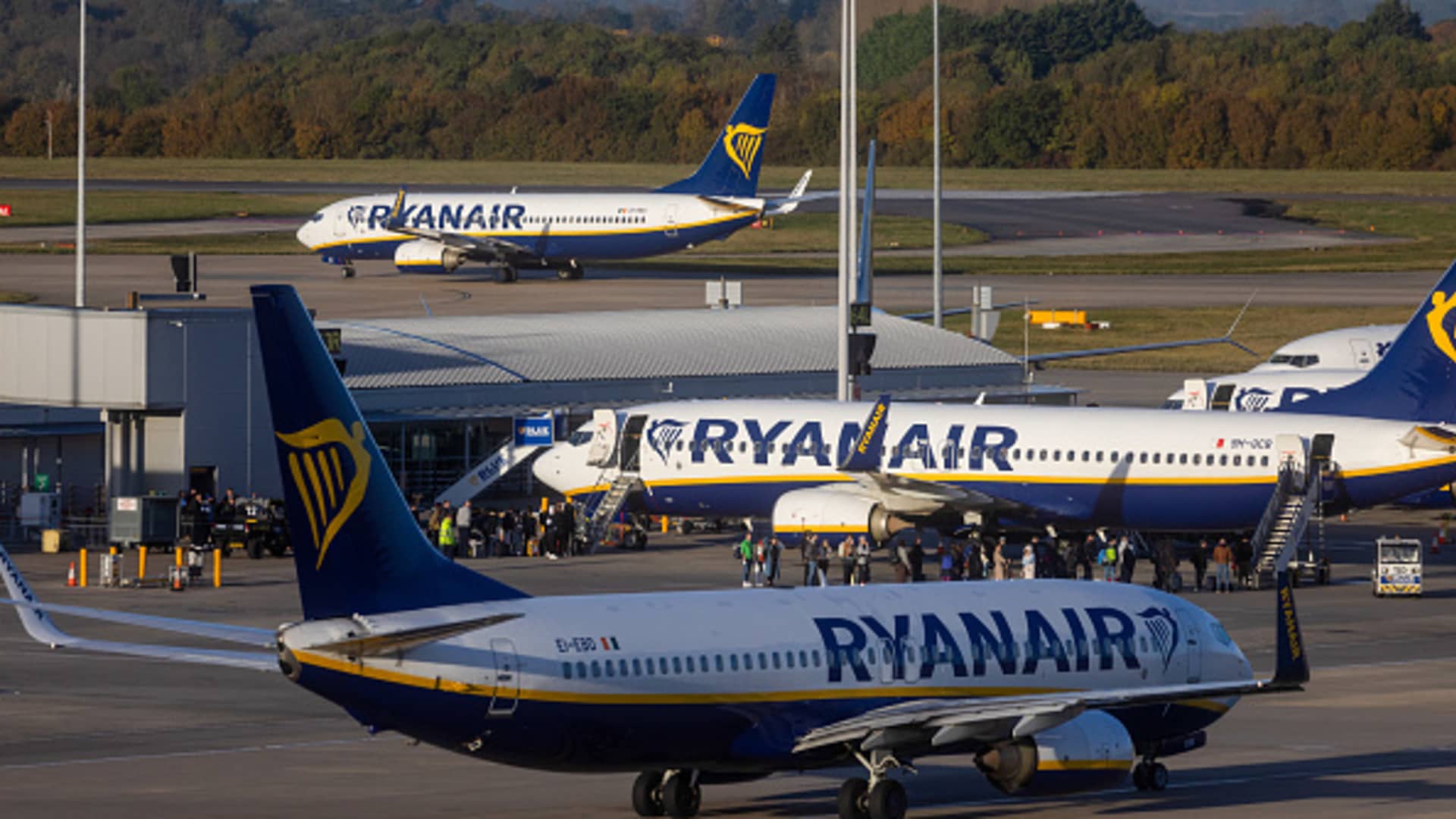
European travelers could face significantly higher costs, with Ryanair CEO Michael O’Leary projecting a 10% to 20% increase in Ryanair fares by 2027. This impending surge, driven primarily by expiring fuel hedges and persistent high oil prices, signals a critical juncture for the airline industry and potential ripple effects across consumer spending and tourism sectors. Our deep dive analyzes the implications for RYAAY’s intrinsic value, risk profile, and its strategic fit within a diversified investment portfolio.
💎 Strategic Investment & Portfolio Insights
- Fuel Hedging Advantage Erosion. Ryanair’s robust fuel hedging strategy, which insulated profits previously, is set to unwind, exposing future earnings to higher, unhedged jet fuel prices. Investors should assess the long-term impact on profitability margins and competitive positioning.
- Pricing Power vs. Demand Elasticity. The projected fare hikes test consumer willingness to absorb increased travel costs. While Ryanair aims to pass on fuel expenses, the elasticity of demand for budget air travel in a potentially softening economic environment remains a key watchpoint for revenue stability.
- Balance Sheet Resilience Amidst Volatility. Despite profit declines, Ryanair maintains a strong financial position with €2.6 billion in cash and effectively zero debt. This liquidity provides a crucial buffer against volatile input costs and allows for strategic adjustments, contrasting with more leveraged competitors.
Ryanair’s latest half-year results revealed a 15% drop in profit to €2.15 billion, primarily attributed to the doubling of unhedged jet fuel prices. CEO Michael O’Leary underscored the severity of the situation on CNBC, stating that the market has been ‘insulated for the last 12 months’ by existing hedges, which are now rolling off. The airline anticipates a €2 billion increase in fuel charges next year, which short-haul fare increases are unlikely to fully offset. This marks a significant shift from a period where its aggressive hedging at $67 per barrel offered a distinct competitive edge, cushioning earnings from market volatility.
The budget carrier, which hedged 80% of its jet fuel for the current year, has already begun adapting to this challenging environment. It recently cut its full-year traffic target from 216 million to 214 million passengers and expects winter traffic to remain flat year-on-year. This proactive capacity management reflects a strategic effort to minimize exposure to soaring unhedged oil prices, currently around $170 a barrel. For perspective, Ryanair has only hedged 25% of its 2028 jet fuel at a higher, though still favorable, $95 per barrel.
To counteract these pressures, Ryanair is initiating a comprehensive cost review, encompassing potential temporary pay freezes for crew, lowering crew rations, and leveraging AI for operational efficiencies. These measures highlight the company’s commitment to maintaining its cost leadership, a cornerstone of its business model. The market reaction saw Ryanair’s Irish-listed shares initially edge higher before paring gains, indicating investors had largely priced in the fuel cost impact and were looking for management’s mitigation strategies, as noted by eToro market analyst Adam Vetesse. Understanding these market dynamics is crucial for investors interested in broader market analysis and trends.
- Revenue Pressures: Projected fare increases of 10-20% are aimed at mitigating a €2 billion rise in fuel costs, but full offset is not expected.
- Capacity Adjustments: Winter capacity cut to flat year-on-year, reducing exposure to unhedged fuel purchases.
- Operational Efficiencies: Cost review includes crew ration cuts, potential pay freezes, and AI integration to enhance operational leverage.
This operational realignment is a necessary response to what O’Leary terms a ‘very significant cost cliff.’ While the ability to pass on costs to consumers is a sign of pricing power, the magnitude of the increase could test demand elasticity, particularly within the value-sensitive budget travel segment. The broader aviation industry faces similar headwinds, but Ryanair’s strong balance sheet provides a degree of insulation.
The projected increase in Ryanair fares due to escalating fuel costs triggers a direct cascade of effects on portfolio positioning. Higher operating expenses for airlines (Cause) necessitates fare increases (Effect), which in turn could lead to a reassessment of airline sector profitability and valuation multiples (Asset Revaluation). For investors, this implies a potential rebalancing of exposure to cyclical sectors, favoring those with robust pricing power or less direct exposure to commodity price volatility. Long-term capital preservation strategies may lean towards companies with entrenched cost advantages and strong cash flow generation, like Ryanair, even as they navigate short-term headwinds. Moreover, the increased cost of travel could shift consumer spending, impacting related industries such as hospitality and leisure, prompting a review of broader portfolio growth strategies.
“Ryanair’s proactive management of capacity and costs, combined with its formidable balance sheet, positions it as a resilient player in a challenging environment. While fare hikes are inevitable, the true alpha generation will come from how effectively management navigates demand elasticity and leverages its cost base against competitors facing similar, if not worse, pressures.” – Senior CIO & Portfolio Strategist, StockXpo.com
Ryanair’s financial resilience is underpinned by several key metrics:
- Half-Year Profit: Declined 15% to €2.15 billion ($2.3 billion) primarily due to unhedged fuel costs. This illustrates immediate sensitivity to commodity price shifts.
- Projected Fuel Cost Increase (2027): Estimated €2 billion. This figure underpins the need for the announced fare hikes and cost review, highlighting a significant future earnings headwind.
- Current Fuel Hedging: 80% hedged at $67/barrel for the current year. This highlights the past competitive advantage that is now eroding.
- Future Fuel Hedging (2028): At least 25% hedged at $95/barrel. While higher, it provides some forward visibility, though a significant portion remains unhedged at potentially elevated prices.
- Cash Holdings: €2.6 billion as of September 30. This substantial cash position provides critical liquidity and financial flexibility.
- Debt Status: Effectively zero debt after repaying €1.3 billion this year. A clean balance sheet offers considerable strategic advantage and reduces financial risk during turbulent periods.
Ryanair’s Competitive Benchmarking in a Rising Cost Environment
Ryanair’s strategic advantage has historically been its ultra-low-cost structure, enabling it to offer highly competitive European market prices. In the face of surging fuel costs, O’Leary’s comments implicitly highlight this enduring edge. While all airlines face a ‘cost cliff,’ Ryanair’s significant cash reserves (€2.6 billion) and zero debt position contrast sharply with competitors, some of whom are reportedly resorting to “sale and leasebacks” – effectively mortgaging their future assets to generate short-term liquidity. This strong financial foundation allows Ryanair to absorb some of the fuel price shock and implement cost efficiencies without immediately compromising its long-term growth prospects or market share.
Furthermore, the airline’s disciplined approach to capacity, evidenced by cutting winter traffic targets, demonstrates an unwillingness to chase unprofitable growth driven by expensive unhedged fuel. This flexibility, backed by its superior cost structure and purchasing power for aircraft, positions Ryanair to potentially gain market share from weaker, more financially constrained rivals in a prolonged high-cost environment. The ability to hedge a portion of its 2028 fuel at $95/barrel, while higher than previous levels, still offers a degree of predictability that many smaller carriers may lack, reinforcing its intrinsic value relative to its peers.
Ryanair Risk-Reward Matrix for Long-Term Investors
Investing in Ryanair at this juncture involves weighing significant risks against potential rewards. The primary risk stems from the volatility of jet fuel prices and the potential for demand destruction if the projected Ryanair fares increase by 20% proves too steep for consumers, especially if broader economic conditions soften. Geopolitical instability, particularly in the Middle East, remains a key variable for oil prices. Additionally, operational risks include successful implementation of cost-cutting measures without impacting service quality or employee morale, alongside potential aircraft delivery delays that could hinder growth plans.
However, the reward potential is significant. Ryanair’s proven track record of disciplined cost management, strong balance sheet, and market leadership in the European short-haul segment provide a robust foundation. If the airline successfully passes on a substantial portion of the fuel costs, its profitability could stabilize, and its competitive position might strengthen as weaker rivals struggle. The long-term demand for affordable air travel is expected to persist, offering a secular tailwind. The current stock valuation, having fallen over 22% this year, may present an attractive entry point for investors willing to endure short-term volatility and believe in management’s ability to execute its strategy, particularly for those seeking deeper educational market insights.
Navigating Ryanair’s Cost Cliff: A Long-Term Investment View
Ryanair faces a formidable challenge from surging fuel costs, necessitating significant fare increases and a deep dive into operational efficiencies. While the immediate outlook presents margin pressures, the airline’s robust financial health and proactive management indicate a resilient strategy designed for long-term endurance in a volatile market.
- Ryanair’s strong balance sheet and zero debt provide substantial cushioning against commodity price shocks, distinguishing it from many peers.
- The ability to implement fare hikes suggests pricing power, though demand elasticity will be crucial in determining overall revenue impact.
- Aggressive cost reviews and capacity management are key to preserving profitability and competitive advantage as fuel hedges expire.
Can Ryanair’s strategic agility continue to deliver alpha amidst persistent inflationary pressures and evolving consumer behavior?
📊 StockXpo Analyst’s View
Market Impact: The projected rise in Ryanair fares will likely ripple through the broader aviation sector, signaling that pricing power is shifting towards airlines, but potentially at the expense of passenger volume. This could lead to a re-evaluation of growth expectations across European carriers, impacting investor sentiment towards travel and tourism stocks. We anticipate some initial market volatility as investors digest these cost pressures and monitor consumer response to higher ticket prices.
Sector To Watch: The immediate sector to watch is budget airlines, where the impact of fuel costs and pricing strategies will be most pronounced. Beyond aviation, the leisure and hospitality sectors could face secondary effects from reduced discretionary travel spending. Conversely, companies with strong freight logistics or alternative energy exposures might see indirect benefits from prolonged high oil prices and the overall market business outlook.
Financial Disclaimer:
StockXpo.com is a financial news aggregator and educational portal, not a registered investment advisor or broker-dealer. All information, news, and analysis provided herein are strictly for educational purposes and do not constitute investment, financial, legal, or tax advice. Investing in the stock market involves high risks, and past performance is not indicative of future results. StockXpo will not be liable for any financial losses or investment damages. Always consult a certified financial advisor before making market decisions.
MORE IN INSIDE INVESTMENT NEWS

Anthropic IPO Hits Turbulence: A Warning for AI Market Investors
Published: Saturday, October 31, 2026 · 9:06 AM

Super Intelligence Redefining Tech: A Portfolio Alpha Opportunity
Published: Friday, October 30, 2026 · 7:44 AM


