Published: Sunday, October 25, 2026 · 9:32 AM | Updated: Sunday, October 25, 2026 · 9:32 AM
📊 26 views




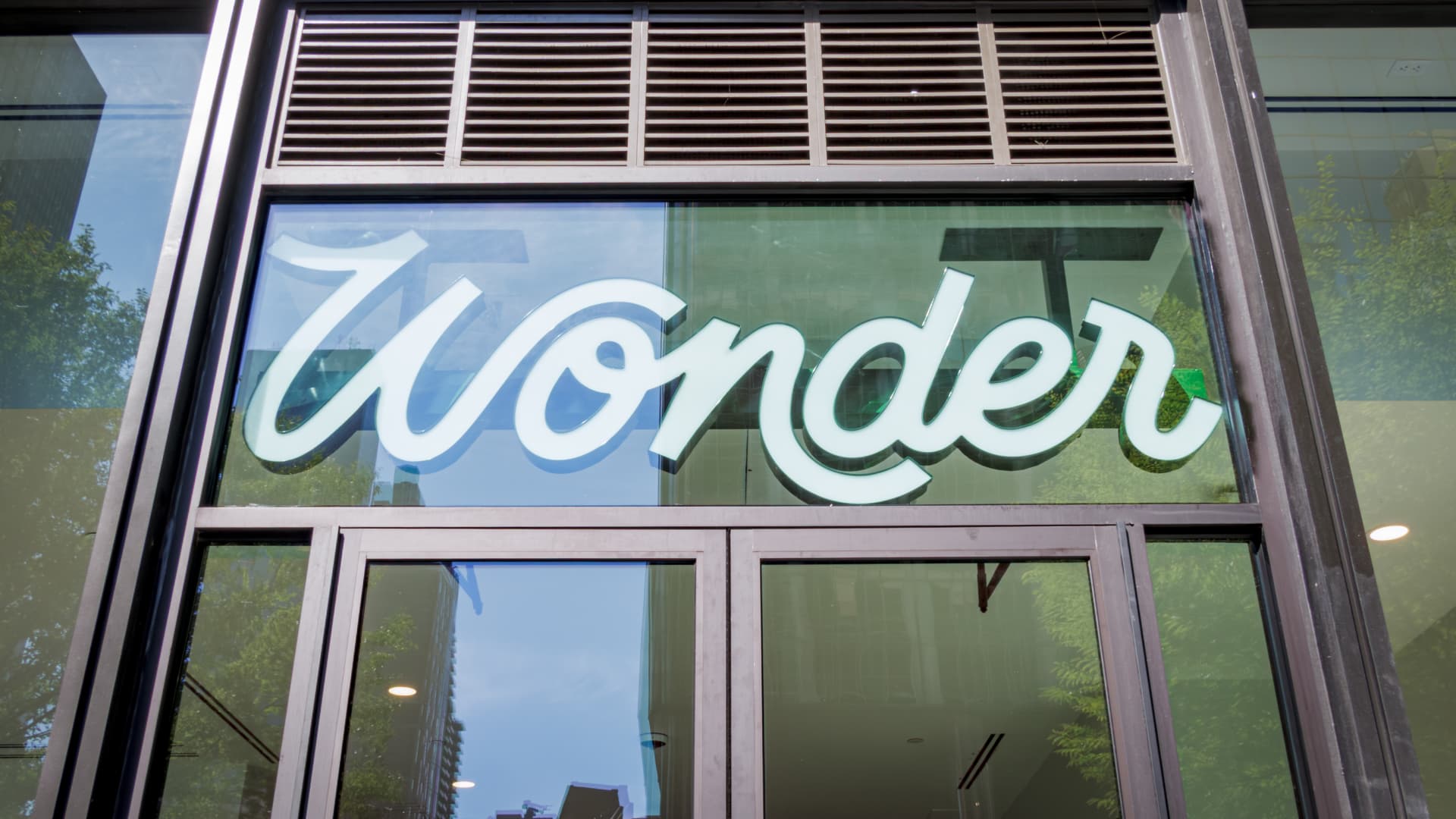
Marc Lore’s food technology platform, Wonder, is charting an aggressive course for market dominance, blending ambitious geographic expansion with cutting-edge automation and a unique user-generated restaurant model. This strategic push, underpinned by significant venture capital, signals a potential shake-up in the highly competitive food delivery and dining sector as the company prepares for a prospective initial public offering.
🗝️ Corporate Strategy Insights
- Vertical Integration & Cost Leadership. Wonder’s ownership of Grubhub and its commissary kitchen model aim to control the entire food preparation and delivery chain, reducing costs and passing savings to consumers.
- Automated Future. A long-term vision for fully autonomous food preparation and delivery by 2040 is a bold bet on operational efficiency, seeking to dramatically lower labor costs and enhance scalability.
- Market Expansion & Innovation. Rapid entry into Texas with plans for 100+ locations by 2027, coupled with innovative platforms like ‘Wonder Create’ for user-built restaurants, targets underserved areas and new revenue streams.
Serial entrepreneur Marc Lore, known for successful exits with Diapers.com and Jet.com, has raised $3.3 billion for Wonder, achieving a pre-money valuation of $9 billion. The company differentiates itself as a ‘vertically integrated food technology platform,’ aiming to make quality food more accessible and affordable than traditional delivery, partly by eliminating third-party delivery fees through its ownership of Grubhub. This integrated approach extends to its operational model, where food is prepared in commissary kitchens, then finished at local storefronts designed for quick, electric-only setup, minimizing renovation costs and regulatory hurdles. Wonder has also invested over $1 billion in strategic acquisitions, including Blue Apron and Relay, bolstering its supply chain and logistical capabilities.
Lore’s ambitious long-term goal is to achieve fully autonomous food preparation and delivery by 2040, starting with automating salad and bowl assembly. This emphasis on automation is crucial for cost control, particularly as the company plans aggressive expansion into diverse geographic markets, including urban, suburban, and rural areas that often lack varied dining options. The recent hiring of Gabrielle Scheibe Rabinovitch as CFO underscores its readiness for a potential IPO, which Lore sees as essential for raising capital and facilitating future M&A activities.
- Centralized Preparation: Food prepared in commissary kitchens enhances consistency and reduces individual store labor needs.
- Modular Storefronts: Electric-only units allow for rapid deployment in new locations, cutting build-out times and costs.
- Integrated Delivery: Owning Grubhub eliminates delivery commissions and allows for direct control over the last-mile experience, lowering consumer costs.
How Wonder’s Model Disrupts Traditional Dining
Wonder’s unique model, focusing on vertically integrated food halls and aspiring to full automation, creates a significant ripple effect across the dining and food delivery landscape. By consolidating multiple restaurant concepts under one roof and controlling the entire supply chain, from preparation to delivery, Wonder directly challenges traditional brick-and-mortar restaurants on variety and cost. The company’s strategy of entering new markets, such as Texas, with a goal of establishing over 100 locations within three years, poses a direct threat to local eateries and established delivery platforms that rely on commission structures. This aggressive market penetration, coupled with lower delivery costs for its own app users, could compel competitors to re-evaluate their pricing models and operational efficiencies.
Furthermore, Wonder’s innovation, such as the ‘Wonder Create’ platform allowing users to launch their own AI-assisted virtual restaurants from Wonder’s kitchens, democratizes restaurant ownership and potentially cultivates a new ecosystem of food entrepreneurs. This move could attract a broad base of users, from influencers to local chefs, further expanding Wonder’s menu offerings and market reach without the associated capital expenditures typically required for new restaurant concepts. The ultimate effect could be a shift in consumer expectations toward more affordable, diverse, and convenient dining options, putting pressure on competitors to innovate or risk losing market share. As reported by Bloomberg markets, the competition in this space is heating up.
‘Wonder’s vertical integration and relentless pursuit of automation represent a fundamental re-imagining of the restaurant supply chain, aiming to unlock unprecedented economies of scale in an industry historically fragmented and labor-intensive.’
Funding & Operational Scaling Indicators
While Wonder operates at a financial loss following major acquisitions like Blue Apron and Grubhub, its strategic indicators point towards a long-term play on market capture and efficiency gains. These metrics highlight investor confidence and the substantial capital required to execute its ambitious growth strategy:
- Total Funding Raised: $3.3 billion to date, showcasing strong investor backing from firms like Alphabet’s venture arm and DoorDash.
- Pre-money Valuation: $9 billion in its Series D round, reflecting significant market confidence despite unprofitability. This valuation positions Wonder as a major player in the food tech space, comparable to established brands.
- Acquisition Spending: Over $1 billion invested in key acquisitions such as Grubhub, Relay, and Blue Apron, indicating a strategy to own critical components of the food value chain and eliminate dependencies.
- Geographic Expansion Target: Aim for 100+ locations in Texas by the end of 2027, demonstrating aggressive scaling intentions beyond its current East Coast footprint of 170 storefronts.
- Customer Retention & Lifetime Value: Higher weighted average retention rate and lifetime value compared to Cava and Sweetgreen, based on Indagari transaction data, suggesting strong customer satisfaction and loyalty despite some social media critiques.
These financial and operational commitments are critical for Wonder to continue investing in its technology, infrastructure, and market penetration, laying the groundwork for future profitability through scale and automation.
Wonder’s Competitive Advantages
Wonder distinguishes itself through several key advantages that differentiate it from traditional food service and delivery models. Lore’s vision centers on a ‘vertically integrated food technology platform,’ a model that allows the company to control nearly every aspect of the food experience from sourcing to delivery. This deep integration contrasts sharply with typical third-party delivery services that merely connect restaurants with consumers, enabling Wonder to offer lower prices by bypassing commission fees and optimizing its supply chain. Its ownership of Grubhub is a critical component, granting it direct access to a vast delivery network and consumer base without incurring external charges. This strategic move helps Wonder maintain competitive pricing, a crucial factor for budget-conscious consumers.
Furthermore, Wonder’s embrace of automation, with a long-term goal of fully autonomous kitchens by 2040, positions it for significant future cost reductions and scalability. Current automation efforts in areas like salad and bowl assembly contribute to operational efficiency and consistency, which are often challenging in human-labor-dependent kitchens. The company’s flexible, electric-only storefronts, designed for quick deployment without extensive renovations, facilitate rapid geographic expansion into diverse markets, including underserved rural and exurban areas where quality dining options are scarce. This ability to quickly establish a presence in new territories, combined with a diverse menu from celebrity chef collaborations and acquired brands, provides a broad appeal that competitors struggle to match, as explored by StockXpo’s corporate growth insights.
Wonder’s Next Growth Phase: What We Think
As Wonder gears up for a potential IPO, its growth trajectory hinges on a multifaceted strategy that marries technological innovation with aggressive market expansion. The shift from mobile kitchens to brick-and-mortar food halls, coupled with significant investments in automation and the acquisition of key assets like Grubhub, showcases a deliberate, capital-intensive play for market leadership. Success will depend on the company’s ability to demonstrate sustained improvement in food quality and customer satisfaction while scaling its operations efficiently and proving a viable path to profitability.
- Wonder’s vertical integration model aims to redefine the economics of food delivery and dining.
- The company’s rapid expansion into Texas and its push towards full automation are critical for long-term scalability and cost reduction.
- User-centric innovations like ‘Wonder Create’ could unlock new revenue streams and consumer engagement.
Can Wonder effectively balance its ambitious growth with the imperative for profitability in a highly scrutinized public market?
### 📊 StockXpo Analyst’s View
Market Impact: Wonder’s IPO could inject significant capital into the food technology sector, potentially catalyzing further innovation and consolidation. Its vertically integrated, automation-focused model, if successful, may pressure established restaurant chains and delivery platforms to accelerate their own efficiency improvements and rethink their pricing strategies, potentially impacting their margins. This development signals a critical moment for the broader food service industry, highlighting the growing influence of technology-driven disruption and the ongoing battle for consumer wallets. For investors, this offers a unique opportunity to participate in a high-growth, high-risk venture in the evolving food market. You can always learn more about investing through educational insights.
Sector To Watch: The food delivery and restaurant technology sectors are poised for intense scrutiny. Companies like DoorDash and Uber Eats will need to closely monitor Wonder’s expansion and pricing strategies, especially its no-delivery-fee approach via Grubhub. Furthermore, traditional ghost kitchen operators, many of whom struggled post-pandemic, may find themselves further challenged by Wonder’s hybrid physical presence and robust vertical integration. The competitive landscape will intensify, with a focus on operational efficiency, customer acquisition costs, and the ability to scale while maintaining service quality, as highlighted by Reuters business reporting.
Financial Disclaimer:
StockXpo.com is a financial news aggregator and educational portal, not a registered investment advisor or broker-dealer. All information, news, and analysis provided herein are strictly for educational purposes and do not constitute investment, financial, legal, or tax advice. Investing in the stock market involves high risks, and past performance is not indicative of future results. StockXpo will not be liable for any financial losses or investment damages. Always consult a certified financial advisor before making market decisions.
MORE IN INSIDE BUSINESS

Young Airplane Scrapping: A $17 Million Engine Crisis Reshaping Aviation
Published: Saturday, October 24, 2026 · 8:26 AM
American Express Workforce Cuts: A Strategic AI Preparation
Published: Friday, October 23, 2026 · 9:50 AM