Published: Sunday, October 25, 2026 · 9:35 PM | Updated: Sunday, October 25, 2026 · 9:35 PM
📊 11 views




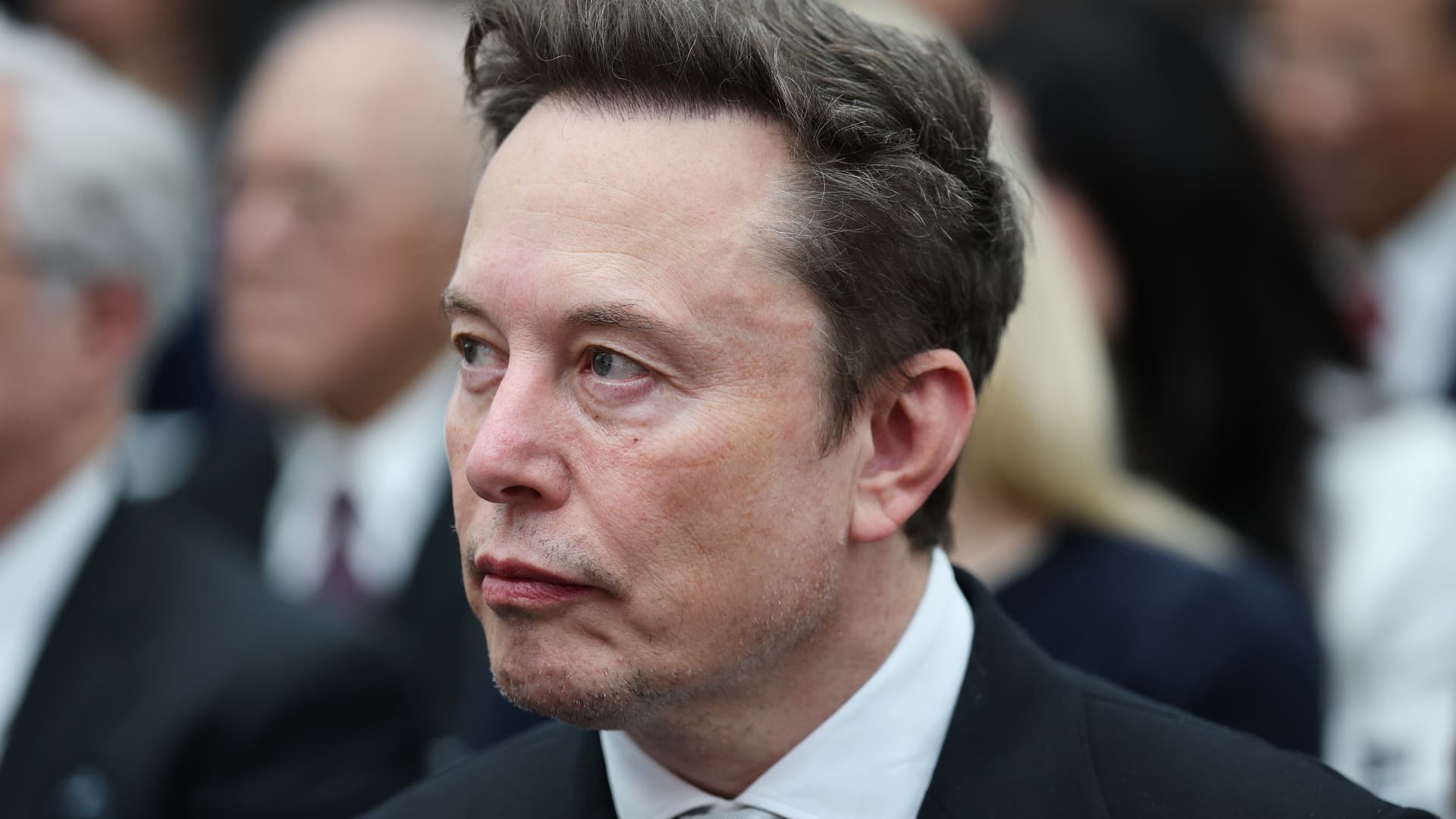
SpaceX, led by Elon Musk, has secured a monumental $40 billion debt financing package, earmarking the capital specifically for the acquisition of advanced graphics processing units (GPUs) essential for its burgeoning artificial intelligence capabilities. This strategic move highlights the company’s aggressive expansion into AI and underscores the immense capital demands shaping the current technology market trends.
🚀 Tech Strategy & Market Disruptions
- Massive AI Capital Injection. SpaceX’s $40 billion debt deal demonstrates the extraordinary capital expenditure required to compete in the high-stakes AI chip sector.
- Off-Balance Sheet Financing Innovation. Utilizing a special purpose vehicle (SPV) allows SpaceX to maintain its investment-grade credit rating while accessing significant funds for GPU procurement.
- ‘Super Intelligence’ as a Core Business. AI has rapidly become SpaceX’s largest business unit, signaling a significant shift in its strategic focus beyond aerospace.
The recent announcement by Elon Musk confirms that SpaceX has successfully closed a $40 billion debt financing agreement, primarily designated for securing high-performance GPUs—the foundational hardware for advanced artificial intelligence systems. This financial maneuver, reportedly led by Goldman Sachs and involving investors like Apollo Global Management, utilizes an off-balance-sheet special purpose vehicle. The structure is designed to preserve SpaceX’s strong investment-grade credit ratings while enabling it to make substantial investments in AI infrastructure, with chip deliveries anticipated in Q1 and Q2 of 2027 as per Musk’s X posts. This bold move positions SpaceX AI chips at the forefront of the company’s future growth strategy, reflecting a broader trend in emerging technologies.
The extraordinary sum underscores the competitive intensity and capital requirements of the global AI race. Companies are channeling billions into acquiring cutting-edge chips and building hyperscale data centers to support ever more sophisticated AI models. The original discussions about this significant financing had been reported earlier by Bloomberg, detailing SpaceX’s negotiations with banks and investors for the Nvidia chip procurement. SpaceX’s aggressive push into what it terms ‘Super Intelligence’ (SI) has rapidly transformed this segment into its most significant business unit. Recent earnings data confirms a staggering ninefold surge in third-quarter revenue for this division, reaching $7.56 billion from $813 million year-over-year.
Musk’s observations on the broader debt markets are equally telling. He noted that access to financing has largely constricted for companies lacking substantial revenue streams outside of specialized AI data centers. This dynamic is expected to precipitate widespread failures and consolidation among the more than 200 ‘neocloud’ companies—those providing cloud computing infrastructure specifically tailored for AI/ML workloads—with only a select few ultimately surviving the impending shakeout.
- The deal highlights a bifurcation in capital markets, favoring established entities with strong revenue or innovative financing mechanisms for AI infrastructure.
The acquisition of this immense GPU capacity through the $40 billion financing initiates a clear disruption flow within the AI landscape. This injection of capital for advanced hardware leads directly to enhanced computational power for SpaceX’s ‘Super Intelligence’ unit. Greater processing capability enables the development and deployment of more complex, higher-performing AI models. These models, in turn, can unlock new applications within aerospace, satellite internet, and potentially other sectors, disrupting traditional service delivery and accelerating the adoption of AI-driven solutions across various industries. The shift further solidifies SpaceX’s vertical integration strategy, potentially creating a significant competitive advantage over pure-play AI software firms by controlling both hardware and specialized AI development.
‘Securing $40 billion for AI chips through innovative debt structures isn’t just a financial transaction; it’s a strategic declaration,’ states a lead solution architect at StockXpo. ‘It signals that access to top-tier computational resources is now the critical choke point for AI dominance, forcing companies to explore novel financing mechanisms beyond traditional equity raises to fuel innovation at an unprecedented scale.’
The financial implications and growth trajectory of SpaceX’s ‘Super Intelligence’ division are evident in its recent performance:
| Metric | Detail |
|---|---|
| Total Debt Financing for GPUs | $40 billion |
| SI Q3 Revenue (Current Year) | $7.56 billion |
| SI Q3 Revenue (Prior Year) | $813 million |
| SI Revenue Growth (YoY) | 9x increase |
| Expected GPU Arrival | Q1 and Q2 2027 |
Decoding SpaceX Platform Architecture for AI Supremacy
SpaceX’s existing infrastructure, built around its Starlink satellite constellation and advanced rocket technology, provides a unique foundation for its AI ambitions. The company’s ‘Super Intelligence’ platform likely leverages a distributed computing model, integrating ground-based data centers with potential edge processing capabilities on satellites themselves. This architecture would enable low-latency data analysis for applications like autonomous spacecraft navigation, enhanced satellite imagery processing, and real-time network optimization for Starlink. The sheer volume of data generated by its aerospace operations offers a proprietary training ground for sophisticated AI models, creating a feedback loop for continuous improvement and a significant barrier to entry for competitors. This platform architecture is crucial for realizing the full potential of their GPU investment.
SpaceX Ecosystem Expansion Potential: Beyond Rockets and Satellites
The strategic investment in SpaceX AI chips significantly broadens the company’s ecosystem expansion potential beyond its core launch and internet services. With robust AI capabilities, SpaceX could develop entirely new revenue streams: offering AI-powered data analytics for earth observation, developing advanced robotics for manufacturing and space operations, or even licensing specialized AI models for complex engineering challenges. The potential for cross-pollination between its SI unit and other divisions—such as autonomous drone fleets for rocket maintenance or AI-optimized supply chains for Starship production—is immense. This move is not merely about enhancing existing operations but about laying the groundwork for a new generation of AI-driven ventures, offering profound educational tech insights into industry shifts.
SpaceX’s AI Ascent: What This Capital Infusion Means
The massive $40 billion debt deal for SpaceX AI chips marks a defining moment in the company’s trajectory, cementing its commitment to becoming a dominant force in artificial intelligence. This capital infusion provides the necessary horsepower to accelerate its ‘Super Intelligence’ unit, potentially yielding transformative applications across its diverse portfolio.
- Accelerated AI Development: Direct access to top-tier GPUs will significantly reduce AI development cycles and enhance model performance.
- Competitive Edge: The scale of this investment sets SpaceX apart, enabling it to build AI infrastructure rivaling dedicated cloud providers.
- Market Consolidation: Expect intensified pressure on smaller AI cloud companies as giants like SpaceX command more resources.
Can this unprecedented investment truly unlock a new era of innovation for SpaceX, fundamentally altering its market position and the broader AI industry?
📊 StockXpo Analyst’s View
Market Impact: This financing deal by SpaceX injects a substantial amount of capital directly into the AI infrastructure ecosystem, signaling robust demand for high-performance GPUs. It could tighten the supply of leading-edge AI chips, potentially benefiting suppliers like Nvidia and exacerbating challenges for smaller players in securing compute power. The off-balance-sheet structure is a clever financial engineering move that may inspire similar strategies among other highly rated companies looking to fund capital-intensive projects without impacting core balance sheets, a trend often covered by leading financial news services.
Sector To Watch: Investors should keenly observe the ‘neocloud’ sector and specialized AI infrastructure providers. This move by SpaceX, combined with Elon Musk’s prognosis, foreshadows significant consolidation and potential M&A activity. Additionally, companies developing AI applications in aerospace, satellite communications, and logistics could see accelerated innovation or face heightened competition from vertically integrated players.
Financial Disclaimer:
StockXpo.com is a financial news aggregator and educational portal, not a registered investment advisor or broker-dealer. All information, news, and analysis provided herein are strictly for educational purposes and do not constitute investment, financial, legal, or tax advice. Investing in the stock market involves high risks, and past performance is not indicative of future results. StockXpo will not be liable for any financial losses or investment damages. Always consult a certified financial advisor before making market decisions.
MORE IN INSIDE TECHNOLOGY

AI Buildout Hits Credit Headwinds: Neoclouds Under Pressure
Published: Saturday, October 24, 2026 · 12:23 AM

SK Hynix Shares Rebound: A Strategic Shift in Semiconductor Funding
Published: Friday, October 23, 2026 · 1:46 AM