Published: Saturday, October 24, 2026 · 12:23 AM | Updated: Saturday, October 24, 2026 · 12:23 AM
📊 16 views




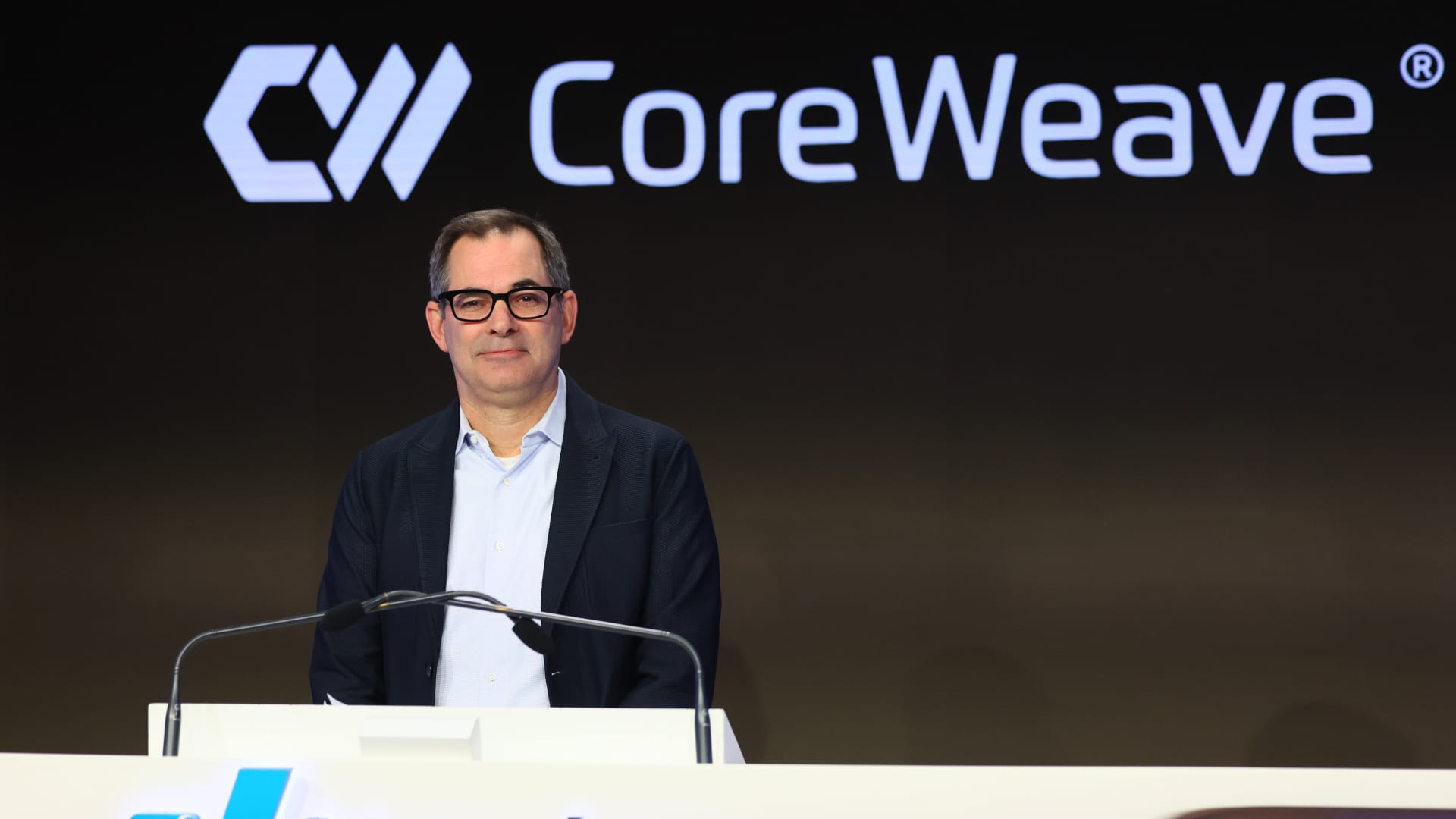
The ambitious AI buildout driving recent market optimism is confronting significant credit strains and investor skepticism, particularly impacting nascent ‘neocloud’ providers. A turbulent week saw soaring credit default swaps, critical IPOs pulled, and major tech players facing increased capital expenditures and negative cash flow.
🚀 Tech Strategy & Market Disruptions
- Neocloud Volatility. Emerging cloud providers like CoreWeave, Nebius, and IREN experienced sharp stock declines and rising credit default swap (CDS) spreads, indicating heightened default risk.
- IPO Cancellations. SK Hynix’s Solidigm unit withdrew its planned IPO, citing market volatility, reflecting broader investor apprehension about capital-intensive AI ventures.
- Hyperscaler Financial Pressure. Meta reported negative free cash flow and increased capital expenditure forecasts, alongside record CDS spreads for Nvidia and Oracle, signaling financial strain even among tech giants.
The artificial intelligence infrastructure sector is exhibiting clear signs of stress, prompting a re-evaluation of the investment frenzy that has propelled tech markets. Neocloud companies, specialized providers of GPU-intensive computing power for AI workloads, have seen their valuations erode dramatically. CoreWeave, a prominent player, saw its credit default swap spreads surge past 11% and bond yields exceed 15%, levels typically associated with distress, as reported by CNBC.
This capital crunch extends beyond the U.S., with South Korea’s Elice Group experiencing a 30% plunge on its market debut and Australia’s NextDC slashing its earnings forecast after a 39.5% stock drop. Gartner analysts predict that by 2030, 80% of neocloud firms will either cease operations or be acquired, underscoring the formidable market adoption challenges these specialized providers face in a competitive landscape. Despite the cautionary indicators, Nvidia CEO Jensen Huang maintains a bullish outlook, stating that demand for neoclouds remains ‘off the charts’ and capital availability issues will be resolved.
SK Hynix’s decision to pull the IPO of its Solidigm unit, acquired from Intel in 2021, directly reflects increasing market volatility and investor hesitations. This move, announced on Thursday, highlights that even established entities with significant AI ties are not immune to the cooling sentiment around high-growth, capital-intensive tech plays.
- CoreWeave’s CDS spreads exceeded 11%, with 2031/2032 unsecured note yields topping 15%.
- Meta reported negative free cash flow of over $2 billion in Q3, increasing full-year capex to $135 billion.
- Meta’s five-year CDS reached record highs over 124 basis points, alongside Nvidia (126 bps) and Oracle (343 bps).
- Alphabet shares dropped 6%, Microsoft and Amazon less than 1%, ahead of earnings.
As a CTO, the shifting dynamics in the AI buildout underscore a critical architectural tenet: scalable innovation must be financially sustainable. Rapid capital deployment without clear ROI pathways creates systemic risk, turning cutting-edge infrastructure into balance sheet liabilities rather than strategic assets. It compels us to reassess consumption models, scrutinize vendor lock-in, and prioritize resilient, cost-optimized tech stacks over sheer computational horsepower.
This climate of rising credit risk and IPO cancellations creates a significant disruption flow: strained balance sheets → increased cost of capital for AI infrastructure → slower expansion of critical computing resources → potential deceleration in AI model development and deployment for firms reliant on external compute. This ripple effect could impact how companies approach new technology market trends, influencing everything from startup funding to established enterprise digital transformation efforts.
| Company/Entity | Key Metric Impact | Specific Value |
|---|---|---|
| CoreWeave | CDS Spreads | >11% |
| CoreWeave | Unsecured Note Yields | >15% |
| Meta | Q3 Free Cash Flow | -$2B |
| Meta | Full-Year Capex Forecast | $135B (from $130B) |
| Meta | 5-Year CDS Spreads | >124 bps |
| Nvidia | 5-Year CDS Spreads | 126 bps |
| Oracle | 5-Year CDS Spreads | 343 bps |
| SK Hynix (Solidigm) | IPO Status | Pulled |
Neocloud Market Adoption Challenges
The burgeoning neocloud sector, while critical for the specialized computing demands of modern AI, faces an existential challenge in achieving widespread market adoption and financial viability. Unlike hyperscalers such as AWS, Azure, and Google Cloud, neoclouds often lack the diversified revenue streams, extensive customer bases, and deep pockets necessary to weather prolonged periods of heavy capital expenditure and tight credit. Their focus on highly specialized GPU infrastructure means their fortunes are tied closely to the profitability and sustainability of AI development itself. The recent surge in credit default swaps and bond yields indicates that investors are increasingly questioning the long-term cash flow generation and debt servicing capabilities of these focused providers, pushing many towards potential consolidation or operational cessation if they cannot demonstrate clearer paths to profitability. This pressure makes it imperative for any firm looking into emerging technologies to evaluate the financial stability of their infrastructure partners.
AI Infrastructure Ecosystem Expansion Potential
Despite the immediate turbulence, the long-term demand for AI infrastructure remains robust, suggesting significant ecosystem expansion potential once market corrections stabilize. The current headwinds, while painful, may serve to rationalize an overheated market, separating financially sound and technologically superior providers from those built on speculative capital. This consolidation could lead to more stable, specialized offerings, potentially fostering greater collaboration between dedicated GPU providers and traditional hyperscalers. Furthermore, as AI models become more sophisticated, the need for specialized compute, advanced cooling, and efficient power solutions will only grow. This creates opportunities for innovation in adjacent areas, from purpose-built data centers to advanced networking and cybersecurity solutions tailored for AI workloads. Companies capable of demonstrating clear value propositions and strong operational efficiency will be well-positioned to capitalize on the sustained growth in demand for the underlying computational fabric of AI, offering valuable educational tech insights for those navigating the evolving landscape.
The AI Buildout: Navigating a Maturing Investment Landscape
The recent turmoil signals a crucial maturation phase for the artificial intelligence buildout. The initial gold rush mentality is giving way to a more discerning market, where financial prudence and sustainable business models are paramount. Investors are increasingly scrutinizing the return on investment for massive capital expenditures in AI infrastructure, forcing companies to prove the economic viability of their ambitious projects.
- Companies reliant on external capital or highly specialized infrastructure face intense pressure to demonstrate clear profitability.
- The market is signaling a shift from speculative growth to a focus on sustainable cash flow and debt management.
- Even tech giants are not immune to the financial strains, emphasizing the capital intensity of the AI race.
Will this credit tightening slow down the pace of AI innovation, or merely redirect capital to more robust, proven platforms?
📊 StockXpo Analyst’s View
Market Impact: The rising credit default swaps and canceled IPOs reflect growing investor anxiety over the financial sustainability of the AI infrastructure boom. This shift could lead to a capital flight from highly leveraged AI startups and neocloud providers, favoring established hyperscalers with stronger balance sheets. We expect increased market volatility and a re-rating of AI-dependent stocks as investors demand clearer pathways to profitability and responsible capital allocation.
Sector To Watch: The semiconductor and data center sectors are directly impacted. While core chipmakers like Nvidia may still see demand, the valuations of companies purely focused on AI compute hosting or specialized storage (like NAND/SSD for data centers) will come under intense scrutiny. Furthermore, software and service providers that can optimize existing AI infrastructure for efficiency, rather than requiring new hardware investments, could gain a competitive edge.Bloomberg’s leading tech financial news reinforces this view, while global technology sector reports highlight similar concerns globally.
Financial Disclaimer:
StockXpo.com is a financial news aggregator and educational portal, not a registered investment advisor or broker-dealer. All information, news, and analysis provided herein are strictly for educational purposes and do not constitute investment, financial, legal, or tax advice. Investing in the stock market involves high risks, and past performance is not indicative of future results. StockXpo will not be liable for any financial losses or investment damages. Always consult a certified financial advisor before making market decisions.
MORE IN INSIDE TECHNOLOGY

SK Hynix Shares Rebound: A Strategic Shift in Semiconductor Funding
Published: Friday, October 23, 2026 · 1:46 AM

AI Innovation Fuels Southeast Asia’s Digital Growth
Published: Thursday, October 22, 2026 · 12:36 AM