Published: Wednesday, September 23, 2026 · 8:27 PM | Updated: Wednesday, September 23, 2026 · 8:27 PM
📊 1,132 views




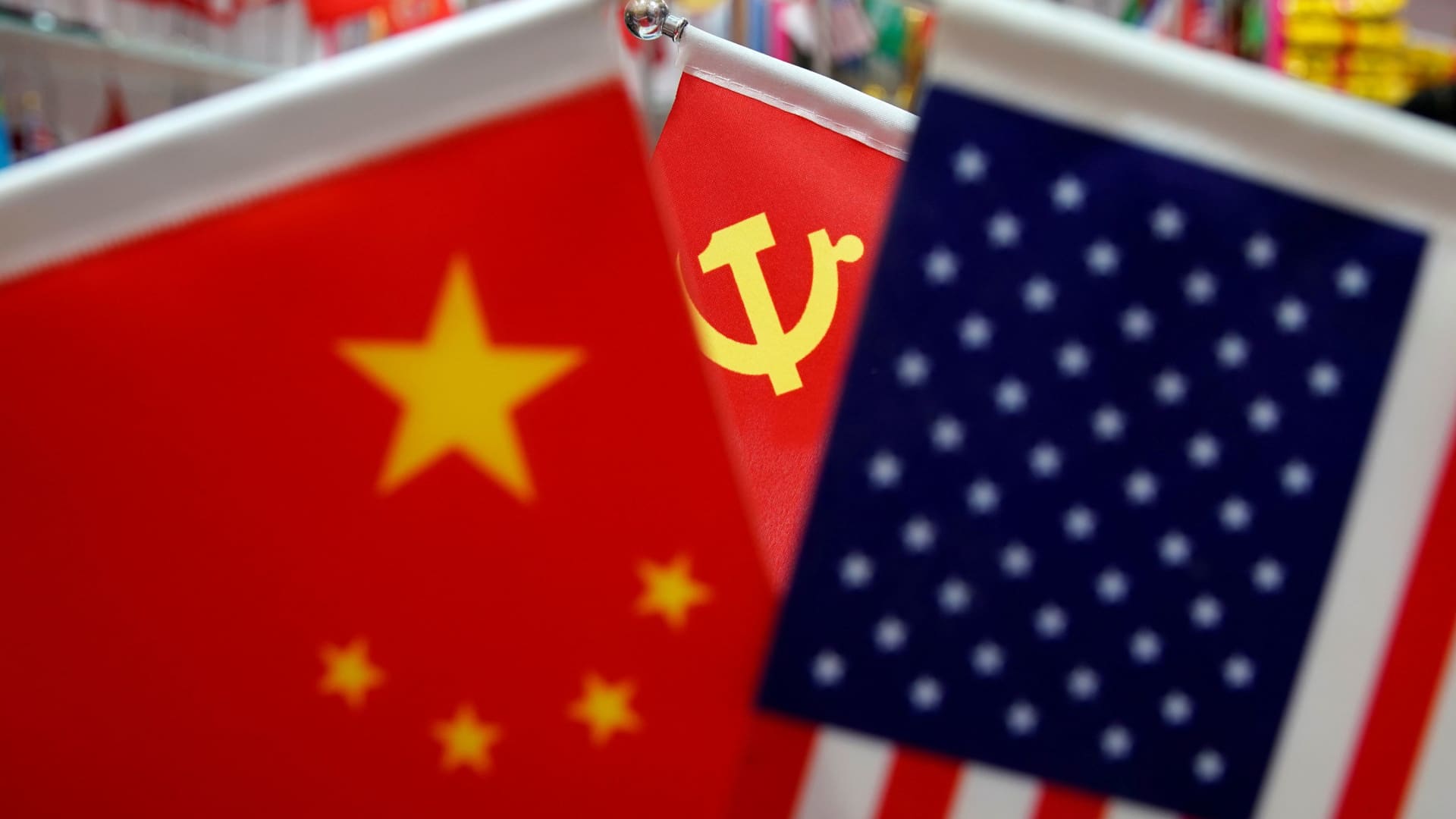
U.S. Treasury Secretary Scott Bessent announced a two-month extension of the U.S.-China trade truce, a development that provides immediate relief but falls short of market expectations for a longer commitment. This short-term extension is poised to influence market liquidity and investment strategies as geopolitical tensions remain a key factor in asset valuation.
💰 Financial Strategy & Market Insights
- Brief Extension. The U.S.-China trade truce was extended by only two months, expiring January 10, 2026, significantly shorter than the anticipated six-month or longer duration, as noted by U.S. Treasury Secretary Scott Bessent on Fox News.
- Tariff Relief & Rare Earths. The extension maintains lower tariffs and ensures the continued flow of rare earths, critical for various industrial sectors, thereby mitigating immediate supply chain disruptions.
- AI Dialogue. Discussions between Bessent and Chinese Vice Premier He Lifeng also focused on establishing an alert system for artificial intelligence incidents, highlighting an emerging area of bilateral cooperation amidst trade complexities.
The unexpected brevity of the U.S.-China trade truce extension to January 10, 2026, announced by U.S. Treasury Secretary Scott Bessent during Chinese President Xi Jinping’s state visit to Washington, D.C., introduces a new layer of uncertainty into global markets. While the extension averts an immediate re-escalation of tariffs and ensures the continuity of rare earth supplies—a vital component for tech and defense industries—its two-month duration is notably shorter than the six-month or longer period many analysts had forecast, as reported by CNBC. This shorter timeframe suggests that while both nations are keen to de-escalate, significant hurdles remain in reaching a more comprehensive trade agreement.
This development directly impacts market liquidity, as investors must now reassess the longevity of current trade conditions. The lack of a long-term framework could lead to heightened volatility in sectors heavily reliant on U.S.-China trade, such as technology, manufacturing, and agriculture. Companies operating in these areas may face challenges in long-term capital planning, potentially reallocating investments or seeking diversification strategies to mitigate geopolitical risks. Asset valuation across global equity markets will likely reflect this renewed uncertainty, with risk premiums for certain China-exposed assets potentially rising.
Further, the discussions between Bessent and Chinese Vice Premier He Lifeng to establish an alert system for artificial intelligence incidents, though separate from the trade truce, signal an evolving landscape of bilateral engagement. This indicates a recognition of shared risks in emerging technologies, even as economic rivalries persist. For a broader perspective on market dynamics, investors often refer to comprehensive market analysis. The immediate implication for investment trends is a likely cautious stance, particularly concerning long-term commitments in sectors vulnerable to trade policy shifts.
- Short-Term Stability: The extension provides temporary stability by preventing immediate tariff hikes, which can temporarily boost investor confidence in affected sectors.
- Commodity Impact: The continued flow of rare earths stabilizes prices and supply chains for key manufacturing industries globally.
- Renewed Pressure: The short duration places renewed pressure on both administrations to make substantive progress on trade issues before the next deadline.
Risk vs. Reward: Evaluating the Trade Truce Extension
- Upside:
- Temporary alleviation of tariff fears, providing a brief window for market stability and potential short-term gains in trade-sensitive equities.
- Continued rare earth supply ensures stability for high-tech manufacturing and defense industries, preventing immediate price spikes or supply shortages.
- Opportunity for U.S. and China to address specific deliverables and build limited trust, potentially leading to future, more robust agreements.
- Downside Risks:
- The short, two-month extension maintains significant uncertainty, leading to persistent market volatility and reluctance for long-term capital commitments.
- Increased risk premiums for companies with substantial exposure to China, potentially depressing valuations and impacting investor appetite.
- Failure to achieve deliverables by the January 10 deadline could result in renewed trade hostilities, disrupting supply chains and global economic growth.
Market liquidity, in this context, refers to the ease with which assets can be bought or sold without significantly impacting their price. A shorter U.S.-China trade truce creates ‘policy liquidity risk’—the uncertainty surrounding future trade regulations makes investors hesitant, potentially reducing trading volumes and increasing price volatility for trade-sensitive assets.
Key Economic Indicators: Initial Reactions to the Truce
- Trade Volume Projections: Analysts from major financial institutions like Reuters Finance are closely watching Q4 2025 and Q1 2026 trade data for early signs of how the abbreviated truce impacts bilateral goods movement.
- Tariff Cost Mitigation: The extension temporarily saves U.S. and Chinese businesses millions in potential tariff costs, offering short-term relief for import/export margins.
- Rare Earths Market Stability: Continuation of current rare earth policies supports stable pricing, benefiting industries from electric vehicles to advanced electronics, preventing speculative spikes.
Global Markets Liquidity Analysis: Navigating Geopolitical Headwinds
The global markets are currently navigating a complex liquidity environment, where capital flows are increasingly sensitive to geopolitical developments. The two-month U.S.-China trade truce extension, while preventing immediate tariff escalations, acts more as a temporary pause than a definitive resolution. This short timeframe could lead to an ‘on-hold’ approach for many institutional investors, who may hoard cash or favor highly liquid, less volatile assets, thus reducing overall market depth in riskier segments. Corporations might delay significant capital expenditures until a clearer trade policy emerges, further impacting credit markets and corporate bond liquidity. Insights into global capital allocation are often available through financial sector reports.
Key Commodities Market Sentiment Tracker: Copper and Beyond
Market sentiment for key commodities, particularly those tied to global manufacturing and infrastructure like copper and industrial metals, remains a critical indicator. The extension of the U.S.-China trade truce offers temporary support by reducing immediate fears of demand destruction in China, a major consumer. However, the short duration limits the bullish momentum, keeping sentiment cautiously optimistic rather than exuberantly positive. Traders are likely to remain reactive to any new statements or negotiation updates, leading to increased intra-day volatility. Beyond traditional commodities, the discussions around AI alert systems hint at future areas of cooperation that could influence the market for specialized tech minerals.
The U.S.-China Trade Truce: Implications for 2026 Capital Shifts
The two-month extension of the U.S.-China trade truce sets a cautious tone for global markets into early 2026, creating a period of watchful waiting rather than decisive action. This limited reprieve underscores the persistent geopolitical complexities influencing asset valuation and capital shifts, urging investors to prioritize agile risk management strategies.
- Short-term market gains may be fleeting, replaced by renewed uncertainty as the January 10 deadline approaches.
- Sectoral impacts will be uneven, with industries heavily reliant on bilateral trade facing continued pressure for diversification.
- Increased focus on domestic demand drivers and resilient supply chains will likely characterize investment trends in the coming months.
How will the global investment landscape truly adapt to this recurring cycle of geopolitical negotiation?
📊 StockXpo Analyst’s View
Market Impact: The brevity of this U.S.-China trade truce extension signals that underlying tensions remain unresolved, maintaining a persistent overhang on investor sentiment. While immediate trade war fears are assuaged, the short timeline could trigger accelerated volatility and cautious capital deployment, particularly in growth-oriented assets. We anticipate a flight to quality as institutional investors re-evaluate portfolio exposures to geopolitical risk, potentially boosting safe-haven assets and observing global market movements.
Sector To Watch: Given the focus on rare earths and potential tariff shifts, sectors like advanced manufacturing, semiconductors, and renewable energy, which are highly dependent on global supply chains and critical materials, warrant close observation. Additionally, the nascent dialogue on AI cooperation suggests future opportunities or risks within the artificial intelligence and cybersecurity industries, making them relevant for long-term strategic insights, often found on StockXpo’s blog.
Financial Disclaimer:
StockXpo.com is a financial news aggregator and educational portal, not a registered investment advisor or broker-dealer. All information, news, and analysis provided herein are strictly for educational purposes and do not constitute investment, financial, legal, or tax advice. Investing in the stock market involves high risks, and past performance is not indicative of future results. StockXpo will not be liable for any financial losses or investment damages. Always consult a certified financial advisor before making market decisions.
MORE IN INSIDE FINANCE

China’s Exports Surge: Unpacking Global Trade Growth and Asset Implications
Published: Wednesday, October 14, 2026 · 2:14 AM

Singapore Haven: Stability Yields Opportunity Amid Global Volatility
Published: Tuesday, October 13, 2026 · 12:19 AM