Published: Wednesday, September 23, 2026 · 9:28 PM | Updated: Wednesday, September 23, 2026 · 9:28 PM
📊 105 views




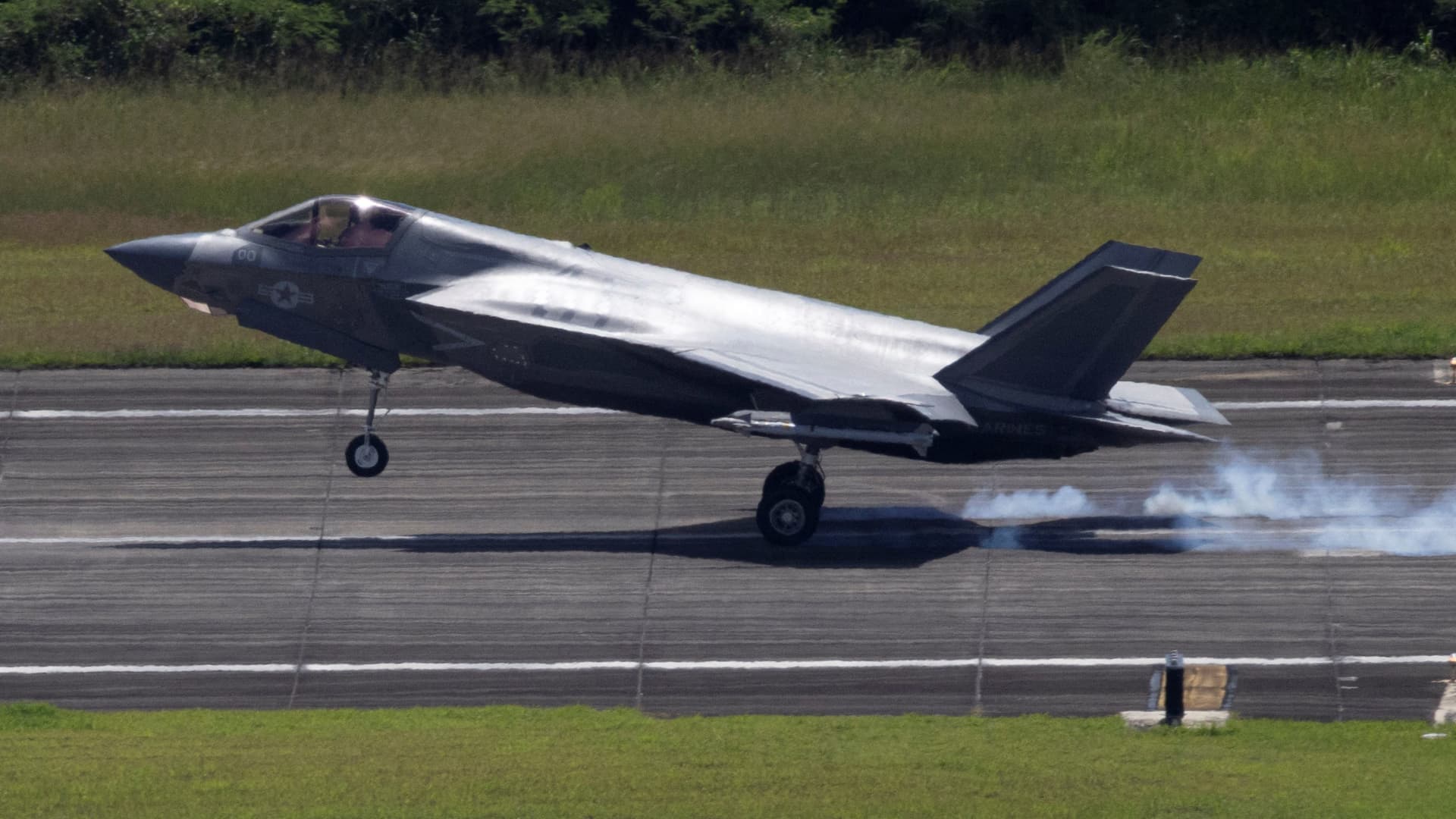
A significant lapse in security has emerged with reports of sensitive F-35 components inexplicably diverted to Hong Kong, raising alarms across international defense and technology sectors. This incident underscores profound vulnerabilities within global supply chains for advanced military hardware, demanding immediate scrutiny into logistical protocols and geopolitical implications, and impacting future technology market trends.
🚀 Tech Strategy & Market Disruptions
- Supply Chain Vulnerability Exposed. The unexpected diversion of highly sensitive F-35 components exposes critical weaknesses in defense logistics, potentially impacting future technology transfers and intellectual property security.
- Geopolitical Tensions Amplified. This incident intensifies concerns regarding China’s alleged efforts to acquire advanced military technology, adding complexity to U.S.-Sino relations and global defense strategies.
- Rethinking Export Controls. Allies like Australia, alongside the U.S. and Lockheed Martin, will likely reassess export control mechanisms and shipping protocols for classified defense assets, potentially leading to stricter oversight and new tech solutions for tracking.
Reports indicate that Chinese authorities are now in possession of critical F-35 components, specifically a cockpit canopy and a weapons bay door, both vital for the aircraft’s stealth capabilities due to their radar-absorbing material. The parts were reportedly en route from Australia to the United States via shipping giant UPS in late May when they were mysteriously diverted to Hong Kong, as detailed by Bloomberg’s reporting on technology. This incident immediately triggered an international investigation involving the U.S., Australia, and Lockheed Martin, the manufacturer of the fifth-generation stealth fighter. Australian Defense Minister Richard Marles acknowledged the shipment and stated cooperation with the U.S. and Lockheed Martin, though he initially suggested no sensitive parts were involved, a claim contradicted by later reports regarding the specialized coatings, as reported by Reuters on advanced tech.
The F-35 program is highly restricted, with Washington carefully controlling its sale to only the closest partners and allies, underlining the sensitivity of any breach involving its technology. Previous instances, such as Turkey’s exclusion from the F-35 program in 2019 following its purchase of Russia’s S-400 anti-aircraft system, illustrate the U.S.’s stringent approach to protecting its military intellectual property. U.S. prosecutors have, in fact, previously indicted Chinese nationals for targeting F-35-related military data in espionage cases, highlighting a persistent threat landscape. For more insights into emerging technologies and their implications, visit our technology section.
The recent approval of a $24 billion F-35 sale to Saudi Arabia has already drawn apprehension from U.S. lawmakers, including Congressman Raja Krishnamoorthi (D-IL), who cited intelligence warnings that such a transfer ‘could put the crown jewels of American military technology within reach of the Chinese Communist Party.’ The ongoing investigation is crucial for understanding how such a diversion could occur and what measures need to be implemented to prevent future incidents. The involvement of a major commercial shipper like UPS brings into focus the intersection of defense logistics and civilian supply chain vulnerabilities, prompting a re-evaluation of security protocols for highly classified materials in transit.
- The F-35 fighter jet, produced by Lockheed Martin, is a cornerstone of allied air superiority, utilizing advanced stealth technology.
- The components involved — a cockpit canopy and weapons bay door — are coated with radar-absorbing material crucial for the F-35’s low-observability characteristics.
- The incident highlights the persistent threat of industrial espionage and technology transfer concerns, particularly involving nation-states with advanced military ambitions.
The unexplained diversion of F-35 components creates a direct cause-and-effect chain with significant disruptive potential. This incident — an alleged compromise in defense logistics — leads to immediate risks of technology transfer and intellectual property theft. The consequence is a necessary re-evaluation of global supply chain security protocols, particularly for high-value military assets. This, in turn, could prompt stricter export controls and vetting processes for commercial carriers involved in defense shipments, ultimately impacting the cost and timeline of future defense collaborations.
‘The diversion of sensitive F-35 components isn’t merely a logistical failure; it’s a stark reminder of the persistent and evolving threat landscape in digital and physical supply chains for critical defense technologies. Organizations must architect ‘zero-trust’ principles into every layer of their supply network, from manufacturer to end-user, leveraging real-time telemetry and AI-driven anomaly detection to identify and mitigate such sophisticated infiltration attempts before they escalate into geopolitical crises. For further educational tech insights, explore our blog.’
- F-35 Program Value: A recent sale of F-35s to Saudi Arabia was valued at $24 billion, indicating the high financial and strategic stake in these aircraft.
- Exclusion Precedent: Turkey was removed from the F-35 program in 2019 following its acquisition of the Russian S-400 system, demonstrating the U.S. commitment to safeguarding F-35 technology.
- Espionage History: U.S. prosecutors indicted Chinese nationals in 2024 for targeting F-35-related data, underscoring ongoing intelligence threats.
F-35 Security & Infrastructure Strength Under Scrutiny
The F-35 Lightning II program, a multi-national effort led by Lockheed Martin, represents the pinnacle of modern aerospace engineering and stealth technology. Its security architecture encompasses not just the physical aircraft but also its intricate global supply chain, software, and operational data. This recent diversion exposes potential weaknesses not in the F-35’s inherent design, but in the ‘last mile’ security of its logistics and infrastructure. Each component, especially those with advanced radar-absorbing material, is critical to the F-35’s operational integrity and strategic advantage. The incident demands a deep dive into how secure data flows, GPS tracking, tamper-proof packaging, and real-time shipment monitoring systems can be robustly integrated across international borders and commercial carriers. The implications extend beyond military hardware to any high-value intellectual property that relies on complex, global supply chains for distribution and maintenance. Strengthening this infrastructure requires a blend of advanced cryptography, blockchain-like immutable ledger systems for tracking, and enhanced human oversight at every transit point.
F-35 Market Adoption Challenges from Geopolitical Risk
Despite its unparalleled capabilities, the market adoption of the F-35 platform faces unique challenges, significantly amplified by geopolitical risks like the recent component diversion. While countries such as Japan, Canada, and Singapore have placed orders, and users include the U.S., Australia, and Belgium, the incident could prompt stricter conditions on future sales and transfers. Potential buyers might face heightened scrutiny, extended approval processes, and additional security requirements, increasing the cost and complexity of integration. Furthermore, the risk of technology falling into adversarial hands can deter some nations from adopting highly advanced U.S. military platforms, seeking alternatives that might offer less performance but perceived higher security control. This dynamic could shift future defense spending patterns, influencing research and development into indigenous defense technologies or diversified international partnerships. The F-35’s global reach and operational presence—including its deployment during the Iran conflict where one aircraft sustained damage, as per the Department of Defense—underscore the global stakes involved in maintaining the integrity of its supply chain and intellectual property.
The Ripple Effect of F-35 Components on Future Defense Partnerships
The reported diversion of F-35 components to Hong Kong marks a critical juncture for international defense cooperation and supply chain security. This incident necessitates an immediate overhaul of logistical protocols for sensitive military technology, setting a precedent for how nations safeguard their most valuable assets. The ramifications will undoubtedly extend to how defense contracts are negotiated and executed globally.
- Enhanced vigilance and advanced tracking technologies will become standard requirements for defense-related shipments.
- Geopolitical trust between allies and potential adversaries will be re-evaluated, potentially influencing future arms deals and technology sharing.
- Defense contractors like Lockheed Martin may face increased pressure to implement end-to-end encrypted logistics and more resilient supply chain architectures.
How will this event reshape the global landscape of advanced military technology transfers and secure digital transformation initiatives across defense sectors?
📊 StockXpo Analyst’s View
Market Impact: This incident, centered around F-35 components, could introduce significant uncertainty for defense contractors, potentially leading to increased compliance costs and a slowdown in international sales as security protocols are re-evaluated. Investor sentiment in the aerospace and defense sector, particularly for firms with global supply chains, might experience short-term volatility. The event underscores the escalating importance of cybersecurity and supply chain resilience within the defense industry, which could drive investment into specialized tech solutions.
Sector To Watch: The cybersecurity and defense technology sectors are poised for increased investment and innovation. Companies offering advanced tracking, encryption, and supply chain integrity solutions will likely see elevated demand. Furthermore, integrated logistics platforms that leverage AI and blockchain for immutable audit trails will become critical for safeguarding sensitive assets, indicating a potential growth area for enterprise tech providers.
Financial Disclaimer:
StockXpo.com is a financial news aggregator and educational portal, not a registered investment advisor or broker-dealer. All information, news, and analysis provided herein are strictly for educational purposes and do not constitute investment, financial, legal, or tax advice. Investing in the stock market involves high risks, and past performance is not indicative of future results. StockXpo will not be liable for any financial losses or investment damages. Always consult a certified financial advisor before making market decisions.
MORE IN INSIDE TECHNOLOGY

Anthropic Pentagon Blacklisting: A Major Risk for AI’s Public Sector Role
Published: Wednesday, October 14, 2026 · 12:03 AM

Bond Yields Under Pressure: IMF Warns of ‘Disorderly’ Spike Driven by AI Debt and Inflation
Published: Tuesday, October 13, 2026 · 1:21 AM