Published: Wednesday, September 23, 2026 · 8:42 AM | Updated: Wednesday, September 23, 2026 · 8:42 AM
📊 275 views




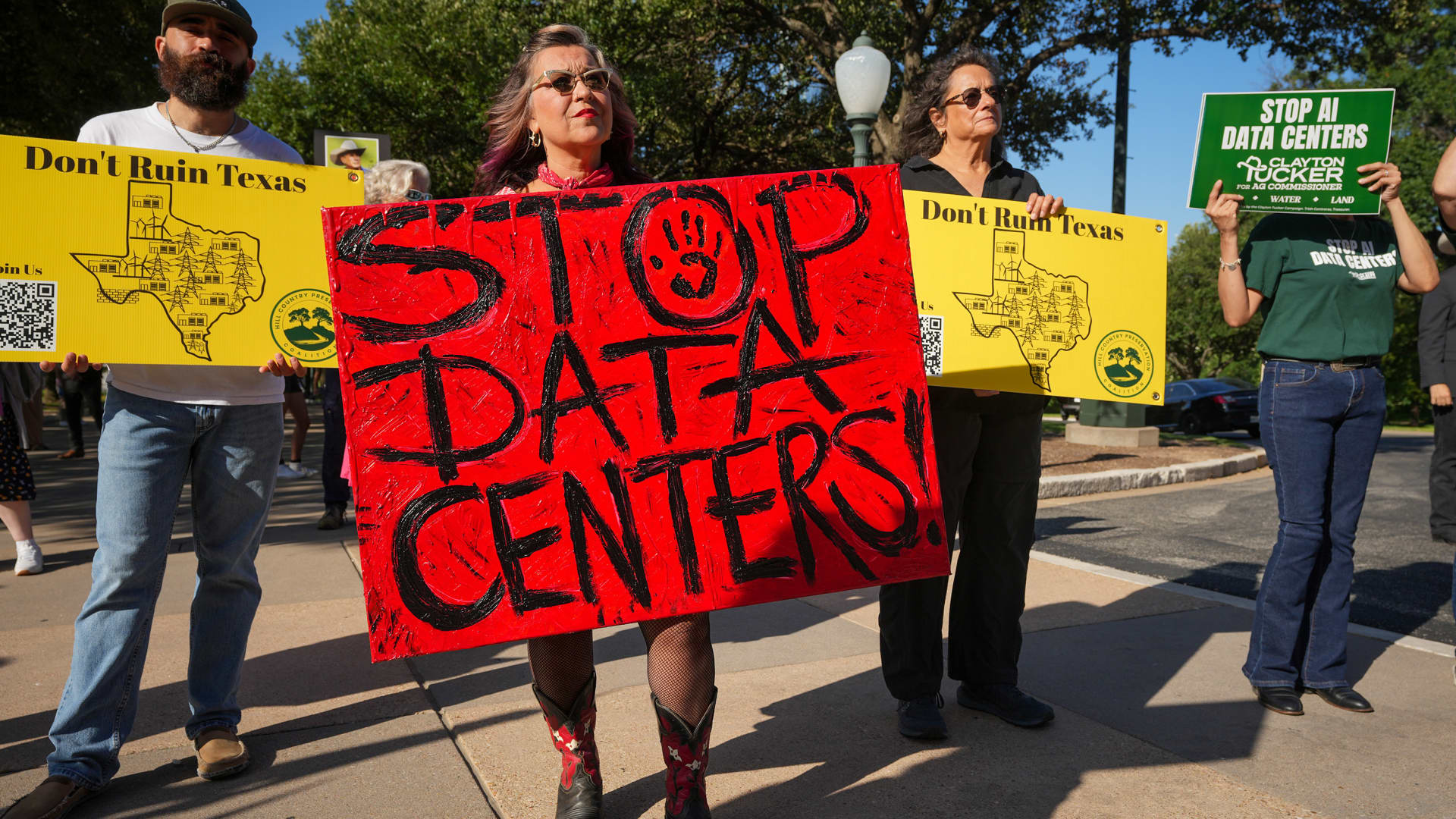
Texas, a long-standing bastion for business-friendly development, is witnessing an unexpected political pivot as widespread data center opposition emerges as a potent electoral force. This grassroots movement, fueled by concerns over resource consumption and local impact, is now threatening to redefine the state’s political landscape, creating unforeseen challenges for incumbent leaders and tech industry aspirations alike.
🚀 Tech Strategy & Market Disruptions
- Rising Regulatory Scrutiny. The political backlash is forcing state leaders to audit and halt data center permits, indicating a major shift from unchecked development to regulated growth in key tech hubs.
- AI Infrastructure Rethink. Public anxiety over AI’s resource demands and potential risks is directly impacting the physical infrastructure supporting it, potentially slowing hyperscale data center expansion and necessitating more sustainable solutions.
- Investment Climate Volatility. Major tech and data center investors face increased uncertainty as local communities and political figures push back, potentially re-routing capital to less contentious regions or mandating significant concessions for development.
The rapid proliferation of data centers across rural Texas, driven by the state’s pro-business climate and ample land, has ignited a cross-partisan political firestorm. While historically a magnet for tech investment, Texas now finds itself at the epicenter of a growing data center opposition, fundamentally challenging the assumption that such development is universally beneficial. Residents like Mason McCallister in Bells, Texas, whose rural peace is threatened by proposed facilities, highlight core grievances: extensive water and power consumption, noise and light pollution, potential impacts on property values, and rising utility costs. These concerns are amplified by a broader public anxiety surrounding the long-term societal and economic implications of artificial intelligence, which many of these facilities are designed to power. For a deeper dive into these political challenges, one might consult broader insights into tech industry movements.
This grassroots pushback has placed Texas Republican leaders, including Governor Greg Abbott and Attorney General Ken Paxton, in a precarious position. Traditionally supportive of emerging technologies and growth, they now face mounting pressure from their base and the necessity of aligning with former President Donald Trump’s pro-development stance, despite overwhelming local sentiment. A recent Texas Politics Project poll revealed 57% of Texans oppose data centers in their communities, including a significant 43% of Republicans, indicating a deep fissure within the party’s voter base, as often covered in detailed reporting on technology and politics. This dynamic has provided an opening for Democrats, with gubernatorial nominee Gina Hinojosa and U.S. Senate candidate James Talarico actively campaigning on platforms advocating for stricter regulations or moratoriums on data center development.
- Political Tightrope: Republican leaders like Abbott and Paxton are attempting to pivot from pro-development stances, introducing audits and permit halts, even as they face donations from tech and data center interests, illustrating the complex balancing act.
- Democratic Advantage: Democrats have seized on the issue, proposing plans that demand data centers pay for their own energy, recycle water, and generate local jobs, resonating with frustrated voters.
- Public Sentiment Shift: The narrative around data centers is moving from pure economic benefit to one of environmental and community burden, influencing electoral outcomes in crucial swing races.
The shift begins with Rapid Hyperscale Expansion, driven by the burgeoning demand for AI and cloud computing infrastructure. This quickly leads to Intensified Resource Strain on local power grids and water supplies, coupled with Environmental & Nuisance Impacts such as noise and light pollution. These factors collectively trigger Community Backlash & Grassroots Mobilization, transforming local grievances into a potent political issue. The resulting Increased Regulatory Scrutiny & Policy Shifts from state and local governments introduce moratoriums, audits, and calls for new legislation, culminating in Electoral Repercussions that reshape political allegiances and potentially alter state-wide election outcomes, as seen in Texas. This cause-and-effect chain illustrates a significant challenge to existing technology market trends and digital transformation narratives.
‘The surge in local opposition to data centers underscores a critical, often overlooked, dimension of digital transformation: the physical footprint and resource demands of our increasingly abstract digital world. As CTOs, we must integrate community impact and environmental sustainability into our infrastructure planning from inception, rather than treating them as post-deployment externalities. Ignoring these concerns creates not just reputational risk but tangible operational hurdles, including regulatory delays and direct political intervention, which can severely impede innovation-driven growth.’
Key Electoral and Investment Data Surrounding Texas Data Centers:
- Voter Opposition: 57% of Texans oppose data center construction in their community (Texas Politics Project poll). This includes 43% of Republicans, 54% of independents, and 60% of rural voters.
- Governor Abbott’s Contributions: Received $500,000 from xAI founder Elon Musk and $500,000 from Black Mountain CEO Rhett Bennett.
- AG Paxton’s Contributions: Received over $400,000 from individuals and companies with data center ties (The Washington Sun).
- Democratic Candidate Talarico’s Support: Pro-Talarico super PAC, Lone Star Rising, received over $11 million from LinkedIn co-founder Reid Hoffman.
- GOP Support for Paxton: Trump-linked ‘No Going Back PAC’ spent approximately $935,000 on Paxton’s campaign.
- Market Projection: Texas is projected to overtake Virginia as the largest global data center market by 2030 (JLL).
AI Infrastructure’s Resource Demands Under Scrutiny
The rapid expansion of AI capabilities relies heavily on highly dense computational infrastructure, primarily housed within large-scale data centers. These facilities are notoriously power-hungry, consuming vast amounts of electricity not just for computation but also for cooling, presenting a significant strain on regional power grids. Beyond electricity, water consumption for cooling systems is also a major point of contention, especially in drought-prone regions or areas experiencing rapid population growth. The drive for higher performance chips and more complex AI models only exacerbates these demands, creating a sustainability dilemma for the tech industry. As a result, companies developing AI solutions must increasingly prioritize energy-efficient architectures and explore innovative cooling technologies, or face escalating operational costs and public resistance. This imperative extends beyond mere regulatory compliance, impacting brand perception and market access in communities wary of resource depletion, offering valuable educational tech insights.
Navigating Data Center Market Adoption Challenges
The current political climate in Texas exemplifies a growing trend where the perceived benefits of data center development—such as job creation and tax revenue—are being overshadowed by local concerns about environmental impact and quality of life. For technology companies and infrastructure providers, this translates into significant market adoption challenges. Whereas location decisions were once primarily driven by access to power, fiber connectivity, and favorable tax incentives, they now must factor in community engagement, transparent resource management plans, and political risk. The lack of a clear, unified message from proponents, particularly concerning the long-term economic benefits versus immediate local burdens, makes securing public buy-in increasingly difficult. Future growth strategies for data center operators must pivot towards hyper-localized impact assessments, proactive community dialogue, and visible commitments to sustainable practices to overcome this escalating data center opposition. Without this shift, the industry risks creating significant barriers to expansion in key strategic regions.
The Ripple Effect of Data Center Opposition on Texas Politics
The unexpected emergence of widespread data center opposition as a powerful electoral issue in Texas is poised to redefine the state’s political landscape, pushing both parties to re-evaluate their stance on tech development. This moment highlights the growing intersection of technological expansion, environmental stewardship, and local community rights, impacting everything from legislative priorities to investment flows.
- Regulatory Imperative: The backlash mandates a shift toward more stringent regulations and transparency in data center development, potentially altering industry standards nationwide.
- Political Realignment: The issue is disrupting traditional voter allegiances, forcing politicians to choose between industry donors and a vocal, cross-partisan electorate.
- Sustainable Tech Demands: It accelerates the need for data center operators to adopt more sustainable, community-friendly operational models, especially regarding water and power usage.
Will this local tech backlash fundamentally alter the pace and nature of digital infrastructure growth in other business-friendly states?
📊 StockXpo Analyst’s View
Market Impact: This escalating data center opposition in a critical growth market like Texas signals increased volatility for infrastructure providers and AI-dependent tech companies. Investor sentiment may sour on regions perceived as politically unstable for development, potentially shifting capital to more predictable, albeit perhaps less cost-efficient, locales. We anticipate a greater emphasis on ESG metrics in due diligence for data center investments.
Sector To Watch: Utilities and real estate sectors catering to data center development will face immediate scrutiny. Furthermore, companies specializing in sustainable cooling solutions, renewable energy integration for data centers, and efficient AI chip design stand to gain as regulatory pressures and community demands for responsible tech growth intensify.
Financial Disclaimer:
StockXpo.com is a financial news aggregator and educational portal, not a registered investment advisor or broker-dealer. All information, news, and analysis provided herein are strictly for educational purposes and do not constitute investment, financial, legal, or tax advice. Investing in the stock market involves high risks, and past performance is not indicative of future results. StockXpo will not be liable for any financial losses or investment damages. Always consult a certified financial advisor before making market decisions.
MORE IN INSIDE TECHNOLOGY

Anthropic Pentagon Blacklisting: A Major Risk for AI’s Public Sector Role
Published: Wednesday, October 14, 2026 · 12:03 AM

Bond Yields Under Pressure: IMF Warns of ‘Disorderly’ Spike Driven by AI Debt and Inflation
Published: Tuesday, October 13, 2026 · 1:21 AM