Published: Wednesday, September 23, 2026 · 7:41 AM | Updated: Wednesday, September 23, 2026 · 7:41 AM
📊 117 views




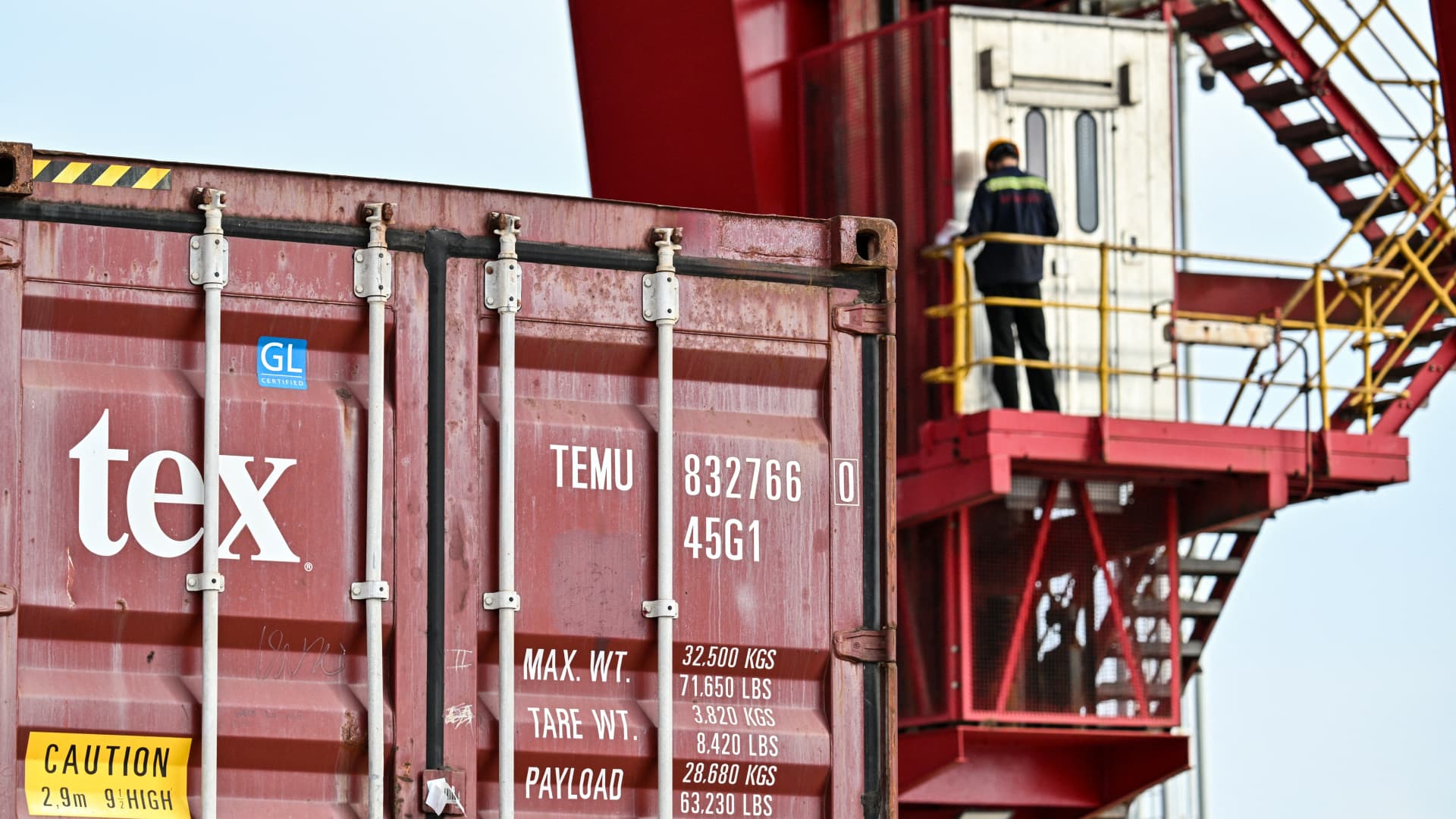
The anticipated Trump-Xi meeting underscores a pivotal shift in global trade dynamics, with China’s evolving self-sufficiency strategy fundamentally reshaping the economic calculus. Despite persistent U.S. trade deficits, Beijing’s inward focus and export prowess are recalibrating asset valuations and escalating geopolitical risk premiums across markets.
💰 Financial Strategy & Market Insights
- Export Powerhouse Endurance. China’s pandemic recovery and domestic downturn have accelerated its export volumes, making it the ‘only game in town’ for global goods.
- AI Demand’s Dual Impact. While surging AI-related parts demand initially boosted U.S. imports from China, recent data suggests a downturn, signaling potential shifts in high-tech export growth.
- Domestic Headwinds Drive Global Reach. Real estate instability and fierce internal competition are pushing Chinese firms to expand globally, intensifying international market rivalry.
Despite years of escalating trade tensions and tariffs, the U.S. trade deficit with China has shown remarkable resilience, expanding again this year fueled by demand for AI-related components. This enduring appetite for Chinese goods highlights a critical aspect of China’s Self-Sufficiency strategy: a deepening, rather than diminishing, global reliance on its manufacturing base. Jens Eskelund of the European Chamber of Commerce in China noted that Asia still accounts for over 60% of U.S. imports, the same as before ‘Liberation Day’, with China’s share of global container exports reaching 40% this summer, years ahead of projections.
This phenomenon, dubbed the ‘China shock’ post-2022, was initiated by China’s early pandemic recovery and subsequent real estate downturn. As domestic demand weakened, Chinese companies aggressively ramped up exports, leveraging a favorable exchange rate and competitive pricing. The correlation between dropping export prices and accelerating export volumes, as highlighted by Eskelund, suggests a strategic push to offload capacity onto global markets. However, the future of this export engine, especially in high-tech, faces headwinds. While U.S. tech companies’ data center buildout initially supported demand, AI-related exports reportedly fell significantly in August, according to CF40, an indicator that Macquarie’s Larry Hu believes doesn’t bode well for China’s high-tech export outlook over the next year. Investors closely watching emerging market trends should consider these shifting demand signals when assessing liquidity in global supply chains, as disruptions could lead to unexpected volatility in commodity prices and manufacturing stocks.
- China’s post-2022 export surge, driven by domestic slowdown, accelerated its global market share years ahead of schedule.
Beijing’s policymakers, seemingly less pressured by these export signals due to robust performance in certain sectors like industrial robots (up 34.6% year-on-year in August), appear hesitant to introduce significant easing measures. This stance persists despite deep-seated domestic challenges, including a 30% decline in house prices over six years and a growing percentage of loss-making industrial firms—24% in 2025, per MERICS. These internal pressures have intensified competition within China, pushing domestic companies to become more advanced and aggressive against foreign rivals, with domestic competition now surpassing geopolitical tensions as the top challenge for American Chamber of Commerce members in Shanghai. This competitive environment poses risks to foreign firms operating in China, potentially impacting their profitability and market share, thus requiring a revised approach to risk management, as discussed on StockXpo’s financial sector insights.
The global spillover is evident as European Union officials, led by Trade Commissioner Maroš Šefčovič, scrutinize China-origin exports, particularly given the EU’s substantial trade deficit with Beijing. China’s dominance in critical mineral supply chains further bolsters its self-sufficiency goals, a strategy Chad Bown of the Peterson Institute for International Economics characterizes as creating ‘a one-way dependence of the rest of the world on China that it’s going to weaponize.’ This strategic posture creates unique challenges for diversified investment portfolios. Investors must carefully evaluate their exposure to companies reliant on these critical supply chains and consider the potential for increased regulatory scrutiny or trade disputes that could impact asset valuations globally. For a deeper understanding of market dynamics, exploring various Bloomberg market analysis reports can provide valuable perspectives.
- Upside: Continued Global Dependence. China’s indispensable role in global supply chains, particularly for manufacturing and critical minerals, ensures persistent demand for its exports. Its industrial capacity acts as a global stabilizer in times of demand surges.
- Upside: AI-Driven Demand Resilience. Despite recent dips, the long-term global buildout of AI infrastructure may continue to fuel demand for specific Chinese high-tech components, offering targeted investment opportunities.
- Downside Risk: Intensified Trade Barriers. Increasing scrutiny from the EU and continued U.S. tensions could lead to new tariffs or trade restrictions, impacting export volumes and profitability.
- Downside Risk: Domestic Economic Instability. The ongoing real estate downturn, weak labor markets, and rising loss-making firms could eventually undermine China’s export capacity or lead to social unrest, disrupting global supply.
- Downside Risk: Overcapacity and Price Wars. Fierce domestic competition, combined with an export-driven strategy, risks creating global overcapacity in certain sectors, leading to price erosion and reduced profit margins for international competitors.
Understanding ‘One-Way Dependence’: This financial strategy, as highlighted by experts like Chad Bown, describes a scenario where one economy (China) systematically develops control over critical supply chains and production capacities, making other economies (the rest of the world) reliant on its goods and resources without reciprocal dependence. From an asset valuation perspective, this increases systemic risk for importing nations, potentially allowing the dependent economy to exert leverage through supply disruptions or price controls, impacting long-term trade agreements and investment stability.
- Global Container Exports: China accounted for 40% of global container exports by summer, reaching the 2030 milestone prematurely (Jens Eskelund).
- U.S. Imports from Asia: Asia maintains over 60% of U.S. imports, consistent with pre-‘Liberation Day’ levels.
- AI-Related Exports: Fell significantly in August year-on-year, for the first time this year (CF40 estimate).
- Industrial Production Contrasts (August): Industrial robot output rose 34.6% year-on-year; smartphone output fell 22.3%.
- Chinese House Price Decline: Approximately 30% over a six-year timeline, typical of large property downturns.
- Loss-Making Industrial Firms: Accounted for 24% of industrial firms in China in 2025.
Global Supply Chain Liquidity Analysis: Navigating De-risking
The imperative for global corporations to de-risk supply chains away from a singular dependence on China is intensifying, yet the practical execution remains challenging. The sheer scale and efficiency of Chinese manufacturing, alongside its control over critical raw materials, imply that true diversification carries significant costs and logistical hurdles. Liquidity in alternative supply corridors is still nascent, suggesting that while companies may announce ‘China Plus One’ strategies, tangible shifts in capital allocation and manufacturing infrastructure will be gradual. This slow pivot means that many sectors, particularly consumer goods and electronics, will continue to exhibit high elasticity to Chinese production capabilities, impacting inventory management and overall market liquidity for these firms. Moreover, any rapid or forced decoupling could trigger supply shocks, manifesting as inflationary pressures or stock market volatility.
Chinese Export Market Sentiment: Shifting Tides
Market sentiment around Chinese exports is at a critical juncture, balancing robust historical performance with emerging headwinds. While China has demonstrated an extraordinary capacity to absorb and fulfill global demand, the recent downturn in specific high-tech export categories, coupled with warnings from the PHLX Semiconductor Index, suggests a potential cooling. This shift in sentiment is further complicated by internal economic strains, which could force Beijing to prioritize export-driven growth even more aggressively, potentially leading to increased market share but at the cost of global pricing stability. Investors are increasingly scrutinizing trade data and policy signals for clues on the sustainability of China’s export model and its implications for global equity markets, as detailed in insightful posts on StockXpo’s blog for financial insights.
China’s Self-Sufficiency: A New Paradigm for Global Trade
China’s strategic pivot towards self-sufficiency, fueled by domestic economic pressures and a historical window of opportunity, is creating a new paradigm for global trade. This evolution is marked by increasing export volumes and a deepening ‘one-way dependence,’ despite geopolitical tensions.
- Global economies remain heavily reliant on China’s manufacturing base, creating structural dependencies.
- Domestic challenges are driving outward expansion, intensifying global competition across various sectors.
- Investors must recalibrate asset valuations and risk management frameworks to account for this evolving, complex trade landscape.
How will global markets adapt to a new era where China’s economic autonomy increasingly dictates international trade flows and capital shifts?
📊 StockXpo Analyst’s View
Market Impact: The enduring strength of China’s export machine, despite internal economic woes, suggests that global supply chains will remain structurally tied to China for the foreseeable future. This situation introduces a nuanced geopolitical risk premium into asset valuations, particularly for multinationals deeply integrated into these supply networks. Liquidity will remain robust in sectors leveraging China’s manufacturing efficiency, but increasing trade scrutiny from the EU could introduce localized volatility, impacting global financial markets as reported by Reuters financial news.
Sector To Watch: We anticipate continued strong performance in industrial robotics and renewable energy components, where China holds significant competitive advantages. Conversely, traditional consumer electronics manufacturing may face pressure due to shifting demand and rising domestic competition. Logistics and shipping sectors will remain critical bellwethers for assessing real-time global trade velocity.
Financial Disclaimer:
StockXpo.com is a financial news aggregator and educational portal, not a registered investment advisor or broker-dealer. All information, news, and analysis provided herein are strictly for educational purposes and do not constitute investment, financial, legal, or tax advice. Investing in the stock market involves high risks, and past performance is not indicative of future results. StockXpo will not be liable for any financial losses or investment damages. Always consult a certified financial advisor before making market decisions.
MORE IN INSIDE FINANCE

Singapore Haven: Stability Yields Opportunity Amid Global Volatility
Published: Tuesday, October 13, 2026 · 12:19 AM

Inflation Peak for 2026: Sticky Prices to Challenge Asset Valuations
Published: Monday, October 12, 2026 · 11:45 AM