Published: Sunday, September 13, 2026 · 8:41 AM | Updated: Sunday, September 13, 2026 · 8:41 AM
📊 158 views




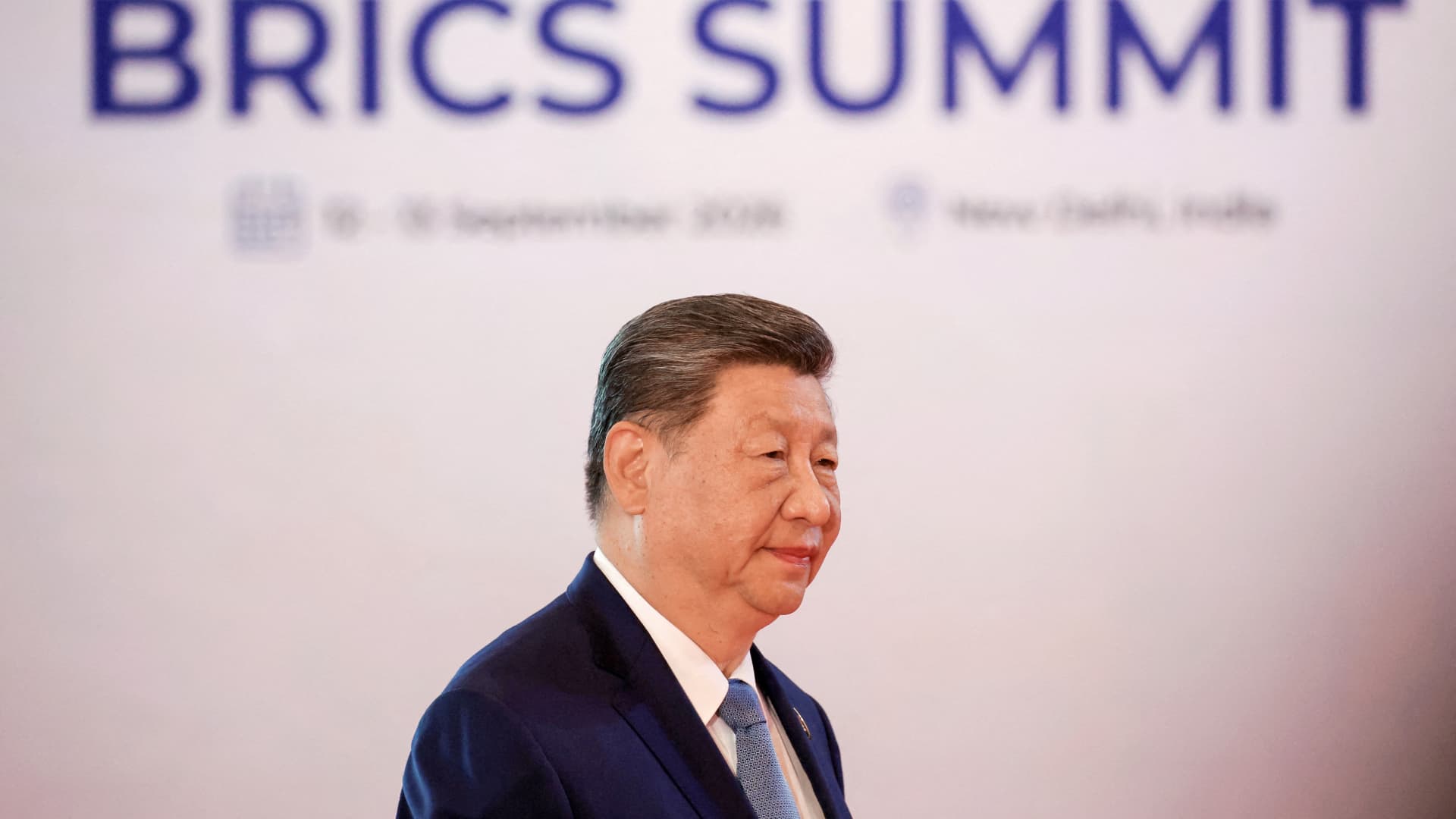
China’s President Xi Jinping announced a significant initiative at the BRICS bloc summit, pledging to spearhead artificial intelligence collaboration and development among developing nations. This move signals a concerted effort to foster a BRICS-centric digital ecosystem, potentially reshaping the global technology landscape.
🚀 Tech Strategy & Market Disruptions
- AI Open-Source Community Launch. China aims to pioneer a dedicated BRICS AI open-source platform, reducing reliance on Western models and fostering localized development.
- Digital Ecosystem Cloud Platform. The proposal includes establishing a BRICS digital ecosystem cloud, facilitating data sovereignty and shared infrastructure among member states.
- Talent Cultivation & Exchange. Plans for an engineer cultivation alliance and youth exchange programs underscore a long-term strategy for tech self-sufficiency within the bloc.
At the recent BRICS summit in New Delhi, President Xi Jinping outlined China’s ambitious vision to lead BRICS AI cooperation and broader technological advancement. The proposals, detailed in a statement from the Ministry of Foreign Affairs, include spearheading a BRICS AI open-source community and supporting the development and application of large language models (LLMs) specific to the bloc’s diverse needs. This initiative comes amidst a frenetic pace of AI innovation globally, though Xi’s address notably sidestepped ongoing debates about AI safety, an issue that has drawn significant scrutiny from researchers at leading AI labs.
The strategic push extends beyond AI, encompassing the establishment of a BRICS digital ecosystem cloud platform. This platform is envisioned to facilitate digital skills training, technological exchange, and industrial alignment across member nations. By fostering these collaborative frameworks, China aims to solidify a tech development path that offers an alternative to dominant Western platforms, aligning with BRICS’s original mission as a counterweight to established geopolitical and economic structures. This proactive stance on emerging technologies reflects a growing trend in global technology market trends, where nations increasingly seek to control their digital destinies.
Key pillars of China’s BRICS tech strategy include:
- Pioneering a BRICS AI open-source community for shared development and intellectual property.
- Supporting the cooperation in developing and applying large language models, crucial for localized content and services.
- Hosting AI seminars and training courses to upskill the workforce across BRICS nations.
- Building an open AI ecosystem, emphasizing collaborative innovation and interoperability.
- Establishing a BRICS digital ecosystem cloud platform to ensure data sovereignty and shared digital infrastructure.
- Conducting digital skills training, technological exchange, and industrial alignment programs.
This leadership push for BRICS AI cooperation creates a significant disruption flow. By fostering an indigenous AI open-source community and a dedicated digital cloud platform, China enables BRICS nations to build their own tech stacks. This move reduces their reliance on Western technological frameworks, leading to enhanced data sovereignty and localized innovation. Ultimately, this strengthens economic integration within the bloc and can accelerate digital transformation initiatives, fostering a multi-polar global technology landscape.
“China’s commitment to an open AI ecosystem and a BRICS digital cloud is a clear signal of intent to build sovereign tech capabilities. This isn’t just about sharing code; it’s about shaping future digital economies with a shared vision, emphasizing data control and collective advancement,” noted a senior solution architect observing the announcements.
BRICS Digital Ecosystem Expansion Potential
The proposed BRICS digital ecosystem cloud platform represents a foundational shift towards greater digital autonomy for member states. By providing a shared, secure cloud infrastructure, it could enable streamlined cross-border data flows, collaborative research projects, and the joint development of digital public goods. Such a platform is vital for scaling digital skills training and facilitating industrial alignment, ensuring that economic growth within the bloc is underpinned by shared, robust technological infrastructure. This proactive approach aims to address gaps in digital infrastructure and foster a more equitable distribution of technological benefits, a critical aspect of emerging technologies.
AI Platform Architecture for Open-Source Collaboration
For the BRICS AI open-source community to thrive, its platform architecture must prioritize interoperability, modularity, and strong governance frameworks. An effective architecture would involve standardized APIs, robust data management protocols that respect individual country regulations, and a federated learning approach for LLM development. This would allow diverse contributions while maintaining data privacy and security. The emphasis on ‘open-source’ implies a collaborative model where member states can collectively improve and adapt AI models, ensuring that the technology reflects their unique cultural and linguistic contexts, moving beyond generic global models. For more educational tech insights, readers can visit StockXpo’s blog.
BRICS AI Cooperation: Navigating the Future Tech Landscape
China’s aggressive stance on leading BRICS AI cooperation underscores a significant geopolitical and technological realignment. This initiative aims to establish a robust, sovereign tech infrastructure and talent pool among developing nations, challenging existing global technology landscape dynamics. The success of these programs will hinge on effective collaboration, resource allocation, and navigating complex geopolitical interests.
- The push for an open AI ecosystem could democratize access to advanced AI tools for BRICS members, spurring localized innovation.
- A BRICS digital cloud platform has the potential to enhance data security and foster greater economic interdependence within the bloc.
- The long-term success requires sustained investment in talent development and a unified approach to AI governance among member states.
Will this coordinated BRICS tech strategy redefine global innovation pathways and create a truly multi-polar digital world?
📊 StockXpo Analyst’s View
Market Impact: This concerted effort in BRICS AI cooperation could stimulate significant investment in digital infrastructure and AI research within member countries, potentially shifting capital flows away from traditional Western tech hubs. Companies with a strong presence or strategic partnerships in these emerging markets could see accelerated growth, while a fragmented global tech stack might introduce new market complexities.
Sector To Watch: The immediate beneficiaries are likely to be companies in cloud infrastructure, AI development platforms, and digital education services catering to emerging markets. Furthermore, sectors like manufacturing, logistics, and finance within BRICS nations, which can leverage these new AI and digital tools, are poised for transformative changes. The development of sovereign LLMs could also create new opportunities for content and data localization companies, as highlighted by discussions on Bloomberg’s technology coverage.
Financial Disclaimer:
StockXpo.com is a financial news aggregator and educational portal, not a registered investment advisor or broker-dealer. All information, news, and analysis provided herein are strictly for educational purposes and do not constitute investment, financial, legal, or tax advice. Investing in the stock market involves high risks, and past performance is not indicative of future results. StockXpo will not be liable for any financial losses or investment damages. Always consult a certified financial advisor before making market decisions.
MORE IN INSIDE TECHNOLOGY

AI Buildout Hits Credit Headwinds: Neoclouds Under Pressure
Published: Saturday, October 24, 2026 · 12:23 AM

SK Hynix Shares Rebound: A Strategic Shift in Semiconductor Funding
Published: Friday, October 23, 2026 · 1:46 AM