Published: Friday, August 28, 2026 · 7:44 AM | Updated: Friday, August 28, 2026 · 7:44 AM
📊 128 views




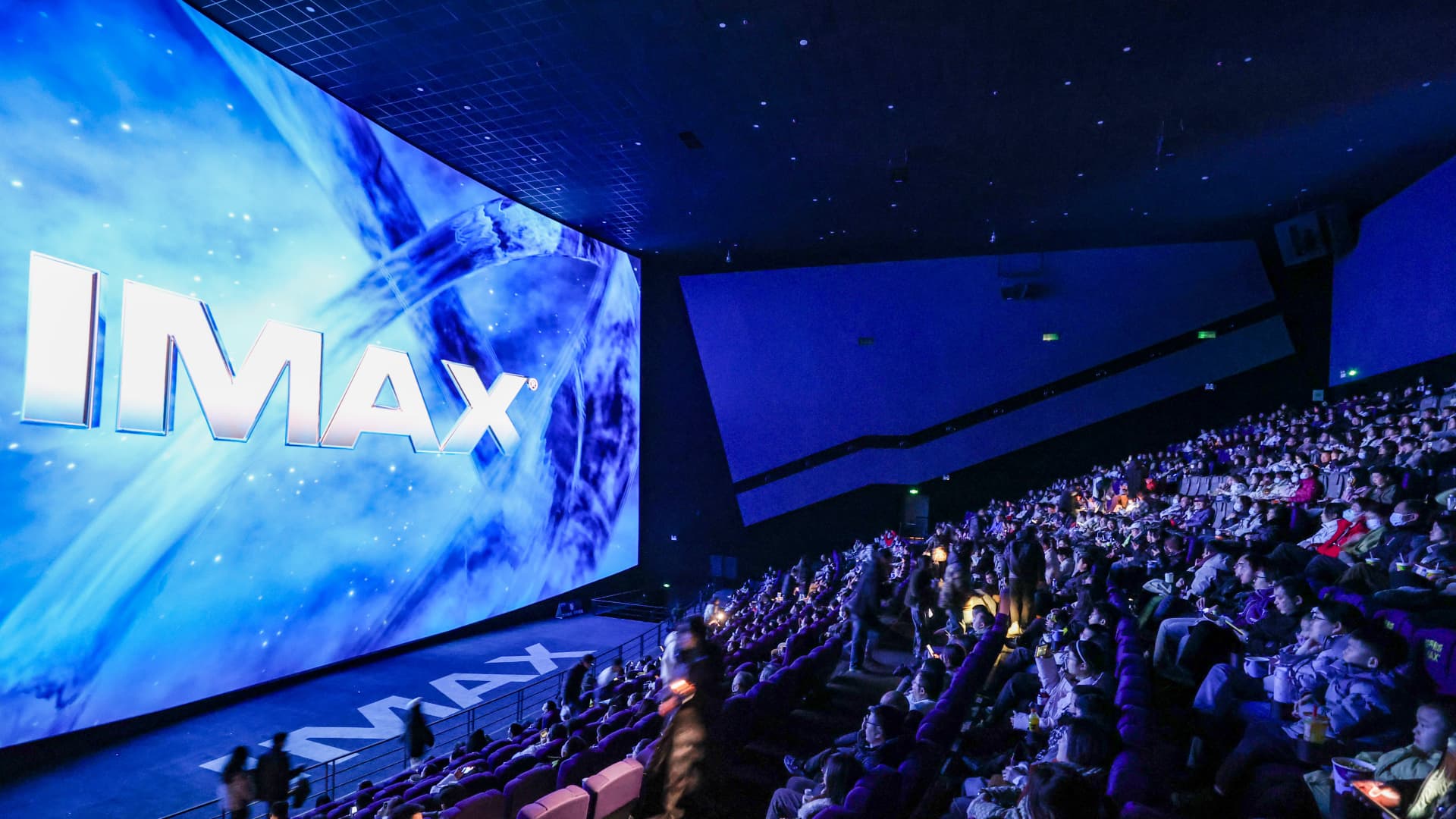
Imax, a dominant force in premium large format cinema, surprisingly finds itself without a clear buyer despite its CEO opening the door to a sale nearly nine months ago. This unfolding situation highlights a complex interplay of strategic conflicts, market valuations, and evolving entertainment industry dynamics, prompting a closer look at why a seemingly attractive asset remains unclaimed amidst a busy corporate growth landscape.
🗝️ Corporate Strategy Insights
- Unmet Suitor Interest. Despite Imax’s record box office performance and stock highs, preliminary talks for an Imax sale have not materialized into official bids.
- Studio Conflict of Interest. Major Hollywood studios face inherent challenges in acquiring Imax due to its ‘studio agnostic’ model, which ensures fair access for all content producers.
- Premium Pricing Power. Imax commands significantly higher ticket prices compared to standard and rival premium formats, indicating strong consumer demand for its immersive experience.
Imax has demonstrated an impressive financial resurgence, with its stock hitting an all-time high and box office breaking records, notably driven by Christopher Nolan’s ‘The Odyssey,’ which surpassed $400 million in global ticket sales—a remarkable feat considering Imax screens represent less than 1% of worldwide cinemas. This momentum is projected to propel the company to a new global box office record in 2026, building on 2025’s $1.28 billion, a 40% increase over 2024 and 13% above its 2019 peak. Despite this undeniable operational success and a relatively modest $3 billion market cap, preliminary talks initiated by CEO Rich Gelfond nine months ago have yet to attract official pitches from major suitors, suggesting a complex underlying dynamic.
However, the operational efficiencies and market leadership are clearly evident in several key metrics:
- Premium Pricing Power. In 2026, the average U.S. Imax ticket cost $20.57, a 60% premium over standard tickets and 18% over rival PLF options, demonstrating strong consumer demand for its unique offering.
- Content Diversification. Imax is expanding ‘filmed for Imax’ content and securing local-language partnerships in key international markets like China, Japan, and South Korea.
- Global Expansion. The company plans to install 160-175 new systems in 2026, with hundreds more under contract, solidifying its global footprint.
This strategic execution, however, unfolds against a backdrop of a busy media M&A landscape, with major deals like Paramount Skydance’s contested merger and Fox’s acquisition of Roku dominating headlines, as reported by Reuters, raising questions about the unique challenges an Imax sale presents.
The Strategic Hurdles to an Imax Acquisition
The primary hurdle for an Imax sale to traditional media giants stems from its ‘studio agnostic’ business model. Eric Wold, executive director of equity research at Texas Capital Securities, points out that any acquisition by a major studio like Disney, Universal, Paramount, or Warner Bros. would create an immediate conflict of interest. These studios, which rely on Imax for premium release slots, would likely perceive favoritism, potentially disrupting long-standing relationships and jeopardizing Imax’s universal appeal. Furthermore, a single studio acquiring Imax would struggle to fill a 52-week theatrical calendar exclusively with blockbuster PLF-suitable films, limiting the network’s utilization. This dilemma is amplified by the general reluctance of studios to acquire cinema chains, even after the Department of Justice rescinded the 1948 Paramount Consent Decrees in 2022; only Sony has made a notable move, acquiring Alamo Drafthouse in 2024. This context indicates that the strategic synergy for traditional studios is limited.
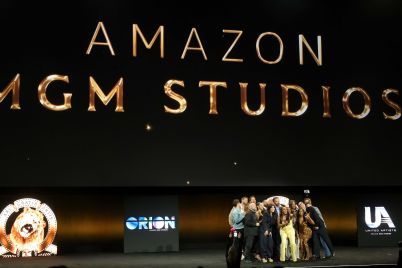
Potential suitors outside the traditional studio ecosystem include tech giants with content ambitions such as Netflix, Apple, Amazon, or Sony. Netflix, despite its historical focus on organic growth, recently entered into M&A talks for studio and streaming assets. An Imax acquisition could provide Netflix filmmakers with premium theatrical runs without the same conflict of interest as traditional studios. Apple, Amazon, and Sony, with their robust technology businesses and streaming platforms (AppleTV, Amazon Prime), could leverage Imax’s tech-heavy operations for new distribution avenues, extending their competitive reach into theatrical experiences. Private equity firms also present a viable path, as they would face no inherent conflict of interest with studios and could capitalize on Imax’s strong financial momentum. The question remains whether the current valuation, which has significantly appreciated, aligns with their investment criteria.
‘Imax’s brand value has never been higher, strategically positioning itself at the core of Hollywood’s eco-structure, a masterful, long-time-coming achievement that paradoxically complicates its acquisition by traditional studios due to inherent conflict of interest.’ — Eric Handler, Managing Director and Senior Research Analyst at Roth (via CNBC)
Imax’s Market Leadership in Numbers
Here’s a breakdown of Imax’s recent performance indicators, demonstrating its market leadership in premium cinema experiences:
| Metric | Value / Data Point | Significance for Strategy |
|---|---|---|
| Global Box Office 2025 | $1.28 Billion (Record) | Demonstrates strong post-pandemic recovery and market demand for premium experiences. |
| Growth vs. 2024 (Box Office) | +40% | Highlights accelerating revenue generation and market share expansion. |
| Average U.S. Imax Ticket Cost (2026) | $20.57 | Reinforces Imax’s pricing power and consumer willingness to pay for its unique offering. |
| Imax Ticket Price Premium vs. Standard | +60% | Illustrates a robust competitive moat through perceived value and superior experience. |
| Stock Performance (Past 12 Months) | ~ +80% (All-time high $54.79) | Reflects strong investor confidence and operational success, increasing acquisition cost. |
Imax Competitive Advantages: A Premium Moat
Imax has cultivated a formidable competitive moat rooted in its proprietary technology, global network, and strong brand equity. Its advanced projection systems, sound technology, and specialized theater design create an immersive viewing experience that justifies premium ticket prices. This operational efficiency in delivering a superior product has made Imax synonymous with high-quality, blockbuster cinema. The company’s strategic partnerships with major studios ensure access to top-tier content, while its revenue-sharing model with exhibitors facilitates rapid global expansion without direct ownership risks. This asset-light model, combined with high switching costs for theaters that invest in Imax systems, strengthens its market leadership in the PLF segment. Such unique positioning often catches the eye of global stock markets observers.
Imax Industry Benchmarking: Outperforming Theatrical Norms
Unlike the broader theatrical exhibition space, which is typically characterized by slow, single-digit growth and dividend payouts, Imax has demonstrated exceptional growth and profitability. Its ability to command higher ticket prices, as detailed by EntTelligence data, significantly outpaces standard and even rival PLF offerings. This performance, coupled with a surging stock value (up nearly 80% in 12 months), positions Imax as a high-growth anomaly within an otherwise mature industry. Analysts like Drew Crum of B. Riley Securities project continued record financials for 2026, citing share gains, higher margins, and healthy cash flow, underscoring Imax’s strategic differentiation and operational prowess compared to its peers.
Imax’s Unclaimed Value: A Strategic Conundrum
Imax presents a unique acquisition puzzle, combining unparalleled market leadership in premium cinema with strategic complexities for traditional media buyers. Its robust performance and strong brand are undeniable, yet the company’s ‘studio agnostic’ model creates a significant barrier to conventional M&A, pushing potential interest towards tech or private equity. The recent surge in its stock price further raises the entry cost, allowing Imax to remain selective.
- Imax’s premium large format dominance, highlighted by record box office success and pricing power, has elevated its valuation significantly.
- The inherent conflict of interest prevents traditional studios from making a viable offer, shifting the focus to tech companies or private equity.
- As a financially healthy, standalone entity, Imax is under no pressure to accept anything less than a substantial premium.
Will this prolonged courtship ultimately lead to a strategic convergence or solidify Imax’s path as a fiercely independent, high-growth entity in the evolving entertainment landscape?
📊 StockXpo Analyst’s View
Market Impact: Imax’s situation reflects broader shifts in media M&A, where strategic fit and competitive concerns often outweigh financial attractiveness. The lack of a buyer despite strong fundamentals signals a mature entertainment sector grappling with consolidation and content distribution model evolution, potentially dampening overall M&A enthusiasm for non-core assets. For investors seeking deeper investment analysis, Imax’s sustained performance as a standalone entity could reinforce its value proposition, while the absence of a bid might temper near-term acquisition premium expectations.
Sector To Watch: The entertainment technology sector and premium content distribution platforms remain key areas of interest. Companies like Netflix, Amazon, and Apple, driven by their digital ecosystems and less reliant on traditional studio-exhibitor relationships, are better positioned to leverage Imax’s innovative technology and global footprint. This suggests a potential convergence of tech and theatrical exhibition, making digital content providers and specialized cinema technology companies dynamic sectors to monitor for future growth and consolidation. For additional educational insights, explore our latest articles.
Financial Disclaimer:
StockXpo.com is a financial news aggregator and educational portal, not a registered investment advisor or broker-dealer. All information, news, and analysis provided herein are strictly for educational purposes and do not constitute investment, financial, legal, or tax advice. Investing in the stock market involves high risks, and past performance is not indicative of future results. StockXpo will not be liable for any financial losses or investment damages. Always consult a certified financial advisor before making market decisions.
MORE IN INSIDE BUSINESS

Saudi Arabia Flight Decision: Delta Weighs Safety Amid Regional Tensions
Published: Friday, October 9, 2026 · 7:21 AM
Skydance Vertical Win: Ellison’s Bold Strategy for Media Dominance
Published: Thursday, October 8, 2026 · 12:44 PM