Published: Thursday, August 27, 2026 · 9:04 AM | Updated: Thursday, August 27, 2026 · 9:04 AM
📊 144 views




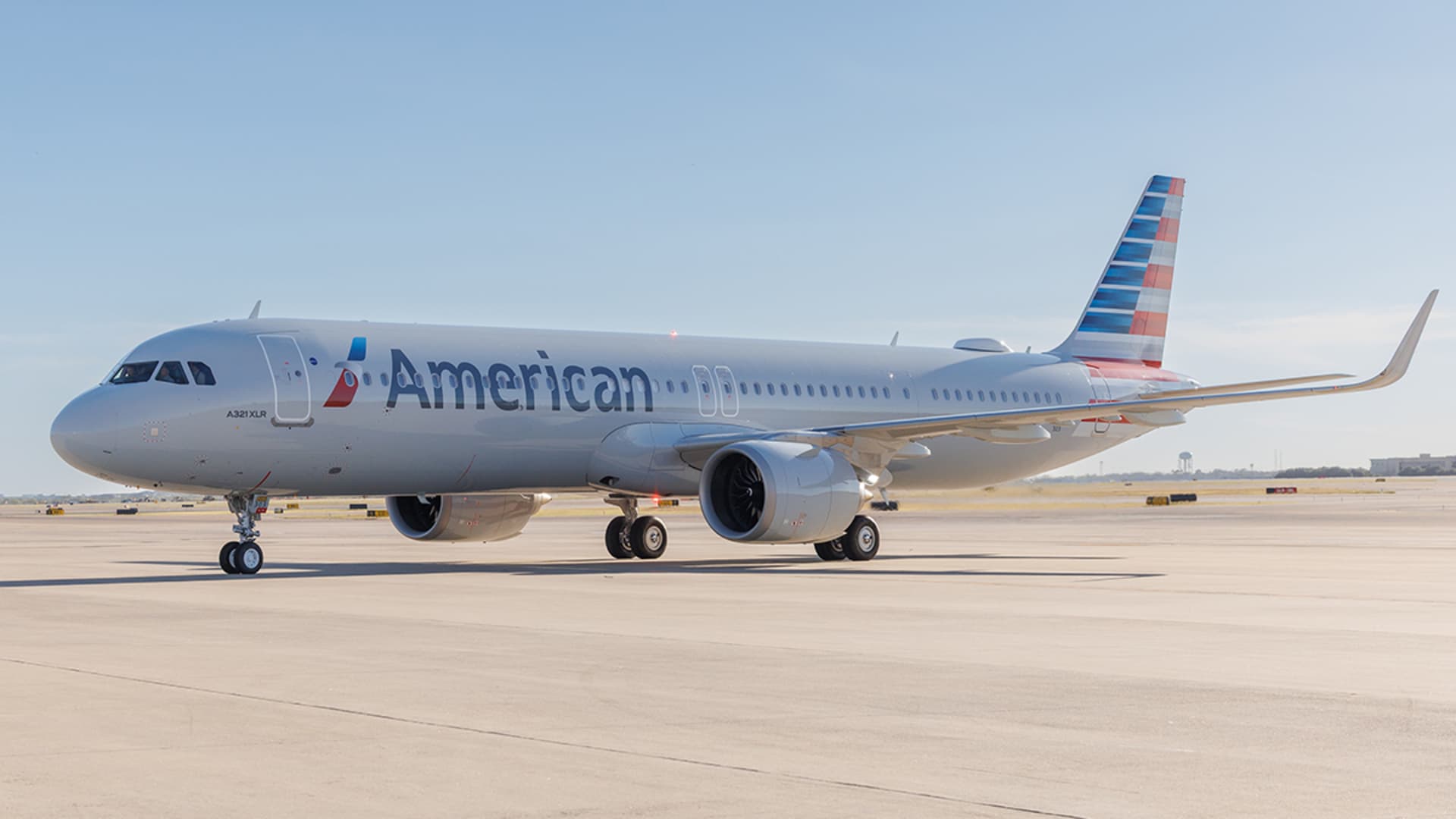
American Airlines is set to significantly expand its global footprint, particularly across the Atlantic, with the introduction of seven new international routes for its 2027 schedule. This strategic move, heavily reliant on the advanced Airbus A321XLR fleet, signals a determined effort to enhance operational efficiency and capture higher-margin premium cabin revenue, directly addressing its competitive position against industry rivals.
🗝️ Corporate Strategy Insights
- Fleet Modernization for Reach. Utilizing A321XLRs for cost-efficient long-haul flights to previously underserved or niche European markets.
- Premium Segment Focus. Allocating a significant portion of XLR aircraft capacity to premium seats to capture higher-yield international demand.
- Strategic Hub Development. Strengthening Philadelphia and New York JFK as critical East Coast gateways for transatlantic travel, enhancing network connectivity.
American Airlines, seeking to close a notable profit gap with competitors like United and Delta, is aggressively expanding its global network with a batch of American Airlines new international routes for 2027. The carrier recently announced seven new international destinations, with a significant emphasis on leveraging its Airbus A321XLR planes. These extra long-range single-aisle aircraft, capable of flying up to 4,700 nautical miles, offer a cost-effective solution for reaching smaller European cities that traditionally wouldn’t support widebody operations, as highlighted by Brian Znotins, American’s SVP of network and schedule planning. This strategic shift aims to unlock new revenue streams by connecting more points directly, enhancing network utility and customer convenience, and offering deeper educational insights into dynamic airline strategies.
American’s new XLR configuration dedicates approximately a fifth of the plane to premium seating, a clear indicator of the airline’s focus on higher-margin passengers on these routes. This is particularly crucial for international flights, which inherently carry higher premiums and more luxurious seating configurations than domestic counterparts, improving overall revenue per available seat mile.
The additional routes include key European cities like Amsterdam, Nice, Porto, and Vienna from its New York JFK and Philadelphia hubs. Notably, the Chicago O’Hare to Tokyo Narita route expands its trans-Pacific presence. This targeted expansion allows American to challenge rivals in lucrative international segments, a market where United Airlines currently holds a leading position among U.S. carriers, according to reporting by Reuters. The introduction of a fourth daily flight between JFK and London Heathrow also underscores the strategy to fortify highly profitable existing corridors.
The launch of these American Airlines new international routes using the A321XLR aircraft creates a significant ripple effect across the transatlantic market. This fleet deployment enables a Market Expansion into secondary European cities previously uneconomical for wide-body jets. This, in turn, leads to Higher Revenue Potential driven by optimized operational costs and a larger proportion of premium seats. For competitors such as United and Delta, American’s move could intensify competition on routes that previously saw less direct rivalry or were solely served by European carriers, further emphasizing industry trends reported by Bloomberg markets. The strategic deployment of the A321XLR enhances American’s competitive positioning by offering point-to-point service that bypasses traditional hub connections for some travelers, potentially drawing away market share from airlines reliant on larger aircraft for these markets.
“American Airlines’ strategic embrace of the A321XLR for its new international routes is a potent example of precision network planning, targeting underserved, high-yield markets with an operationally efficient aircraft, directly impacting its long-term profitability aspirations.”
Key International Route Additions (2027)
- Charlotte, NC to Barcelona, Spain (Boeing 777-200ER): Expands long-haul leisure and business options from a key southern hub.
- Chicago O’Hare to Tokyo Narita (Boeing 787-9): Bolsters trans-Pacific network, vital for Asian market access.
- New York JFK to Amsterdam (Airbus A321XLR): Introduces efficient service to a major European financial and cultural hub.
- New York JFK to Nice, France (Airbus A321XLR): Taps into premium leisure demand in the French Riviera.
- Philadelphia to Porto, Portugal (Airbus A321XLR): Opens new direct access to a growing tourist destination from a primary hub.
- Philadelphia to Reykjavik, Iceland (Airbus A321neo): Leverages demand for unique short-break European destinations.
- Philadelphia to Vienna, Austria (Airbus A321XLR): Targets growing European leisure travel, extending into shoulder seasons like Christmas markets.
These specific route additions highlight American’s granular approach to network expansion, utilizing varied aircraft types to match capacity precisely with demand, enhancing both connectivity and profitability.
American Airlines Strategic Analysis
American Airlines’ latest route expansion reflects a calculated strategy to differentiate its international service and improve financial performance. By deploying the A321XLR, American is not just adding routes; it is reshaping its network strategy to penetrate markets previously considered too small for its widebody fleet. This approach allows for greater operational flexibility and a more direct challenge to competitors by offering new point-to-point connections. The increased allocation of premium seats on these XLRs further underscores a shift towards capturing higher-yield business and leisure travelers, a segment crucial for sustained profitability in the competitive airline industry. This tactical deployment positions American to grow its market share in the transatlantic space, especially in European destinations less served by direct flights from its core U.S. hubs.
American Airlines Market Leadership
While American Airlines has traditionally trailed rivals like United and Delta in international market share, this focused expansion with the A321XLR signifies a concerted effort to close that gap. The ability to efficiently serve secondary European cities from its major East Coast hubs (JFK and Philadelphia) provides a competitive edge that could elevate its stature in the international segment. This move is less about broad market dominance and more about strategic penetration into profitable niches. By expanding into destinations like Porto and Vienna, American aims to establish market leadership in specific regional corridors, enhancing its overall network appeal and strengthening its position within Oneworld alliance offerings. Success here could recalibrate perceptions of American’s international capabilities, driving higher value for investment analysis.
American Airlines’ Global Footprint: Beyond the Horizon
American Airlines’ bold move to launch new international routes, primarily leveraging its A321XLR fleet, signals a pivotal moment in its competitive strategy. This expansion is designed to enhance profitability by targeting high-yield international markets and improving operational efficiency.
- The A321XLR enables American to access smaller, previously underserved European cities, creating new direct routes.
- A greater emphasis on premium seating on these new aircraft aims to capture a more lucrative segment of the international travel market.
- This initiative directly challenges rivals by expanding American’s global network and potentially closing the existing profit gap.
Will these new routes be the decisive factor in American Airlines’ quest for sustained international market leadership and superior financial returns?
📊 StockXpo Analyst’s View
Market Impact: This strategic expansion by American Airlines is likely to be viewed positively by the market, signaling proactive management in diversifying revenue streams and improving margin profiles. Increased international capacity, especially in premium configurations, typically translates to higher average fares and yields, potentially bolstering investor confidence in the airline’s future earnings.
Sector To Watch: The airline sector, particularly those carriers with robust international networks, should be watched closely. American’s move puts pressure on competitors to innovate their own network and fleet strategies, potentially driving further consolidation or specialized route development across the industry. Airlines with flexible medium-haul fleets will gain an advantage in this evolving landscape, presenting corporate growth opportunities.
Financial Disclaimer:
StockXpo.com is a financial news aggregator and educational portal, not a registered investment advisor or broker-dealer. All information, news, and analysis provided herein are strictly for educational purposes and do not constitute investment, financial, legal, or tax advice. Investing in the stock market involves high risks, and past performance is not indicative of future results. StockXpo will not be liable for any financial losses or investment damages. Always consult a certified financial advisor before making market decisions.
MORE IN INSIDE BUSINESS

Measles Resurgence: A Critical Warning for U.S. Public Health Strategy
Published: Tuesday, October 27, 2026 · 7:02 AM

Dollar General Overcharges Lawsuit: A Warning on Consumer Trust
Published: Monday, October 26, 2026 · 3:55 PM