Published: Thursday, August 27, 2026 · 12:06 PM | Updated: Thursday, August 27, 2026 · 12:06 PM
📊 138 views




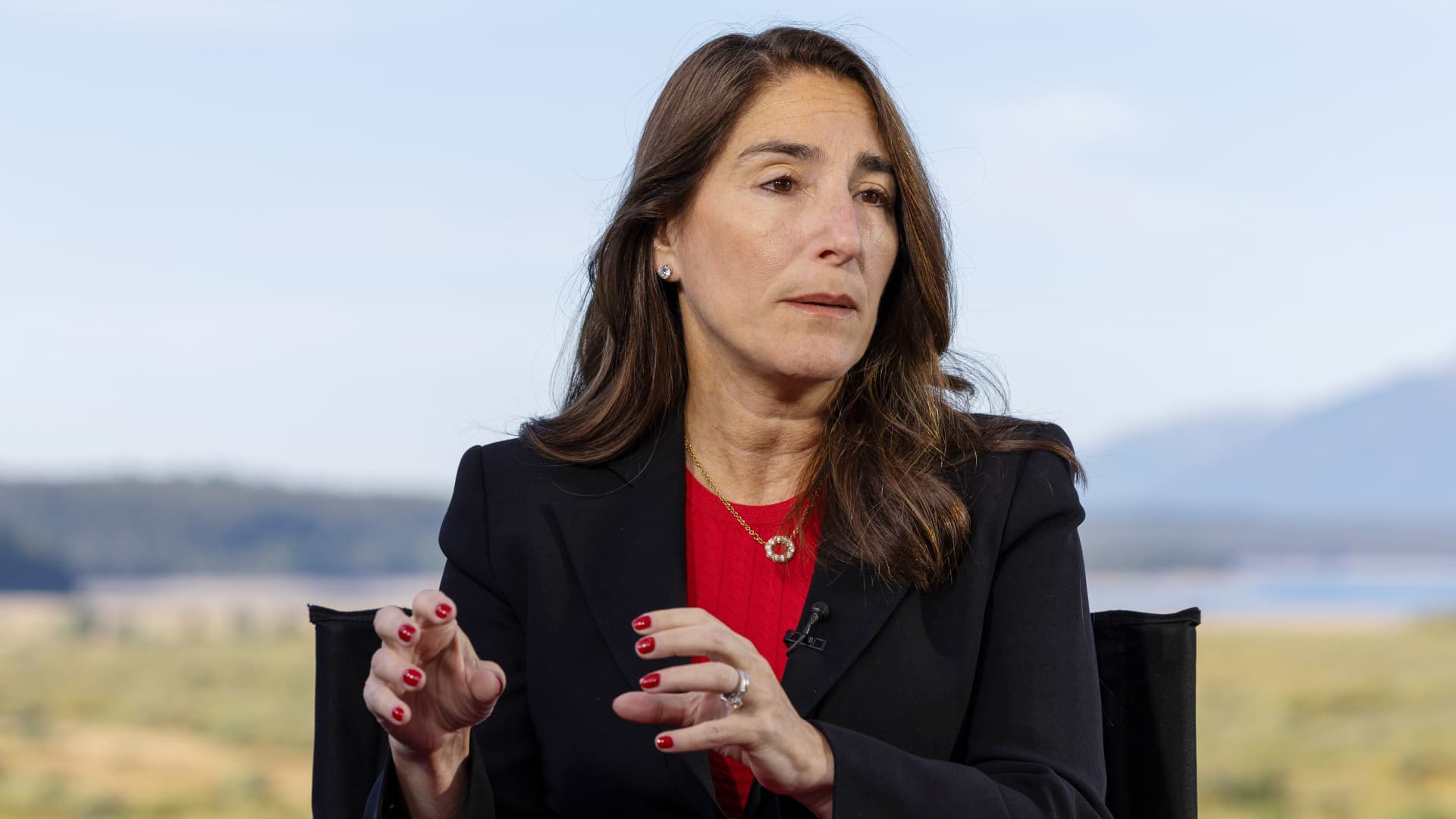
Cleveland Federal Reserve President Beth Hammack has reiterated a forceful call for immediate monetary tightening, emphasizing that a prolonged period of elevated inflation risks embedding an ‘inflationary mindset’ among the public. Her stance underscores a growing concern within certain Federal Reserve factions regarding the central bank’s current policy trajectory and its implications for global economic stability.
📊 Macro-Economic Strategic Insights
- Urgent Call for Action. Fed President Hammack advocates for immediate raising interest rates to combat persistent 3% annualized inflation, arguing current financial conditions lack sufficient restriction.
- Risk of Embedded Inflation. A key concern is that prolonged periods of above-target inflation could lead to an ‘inflationary mindset’ among consumers and businesses, making it harder to return to price stability.
- Dissenting Voice on FOMC. Hammack was one of three dissenters at the July FOMC meeting, preferring a quarter-point hike over the decision to hold the policy rate steady at 3.5%-3.75%.
In a recent interview at the Jackson Hole symposium, Hammack highlighted that despite a recent slowdown in monthly price increases, inflation continues to run around 3% on an annualized basis, significantly above the Federal Reserve’s 2% target. She firmly stated, ‘I don’t want to prejudge anything. But I believe now is the time to act.’ Her remarks signal a clear divergence from the prevailing market expectation that anticipates the Fed will maintain current rates through its September and October meetings, possibly delaying any further hikes until December, as reported by outlets like leading economic news sources.
Hammack’s concerns extend beyond mere numerical targets, touching on the tangible impact of sustained price increases on American households. She recounted recent conversations with workers in Erie, Pennsylvania, who, despite holding stable jobs, expressed a profound ‘sense of despair,’ struggling to ‘make ends meet’ and afford basic leisure activities. This sentiment reinforces her argument that the longer inflation remains elevated, the greater the pain experienced by individuals and businesses, increasing the risk of price instability becoming deeply entrenched in public perception.
- Policy Restriction Questioned: Hammack sees no genuine restriction in current policy when observing financial conditions or discussing with market participants, suggesting that the current rate range of 3.5%-3.75% is insufficient to curb inflation effectively.
- Supply Shocks and Demand: While much of this year’s inflation is attributed to factors like the Iran war, tariffs, and AI-driven demand, some Fed officials worry these temporary shocks could evolve into persistent inflationary pressures.
The Cleveland Fed President’s hawkish stance is not new; she has consistently advocated for a more aggressive approach to monetary policy, evident in her dissent at the July Federal Open Market Committee meeting. Her continued advocacy for tighter monetary policy underscores the internal debate within the Fed about the appropriate timing and magnitude of further rate adjustments, aiming to restore price stability and protect consumer purchasing power.
The Ripple Effect: Macro-Stability and Growth
Raising interest rates → Increases borrowing costs for consumers and businesses → Dampens aggregate demand and investment → Cools overheated economic activity → Moderates inflationary pressures → Risks slower economic growth or recession.
Expert Insight: Understanding ‘Monetary Policy Restriction’: Monetary policy restriction refers to the extent to which a central bank’s actions (like raising interest rates) are effectively curbing economic activity and inflation. If financial conditions, such as credit availability and asset prices, remain loose despite rate hikes, it suggests the policy isn’t restrictive enough to achieve its objectives, necessitating further tightening.
Key Economic Metrics Under Scrutiny
- Annualized Inflation Rate: Approximately 3% (Reported by Cleveland Fed President Hammack). This metric remains persistently above the Fed’s target, indicating ongoing price pressures.
- Federal Funds Target Rate: 3.5%-3.75% (Current policy range). Hammack’s dissent implies this range is insufficient to achieve the 2% inflation target.
- Fed’s Inflation Target: 2%. The gap between current inflation and the target highlights the central bank’s challenge in restoring price stability.
U.S. Consumer Sentiment Under Pressure
The direct impact of persistent inflation is most acutely felt by consumers, particularly those in lower-income brackets. The anecdotal evidence from Erie, Pennsylvania, paints a stark picture of economic hardship, where stable employment no longer guarantees financial comfort. This erosion of purchasing power can lead to a decline in consumer confidence, which historically presages broader economic slowdowns. Sustained inflation can also alter consumer behavior, leading to reduced discretionary spending and a shift towards essential goods, impacting retail and service sectors significantly. Policymakers must weigh the costs of disinflation through rate hikes against the potential for an entrenched inflationary psychology that could cause long-term damage to household finances and overall economic stability, as discussed in various analyses on global economic trends.
Global Monetary Policy Divergence
While the U.S. Federal Reserve grapples with internal disagreements on policy direction, the global landscape presents a mosaic of central bank actions. Many developed economies are navigating similar inflationary pressures, but their responses vary based on local economic conditions, labor market strength, and fiscal policy support. This divergence can lead to currency fluctuations and capital flows, impacting international trade and investment. A hawkish stance from the Fed, even if implemented gradually, could strengthen the dollar, affecting commodity prices and the debt burdens of emerging markets, thus creating complex ripple effects across the interconnected stock markets and financial systems worldwide. Understanding these global dynamics is crucial for investors and policymakers alike.
Raising Interest Rates: A Pivotal Moment for Price Stability
Cleveland Fed President Beth Hammack’s resolute call for raising interest rates underscores a critical juncture in the fight against inflation. Her warnings about entrenched inflationary mindsets and the strain on household budgets highlight the urgency some policymakers feel about realigning monetary policy with economic realities. The decision to act now or delay could significantly shape the trajectory of U.S. and global economic recovery.
- The current inflation rate of approximately 3% remains a significant hurdle to achieving the Fed’s 2% target.
- Hammack’s dissent reflects a proactive stance, prioritizing aggressive action to prevent long-term inflationary expectations.
- Market expectations for a pause until December suggest a potential disconnect between policymaker rhetoric and investor sentiment.
Will the Federal Reserve heed the call for immediate action, or will it prioritize a cautious approach, risking a more deeply embedded inflationary future?
### 📊 StockXpo Analyst’s View
Market Impact: Hammack’s hawkish comments, while not entirely new, add to the persistent uncertainty surrounding the Fed’s next moves. This rhetoric can induce volatility in bond markets, pushing yields higher, and potentially temper equity market enthusiasm, particularly in growth-sensitive sectors. Investor sentiment remains highly sensitive to any signals of an accelerated tightening cycle.
Sector To Watch: Financials could see marginal benefit from higher interest rates through improved net interest margins, assuming economic stability. Conversely, highly leveraged sectors, such as technology and real estate, could face headwinds due to increased borrowing costs and potential slowdowns in consumer spending. Companies reliant on discretionary consumer spending may also see reduced demand if real incomes continue to be eroded by inflation.
Financial Disclaimer:
StockXpo.com is a financial news aggregator and educational portal, not a registered investment advisor or broker-dealer. All information, news, and analysis provided herein are strictly for educational purposes and do not constitute investment, financial, legal, or tax advice. Investing in the stock market involves high risks, and past performance is not indicative of future results. StockXpo will not be liable for any financial losses or investment damages. Always consult a certified financial advisor before making market decisions.
MORE IN INSIDE ECONOMY
Fed Rate Hikes: December Surge Expected Amid Stubborn Inflation
Published: Tuesday, October 27, 2026 · 7:34 AM

2 Trillion Deficit: A Looming Challenge for U.S. Macro-Stability
Published: Monday, October 26, 2026 · 4:27 PM