Published: Thursday, August 27, 2026 · 5:32 AM | Updated: Thursday, August 27, 2026 · 5:32 AM
📊 172 views




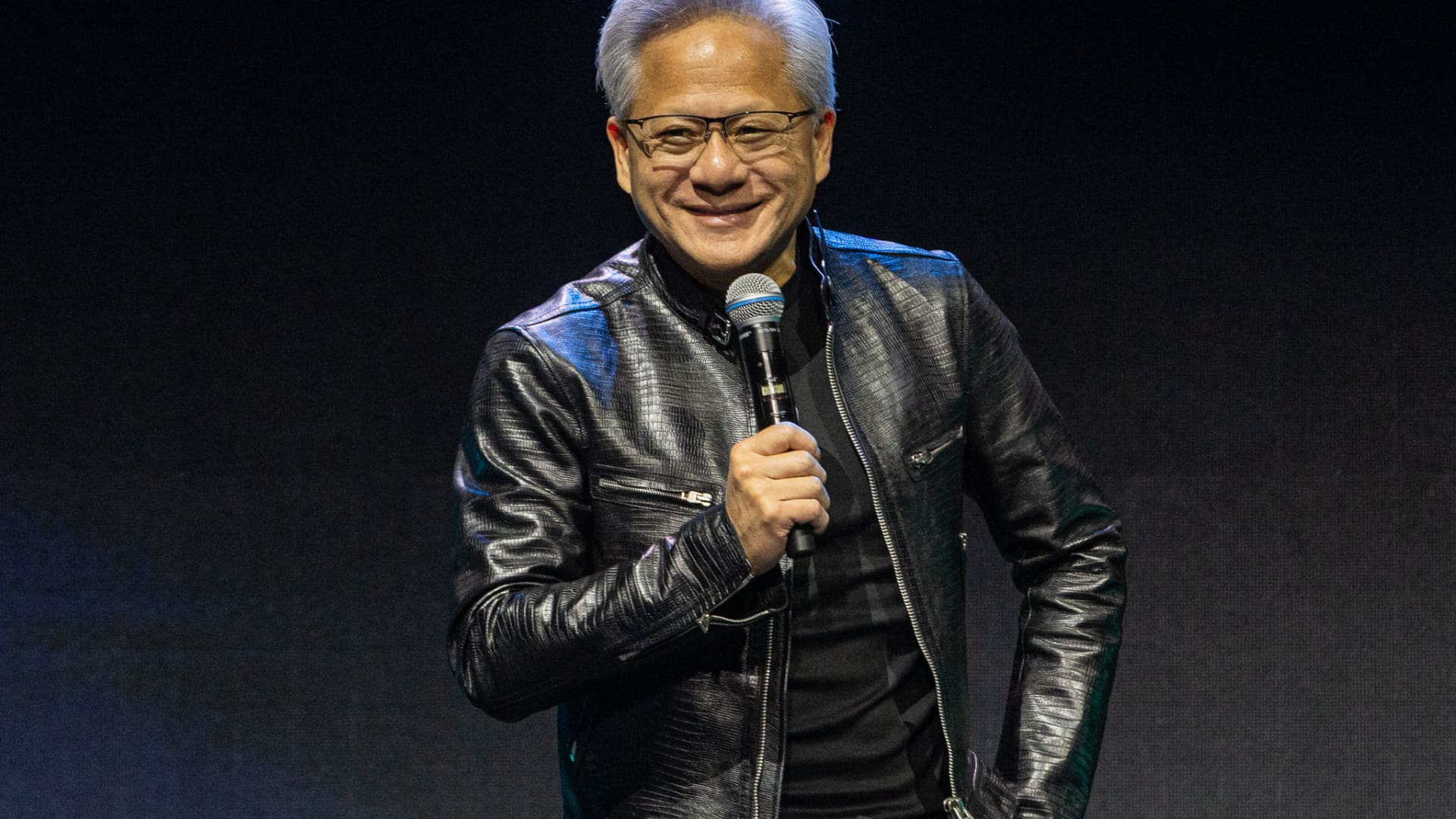
Nvidia’s latest earnings report has significantly buoyed investor confidence in the burgeoning AI sector, driving its shares up sharply and prompting a broader rally across the semiconductor industry. This performance underscores the critical role of advanced chip technology in powering the global artificial intelligence expansion, revalidating high growth expectations.
💎 Strategic Investment & Portfolio Insights
- AI Demand Reaffirmed. Strong Nvidia Earnings guidance from CEO Jensen Huang and CFO Colette Kress indicates sustained, robust demand for AI infrastructure, extending well into 2028.
- Ecosystem Alpha Opportunity. The positive ripple effect on related chipmakers (AMD, Intel, Micron) and neocloud firms (CoreWeave, Nebius) suggests diversified alpha opportunities across the AI value chain.
- Software Layer Expansion. The reported acquisition of Hugging Face would strategically extend Nvidia’s influence beyond hardware into the critical open-source AI software and model ecosystem, enhancing its competitive moat.
Following its blockbuster earnings announcement, Nvidia shares surged more than 7% in premarket trading on Thursday, defying a historical trend of post-earnings dips. This strong market reaction was primarily fueled by robust revenue guidance, which reassured investors about the enduring strength of AI demand. CFO Colette Kress projected a 70% revenue growth for fiscal 2028, with CEO Jensen Huang noting actual demand ‘is much greater than 70%’ but currently limited by supply constraints. This sentiment recalibrated market expectations, which had previously shown nervousness regarding tech capital expenditure and the return on AI investments, a dynamic observed across various global market segments.
Nvidia’s performance ignited a broad rally across the semiconductor sector, validating the broader market’s belief in the AI paradigm shift. Companies like Micron, Marvell, Arm, Intel, and AMD saw their shares rise between 1.7% and 5.7%, while specialized neocloud firms such as Nebius and CoreWeave also experienced significant jumps. This widespread optimism highlights the pervasive impact of Nvidia’s market leadership and its pivotal role in the AI ecosystem, as detailed in recent industry reports.
Critically, Nvidia’s management emphasized a diversifying customer base, with AI Clouds, industrial, and enterprise (ACIE) segments contributing $40.3 billion in sales, marking a 138% annual increase. This expansion beyond traditional hyperscalers suggests a broader adoption of AI technologies, insulating Nvidia from over-reliance on a concentrated client group. While the underlying demand remains strong, persistent supply chain bottlenecks, particularly with main manufacturer TSMC and essential memory chips, present an ongoing challenge.
Analysts also flagged the emerging competition from custom AI semiconductors developed by hyperscalers and AI labs like OpenAI, potentially threatening Nvidia’s near-monopoly in advanced AI chips. However, the reported $12.9 billion acquisition of open-source platform Hugging Face, if confirmed by The Information, could significantly bolster Nvidia’s software capabilities and intellectual property, solidifying its position within the AI development landscape. This strategic move would integrate a widely used repository for open-source AI models directly into Nvidia’s expanding ecosystem, creating new avenues for growth and enhancing its comprehensive offering for customers exploring opportunities for long-term capital preservation in AI.
One key takeaway from the report:
- Nvidia’s ability to maintain high growth projections despite existing supply constraints underscores the overwhelming, structural demand for AI computing power.
The strong Nvidia Earnings report creates a distinct portfolio positioning effect: Renewed AI Confidence → Sector Re-rating & Capital Inflows → Strategic Allocation to AI Leaders and Enablers. This positive catalyst is likely to drive capital towards firms with direct exposure to AI infrastructure and application development, potentially leading to a re-evaluation of growth stocks within the technology sector. Investors may pivot from defensive plays into high-growth AI beneficiaries, seeking alpha generation through targeted investments in semiconductor, cloud, and AI software companies, thereby recalibrating broader market analysis.
The sustained momentum demonstrated by Nvidia, particularly in its demand visibility and customer diversification, reinforces our conviction in its long-term intrinsic value. While supply constraints and emerging competition are real, the company’s strategic moves, like the potential Hugging Face acquisition, position it for continued dominance, making it a cornerstone for growth-oriented portfolios.
Key Financial & Market Highlights from Nvidia Earnings
Nvidia’s recent performance metrics paint a clear picture of its market position and the broader AI trend:
| Metric | Value/Impact | Significance for Investors |
|---|---|---|
| Premarket Share Jump | +7.2% | Indicates strong investor confidence and potential for a bullish trend reversal post-earnings. |
| FY2028 Revenue Growth Guidance | ~70% | Reassures on sustained, high demand for AI hardware and strong forward visibility. |
| ACIE Customer Sales (Quarter) | $40.3 Billion (up 138% YoY) | Demonstrates successful diversification beyond hyperscalers, broadening revenue base and reducing concentration risk. |
These figures highlight not just Nvidia’s individual strength but also the underlying robustness of the AI investment landscape, providing compelling reasons for deeper portfolio strategy considerations.
Navigating the Nvidia Risk-Reward Matrix
Assessing Nvidia (NVDA) requires a balanced view of its formidable growth prospects against inherent market and operational challenges. The recent earnings report amplifies the reward side, yet investors must acknowledge potential headwinds.
Key aspects of this matrix include:
- Reward: Dominant AI Enabler. Nvidia holds a near-monopoly in high-end AI chips, benefiting from insatiable demand. Its expanding software ecosystem, potentially with Hugging Face, enhances its competitive moats and future revenue streams. Analyst Paul Meeks of Freedom Capital Markets suggests no slowdown until at least 2028, underscoring significant upside potential.
- Risk: Supply Chain Vulnerabilities. Reliance on TSMC for advanced manufacturing and global memory chip shortages expose Nvidia to external supply shocks, which could cap growth despite demand. CEO Huang’s remarks on supply constraints confirm this operational risk.
- Risk: Intensifying Competition. Hyperscalers and AI labs developing custom chips (e.g., OpenAI’s reported efforts) pose a long-term threat to Nvidia’s market share, potentially eroding its pricing power over time.
Despite these risks, the current growth trajectory, driven by the AI inflection point, suggests a favorable risk-reward profile for patient, long-term investors. A well-diversified portfolio should account for both Nvidia’s market leadership and these strategic challenges.
Nvidia’s Edge: Competitive Benchmarking in AI
Nvidia’s position at the forefront of AI innovation is largely unchallenged in the high-performance GPU segment, yet a comprehensive look at its competitive landscape is essential. While traditional rivals like AMD and Intel are significant players in the broader semiconductor market, their direct challenge to Nvidia’s AI dominance is still evolving.
- AMD (Advanced Micro Devices): While AMD is a strong competitor in CPUs and has made strides with its MI series GPUs for AI, it lags Nvidia in market share and ecosystem maturity for AI accelerators. AMD’s recent gains are notable, but it continues to play catch-up in terms of developer tools and widespread adoption in large AI clusters.
- Intel (INTC): Intel is investing heavily in AI chips, including its Gaudi accelerators, and aims to leverage its broad enterprise relationships. However, it faces an uphill battle against Nvidia’s established market leadership and purpose-built architecture. The company’s diverse business units mean AI is one of several focuses, whereas it’s central to Nvidia’s strategy.
- Hyperscalers & AI Labs: Companies like Google (TPUs), Amazon (Inferentia/Trainium), and potentially OpenAI with custom silicon represent an emerging threat. These entities aim to optimize chips specifically for their internal workloads, reducing reliance on third-party vendors. This trend could cap Nvidia’s growth in certain segments but also validate the overall market expansion for AI hardware.
Nvidia’s deep integration with software frameworks (CUDA), extensive developer ecosystem, and relentless innovation in chip design give it a substantial competitive advantage. The potential acquisition of Hugging Face further expands this moat into the crucial software and model layer, making it harder for competitors to replicate its end-to-end AI solution. This robust competitive positioning supports why many consider Nvidia a crucial component in contemporary portfolio strategy.
Nvidia’s AI Acceleration: What’s Next for Valuations?
The latest Nvidia Earnings report firmly establishes the company’s continued leadership in the AI revolution, signaling robust demand and a diversifying customer base that justifies its premium valuation. While supply chain and competitive pressures loom, Nvidia’s strategic initiatives, including its potential expansion into the AI software ecosystem, position it for sustained growth.
- Nvidia’s guidance reaffirms strong multi-year AI demand, bolstering confidence across the tech sector.
- Diversification of its customer base beyond hyperscalers enhances revenue stability and long-term resilience.
- Potential Hugging Face acquisition signifies a strategic move to integrate software and models, expanding Nvidia’s competitive moat.
Will Nvidia maintain its unprecedented growth trajectory as the AI landscape evolves and competition intensifies?
📊 StockXpo Analyst’s View
Market Impact: This Nvidia Earnings beat is a powerful affirmation for the entire AI market, likely driving increased investor appetite for high-growth technology stocks, particularly those within the semiconductor and cloud infrastructure segments. We anticipate a positive shift in overall market sentiment, potentially leading to upward revisions in analyst price targets and capital flows into related growth opportunities across the broader market analysis. Investors looking at market analysis should monitor this trend closely.
Sector To Watch: Beyond direct chip manufacturers, the ‘neocloud’ and AI software infrastructure sectors, as exemplified by CoreWeave and Nebius, are poised for significant expansion. These companies, which provide GPU-accelerated cloud services and platforms for AI development, stand to benefit directly from Nvidia’s underlying hardware dominance. Furthermore, enterprises integrating AI into their operations will increasingly drive demand for these specialized services, creating compelling portfolio strategy opportunities. This is a crucial area for growth-oriented investors to investigate for new educational market insights.
Financial Disclaimer:
StockXpo.com is a financial news aggregator and educational portal, not a registered investment advisor or broker-dealer. All information, news, and analysis provided herein are strictly for educational purposes and do not constitute investment, financial, legal, or tax advice. Investing in the stock market involves high risks, and past performance is not indicative of future results. StockXpo will not be liable for any financial losses or investment damages. Always consult a certified financial advisor before making market decisions.
MORE IN INSIDE INVESTMENT NEWS

HSBC Share Buyback: Bullish Capital Move Amid Strong Q3 Performance
Published: Tuesday, October 27, 2026 · 12:59 AM

AI Funding Fears Rattle Wall Street: Adjusting for Alpha and Preservation
Published: Saturday, October 24, 2026 · 12:28 PM