
Published: Tuesday, August 18, 2026 · 7:19 AM | Updated: Tuesday, August 18, 2026 · 7:19 AM
📊 135 views




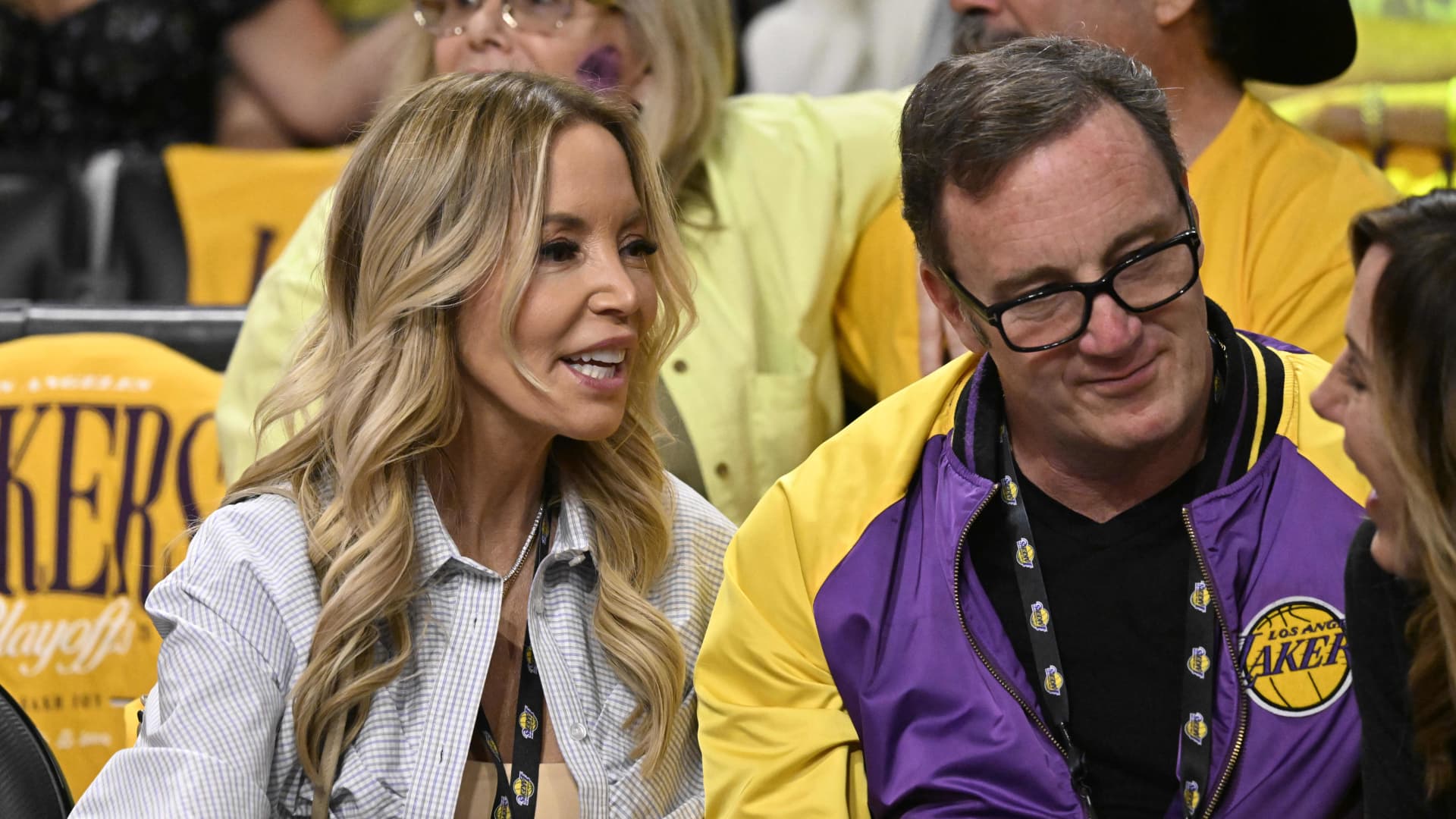
A potential shake-up in the ownership of the Los Angeles Lakers is brewing as governor Jeanie Buss explicitly opposes the sale of her family’s stake, directly contradicting earlier reports. This move introduces significant complexity to a high-profile transaction, which had previously involved a reported $12.5 billion valuation for the NBA franchise.
💰 Financial Strategy & Market Insights
- Controlling Shareholder Power. Jeanie Buss’s assertion highlights the critical role of governance and prior court orders in high-value asset transfers.
- Asset Valuation Disputes. The conflict underscores how internal family dynamics can complicate multi-billion dollar asset valuations and potential investment deals.
- Risk for Potential Investors. Bob Iger and Joshua Kushner face increased uncertainty, revealing inherent risks in deals involving complex ownership structures.
The dispute centers on the remaining Buss family ownership in the iconic NBA team, with Jeanie Buss asserting her authority as the controlling shareholder. In a letter obtained by CNBC, her lawyer Adam Streisand declared that any attempt by her siblings—Jim, Johnny, Janie, Joey, and Jesse—to sell the JAB Trust’s 17.8% interest would be ‘void’ without her consent. This firm stance challenges prior assumptions about the family’s willingness to divest, especially following reports of interest from high-profile investors like Bob Iger and Joshua Kushner.
Streisand’s communication emphasizes a 2017 court order, which he states legally binds the co-trustees (Jeanie, Janie, and Joey Buss) to maintain a minimum 15% ownership to ensure Jeanie Buss remains the Controlling Owner. This legal framework underscores the intricate governance structures often present in family-held assets, particularly those with significant public profiles and valuations. The potential Lakers stake sale is not just a financial transaction; it’s a battle over legacy and control, echoing broader themes found in complex corporate governance issues that often affect liquidity and asset stability across various industries, a topic frequently covered in market analysis.
Key aspects of the Buss family ownership structure include:
- The JAB Trust holds a 17.8% ownership interest in the Los Angeles Lakers, Inc.
- Jeanie, Janie, and Joey Buss serve as co-trustees of the JAB Trust.
- A 2017 court order mandates that the co-trustees vote shares to ensure Jeanie Buss maintains a minimum 15% ownership, securing her role as Controlling Owner.
- Any action to sell the stake without Jeanie’s consent or in contravention of this order is deemed a ‘breach of trust, breach of fiduciary duty and be in contempt of court.’
This current contention follows a previous agreement for Bob Iger and Joshua Kushner to acquire Mark Walter’s majority stake, which valued the Lakers at an astonishing $12.5 billion, as reported by CNBC last week. Had the Buss family’s stake also been sold, it would have pushed Iger and Kushner’s overall team ownership to approximately 83%, according to ESPN. However, a person familiar with the matter stated that Jeanie Buss’s refusal to sell at this time is driven by both ‘value reasons’ and her desire to ‘maintain her role as governor,’ highlighting how deeply personal and financial motives intertwine in such high-stakes negotiations, a dynamic often analyzed in financial sector insights.
- Upside for Current Stakeholders: Potentially enhanced long-term valuation if Jeanie Buss’s strategy to hold the asset proves successful, reinforcing stability in core ownership.
- Downside Risks for Potential Buyers: The uncertainty surrounding the Buss family stake introduces significant legal and execution risk for prospective investors like Bob Iger and Joshua Kushner, complicating their path to majority control.
- Market Liquidity Impact: A protracted dispute could freeze potential liquidity for other minority stakeholders and defer capital shifts, creating an overhang on the team’s market valuation.
From a corporate governance perspective, a ‘controlling shareholder’ wields substantial influence over a company’s strategic direction and asset disposition, often irrespective of their percentage ownership. This power is typically established through a combination of equity percentage, voting rights, and legal agreements, allowing them to shape critical decisions like a Lakers stake sale, impacting both immediate market sentiment and long-term asset valuation.
- Overall Team Valuation (CNBC, Last Week): $12.5 billion
- Buss Family Stake (JAB Trust): 17.8%
- Proposed Buyers’ Combined Share (Including Buss Stake): Approximately 83% (per ESPN report, prior to Buss’s opposition)
The Lakers’ Asset Valuation Dynamics Amidst Ownership Squabbles
The ongoing disagreement within the Buss family regarding the Lakers stake sale introduces notable volatility into the franchise’s perceived market value. While the $12.5 billion valuation for the entire team, established by the Mark Walter deal, sets a formidable benchmark, any internal conflict can complicate future capital raising or divestment plans. Such disputes can deter new investment, as potential buyers prefer clear, undisputed ownership structures. The uncertainty surrounding a key minority stake impacts not just the family’s assets but also potentially influences broader investor sentiment towards high-value sports franchises as stable, liquid assets.
Understanding Risk Management in High-Profile Sports Investments
For investors like Bob Iger and Joshua Kushner, navigating such complex ownership structures is a paramount risk management challenge. While the allure of owning a stake in an iconic brand like the Lakers is significant, the current dispute highlights the importance of thorough due diligence, especially concerning legal agreements, family trusts, and controlling shareholder provisions. The legal letter from Jeanie Buss’s attorney is a stark reminder that even multi-billion dollar deals can be derailed by intricate internal dynamics, forcing investors to re-evaluate potential timelines, valuation premiums, and the ultimate feasibility of securing full control. This scenario underscores that liquidity in such unique assets is not merely about capital availability but also about legal and governance clarity, a principle important for those seeking further educational financial insights.
The Lakers’ Ownership Conundrum: What’s Next for the Franchise?
The firm opposition from Jeanie Buss signals a significant halt to the anticipated sale of the Buss family’s Lakers stake, transforming a potential transaction into a complex legal and familial battle. This development will undoubtedly impact the immediate future of the franchise’s ownership structure and the valuation narrative for major sports assets.
- The current situation ensures Jeanie Buss retains her controlling owner status, upholding the 2017 court order.
- Prospective investors like Iger and Kushner must now reassess their strategy for acquiring a larger stake, potentially facing prolonged negotiations or revised terms.
- The dispute highlights the challenges of asset liquidity and succession planning within prominent family-owned enterprises, particularly when dealing with iconic brands.
How will this power struggle ultimately reshape the Los Angeles Lakers’ financial future and its standing as a premier global sports franchise?
📊 StockXpo Analyst’s View
Market Impact: This high-profile ownership dispute could create a chilling effect on the valuation of other private sports franchises, especially those with similar complex family or trust structures. It underscores that while capital is abundant for premier assets, legal and governance clarity remains a crucial determinant of liquidity and investment attractiveness. Institutional investors will be watching closely for precedents on controlling shareholder rights versus broader family interests, a sentiment echoed in recent Bloomberg reports covering similar market activity.
Sector To Watch: The sports ownership and private equity sectors are directly impacted. Expect increased scrutiny on due diligence processes for major league team acquisitions. Furthermore, the broader entertainment and media industries, where asset valuation is often tied to brand equity and scarcity, will observe how this unique situation resolves, potentially influencing future investment frameworks and capital shifts, as noted by Forbes in its ongoing coverage of industry trends.
Financial Disclaimer:
StockXpo.com is a financial news aggregator and educational portal, not a registered investment advisor or broker-dealer. All information, news, and analysis provided herein are strictly for educational purposes and do not constitute investment, financial, legal, or tax advice. Investing in the stock market involves high risks, and past performance is not indicative of future results. StockXpo will not be liable for any financial losses or investment damages. Always consult a certified financial advisor before making market decisions.
MORE IN INSIDE FINANCE

AI Stock Boom Fuels $67 Billion Equities Growth for Wall Street Giants
Published: Wednesday, October 21, 2026 · 11:03 AM

New Risks Emerge: Global Finance Chiefs Highlight Debt, AI, and Geopolitical Volatility
Published: Tuesday, October 20, 2026 · 2:12 AM


