Published: Tuesday, August 18, 2026 · 6:48 AM | Updated: Tuesday, August 18, 2026 · 6:48 AM
📊 72 views




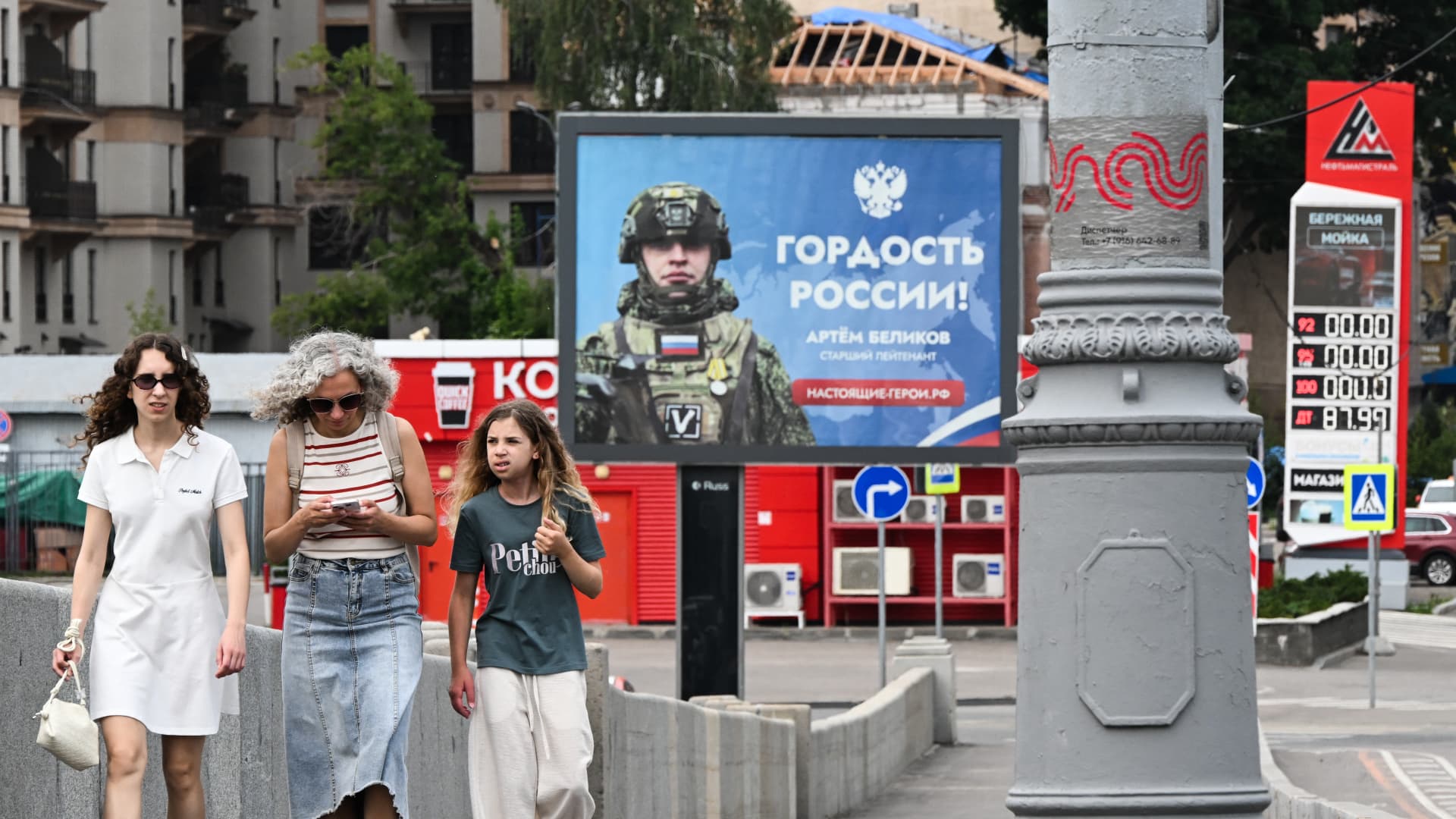
Moscow’s assertions of economic resilience are being challenged from within, as the Kremlin’s dismissal of a prominent state economist reveals deeper anxieties about the long-term sustainability of its wartime fiscal strategy. This development underscores the tension between official narratives and expert assessments, holding significant implications for global macroeconomic stability and future geopolitical dynamics.
📊 Macro-Economic Strategic Insights
- Internal Dissent Surfaced. A top economist from VEB, Andrei Klepach, was dismissed after warning that Russia cannot win a prolonged economic war of attrition and faces an impending social crisis.
- Official Narrative vs. Reality. Despite government claims of a “strong and healthy” economy, the firing suggests a suppression of critical analysis regarding the true costs and long-term implications of sustained conflict and sanctions.
- Systemic Weaknesses Exposed. The underlying reliance on high military spending, increased taxation, and subsidized bank lending indicate structural vulnerabilities masked by current, albeit slow, growth figures.
The Russian Economy is currently navigating a complex landscape, officially portrayed as robust despite “unprecedented foreign pressure” following its 2022 invasion of Ukraine. This narrative, however, clashes sharply with the recent dismissal of Andrei Klepach, the former chief economist of VEB, Russia’s state-controlled development bank. Klepach’s ouster came after a report surfaced warning of Russia’s inability to win a prolonged war of attrition and predicting a significant social crisis. His assessment, delivered in a May 2026 speech, articulated a stark reality: ‘In this war of attrition, we will not win the competition. We’re under the illusion that everything will collapse. It hasn’t, and it won’t. Our costs are mounting,’ as reported by CNBC. He further cautioned that while Russia might not ‘collapse economically,’ its ‘lag will widen, with all the ensuing consequences.’
This incident highlights the Kremlin’s increasingly stringent approach to public dissent, particularly concerning the economic repercussions of its military campaign. While government officials, including the Russian Embassy to the U.K., assert a ‘significantly stronger’ fiscal position compared to many Western economies, citing a modest $57 billion foreign public debt, independent analysts remain skeptical. They argue that this official defiance obscures deeper systemic issues.
- The reported slow economic growth is largely fueled by immense military spending, which redirects resources from productive sectors.
- Increased taxation and heavily subsidized bank lending are propping up sectors critical to the war effort, potentially creating future fiscal imbalances.
- Recent long-range drone attacks by Ukraine on oil refineries and delivery warehouses further expose vulnerabilities in key economic infrastructure, impacting supply chains and industrial output.
These factors paint a picture of an economy under strain, with its perceived resilience potentially unsustainable in the long run. ‘I have long said the best economic minds in Russia are the most alarmed. This again confirms it,’ noted Nigel Gould-Davies, a senior fellow at the International Institute for Strategic Studies, via social media, echoing a sentiment widely held among external observers who monitor global economic analysis.
The Unseen Economic Ripple Effect
The implications of a protracted conflict and internal economic pressure on the Russian economy extend beyond its borders, creating a clear ripple effect across global markets.
Prolonged Conflict & Sanctions → Increased Military Spending → Resource Diversion & Higher Inflationary Pressure
Diminished Public Trust → Reduced Domestic Investment → Stifled Long-Term Growth & Innovation
Economic Isolation → Trade Realignments & Supply Chain Disruptions → Global Commodity Price Volatility
The concept of ‘economic attrition’ refers to a sustained strategy of exhausting an adversary’s resources, finances, and human capital through prolonged conflict. In modern warfare, this often involves extensive sanctions, trade blockades, and the high financial burden of military operations, testing a nation’s ability to maintain its economic stability and social cohesion over time.
Gauging Russia’s Fiscal Standing
While official data on key macroeconomic indicators like GDP growth, inflation, and unemployment can be opaque or subject to political influence in Russia, certain fiscal figures provide some insight into its financial standing. The Russian Embassy to the U.K. emphasized its foreign public debt is approximately $57 billion, significantly lower than major Western economies’ debt servicing costs. This metric is crucial as low foreign debt can offer a buffer against external financial pressures and currency volatility, supporting a degree of fiscal autonomy even under sanctions. However, it doesn’t account for internal debt, state-backed corporate debt, or the escalating cost of wartime expenditures.
Russia’s Fiscal Trajectory Under Scrutiny
The official narrative surrounding Russia’s fiscal stability largely hinges on its relatively low foreign public debt. However, the true picture of the Russian economy’s financial health is far more nuanced. Sustained military expenditures are drawing heavily on state reserves and tax revenues, necessitating higher domestic borrowing or increased taxation on its populace and businesses. This trajectory risks crowding out private sector investment and stifling consumer spending, which are vital for sustainable, non-military-driven growth. The long-term implications include potential stagnation in non-strategic industries and an overreliance on state-directed capital, reducing overall economic dynamism and competitiveness.
Geopolitical Tensions & Global Stability
The ongoing economic skirmish between Russia and Western nations, highlighted by Klepach’s dismissal, extends its reach beyond immediate borders, influencing broader macroeconomic trends. The disruption of established trade routes, the weaponization of energy resources, and the persistent uncertainty contribute to elevated commodity prices and inflationary pressures worldwide. For investors tracking investment analysis, understanding these shifts is crucial. Continued instability poses challenges for international supply chains and portfolio planning. This environment calls for careful assessment of current economic reports, as reported by Reuters and other sources offering educational insights.
Navigating the Economic Truths of the Russian Economy
The tension between official defiance and internal economic warnings paints a clear picture of an economy under duress, despite claims of strength. Klepach’s dismissal underscores the challenges faced by the Kremlin in managing public perception while confronting the real costs of a protracted conflict.
- The reliance on military spending and state-backed lending suggests a structurally imbalanced economy.
- Suppression of dissenting economic views indicates underlying vulnerabilities and a lack of transparency.
- The long-term economic lag predicted by Klepach could lead to significant social challenges.
Can the Russian economy truly sustain its current trajectory without facing deeper systemic instability?
📊 StockXpo Analyst’s View
Market Impact: This development is likely to reinforce cautious investor sentiment regarding Russian assets, highlighting political risks and a lack of transparent economic data. Global markets may see continued volatility in commodity prices, particularly energy and agriculture, as geopolitical tensions further stress supply chains and global investment analysis.
Sector To Watch: Defense and state-controlled heavy industries within Russia will likely continue to receive preferential treatment and funding. Globally, sectors tied to alternative energy and cybersecurity could see increased investment as nations seek to de-risk from geopolitical dependencies and enhance resilience.
Financial Disclaimer:
StockXpo.com is a financial news aggregator and educational portal, not a registered investment advisor or broker-dealer. All information, news, and analysis provided herein are strictly for educational purposes and do not constitute investment, financial, legal, or tax advice. Investing in the stock market involves high risks, and past performance is not indicative of future results. StockXpo will not be liable for any financial losses or investment damages. Always consult a certified financial advisor before making market decisions.
MORE IN INSIDE ECONOMY
Trump Economic Approval Plummets: A Warning for Macro Stability
Published: Thursday, October 22, 2026 · 9:12 AM
UK Inflation Jumps to 3.5%: Cementing Rate Hike Expectations
Published: Wednesday, October 21, 2026 · 2:51 AM