Published: Wednesday, July 29, 2026 · 10:04 PM | Updated: Wednesday, July 29, 2026 · 10:04 PM
📊 179 views




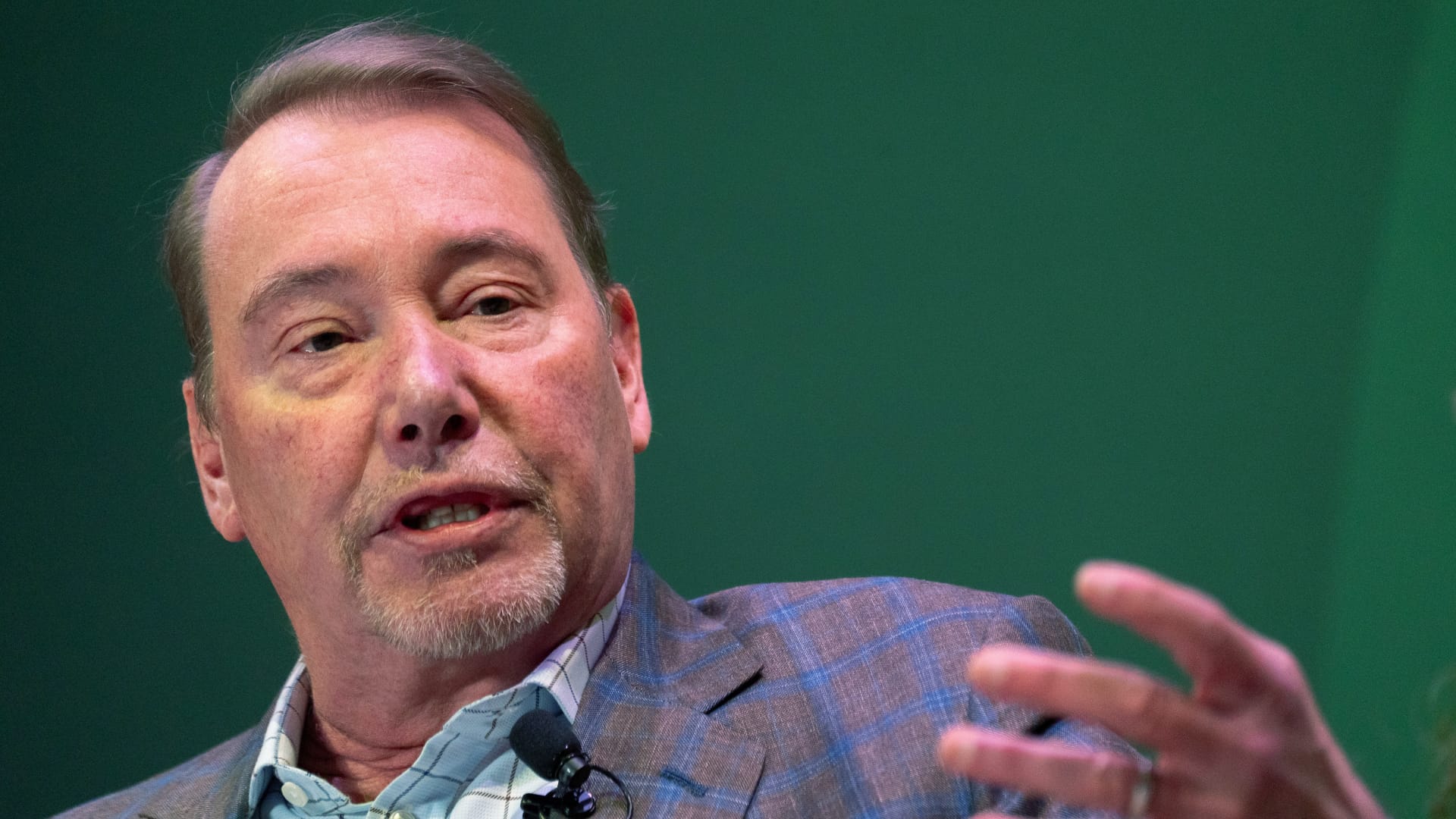
The Treasury market is sending a clear message: the Federal Reserve must translate its hawkish rhetoric into concrete action if it aims to bring inflation down to its 2% target. Prominent investor Jeffrey Gundlach highlighted this sentiment, suggesting that current Fed policy is insufficient to achieve the desired inflation levels in the near term.
💰 Financial Strategy & Market Insights
- Inflation Target Disconnect. Gundlach believes the Fed’s current stance, keeping rates between 3.5% and 3.75%, is not aggressive enough to achieve the 2% inflation goal, potentially extending the disinflationary process.
- Bond Market Dissent. Divergent movements in Treasury yields post-FOMC meeting indicate investor skepticism about the Fed’s commitment to aggressive inflation fighting, with longer-term yields rising as short-term yields softened.
- Policy Lag Effect. The market is pricing in a scenario where the Fed’s delayed action will necessitate a prolonged period of higher rates, impacting borrowing costs and economic growth expectations.
The Federal Reserve recently maintained its benchmark interest rate at the current range of 3.5% to 3.75%, a decision that, while anticipated, saw a rare dissent from three policy members advocating for a quarter-point increase. This internal division hints at the ongoing debate within the Fed regarding the appropriate pace of monetary tightening.
Gundlach’s analysis points to the bond market’s reaction as a direct indicator of investor sentiment. The rally in the two-year Treasury yield suggests traders anticipate the Fed will proceed cautiously. Conversely, the significant surge in longer-dated bond yields, particularly the 10-year Treasury moving over 7 basis points to 4.681% and the 30-year yield hitting a multi-year high of 5.213%, signals that ‘bond market vigilantes’ are demanding more forceful intervention from the central bank to combat inflation.
These yield movements reflect a crucial dichotomy in market expectations. The short end of the yield curve is typically more sensitive to immediate interest rate policy, while the long end is a barometer for inflation expectations and long-term fiscal outlooks. The divergence observed indicates a market that believes the Fed’s current approach lacks the conviction needed to anchor inflation expectations effectively. This can be observed through the following yield shifts:
- 2-Year Treasury Yield: Fell 3 basis points to 4.244%, suggesting anticipation of a slower rate hike path.
- 10-Year Treasury Yield: Rose over 7 basis points to 4.681%, reflecting concerns about persistent inflation.
- 30-Year Treasury Yield: Surged to its highest level since 2007 at 5.213%, indicating long-term inflation and deficit worries.
Fed Chairman Kevin Warsh reiterated the committee’s resolve to meet the 2% inflation goal, stating, ‘where necessary and appropriate, we will not hesitate to act.’ However, the market’s reaction suggests a lack of full confidence in these pronouncements without a demonstrated shift in policy actions. This dynamic underscores the challenge for central banks in managing market expectations, especially during periods of elevated price pressures. Understanding these market signals is crucial for navigating the evolving financial sector.
The Unfiltered Message in Treasury Yields
The disparate movements across the Treasury yield curve following the Fed’s announcement are a telling sign of market participants’ skepticism. The two-year Treasury’s upward movement implies that investors believe the Fed is moving too slowly. On the other hand, the significant jump in the longer bond yields, especially the 30-year Treasury reaching its highest point since 2007, demonstrates that the bond market is effectively pushing back, signaling a need for more decisive Fed action to combat inflation effectively. This could have broader implications for market analysis.
Bond Market Vigilantes and Inflation Expectations
Jeffrey Gundlach’s commentary directly addresses the concept of ‘bond market vigilantes’ – investors who exert pressure on central banks to adhere to fiscal discipline and inflation targets by reacting to policy decisions with their capital. The current rise in long-term Treasury yields suggests these vigilantes are unconvinced by the Fed’s current approach to taming inflation. They are signaling that if the Fed is serious about its 2% inflation objective, it must implement higher interest rates. This underscores the interconnectedness of monetary policy and capital market reactions, a key area of focus for any comprehensive educational financial insights.
The long end of the Treasury yield curve, typically sensitive to inflation and deficit expectations, moving higher while the short end (tied to immediate rate policy) shows less conviction, highlights a market that anticipates a prolonged fight against inflation requiring more substantial Fed intervention than currently priced in.
| Treasury Yield | Current Level | Movement | Significance |
|---|---|---|---|
| 2-Year Treasury | 4.244% | -3 bps | Market expects slower rate hikes |
| 10-Year Treasury | 4.681% | +7 bps | Concerns over persistent inflation |
| 30-Year Treasury | 5.213% | (Significant Surge) | Long-term inflation & deficit worries |
Fed Interest Rates: Liquidity Analysis
The current stance on Fed interest rates is creating a complex liquidity environment. While the Fed’s pause aims to avoid overtightening, the market’s skepticism about its inflation-fighting resolve is causing divergent capital flows. Investors are becoming more discerning, seeking assets that offer protection against sustained inflation while simultaneously anticipating the eventual need for higher yields to compensate for economic uncertainty. This environment necessitates a careful assessment of asset valuations and potential future capital shifts.
Fed Interest Rates: Yield Curve Dynamics
The yield curve is currently exhibiting unusual dynamics, primarily driven by conflicting signals from the Fed and market expectations. The inversion between short-term and long-term yields, coupled with the recent upward pressure on longer-dated maturities, suggests a market that is pricing in a scenario of persistent inflation and potential stagflationary pressures. This scenario implies that the Fed may eventually be forced to raise rates further or keep them higher for longer than currently projected, impacting long-term investment strategies and the overall cost of capital.
Navigating Inflation’s Persistent Shadow
The bond market’s current narrative, as interpreted by analysts like Gundlach, suggests that the Federal Reserve is facing a critical juncture in its battle against inflation. The divergence in Treasury yields indicates a clear demand for more assertive monetary policy. Should the Fed fail to adequately address these concerns, it risks further eroding market confidence and prolonging the period of elevated price pressures, impacting asset valuations across the board. This situation demands a careful approach to risk management, as outlined by Reuters.
Fed Interest Rates: The Inflation Tightrope Walk
The Federal Reserve is walking a tightrope. On one side, the desire to avoid triggering a recession by overtightening monetary policy; on the other, the imperative to tame stubbornly high inflation. The bond market’s reaction to the latest Fed decision—with longer-term yields climbing and shorter-term yields showing less conviction—underscores the prevailing sentiment: the current interest rate environment is not sufficiently restrictive to achieve the Fed’s 2% inflation target within a reasonable timeframe. This has significant implications for future investment strategies and economic stability.
Financial Disclaimer:
StockXpo.com is a financial news aggregator and educational portal, not a registered investment advisor or broker-dealer. All information, news, and analysis provided herein are strictly for educational purposes and do not constitute investment, financial, legal, or tax advice. Investing in the stock market involves high risks, and past performance is not indicative of future results. StockXpo will not be liable for any financial losses or investment damages. Always consult a certified financial advisor before making market decisions.
MORE IN INSIDE FINANCE

Brazilian Stocks Jump: Political Shift Ignites Market Volatility
Published: Monday, October 5, 2026 · 1:50 PM

Sports Betting Volatility: Gen Z’s Risky Financial Shift
Published: Sunday, October 4, 2026 · 10:11 AM