Published: Wednesday, July 29, 2026 · 10:03 PM | Updated: Wednesday, July 29, 2026 · 10:03 PM
📊 154 views




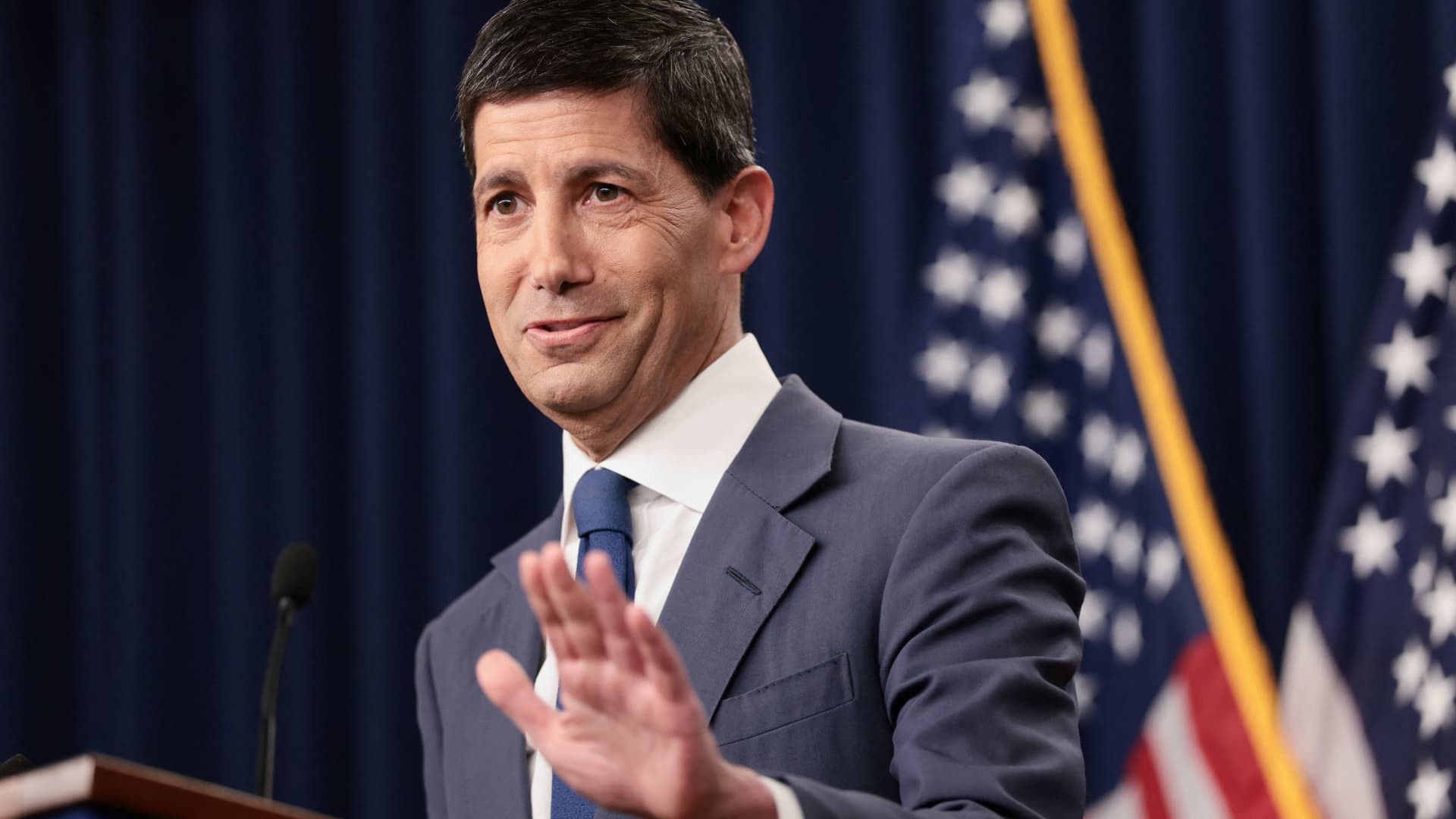
The recent Federal Reserve meeting has underscored a growing divergence within the FOMC, with a notable surge in dissenting votes signaling underlying tensions regarding the path forward for monetary policy. Chairman Kevin Warsh’s attempts to provide clarity have been met with a complex market reaction, particularly concerning inflation expectations and future interest rate trajectories.
💰 Financial Strategy & Market Insights
- Dissenting Votes Signal Policy Rift. Three FOMC members favored a quarter-point rate hike, highlighting internal debate and differing views on economic conditions.
- Inflation Fight Persists. The Fed remains committed to controlling inflation, but acknowledges it will be a protracted and challenging battle, contrary to quick-fix expectations.
- Market Rejects Inflation Narrative. Long-term Treasury yields climbed significantly, suggesting a market belief that the Fed’s stance will ultimately fuel future inflation, creating an interesting dynamic for asset valuation.
The ‘Family Fight’ Returns: Dissent Amidst Policy Holds
The Federal Open Market Committee (FOMC) opted to hold interest rates steady, aligning with market expectations. However, the meeting was marked by an unusual ‘family fight’ as three regional presidents—Lorie Logan (Dallas), Neil Kashkari (Minneapolis), and Beth Hammack (Cleveland)—voted against the decision, advocating for a 25 basis point hike. Chairman Kevin Warsh characterized these dissents as a healthy part of the committee’s deliberative process, intended to foster more robust discussion and diverse perspectives on monetary policy formulation. This increased level of internal disagreement, while not entirely surprising given past statements from the dissenting members, signals a potential shift in the unified front previously presented by the Fed.
Concise Statements and Unwavering Inflation Resolve
In line with a trend towards brevity under Chairman Warsh, the FOMC’s policy statement was notably short, focusing on factual reporting of the decision and the dissenting votes. Warsh emphasized that the statement’s conciseness is a deliberate choice to steer clear of forecasting during uncertain economic times, asserting that this approach does not equate to a lack of clarity. Despite the muted language, the Fed reiterated its steadfast dedication to combating inflation. Warsh candidly admitted that this fight would not be a swift victory, stating, ‘We’ve got no magic wand,’ and that bringing inflation under control would require sustained effort over weeks and months, not days.
- The surge in dissenting votes indicates a growing divide within the FOMC on the appropriate monetary policy stance.
- Chairman Warsh’s emphasis on transparency regarding dissent aims to foster a more open and rigorous policy debate.
- The market’s interpretation of the Fed’s commitment to fighting inflation is diverging from the committee’s stated resolve.
Market Reacts to Inflation Signals: Yields Diverge
The market’s reaction to the Fed meeting presented a stark contrast to the chairman’s hawkish rhetoric on inflation. While the policy-sensitive 2-year Treasury yield saw a dip, yields at the longer end of the curve experienced a significant surge. The 30-year bond, in particular, roared higher by 11.5 basis points to 5.211%, reaching its highest level since 2007. This divergence suggests that investors are not fully convinced by the Fed’s ability to curb inflation, anticipating that current policy settings might lead to higher price pressures down the line. This market movement can be seen as a challenge to Warsh’s ‘inflation warrior’ credentials and implies potential challenges in managing capital shifts and asset valuation in the coming periods.
September Meeting: A Cryptic Outlook
Investors seeking concrete clues about the Federal Reserve’s intentions for the September FOMC meeting were left with more questions than answers. The policy statement offered no forward guidance on future rate hikes, nor did it clearly articulate the Fed’s reaction function to incoming economic data. Chairman Warsh remained cryptic regarding his personal stance on a potential September hike, acknowledging the need for a transition period following the pullback of forward guidance. He suggested that while reform in policy communication is challenging, the committee’s enhanced judgment processes would aid in making better decisions aligned with their mandate.
Treasury Yield Curve Dynamics
The recent Fed meeting has injected a new layer of complexity into the Treasury market’s interpretation of monetary policy. The notable widening between short-term and long-term yields, with the 30-year Treasury soaring to its highest level since 2007, suggests a market consensus that differs from the Fed’s stated inflation-fighting objectives. This divergence indicates that market participants are pricing in a potentially higher inflation environment over the medium to long term, which could impact investment strategies and risk management models. Understanding these yield curve dynamics is crucial for assessing future capital flows and asset performance. For deeper insights into market trends, explore our financial sector analysis.
The Bond Market’s Inflationary Message
The bond market’s higher yields are sending a clear message about inflation risks, and the current Fed policy under Chairman Warsh appears to be ‘turning a blind eye’ to this signal, leaving investors seeking answers that are not forthcoming.
What the Fed’s Divided Stance Signals for Markets
The internal divisions within the Federal Reserve, as evidenced by the dissenting votes at the latest Fed meeting, present a critical juncture for market participants. The Fed’s commitment to fighting inflation is being tested by both market expectations and potentially by differing economic philosophies among committee members. This creates an environment of heightened uncertainty, impacting investor sentiment and the perceived risk associated with various asset classes. Monitoring the evolution of these internal debates will be key to navigating potential capital shifts and adjusting investment strategies accordingly. The challenge for investors lies in discerning the Fed’s true intentions and anticipating how these dynamics will shape future market liquidity and asset valuation.
Federal Reserve’s Inflation Fight: Beyond the Horizon
Chairman Warsh’s acknowledgment that the fight against inflation will be protracted underscores the ongoing challenges faced by central banks globally. The current economic landscape, characterized by persistent price pressures and supply chain disruptions, necessitates a sustained and adaptable policy response. For investors, this implies a need for robust risk management strategies and a long-term perspective on asset allocation. Understanding the intricacies of monetary policy and its impact on different markets is paramount. For further educational financial insights, consider our blog resources.
Fed Meeting’s Path Forward: Uncertainty and Opportunity
The latest Fed meeting, marked by internal dissent and a complex market reaction to inflation signals, highlights a period of significant uncertainty. While the Fed remains resolute in its inflation fight, the divergence in market expectations and policy views within the FOMC creates a dynamic environment for investors. Navigating this landscape requires a keen understanding of asset valuation, liquidity conditions, and proactive risk management. As the central bank grapples with these challenges, investors must remain agile and informed.
The implications for the broader market are substantial:
- Upside Potential: Markets could rally on signs of sustained economic growth if inflation is perceived to be manageable, or if the Fed pivots unexpectedly to a more accommodative stance.
- Downside Risks: Persistent inflation, aggressive rate hikes leading to economic contraction, or a significant loss of Fed credibility could trigger market sell-offs and increased volatility.
Fed Meeting’s September Crossroads
The Federal Reserve’s recent meeting has set the stage for a critical September FOMC meeting, where inflation data and committee consensus will likely dictate policy moves. The market’s current interpretation of future inflationary pressures, reflected in the soaring long-term yields, suggests a high bar for inaction. Investors will be closely scrutinizing incoming economic reports for any signals that could sway the committee’s decision, particularly concerning the credibility of the Fed’s inflation mandate.
- The market is anticipating a potential shift in Fed policy at the upcoming September meeting, driven by inflation concerns.
- Investor sentiment remains cautious, with a focus on how economic data will influence the Fed’s reaction function.
- The credibility of the Fed’s inflation-fighting efforts is a key factor that will influence market expectations and capital flows.
📊 StockXpo Analyst’s View
Market Impact: The divided Fed signals potential for increased volatility in fixed income and equities as markets attempt to price in diverging policy expectations and inflation outlooks. Investor sentiment could become more risk-averse if the Fed’s messaging continues to be perceived as inconsistent with market realities.
Sector To Watch: Sectors sensitive to interest rate fluctuations, such as technology and real estate, will require careful monitoring. Conversely, companies with strong pricing power and those in defensive industries might offer relative stability amidst market uncertainty. The divergence in yields could also present opportunities in fixed-income strategies that focus on duration risk.
Financial Disclaimer:
StockXpo.com is a financial news aggregator and educational portal, not a registered investment advisor or broker-dealer. All information, news, and analysis provided herein are strictly for educational purposes and do not constitute investment, financial, legal, or tax advice. Investing in the stock market involves high risks, and past performance is not indicative of future results. StockXpo will not be liable for any financial losses or investment damages. Always consult a certified financial advisor before making market decisions.
MORE IN INSIDE FINANCE

Sports Betting Volatility: Gen Z’s Risky Financial Shift
Published: Sunday, October 4, 2026 · 10:11 AM
Brazil Election: Market Volatility Ahead Amidst Political Divide
Published: Saturday, October 3, 2026 · 11:30 AM