
Published: Wednesday, July 29, 2026 · 10:03 PM | Updated: Wednesday, July 29, 2026 · 10:03 PM
📊 203 views




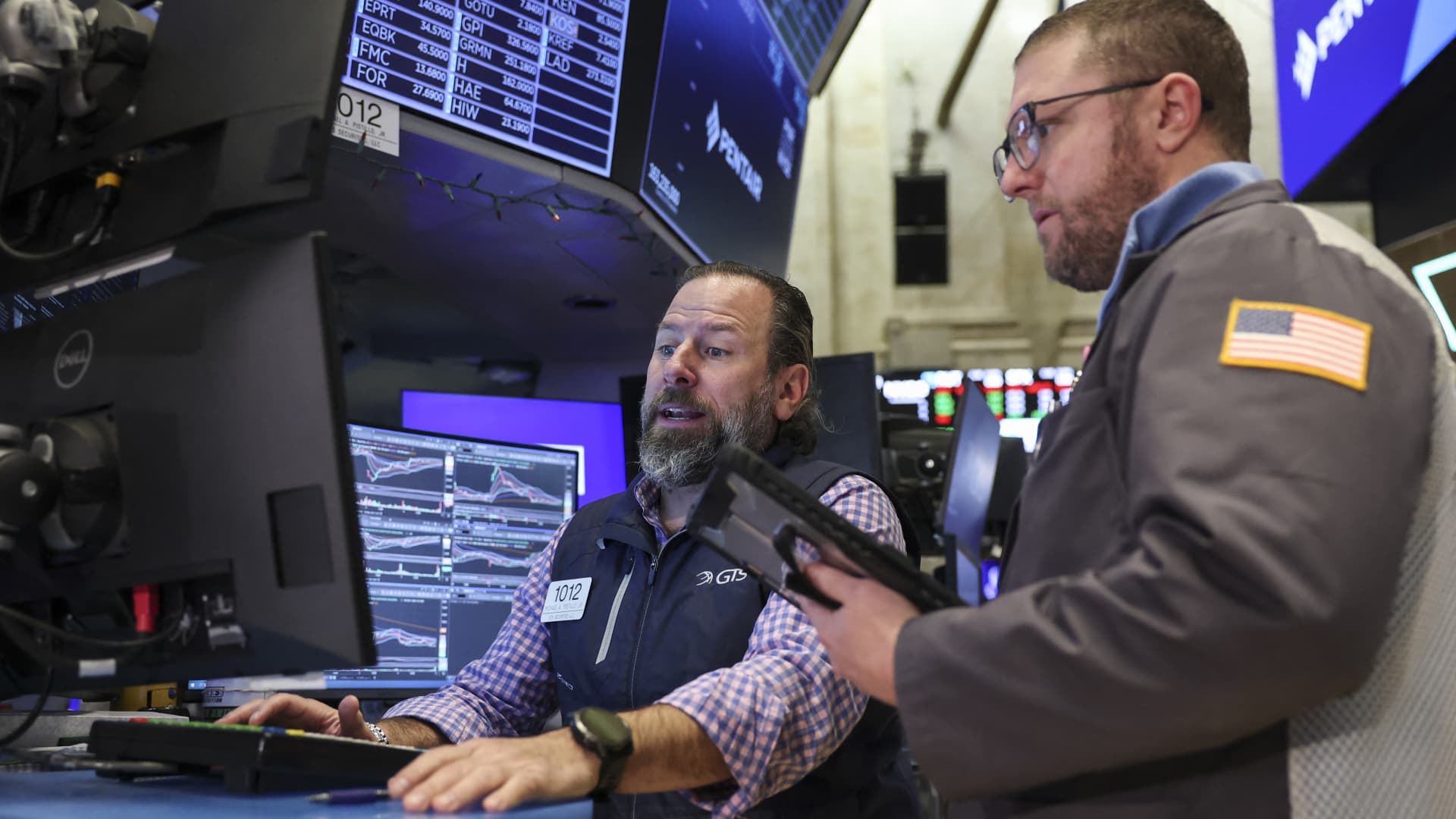
The Dow Jones Industrial Average experienced a significant decline of over 1,000 points recently, a sharp reaction to the Federal Reserve’s decision to maintain interest rates alongside rising oil prices. This event prompts a deeper examination of market liquidity and the typical investor response to such volatility.
💰 Financial Strategy & Market Insights
- Reciprocal Tariffs Trigger Volatility. The implementation of widespread reciprocal tariffs by the Trump administration in April 2025 contributed to three instances of significant 1,000-point Dow drops, highlighting the market’s sensitivity to trade policy shifts.
- Inflationary Pressures and Rate Hikes. Surging inflation in 2022 led to multiple Federal Reserve rate hikes, fueling investor fears of an economic slowdown and potential recession, which resulted in four 1,000-point declines and pushed the Dow into bear market territory before a recovery began in October 2022.
- Labor Market and Monetary Policy Concerns. Market sentiment was also impacted by weaker-than-expected U.S. labor reports and concerns over cautious central bank approaches to interest rate cuts, as seen in August and December 2024, leading to further significant index drops.
Historically, the period immediately following a 1,000-point drop in the Dow Jones Industrial Average often sees continued weakness in the short term, with a median loss of 1.14% within a week. However, market sentiment and asset performance tend to rebound significantly in the medium to long term. A month after such a decline, the index has historically seen a median gain of nearly 2%, which expands to an impressive 9.1% over a three-month period. This pattern suggests that while short-term volatility can be unsettling, longer-term recovery and growth are often robust.
Examining specific historical instances provides crucial context for current market dynamics. Three notable 1,000-point declines occurred in the wake of President Donald Trump’s ‘liberation day’ tariff announcements in April 2025. Initial market panic subsided with a temporary pause on tariffs, but renewed concerns over tariffs on China caused further dips. The market’s eventual recovery was linked to signals of easing trade tensions with China later that month.
Four other significant drops took place in 2022. This period was characterized by aggressive Federal Reserve rate hikes aimed at combating high inflation. The market’s reaction was a palpable fear of an economic slowdown or recession, pushing major averages, including the Dow, into bear market territory. These markets eventually bottomed in October 2022, marking the beginning of the current bull market.
Further analysis of past events reveals that:
- The August 2024 drop was influenced by concerns over the U.S. labor market following a disappointing jobs report and a sharp decline in the Japanese stock market.
- The December 2024 decline was attributed to the Federal Reserve signaling a cautious stance on interest rate reductions.
- The most recent 1,000-point fall was triggered by the Fed’s decision to hold interest rates steady amid persistent inflation, compounded by rising oil prices due to geopolitical tensions involving Iran.
Upside Potential
- Historically, the Dow has shown strong recovery patterns within one to three months following large point declines.
- Easing geopolitical tensions or positive economic data can quickly reverse negative sentiment.
- Increased volatility can present opportunities for value investors to acquire assets at lower prices.
Downside Risks
- Persistent inflation could force the Fed into further aggressive rate hikes, increasing recessionary fears.
- Escalating geopolitical conflicts could lead to sustained high energy prices and supply chain disruptions.
- Investor sentiment may remain fragile, leading to prolonged periods of market uncertainty.
The Federal Reserve’s dual mandate of price stability and maximum employment faces a complex balancing act. When inflation remains above target and economic growth signals are mixed, the central bank’s communication and policy decisions become paramount drivers of market liquidity and investor confidence. A deviation in expected monetary policy, especially concerning interest rates, can trigger rapid capital shifts.
The Dow’s Historical Benchmarking
The Dow Jones Industrial Average has experienced nine instances of 1,000-point drops in the last five years. The typical market reaction involves an immediate one-day decline, followed by a period of further weakness in the subsequent week (-1.14% median loss). However, this is often succeeded by a notable recovery: a median gain of nearly 2% in one month and a substantial 9.1% median gain in three months.
Why This Market Correction Matters for Investors
The recent substantial Dow drops 1000 points event underscores the inherent volatility within equity markets, particularly when influenced by macroeconomic factors like monetary policy and geopolitical events. Analyzing these movements is crucial for understanding asset valuation shifts and refining risk management strategies.
The Hidden Message in These Volatile Days
The historical data on 1,000-point Dow declines suggests a pattern of short-term shock followed by medium-to-long-term recovery. This cycle highlights the importance of a long-term investment horizon and disciplined capital allocation, rather than reactive trading based on immediate market drops. Understanding these dynamics can inform more robust financial sector strategies.
The current market environment, characterized by persistent inflation and geopolitical instability, suggests that the path to recovery may be more nuanced than in past instances. Investors should closely monitor Federal Reserve commentary and oil price movements as key indicators of future market direction. The interplay between these factors will significantly shape investor sentiment and capital flow over the coming quarters.
### 📊 StockXpo Analyst’s View
Market Impact: This significant Dow drops 1000 points event highlights heightened market sensitivity to central bank policy and geopolitical risks, potentially leading to increased volatility and a flight to safer assets in the short term. Investors will be closely watching for signs of sustained inflation or de-escalation of global tensions.
Sector To Watch: Energy and defense sectors may see continued strength due to ongoing geopolitical risks and rising oil prices. Conversely, interest-rate sensitive sectors like technology and growth stocks could face headwinds if the Fed maintains a hawkish stance. Companies with strong balance sheets and pricing power are likely to be more resilient.
Financial Disclaimer:
StockXpo.com is a financial news aggregator and educational portal, not a registered investment advisor or broker-dealer. All information, news, and analysis provided herein are strictly for educational purposes and do not constitute investment, financial, legal, or tax advice. Investing in the stock market involves high risks, and past performance is not indicative of future results. StockXpo will not be liable for any financial losses or investment damages. Always consult a certified financial advisor before making market decisions.
MORE IN INSIDE FINANCE

Sports Betting Volatility: Gen Z’s Risky Financial Shift
Published: Sunday, October 4, 2026 · 10:11 AM

Brazil Election: Market Volatility Ahead Amidst Political Divide
Published: Saturday, October 3, 2026 · 11:30 AM


