Published: Thursday, July 23, 2026 · 7:16 PM | Updated: Thursday, July 23, 2026 · 7:16 PM
📊 233 views




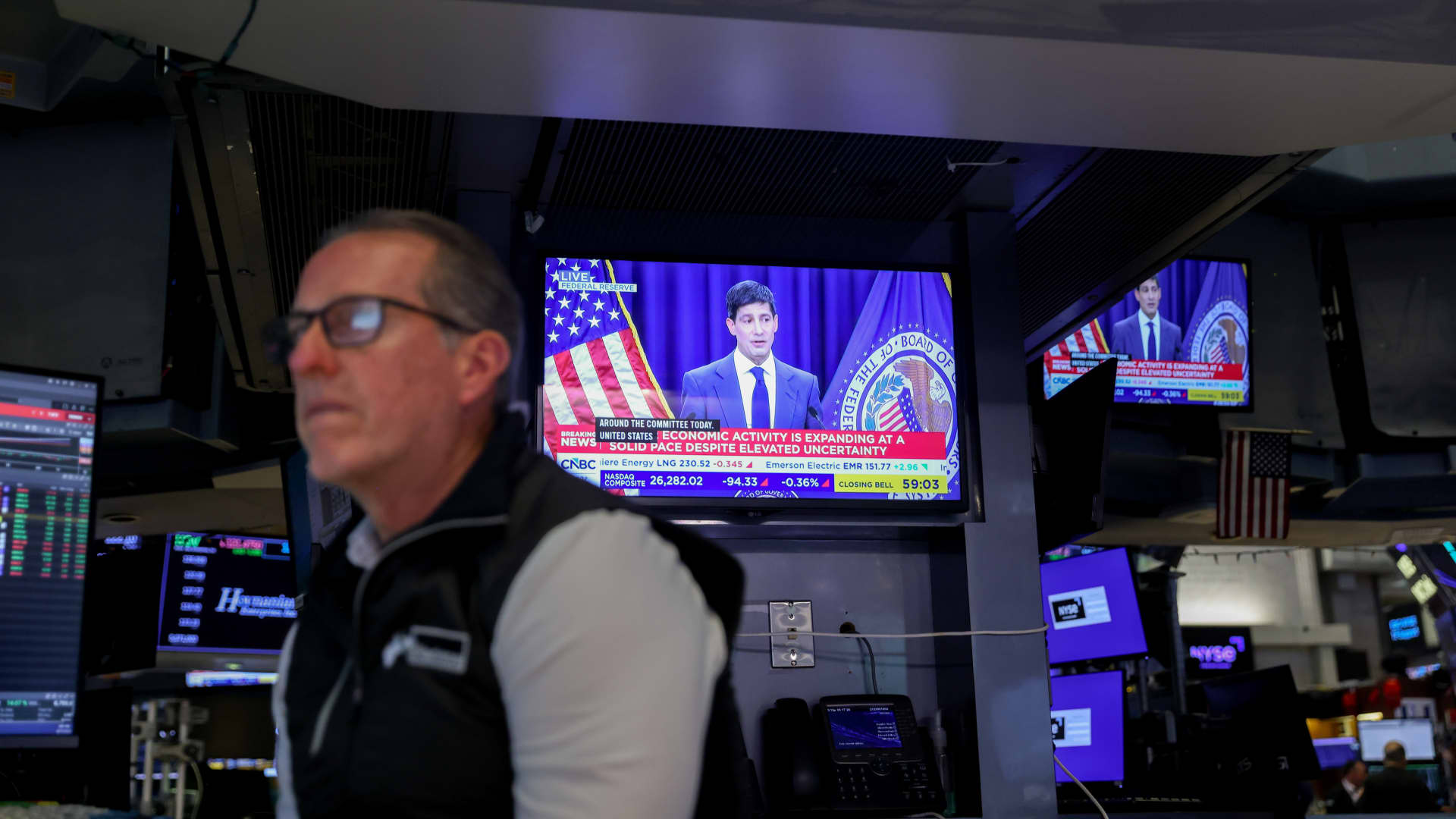
Markets are bracing for a potential shift in monetary policy as odds for a Federal Reserve rate hike in September have surged dramatically. This pivot is primarily fueled by a sharp rise in oil prices—pushing Brent crude to $100 a barrel—and surprisingly strong labor market data, suggesting the Fed may prioritize inflation control over economic growth concerns.
💰 Financial Strategy & Market Insights
- Rising Rate Expectations. Fed funds futures now price an 82% chance of a September rate hike, up from 53% just a week ago, signaling a significant market reassessment.
- Inflationary Pressures. Brent crude’s surge to $100/barrel, alongside robust employment figures, intensifies inflation concerns, potentially forcing the Fed’s hand.
- Equity Market Downturn. Higher borrowing cost expectations, coupled with rising oil and Treasury yields, are exerting notable downward pressure on technology-heavy indices and the broader stock market.
Investors are rapidly recalibrating their expectations for the Federal Reserve’s next policy move, with the likelihood of a September rate hike climbing sharply. According to CME’s FedWatch tool, the probability of the central bank increasing borrowing costs has jumped to approximately 82% for its September meeting, a stark increase from less than 53% just one week prior. This dramatic shift reflects growing concerns over persistent inflationary pressures, primarily exacerbated by escalating energy costs.
Global crude benchmark Brent soared to $100 a barrel for the first time since late May, a direct consequence of renewed geopolitical tensions between the U.S. and Iran. This surge in oil prices has translated quickly to consumer costs, with U.S. gasoline prices hitting $4 per gallon—the highest in over a month, reports AAA. The ripple effect of higher energy prices is a critical factor influencing the Fed’s inflation outlook, potentially accelerating price increases across various sectors of the economy.
Adding further complexity to the monetary policy debate is recent labor market data. Initial jobless claims plummeted to 187,000 in the week ending July 18, reaching levels not seen since 1969. This robust employment report underscores the strength of the U.S. labor market, providing the Federal Reserve with greater leeway to focus on combating inflation without immediately jeopardizing economic stability. Christopher Rupkey, chief economist at FWDBONDS, noted that while growth appears to be ‘overheating,’ the duration of this strength hinges on energy price trajectory. The confluence of these factors creates a compelling case for a more hawkish stance by the central bank.
- The market’s anticipation of tighter monetary policy is already evident in equity performance. Major indices like the Dow Jones Industrial Average and the Nasdaq Composite experienced significant declines, with tech stocks—often sensitive to higher borrowing costs—being particularly impacted. This market reaction underscores investor anxiety about the implications of a shifting market analysis landscape and potential rate adjustments.
Navigating Market Volatility: Risk and Reward Outlook
- Upside Potential:
- Inflation Control: A proactive Federal Reserve rate hike could effectively curb inflation, stabilizing long-term economic growth and purchasing power.
- Dollar Strength: Higher rates typically bolster the U.S. dollar, benefiting importers and potentially attracting foreign capital seeking higher yields.
- Yield Opportunities: Fixed-income investors could see improved returns from rising Treasury yields, particularly in shorter-duration assets.
- Downside Risks:
- Economic Slowdown: Aggressive rate hikes risk stifling economic activity, potentially leading to recessionary pressures and job losses.
- Equity Market Correction: Increased borrowing costs could reduce corporate earnings and investor appetite for risk, extending the current downward pressure on stock valuations.
- Credit Market Stress: Higher rates may strain highly leveraged companies and consumers, increasing default risks and financial instability.
The 2-year U.S. Treasury yield serves as a crucial barometer for near-term monetary policy expectations. Its recent rise, increasing by over 6 basis points, directly reflects the market’s conviction that the Federal Reserve is preparing to tighten financial conditions, offering investors a ‘readthrough’ into the central bank’s immediate intentions and future trajectory.
Key Market Indicators Reflecting Fed Expectations
- September Rate Hike Odds (CME FedWatch): Surged from <53% to ~82% in one week.
- Brent Crude Price: Reached $100/barrel, highest since late May.
- U.S. Gasoline Price (AAA): Hit $4/gallon, highest in over a month.
- Initial Jobless Claims (Week Ended July 18): Dropped to 187,000, lowest since 1969.
- 2-Year U.S. Treasury Yield: Rose over 6 basis points on Thursday.
- Dow Jones Industrial Average: Tumbled >600 points in midday trading.
- Nasdaq Composite: Shed nearly 3% in midday trading.
Global Market Liquidity Analysis Amid Rate Fears
The sudden shift in rate hike probabilities has significant implications for global market liquidity. As interest rates rise, the cost of capital for businesses and consumers increases, often leading to a contraction in credit and a reduction in overall market liquidity. This can be particularly challenging for emerging markets and highly leveraged sectors within developed economies. Investors are likely to favor safer assets, potentially drawing capital away from riskier ventures and impacting broader financial sector stability. Monitoring central bank communications and global global capital flows will be critical for assessing the true impact on liquidity in the coming weeks. Increased volatility, as seen in Thursday’s stock market decline, is a direct symptom of this liquidity re-evaluation.
Treasury Yield Curve Dynamics Signal Fed’s Stance
The U.S. Treasury yield curve is actively signaling the market’s evolving expectations for monetary policy. While the 2-year yield’s sharp ascent directly reflects near-term rate hike anticipation, the behavior of longer-duration yields will provide insight into the market’s long-term growth and inflation outlook. A steepening curve (longer-term yields rising faster than short-term) might suggest strong growth and inflation expectations, while an inversion often precedes economic slowdowns. The current environment, with short-term yields reacting strongly to immediate Fed signals and commodity shocks, indicates a market attempting to price in aggressive inflation fighting. Understanding these yield curve movements is paramount for investors.
The Ripple Effect of Federal Reserve Rate Hike on 2026 Markets
The escalating odds of a Federal Reserve rate hike represent a significant inflection point for financial markets in 2026. The confluence of persistent inflationary pressures from rising oil prices and a resilient labor market has placed the Fed in a challenging position, compelling it to consider tighter monetary policy sooner than previously anticipated.
- The shift points to a more hawkish Fed, potentially prioritizing inflation control over growth support in the near term.
- Expect continued volatility in equity markets, particularly in growth-sensitive sectors, as investors digest higher borrowing costs.
- Fixed income markets, especially short-term Treasuries, will remain highly sensitive to Fed commentary and economic data.
How will global capital flows react to this tightening stance, and what does it mean for long-term asset valuations?
📊 StockXpo Analyst’s View
Market Impact: The sudden surge in rate hike expectations is a game-changer for market liquidity, shifting capital from growth-oriented equities to safer, yield-bearing assets. Investors should anticipate increased volatility and a repricing of risk assets as the cost of capital rises. This environment favors cautious portfolio positioning and robust risk management strategies, possibly leading to further downward pressure on highly valued technology stocks. We advise closely monitoring the Federal Reserve’s upcoming statements for any forward guidance, as this will heavily influence market direction and investor sentiment for the remainder of the year. Our educational financial insights emphasize the importance of adaptability in such volatile periods.
Sector To Watch: Energy and defensive sectors could see continued interest due to commodity inflation and flight-to-safety, respectively. Conversely, sectors highly dependent on cheap capital, such as technology and discretionary consumer goods, may face sustained headwinds. Financials, particularly banks, could benefit from higher net interest margins, but this would be tempered by potential increases in loan defaults if economic growth significantly slows. Utility and healthcare sectors may also offer relative stability.
Financial Disclaimer:
StockXpo.com is a financial news aggregator and educational portal, not a registered investment advisor or broker-dealer. All information, news, and analysis provided herein are strictly for educational purposes and do not constitute investment, financial, legal, or tax advice. Investing in the stock market involves high risks, and past performance is not indicative of future results. StockXpo will not be liable for any financial losses or investment damages. Always consult a certified financial advisor before making market decisions.
MORE IN INSIDE FINANCE
AI Stock Boom Fuels $67 Billion Equities Growth for Wall Street Giants
Published: Wednesday, October 21, 2026 · 11:03 AM

New Risks Emerge: Global Finance Chiefs Highlight Debt, AI, and Geopolitical Volatility
Published: Tuesday, October 20, 2026 · 2:12 AM