Published: Thursday, July 23, 2026 · 7:17 PM | Updated: Thursday, July 23, 2026 · 7:17 PM
📊 212 views




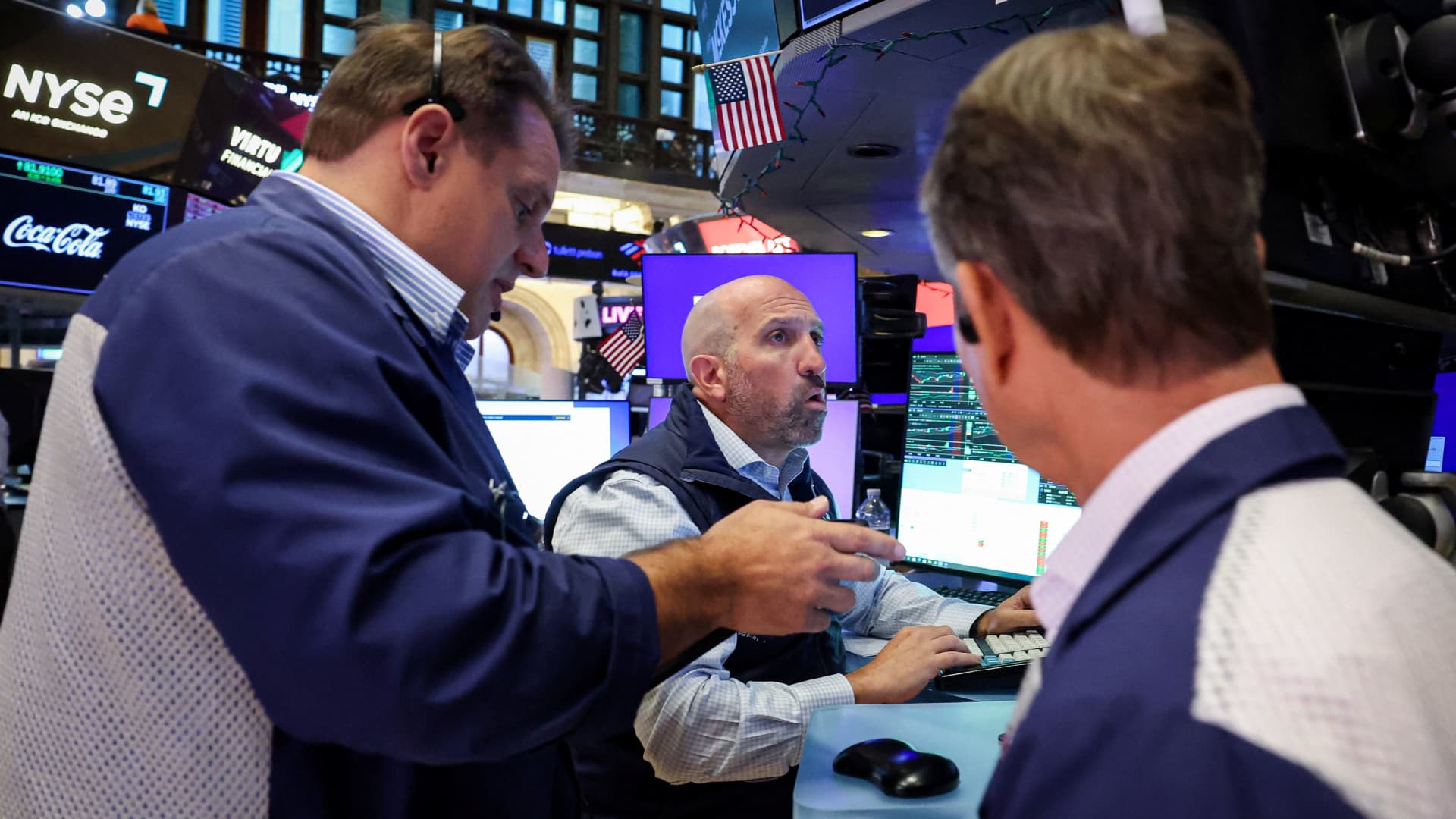
The shortsighted stock market is undergoing a critical re-evaluation of geopolitical risk, as renewed tensions in the Middle East drive crude oil prices significantly higher and push Treasury yields to multi-year peaks. This shift marks a dramatic departure from earlier investor complacency, signaling a recalibration of asset valuations across the board.
Major U.S. equities, epitomized by the S&P 500, experienced a notable decline as the market began to factor in a prolonged conflict. This reversal challenges previous assumptions of a swift de-escalation, prompting investors to brace for broader economic consequences.
💰 Financial Strategy & Market Insights
- Oil Prices Break Key Resistance. Brent Crude futures surged above $100 per barrel, with WTI Crude jumping 6% to $92, signaling heightened inflationary pressures and supply chain concerns.
- Treasury Yields Reach Multi-Year Highs. The 10-year Treasury yield surpassed 4.7%, its highest since January 2025, while 30-year rates are now solidly above 5%, directly impacting corporate borrowing costs and equity valuations.
- Equities Confront Geopolitical Reality. The S&P 500 registered its largest decline in a month, reflecting a market no longer able to overlook the economic ramifications of an extended Middle East conflict.
Despite 12 consecutive nights of U.S. strikes against Iran and initial oil price spikes, domestic equities had largely compartmentalized the escalating conflict. That sentiment abruptly changed on Thursday following reports of tanker attacks off Saudi Arabia, pushing Brent Crude past the critical $100 threshold and the 10-year Treasury yield above 4.7% for the first time since early 2025. This sudden recalibration saw the S&P 500 heading for its most significant decline in a month, starkly contrasting its previous resilience.
Steve Sosnick, chief strategist at Interactive Brokers, articulated the market’s awakening: ‘It’s too hard to ignore $100 oil. It’s too hard to ignore 10-year rates that are above 4.70%. It’s too hard for the stock market to ignore 30-year rates that are solidly above 5%.’ This perspective highlights how deeply intertwined energy prices and borrowing costs are with overall market sentiment and asset valuation. Western Texas Intermediate Crude futures also reflected this tension, jumping 6% to $92 per barrel, a substantial rebound of over 28% from lows earlier this month.
Earlier this year, in March 2026, the S&P 500 fell more than 7.5% as the initial U.S.-Iran war erupted, driving oil prices up nearly 70% and sparking fears of stagflation. However, a series of de-escalation announcements and renewed optimism in the artificial intelligence sector fueled a ferocious rebound in April and May, even as intermittent hostilities continued. JPMorgan equity strategists had previously advised clients to ‘use any dips on the back of adverse geopolitical headlines in order to add,’ banking on President Trump finding a rapid resolution to avoid severe economic and political consequences.
However, the current situation suggests a more profound shift. Sameer Samana, senior global market strategist at Wells Fargo Investment Institute, now urges traders to reconsider earlier economic fears, citing concerns about both higher inflation and the potential drag of elevated gas prices on consumer spending. This reignited conflict, she suggests, could warrant preparing for a larger drawdown in equities, impacting overall market analysis and capital deployment.
- Geopolitical events are now a primary driver for market movements, superseding prior dismissal of the conflict’s potential impact.
- The market is actively reassessing the dual threat of persistent inflation and reduced consumer spending due to higher energy costs.
- Increased probabilities for a Federal Reserve rate hike (38% next week, 80% by September, per CME’s FedWatch tool) underscore expectations for a tighter borrowing environment.
Michael Tanney, CEO at Pereon Wealth, offers a counter-perspective, believing the U.S. economy is better equipped to handle energy shocks than in the past, suggesting that a sustained price above $120 per barrel would be the true ‘breaking point’ for serious trickle-down effects. This viewpoint emphasizes the importance of understanding underlying economic resilience, a critical component of market analysis, amid geopolitical turmoil.
Risk vs Reward: Navigating the Geopolitical Crosscurrents
- Upside Potential:
- Swift and definitive diplomatic resolution leading to de-escalation of tensions and stabilization of oil prices.
- Underlying economic resilience proving stronger than anticipated, absorbing energy price shocks without severe demand destruction.
- Oil prices stabilizing below the $120 per barrel ‘breaking point,’ as suggested by some analysts, limiting broader economic impact.
- Downside Risks:
- Prolonged or intensified Middle East conflict, pushing oil prices sustainably above $120 and exacerbating inflationary pressures.
- Resurgence of ‘stagflation’ concerns, where high inflation combines with stagnant economic growth and elevated unemployment.
- Aggressive monetary policy tightening by the Federal Reserve in response to persistent inflation, leading to higher borrowing costs and potential recessionary pressures.
- Significant erosion of consumer spending power due to sustained high energy and commodity prices.
The term ‘stagflation,’ a portmanteau of stagnation and inflation, describes an economic condition marked by simultaneous high inflation, high unemployment, and slow economic growth. This rare and challenging scenario, last widely seen in the 1970s, poses a significant threat to market stability as central banks face the dilemma of combating inflation without further stifling economic activity.
Oil Market Liquidity Analysis: Geopolitical Premium at Play
The recent surge in crude oil prices, particularly Brent Crude breaching $100, is a direct reflection of a rapidly increasing geopolitical risk premium rather than a fundamental supply-demand imbalance alone. Market participants are now factoring in a higher probability of supply disruptions, especially from the Middle East. This has led to tighter spot market conditions and a widening contango in futures contracts, indicating an expectation of higher prices in the near future. Liquidity in the energy derivatives markets, while still robust, is being tested by this heightened volatility, with traders repositioning swiftly to hedge against potential further escalation. The market’s previous dismissal of escalating tensions created a compressed risk premium, which is now rapidly unwinding, contributing to the sharp price movements.
Treasury Yield Curve Dynamics: Signaling Tighter Conditions Ahead
The dramatic upward shift in Treasury yields, with the 10-year breaking 4.7% and 30-year bonds surpassing 5%, signals a profound re-pricing of interest rate expectations and inflation risk. This move reflects not only the direct impact of higher oil prices on inflation outlooks but also a recalibration of Federal Reserve policy expectations. The probability of a Fed rate hike next week jumped to nearly 38% from 12% a week prior, and for September, it now exceeds 80% from 53%. Such a hawkish shift in market-implied rates indicates investors are anticipating a more aggressive stance from the central bank, which will inevitably lead to tighter financial conditions across the entire financial sector. This steepening of the long end of the yield curve suggests increasing concern about long-term inflation and the cost of capital.
Shortsighted Stock Market: Navigating Renewed Volatility
The market’s recent re-pricing of geopolitical risk represents a significant inflection point, compelling investors to move beyond their previous short-term optimism and confront potential economic headwinds. A deeper drawdown in equities, fueled by inflation concerns and tighter monetary policy, now seems increasingly plausible. For investors, understanding these complex interdependencies is crucial for navigating the evolving landscape.
- Market sentiment has definitively shifted from dismissing geopolitical conflict to actively pricing in its potential for sustained economic disruption.
- Asset re-pricing is underway, with energy and fixed income markets leading the charge, signaling a higher cost of capital and increased inflationary expectations.
- Federal Reserve policy decisions will be under intense scrutiny, with market odds for further rate hikes now significantly elevated, posing a challenge to growth-oriented assets.
How will the interplay of escalating conflict, surging energy costs, and a potentially hawkish Federal Reserve redefine the investment landscape for the remainder of 2026?
📊 StockXpo Analyst’s View
Market Impact: The current environment dictates a pronounced shift towards defensive sectors and assets, with potential for capital flight from growth stocks sensitive to higher interest rates. Increased volatility and reduced market liquidity are likely as investors de-risk portfolios and await clearer geopolitical and monetary policy signals. This period necessitates a focus on robust balance sheets and strong cash flow generation over speculative growth stories, providing crucial educational financial insights.
Sector To Watch: Energy is unequivocally the immediate beneficiary, with oil majors poised to capture higher commodity prices. Conversely, consumer discretionary and technology sectors face headwinds from eroded purchasing power and increased borrowing costs, respectively. Gold and other safe-haven assets may see sustained interest as investors seek refuge from uncertainty, a trend often highlighted by leading financial news outlets such as Reuters or Bloomberg.
Financial Disclaimer:
StockXpo.com is a financial news aggregator and educational portal, not a registered investment advisor or broker-dealer. All information, news, and analysis provided herein are strictly for educational purposes and do not constitute investment, financial, legal, or tax advice. Investing in the stock market involves high risks, and past performance is not indicative of future results. StockXpo will not be liable for any financial losses or investment damages. Always consult a certified financial advisor before making market decisions.
MORE IN INSIDE FINANCE
AI Stock Boom Fuels $67 Billion Equities Growth for Wall Street Giants
Published: Wednesday, October 21, 2026 · 11:03 AM

New Risks Emerge: Global Finance Chiefs Highlight Debt, AI, and Geopolitical Volatility
Published: Tuesday, October 20, 2026 · 2:12 AM