Published: Friday, September 4, 2026 · 7:47 AM | Updated: Friday, September 4, 2026 · 7:47 AM
📊 190 views




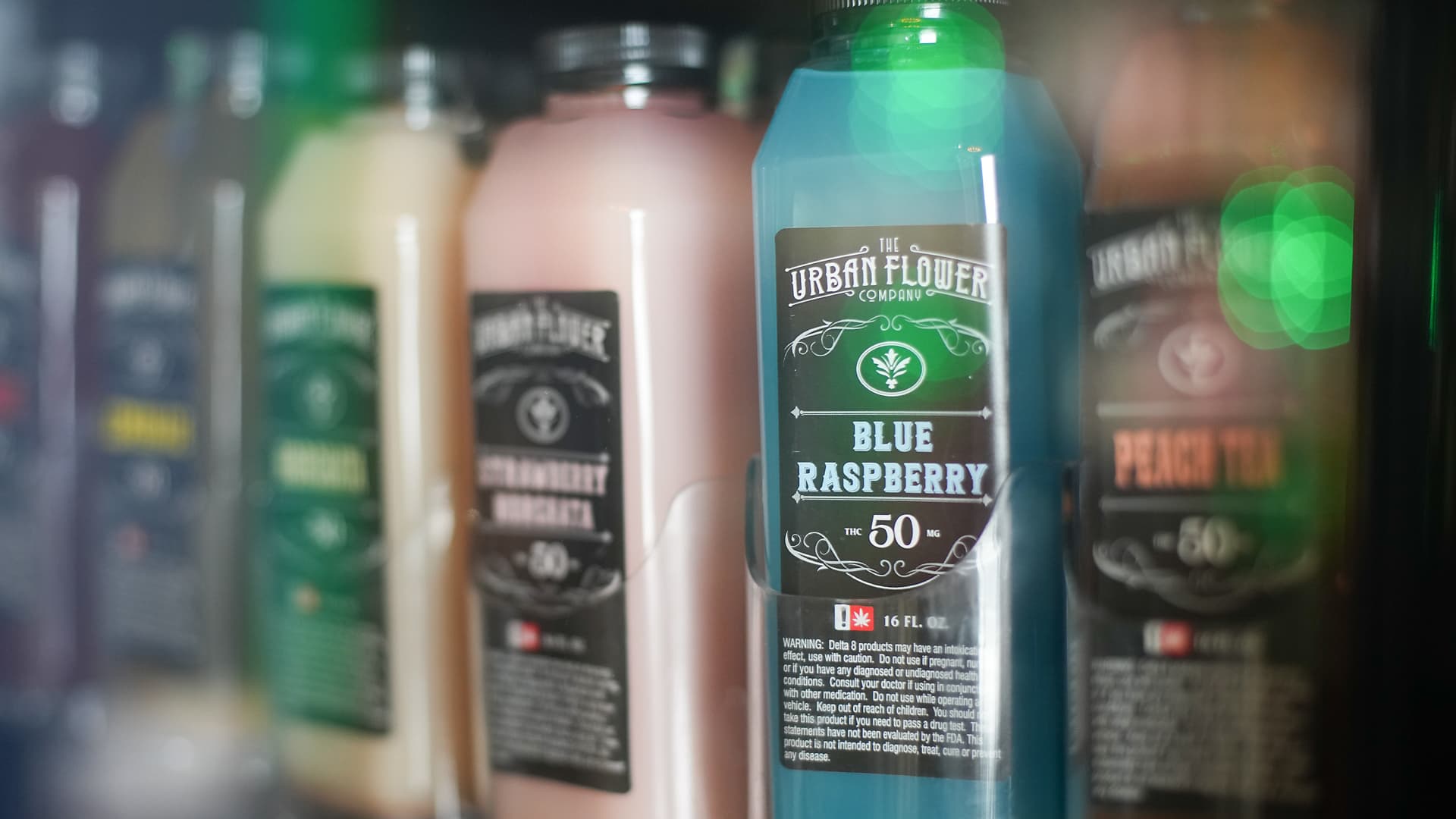
The burgeoning market for THC drinks is once again grappling with significant uncertainty, as congressional inaction repeatedly pushes back a potential federal crackdown on hemp-derived intoxicating products. This ongoing regulatory limbo, despite booming consumer demand, is creating operational havoc for manufacturers and distributors alike, highlighting the precarious position of an industry operating within a legal gray area.
🗝️ Corporate Strategy Insights
- Navigating Regulatory Flux. Companies like Cann are betting on future regulation, building inventory despite wholesaler reluctance, a high-stakes gamble in an unpredictable political climate.
- Supply Chain De-risking. Distributors are now demanding manufacturers offer product take-back and reimbursement clauses, indicating extreme caution and shifting risk back upstream, affecting smaller brands acutely.
- Advocacy for Standardization. Industry leaders are actively lobbying for a federal framework akin to alcohol regulation, seeking to move beyond the current ‘regulatory vacuum’ and establish market legitimacy.
Congress has once again extended the deadline for new federal restrictions on hemp-derived THC products, pushing it from November 12 to December 11. This stopgap measure, part of a broader government funding bill, provides the industry with a brief reprieve to lobby for a clear regulatory framework instead of an outright ban. The stakes are undeniably high; NielsenIQ reported that THC beverages generated $239 million in measured U.S. retail sales over the 52 weeks through April, marking a substantial 135% increase year-over-year across more than 1,170 products and 200 brands. This demonstrates robust consumer adoption, with many viewing these lower-potency THC drinks as a viable alternative to alcohol.
However, this legislative uncertainty casts a long shadow over operational planning. Jake Bullock, CEO of Cann, a top-selling THC drink brand, notes record sales to retailers but a sharp pullback from wholesalers hesitant to commit to inventory that might soon become unsellable. Similarly, Joe Gerrity, CEO of Crescent Canna, revealed the necessity of laying off half his workforce due to the instability. The industry is effectively operating in a holding pattern, with distributors wary of being left ‘holding the bag’ if a ban materializes. This dynamic forces manufacturers to make difficult choices: either scale back production to mitigate risk or continue building inventory, anticipating eventual regulatory clarity.
Critics in Congress, led by figures like Rep. Andy Harris, R-Md., argue that these intoxicating hemp products are unregulated, lack safety testing, and pose risks, particularly to children. Their concerns extend beyond beverages to other hemp-derived products, including high-potency edibles and inhalables. Conversely, industry proponents, including Bullock, emphasize that their goal is not to maintain a regulatory vacuum but to establish a robust framework similar to the alcohol industry, ensuring product safety and appropriate consumer access. The ongoing debate highlights a fundamental clash between public safety concerns and the economic realities of a rapidly expanding market.
- **Market Growth vs. Regulatory Headwinds:** The significant growth in THC drink sales underscores strong consumer demand, yet federal indecision creates an unpredictable operating environment.
- **Operational Stress:** Companies face inventory dilemmas, distribution bottlenecks, and potential workforce reductions due to legislative uncertainty, impacting their ability to scale and invest.
- **Industry Unification:** The sector is coalescing around a call for clear, consistent regulation, mirroring the established alcohol industry to ensure long-term viability and legitimacy.
The Strategic Ripple Effect on the Market
The repeated congressional delays in clarifying the legal status of hemp-derived intoxicating products initiate a cascading series of strategic ripple effects across the nascent industry. The primary impact is a chilling effect on the supply chain: congressional inaction translates directly into heightened inventory risk for distributors, who then reduce orders from manufacturers. This, in turn, constrains production capacity and future investment for brands like Cann and Crescent Canna, pushing some, particularly smaller players, towards insolvency or acquisition. For competitors, particularly those in the regulated cannabis market, this creates an uneven playing field; while some states have legalized recreational cannabis, the federally derived hemp products have leveraged a ‘legal loophole’ under the 2018 Farm Bill, leading to market fragmentation and competitive tension. The broader effect is a lack of market consolidation and stunted innovation due to continuous operational uncertainty, preventing stable expansion and hindering the ability of firms to secure long-term capital from mainstream investors.
‘The most critical strategic imperative for THC beverage companies right now is not merely navigating market demand but actively shaping the regulatory landscape through sustained advocacy, transforming uncertainty into a predictable operating environment.’
Key Market Indicators in Flux
- **THC Beverage U.S. Retail Sales:** $239 million (52 weeks through April), representing 135% year-over-year growth. This metric highlights robust consumer demand despite regulatory headwinds.
- **Number of Products/Brands:** Over 1,170 products from more than 200 brands in the market. This indicates a competitive and diverse landscape, underscoring the industry’s potential scale.
- **Distributor Inventory Levels:** Significantly reduced due to risk aversion. This directly impacts manufacturers’ immediate revenue and supply chain stability.
These indicators reveal a dynamic market segment experiencing rapid growth, yet fundamentally constrained by legislative ambiguity. The divergence between consumer uptake and distributor caution perfectly encapsulates the industry’s precarious position.
Cann Strategic Analysis: Betting on Regulatory Resolution
Cann’s decision to continue building inventory, despite distributor reluctance, represents a calculated strategic bet on an eventual, favorable regulatory outcome. This approach, while risky, aims to position the company for immediate market dominance once legal clarity emerges. By maintaining production, Cann mitigates potential supply shortages that could arise if a regulatory framework is established and demand surges. This strategy requires strong capital reserves and a deep understanding of legislative dynamics, differentiating Cann from smaller, more vulnerable players like Crescent Canna, who have had to resort to layoffs. It also signals confidence in the industry’s lobbying efforts to prevent an outright ban in favor of a regulated market, drawing a parallel to the established alcohol sector. This foresight, if successful, could solidify Cann’s market leadership position in a rapidly expanding sector, demonstrating operational efficiency in anticipating future market conditions.
Hemp Industry Benchmarking: Alcohol’s Regulatory Blueprint
The THC beverage industry’s aspiration for a regulatory framework mirroring the alcohol industry offers a compelling benchmark for its future. The alcohol market, characterized by tiered distribution, stringent product testing, labeling requirements, and age restrictions, provides a mature model for consumer safety and industry stability. For the hemp-derived THC market, adopting similar standards would address congressional concerns about product safety, potency caps, and access by minors. This strategic alignment could unlock significant mainstream investment and distribution channels, moving the industry beyond its current ‘loophole’ status. Benchmarking against alcohol also allows for a clearer path for taxation and enforcement, crucial elements for long-term growth and legitimacy. The success of this benchmarking effort hinges on sustained legislative advocacy and industry-wide commitment to high standards, transforming a currently fragmented and uncertain market into a robust and respected sector.
THC drinks: Navigating the Legislative Labyrinth Ahead
The ongoing congressional delay on the hemp ban provides a momentary breather for the burgeoning THC drinks market, but it prolongs an unsustainable period of regulatory uncertainty. While consumer demand continues its strong upward trajectory, the lack of a clear federal framework is crippling operational efficiency, impacting supply chains, and stifling investment for companies like Cann and Crescent Canna.
- Industry leaders are intensifying efforts to push for alcohol-like regulation rather than an outright ban.
- Distributor hesitation and demands for product take-back clauses indicate significant market risk aversion.
- Smaller businesses are disproportionately affected, facing potential insolvency and market consolidation pressure.
Will the industry’s sustained lobbying efforts finally lead to the clarity needed for long-term growth, or will the legislative gridlock ultimately stifle this rapidly expanding market?
📊 StockXpo Analyst’s View
Market Impact: The persistent regulatory ambiguity surrounding THC drinks creates significant volatility for publicly traded companies with exposure to the hemp or nascent cannabis sectors. Investor sentiment is likely to remain cautious, impacting valuation multiples and liquidity for these firms. While consumer demand signals strong underlying growth potential, the policy uncertainty acts as a substantial discount factor, favoring companies with robust balance sheets capable of weathering extended periods of legislative limbo.
Sector To Watch: The beverage and wellness sectors are ripe for disruption and innovation from THC-infused products. However, the current environment means traditional alcohol companies and established CPG giants are watching closely, potentially positioning themselves for acquisitions or strategic partnerships once regulatory clarity emerges. Conversely, small, independent hemp-derived product manufacturers without strong lobbying power or diversified product lines face existential threats.
Financial Disclaimer:
StockXpo.com is a financial news aggregator and educational portal, not a registered investment advisor or broker-dealer. All information, news, and analysis provided herein are strictly for educational purposes and do not constitute investment, financial, legal, or tax advice. Investing in the stock market involves high risks, and past performance is not indicative of future results. StockXpo will not be liable for any financial losses or investment damages. Always consult a certified financial advisor before making market decisions.
MORE IN INSIDE BUSINESS
American Airlines loss forecast: Strategic Capacity Slowdown Expected
Published: Thursday, October 22, 2026 · 8:40 AM

United Airlines Profit Outlook Slashed Amid Fuel Costs, Strong Demand Persists
Published: Wednesday, October 21, 2026 · 7:30 AM