Published: Monday, July 20, 2026 · 7:27 PM | Updated: Monday, July 20, 2026 · 7:27 PM
📊 229 views




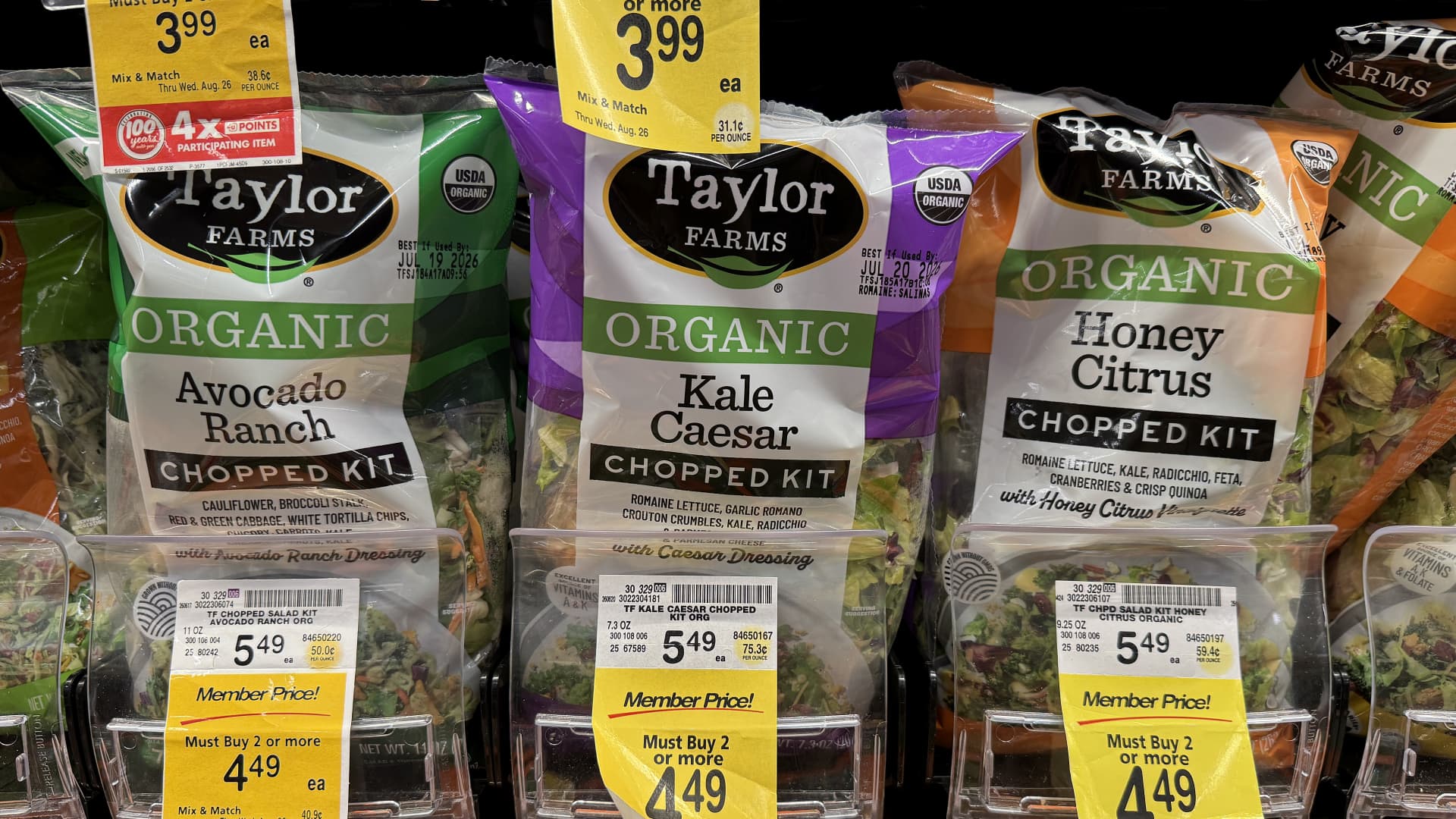
The U.S. Food and Drug Administration (FDA) has reaffirmed its stance that shredded iceberg lettuce from central Mexico supplied by Taylor Farms remains the likely source of a widespread cyclosporiasis outbreak, despite an initial test indicating a false positive. This clarification has sparked confusion within the food industry and among consumers, highlighting the complex challenges of foodborne illness investigations and the rapid operational adjustments required from major food service and retail players.
🗝️ Corporate Strategy Insights
- FDA’s Consistent Stance. Despite a false positive on one specific shipment, the FDA maintains its focus on shredded iceberg lettuce from Taylor Farms de Mexico as the primary source of the cyclosporiasis outbreak, impacting supplier reputation.
- Supply Chain Vulnerability. Major retailers like Walmart proactively removed Taylor Farms products, illustrating how quickly food safety concerns can disrupt established supply chains and demand robust traceability.
- Restaurant Reputation Management. Taco Bell, a prominent user of the implicated lettuce, experienced significant foot traffic declines, underscoring the immediate consumer reaction and the critical need for swift, transparent crisis management.
The FDA’s recent clarification regarding its ongoing **cyclosporiasis probe** has stirred confusion, yet the core of its investigation remains firm: shredded iceberg lettuce from central Mexico, supplied by Taylor Farms, is still believed to be the vector for the widespread outbreak. Initially, a test indicating cyclospora in a specific Taylor Farms de Mexico lettuce sample was declared a false positive. However, the agency quickly clarified that this applied only to one shipment and did not alter its overall conclusion that Taylor Farms’ central Mexico operations are linked to the more than 1,600 reported illnesses across over 30 states.
This incident highlights the inherent complexities and challenges in foodborne illness investigations, especially when dealing with parasites like cyclospora, which can be difficult to consistently reproduce in lab settings. Former FDA Commissioner Dr. Scott Gottlieb emphasized that a single false positive does not absolve Taylor Farms, particularly given the parasite’s up to two-week incubation period and lettuce’s short shelf life, necessitating broad testing across multiple shipments.
The market reaction has been swift, demonstrating how rapidly reputational risks can translate into operational adjustments and financial impacts. Taylor Farms continues its voluntary recall, and Taco Bell moved quickly to remove the suspected lettuce from its restaurants in affected states, adjusting its supply chain to mitigate further risk. This proactive stance, while critical for public safety, underscores the fragility of supply chain integrity in the fresh produce sector. Meanwhile, the Department of Health and Human Services in Michigan continues to recommend purchasing whole heads of lettuce over pre-washed, bagged, or pre-mixed salad kits.
- The industry grapples with heightened consumer anxiety, leading some diners to avoid salads entirely, affecting broader restaurant sales.
- Retailers like Walmart proactively removed Marketside brand bagged salad kits supplied by Taylor Farms, even without confirmed illnesses, illustrating a strong risk aversion strategy to protect consumer trust.
- The extended shelf life of products and the parasite’s incubation period create a persistent challenge for tracing and containment, amplifying potential ripple effects across the food supply chain.
The Strategic Ripple Effect on Food Service and Retail
The **cyclosporiasis probe** has triggered a significant ripple effect across the food industry, initiating a chain reaction from farm to fork. The initial contamination event led directly to widespread product recalls and proactive removals by major retailers like Walmart, impacting Taylor Farms’ sales and distribution channels. This supply chain disruption forced restaurants such as Taco Bell to rapidly reconfigure their sourcing for key ingredients, leading to operational inefficiencies and potentially higher procurement costs in the short term. The direct consequence for companies like Yum Brands, Taco Bell’s parent, has been an immediate hit to foot traffic, with a reported 19% drop at Taco Bell locations on one Friday compared to average. This market reaction creates a strong imperative for enhanced supplier vetting and traceability systems to safeguard brand reputation and consumer trust. Competitors, while potentially facing similar supply chain vulnerabilities, benefit from observing the swift public and market response, prompting them to review their own food safety protocols and communication strategies. The broader effect is an industry-wide re-evaluation of fresh produce sourcing and preparation standards, with a potential shift towards greater transparency and more stringent testing across the agricultural supply chain. Investors seeking insights into market dynamics and corporate growth often turn to comprehensive investment analysis to understand these systemic shifts.
“FDA’s traceback investigation and outbreak data continue to converge on shredded iceberg lettuce from Taylor Farms locations in central Mexico. FDA will continue to work with federal and state partners to investigate this multistate outbreak and ensure products implicated in this outbreak have been removed from the market.”
Key Market Indicators and Business Impact
Insights into the immediate market and operational impacts stemming from the **cyclosporiasis probe** reveal tangible effects on key players:
- Taco Bell Foot Traffic Decline: -19% on a recent Friday compared to the day-of-the-week average this year (Placer.ai data). This metric indicates immediate consumer perception and operational impact on affected restaurant chains.
- Yum Brands Stock Performance: Approximately -9% over five days. This reflects investor reaction to the brand association with the outbreak and anticipated short-term revenue hits.
- Affected States: Over 30 U.S. states have isolated the cyclospora parasite. The wide geographic spread highlights the challenge of containment and the potential for prolonged consumer uncertainty and regulatory actions.
Taylor Farms Strategic Analysis
Taylor Farms, a prominent player in fresh produce, faces a critical juncture. The ongoing **cyclosporiasis probe** and subsequent recalls directly challenge its operational efficiency and market leadership within the packaged salad segment. Their core strategy revolves around high-volume, cost-effective produce processing and distribution, supplying both retail and foodservice sectors. The incident underscores the enormous pressure on their quality control and traceability systems. Maintaining consumer trust will require not only compliance with regulatory demands but also proactive transparency and significant investment in advanced food safety technologies. This event could force a strategic re-evaluation of their sourcing practices, potentially diversifying their supply base or increasing domestic production to mitigate risks associated with cross-border logistics and varying international health standards. A robust response is vital for their long-term position in a highly competitive market where brand integrity is paramount.
Yum Brands Competitive Advantages
Yum Brands, parent company of Taco Bell, benefits from diversified restaurant portfolios and strong global brand recognition, offering a degree of insulation from localized issues. Their competitive advantage lies in operational scale, aggressive marketing, and a flexible supply chain that allows for rapid adjustments. In this instance, Taco Bell’s quick action to remove implicated products and adjust sourcing demonstrates an agile response, mitigating longer-term brand damage. However, the immediate drop in foot traffic highlights that even established brands are not immune to food safety scares. Yum Brands’ ability to leverage its extensive network and financial resources to implement enhanced safety protocols, communicate effectively with consumers, and potentially pivot menu offerings swiftly, provides a distinct advantage over smaller, less resourced competitors. The company’s focus on operational excellence, as detailed by Reuters business news, will be key to navigating such challenges.
Taco Bell’s Path Forward Amid Cyclosporiasis Concerns
The **cyclosporiasis probe** underscores the persistent challenges in food supply chain integrity and consumer trust. While the FDA’s clarification removed some ambiguity regarding a specific false positive, the core issue of contaminated iceberg lettuce from a key supplier remains. Taco Bell’s swift response to remove products and adjust supply chains demonstrates operational agility, yet the incident highlights the vulnerability of even large quick-service restaurants to supply chain breakdowns.
- Consumer confidence in fresh produce and quick-service salads may see a temporary dip, impacting sector-wide sales for an estimated one to two quarters.
- Suppliers like Taylor Farms face heightened scrutiny and pressure to invest in advanced traceability and sanitation protocols across their operations.
- The event accelerates the demand for more robust food safety standards and transparency across the entire food supply chain, driving industry innovation.
How will this incident permanently reshape the fresh produce sourcing strategies for major restaurant chains and retailers globally?
📊 StockXpo Analyst’s View
Market Impact: This incident, while specific to one outbreak, casts a broader shadow on the fresh produce supply chain, affecting investor sentiment towards food service and agricultural stocks. Companies with robust traceability systems and diversified sourcing may see a premium, while those with opaque or concentrated supply lines could face increased scrutiny. Liquidity in affected corporate bonds and equities, such as Yum Brands (YUM), might experience short-term volatility as the market assesses potential revenue impacts and brand damage.
Sector To Watch: The food safety technology sector is poised for accelerated growth. Demand for advanced pathogen detection, blockchain-based traceability, and AI-driven supply chain monitoring solutions will likely surge. Additionally, restaurant chains that can clearly communicate enhanced safety measures and source locally where feasible may gain a competitive edge. This is a critical development for those monitoring company strategy and corporate growth within the food industry. For educational insights into how such events influence market dynamics, explore StockXpo’s blog.
Financial Disclaimer:
StockXpo.com is a financial news aggregator and educational portal, not a registered investment advisor or broker-dealer. All information, news, and analysis provided herein are strictly for educational purposes and do not constitute investment, financial, legal, or tax advice. Investing in the stock market involves high risks, and past performance is not indicative of future results. StockXpo will not be liable for any financial losses or investment damages. Always consult a certified financial advisor before making market decisions.
MORE IN INSIDE BUSINESS

Paramount WBD Takeover: A Strategic Success Reshaping Media
Published: Tuesday, October 6, 2026 · 7:35 AM

Airline Profits Challenge: Why Rising Airfare Won’t Boost Bottom Lines
Published: Monday, October 5, 2026 · 7:48 AM