Published: Monday, July 20, 2026 · 7:26 PM | Updated: Monday, July 20, 2026 · 7:26 PM
📊 210 views




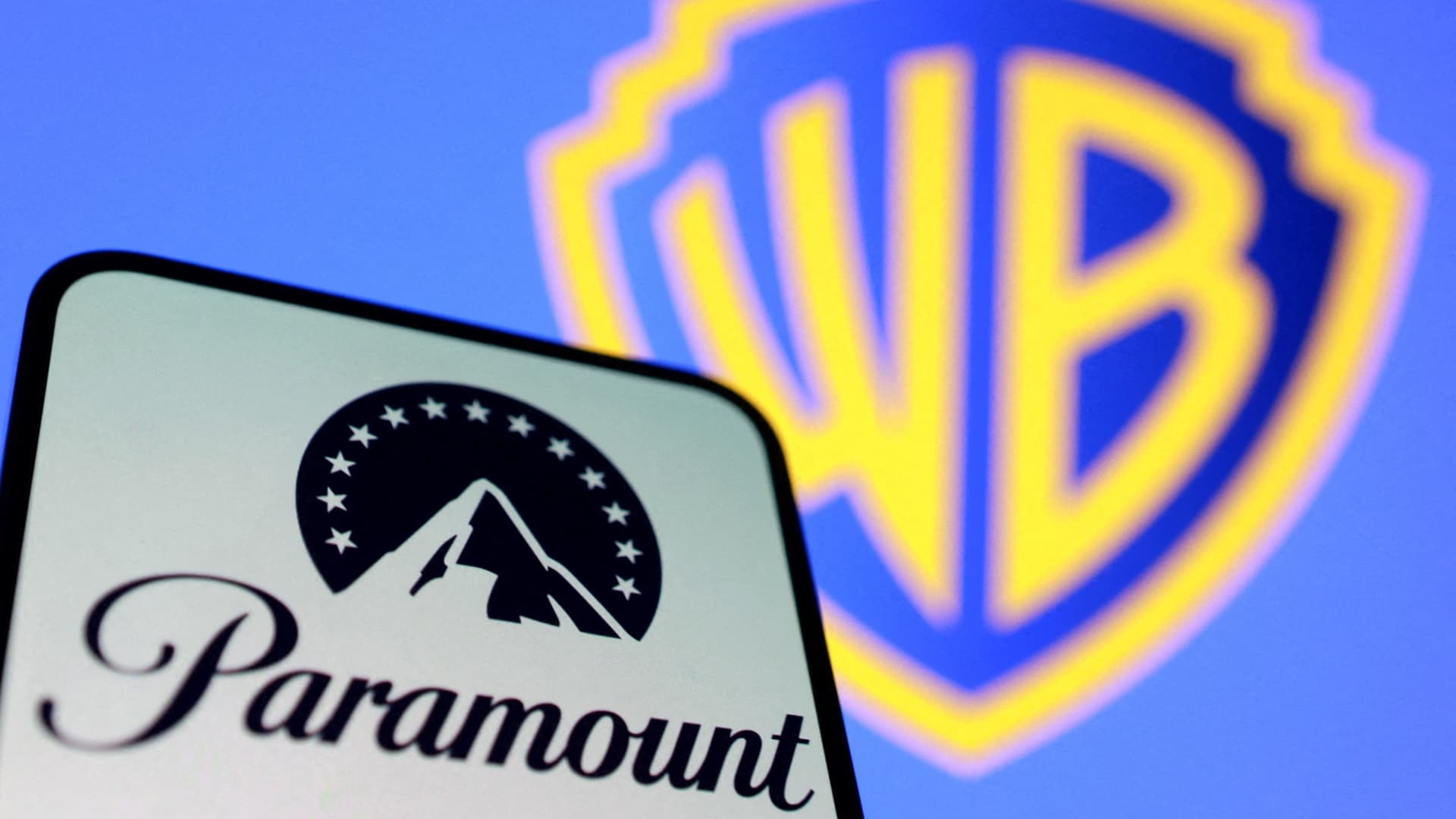
The highly anticipated $110 billion Paramount Warner merger has encountered its first significant legal hurdle, with a California District Judge issuing a temporary restraining order against the deal. This unexpected pause, driven by multi-state antitrust concerns, introduces considerable uncertainty into a transaction poised to reshape the global media landscape.
🗝️ Corporate Strategy Insights
- Regulatory Scrutiny Intensifies. State attorneys general are leveraging the Clayton Antitrust Act, signaling a broader government pushback against consolidation in critical sectors like media and entertainment.
- Market Dominance Claims Under Fire. The lawsuit asserts the combined entity would control substantial market share in theatrical distribution and basic cable, challenging the “pro-competitive” arguments made by Paramount.
- High Stakes for Dealmakers. Financial penalties, including a potential $7 billion breakup fee and quarterly ticking fees, underscore the significant capital allocation risks associated with large-scale mergers facing regulatory challenges.
A California District Judge has formally halted the proposed Paramount Warner merger for 14 days, granting a temporary restraining order (TRO) following a lawsuit filed by a coalition of state attorneys general. This action casts a shadow of doubt over the $110 billion acquisition of Warner Bros. Discovery by Paramount Skydance, pushing the narrative of consolidation into a complex legal battle.
The core of the lawsuit, led by California Attorney General Rob Bonta and joined by 11 other states, alleges that the merger would violate the century-old Clayton Antitrust Act. Specifically, the attorneys general contend that uniting Paramount and Warner Bros.’ storied film studios, vast television networks (including CBS, CNN, TNT, MTV, BET), and streaming platforms (Paramount+, HBO Max) would lead to reduced competition. The judge’s order cited “compelling evidence that the combined firm resulting from the transaction will possess substantial market share in the wide-release theatrical distribution market,” a pivotal point in the case, echoed by recent business reporting on media consolidation.
Paramount, however, has vehemently defended the transaction, characterizing the lawsuit as “one of the weakest merger challenges in modern antitrust history.” A company spokesperson reiterated on Monday that the company is “confident the evidence will demonstrate that the State AGs’ antitrust arguments are without merit as their alleged markets and claims of anticompetitive effects are without any basis in modern market realities.” They assert the deal is lawful, pro-competitive, and will ultimately benefit consumers, creators, and the broader entertainment industry.
- Immediate Pause: The TRO imposes a 14-day hold on the Paramount Warner merger, preventing any further steps toward closing the deal.
- Antitrust Precedent: This situation echoes the Nexstar Media Group and Tegna merger, which also faced a similar lawsuit and preliminary injunction, highlighting a growing trend of state-level antitrust intervention in major media transactions.
- Global vs. Domestic Views: While the U.S. Department of Justice cleared the tie-up of federal concerns in June, and it has garnered approval from several global jurisdictions, the state attorneys general present a distinct and powerful challenge.
Despite Paramount’s intention to close the deal as early as July 22, pending regulatory clearances, the legal intervention suggests a longer, more arduous path. During Friday’s hearing, Paramount offered to delay the closing until mid-August, a move aimed at sidestepping the TRO, but ultimately unsuccessful. The possibility of further temporary restraining orders or preliminary injunctions looms, potentially extending the legal battle well into 2027, as seen with the Nexstar-Tegna case.
What This Regulatory Halt Means for Media Competition
The temporary restraining order on the Paramount Warner merger sends significant ripples across the media industry. For other major players contemplating consolidation, this serves as a stark warning about the renewed vigor of antitrust enforcement at the state level, even after federal approval. A prolonged legal battle could force both Paramount and Warner Bros. Discovery to reassess their strategic priorities, potentially diverting resources from content creation and innovation towards litigation. Competitors like Disney, Netflix, and Comcast may see this as an opportunity to solidify their market positions or even explore smaller, less scrutinized acquisitions. The market’s perception of regulatory risk for large-scale media M&A is undoubtedly heightened, potentially slowing down future consolidation efforts and shifting focus towards organic growth or smaller, targeted partnerships to expand market reach rather than outright mergers.
The injunction underscores a critical shift: even widely anticipated mega-mergers are no longer guaranteed, with state regulators increasingly asserting their power to challenge consolidation based on local market impact and consumer protection.
Financial Commitments & Potential Costs
The financial implications of a delayed or failed Paramount Warner merger are substantial for Paramount, highlighting the inherent risks in large-scale acquisitions:
- Ticking Fee: If the deal doesn’t close by September 30, Paramount must pay WBD shareholders an additional 25 cents per share per quarter, amounting to approximately $650 million in cash value quarterly. This fee serves as a penalty for extended delays.
- Breakup Fee: Paramount agreed to a $7 billion breakup fee, payable to Warner Bros. Discovery if the transaction fails specifically due to regulatory concerns. This massive sum quantifies the company’s commitment and the cost of regulatory rejection.
These figures demonstrate the significant capital at risk and the pressure on Paramount to either secure approval or find an alternative path, which will certainly influence stock markets and investor sentiment.
Paramount Global Strategic Analysis
Paramount Global, through its various divisions, has been navigating a challenging media landscape marked by cord-cutting and intense competition in streaming. The proposed merger with Warner Bros. Discovery was a key strategic move to achieve scale, diversify content libraries, and enhance its competitive position against behemoths like Disney and Netflix. By combining Paramount+’s subscriber base with HBO Max’s and merging extensive film and television assets, the company aimed to create a robust, vertically integrated media powerhouse. This strategy sought to leverage operational efficiencies in content production, distribution, and advertising sales, ultimately reducing per-subscriber costs and increasing overall market share. However, the current legal entanglement forces a re-evaluation of this growth pathway and spotlights the execution risks inherent in such ambitious endeavors.
Warner Bros. Discovery Competitive Advantages
Warner Bros. Discovery boasts a formidable array of competitive advantages, primarily rooted in its extensive intellectual property, diverse content portfolio, and global distribution capabilities. From iconic film franchises and critically acclaimed television series to a vast news operation like CNN, WBD’s content pipeline is a significant asset. Its streaming service, HBO Max, is known for premium, high-quality programming that commands strong subscriber loyalty. Furthermore, the company benefits from a global footprint in theatrical distribution and television broadcasting, providing multiple revenue streams beyond direct-to-consumer streaming. These strengths position WBD as a valuable target for consolidation, as evidenced by the Paramount offer, but also make it a point of concern for antitrust regulators worried about excessive market concentration in the entertainment sector. Navigating this dynamic landscape requires careful attention to consumer trends and regulatory frameworks, as detailed in various company strategy insights.
Paramount Warner Merger: Navigating Regulatory Uncertainty
The temporary restraining order on the Paramount Warner merger signals a tough road ahead for the proposed mega-deal. While both companies remain confident in their antitrust defense, the immediate halt underscores the increasing assertiveness of state regulators in challenging large-scale industry consolidations. The outcome will set a significant precedent for future M&A activities in the rapidly evolving media sector.
- The deal’s ultimate fate now hinges on the substance of the antitrust arguments presented by state attorneys general.
- Significant financial penalties, including ticking fees and a substantial breakup fee, will weigh heavily on Paramount if delays persist or the deal collapses.
- The broader media industry is watching closely, as this case will influence how future consolidation efforts are planned and executed, potentially shifting towards smaller, more defensible acquisitions.
How will Paramount and Warner Bros. Discovery adapt their long-term growth strategies if this merger ultimately fails to materialize?
📊 StockXpo Analyst’s View
Market Impact: This temporary halt on the Paramount Warner merger introduces immediate volatility for shares of both companies, particularly Paramount (PSKY) and Warner Bros. Discovery (WBD). Investor sentiment around large-cap media M&A is likely to cool, given the heightened regulatory risk now evident at state levels, despite federal clearances. This could lead to a broader cautious approach in stock markets for companies pursuing transformational deals across global financial markets. Liquidity might tighten as institutional investors re-evaluate merger arbitrage opportunities in the sector.
Sector To Watch: The entertainment and media sector, already undergoing significant transformation due to streaming and content wars, will be under intense scrutiny. Companies with strong balance sheets and diversified content portfolios, like Disney or Netflix, might see relative stability or even gain an advantage as competitors are tied up in litigation. We also expect a renewed focus on organic growth strategies and smaller, more targeted acquisitions that are less likely to trigger antitrust flags. Keep an eye on regional content plays and niche streaming services that might become attractive, less risky investment targets for investors seeking educational insights into market movements.
Financial Disclaimer:
StockXpo.com is a financial news aggregator and educational portal, not a registered investment advisor or broker-dealer. All information, news, and analysis provided herein are strictly for educational purposes and do not constitute investment, financial, legal, or tax advice. Investing in the stock market involves high risks, and past performance is not indicative of future results. StockXpo will not be liable for any financial losses or investment damages. Always consult a certified financial advisor before making market decisions.
MORE IN INSIDE BUSINESS

GM U.S. Battery Development: A Strategic Leap Towards Energy Independence
Published: Saturday, September 12, 2026 · 8:04 AM

Travel Restrictions Easing: A Quarter-Century Strategic Shift for U.S. Aviation
Published: Friday, September 11, 2026 · 7:53 AM