Published: Saturday, September 12, 2026 · 8:04 AM | Updated: Saturday, September 12, 2026 · 8:04 AM
📊 190 views




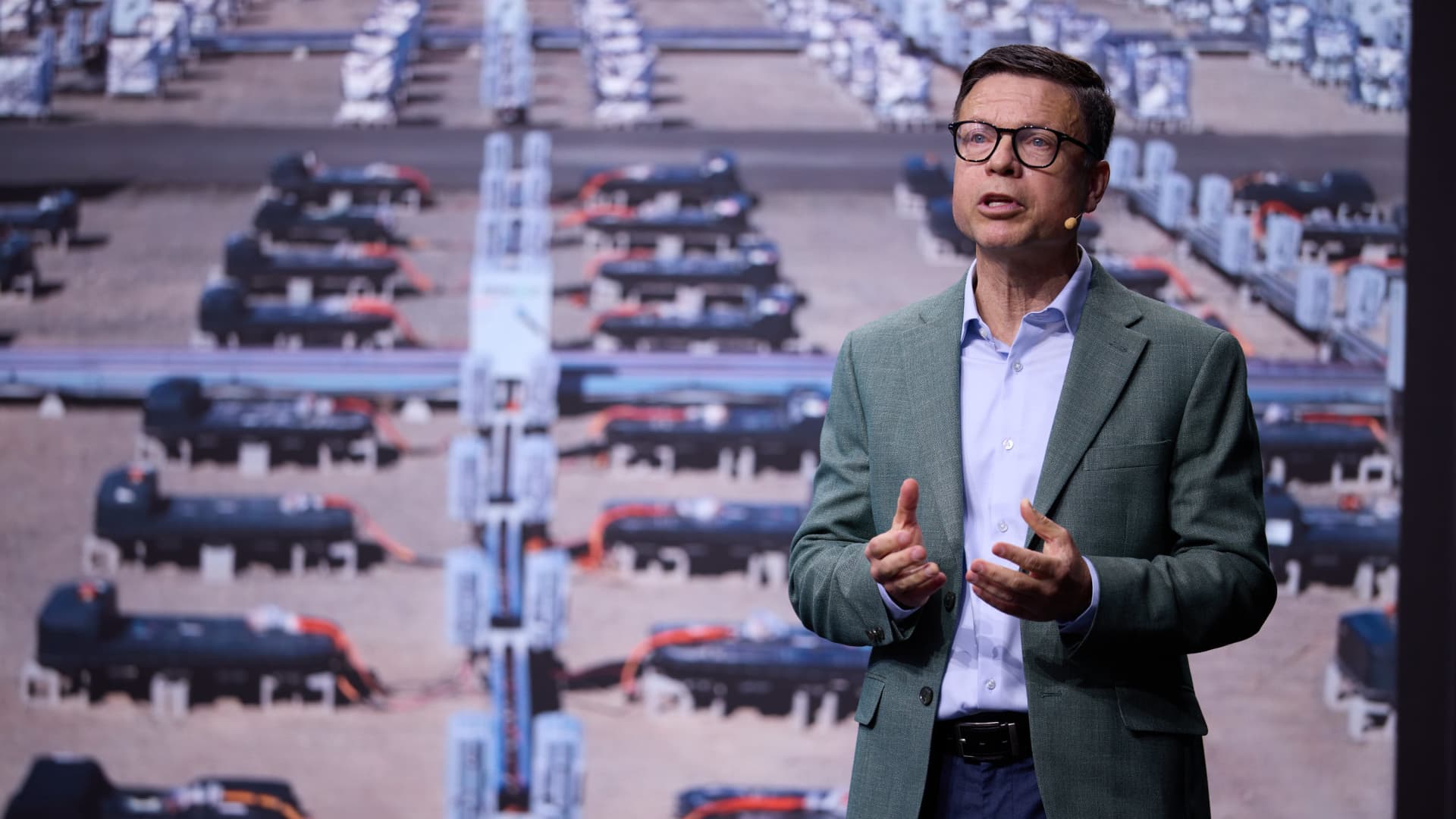
General Motors is embarking on a significant initiative in U.S. battery development, aiming to cultivate a domestic supply chain for next-generation battery cells. This strategic move is poised to substantially reduce the nation’s reliance on China for critical battery materials and technology, impacting both the automotive and energy storage sectors.
🗝️ Corporate Strategy Insights
- Domestic Sourcing Priority. GM is aggressively pursuing a fully domestic supply chain for its next-generation battery cells within the next two to three years.
- Sodium-Ion Technology Focus. Through a partnership with Denver-based Peak Energy, GM is developing sodium-ion battery cells, leveraging abundant U.S. materials like sodium from soda ash to circumvent Chinese-dominated resources such as lithium.
- Strategic Differentiation from Rivals. This initiative directly contrasts with competitors like Ford, which has faced scrutiny from the Trump administration for licensing technology from Chinese battery giants like CATL, positioning GM as a leader in U.S.-sourced innovation.
Detroit-based General Motors is making early but assertive strides in developing advanced battery cells, a move explicitly aimed at bolstering domestically sourced materials and reducing U.S. dependence on China. Kurt Kelty, GM’s vice president of battery and sustainability, affirmed the goal of a completely domestic supply chain for these next-generation cells within a few years, targeting both stationary energy storage systems (ESS) and future electric vehicles (EVs).
This strategic direction emerges amidst heightened political tensions, with the Trump administration openly criticizing Ford Motor for its reliance on Chinese battery partners for domestic production. GM’s focus on sodium-ion battery cells, in collaboration with startup Peak Energy, represents a deliberate effort to bypass materials largely controlled by China, such as lithium and ferrous sulfate, by utilizing more prevalent U.S. resources like sodium. The company anticipates commercial production of these cells with Peak around 2029, even as it continues to produce other chemistries for ESS and EVs that currently use undisclosed amounts of Chinese materials.
China’s formidable control over the global battery supply chain is well-documented; the International Energy Agency reports the country produces approximately 85% of the world’s EV battery cathode active material and over 90% of anode active material, culminating in an 80% control of overall battery production. This includes a dominant position in lithium iron phosphate (LFP) batteries. While GM currently manufactures LFP cells in the U.S. with LG Energy Solution, its move toward sodium-ion technology is seen as an opportunity to ‘leapfrog’ existing dependencies. Sam Abuelsamid, a battery expert and vice president of market research at Telemetry, suggests sodium-ion could be a cheaper and easier path to domestic production than LFP.
- GM’s $900 million investment in new battery lab facilities at its suburban Detroit campus underscores its commitment to internal research and development, with prototyping manufacturing slated to commence later this year. This capital allocation is crucial for establishing foundational capabilities in advanced battery technologies.
The Strategic Bet Behind GM’s Domestic Battery Push
GM’s aggressive posture in GM U.S. battery development creates a significant strategic ripple effect across the automotive and energy sectors. By prioritizing a domestic supply chain and innovative battery chemistries like sodium-ion, GM aims to insulate itself from geopolitical risks and supply chain vulnerabilities inherent in relying on foreign-dominated markets. This proactive stance could lead to enhanced operational resilience and potentially more stable production costs over the long term, offering a distinct competitive advantage.
This move puts direct pressure on competitors like Ford, who are facing governmental scrutiny over their Chinese partnerships. The differentiation could allow GM to market its EVs and ESS solutions with a ‘Made in USA’ premium, resonating with consumer and political sentiment. Furthermore, GM’s investment could catalyze broader innovation and investment within the U.S. battery industry, stimulating growth for ancillary domestic companies and potentially shifting market share dynamics in the future of energy storage and electric mobility. For more details on corporate growth, explore current company strategy insights.
“GM’s pivot to developing fully domestic, next-generation battery technology represents a profound long-term strategic investment, not merely in manufacturing, but in national energy security and technological sovereignty. It’s an ambition to redefine industry benchmarks rather than simply compete within existing ones.”
GM’s commitment to domestic battery development is a clear signal of its strategic intent to control its future, emphasizing self-sufficiency and technological leadership. Key indicators for GM’s battery strategy include:
- Domestic Sourcing Timeline: GM aims for a fully domestic supply chain for next-gen batteries within 2-3 years, a challenging yet transformative objective.
- Investment in R&D: A $900 million allocation to new battery lab facilities signifies a substantial commitment to foundational research and prototyping capabilities.
- Sodium-Ion Commercial Production: Expected around 2029 with Peak Energy, this timeline will be a critical gauge of the commercial viability and scalability of their chosen chemistry.
GM’s Competitive Advantages in Battery Innovation
General Motors is carving out distinct competitive advantages through its dedicated U.S. battery development efforts. By focusing on emerging chemistries like sodium-ion and prioritizing domestic sourcing, GM aims to develop proprietary technology that reduces costs and improves performance, potentially sidestepping the intense competition and established supply chains dominated by Chinese firms. This approach minimizes geopolitical risks, enhances supply chain security, and allows for greater control over intellectual property. Furthermore, being able to offer batteries with a strong domestic origin story could strengthen brand loyalty and appeal to government procurement contracts and subsidies designed to boost U.S. manufacturing. The company believes its sodium-ion chemistry will perform across a wider range of temperatures without active cooling, a critical factor for lowering the cost and complexity of ESS solutions. This focus on practical, cost-effective innovation could position GM as a leader in both EV and grid-scale energy storage solutions.
General Motors Industry Benchmarking on Localization
In benchmarking against industry trends, General Motors’ localization strategy in battery development stands out. While many global automakers are engaged in partnerships with established Asian battery manufacturers, GM is making a significant push to develop and produce key components entirely within the U.S. This contrasts sharply with approaches like Ford’s, which involves licensing technology from China’s CATL for LFP batteries. GM’s emphasis on leveraging indigenous materials and R&D places it at the forefront of a movement towards greater national energy independence. This strategy aligns with broader governmental directives to strengthen domestic manufacturing and supply chains, setting a new standard for localized production in the automotive industry. This shift can be observed in broader global business reports.
GM’s Drive for Energy Autonomy: What Comes Next
General Motors’ aggressive foray into GM U.S. battery development underscores a strategic imperative to control its destiny in the evolving electric and energy storage markets. By committing to domestic sodium-ion battery technology, GM is making a calculated bet on long-term self-sufficiency and innovation rather than short-term cost arbitrage through existing global supply chains.
- The company’s investment signals a foundational shift in its operational strategy, prioritizing vertical integration and regional supply chain resilience.
- This move could establish GM as a leader in next-generation battery technology, potentially “leapfrogging” competitors reliant on existing foreign-dominated chemistries.
- The success of this strategy hinges on overcoming significant challenges in scaling up domestic production and competing effectively with established Asian players.
How will GM’s pioneering domestic battery strategy reshape the competitive landscape and accelerate the broader U.S. transition to electric energy?
### 📊 StockXpo Analyst’s View
Market Impact: GM’s strategic shift toward domestic battery development is likely to be viewed positively by investors seeking reduced geopolitical risk and supply chain stability. While the long-term benefits are substantial, initial market reaction might be cautious due to the significant capital outlay and the lead time before commercial production. This move could inspire further investment in U.S. advanced manufacturing and battery technologies, potentially creating new opportunities for domestic component suppliers. Investors should monitor progress on scaling production and cost-efficiency, as these will be critical for sustained market leadership and stock performance, offering crucial data for stock markets and investment analysis.
Sector To Watch: The Energy Storage Systems (ESS) and electric vehicle (EV) sectors are paramount. GM’s focus on sodium-ion for ESS, specifically, highlights the growing demand for grid-scale and residential energy solutions beyond automotive applications. This could drive innovation and competition among battery manufacturers and energy solution providers. The move also intensifies the competitive pressure on other automakers, particularly those with deep ties to Chinese battery firms, to reassess their own localization strategies. For more in-depth educational insights, visit our educational insights section or read global market updates from Bloomberg Markets.
Financial Disclaimer:
StockXpo.com is a financial news aggregator and educational portal, not a registered investment advisor or broker-dealer. All information, news, and analysis provided herein are strictly for educational purposes and do not constitute investment, financial, legal, or tax advice. Investing in the stock market involves high risks, and past performance is not indicative of future results. StockXpo will not be liable for any financial losses or investment damages. Always consult a certified financial advisor before making market decisions.
MORE IN INSIDE BUSINESS

Wonder’s Ambitious Strategy: Texas Expansion, Automation, and an IPO Path
Published: Sunday, October 25, 2026 · 9:32 AM

Young Airplane Scrapping: A $17 Million Engine Crisis Reshaping Aviation
Published: Saturday, October 24, 2026 · 8:26 AM