Published: Friday, July 17, 2026 · 12:15 PM | Updated: Friday, July 17, 2026 · 12:15 PM
📊 225 views




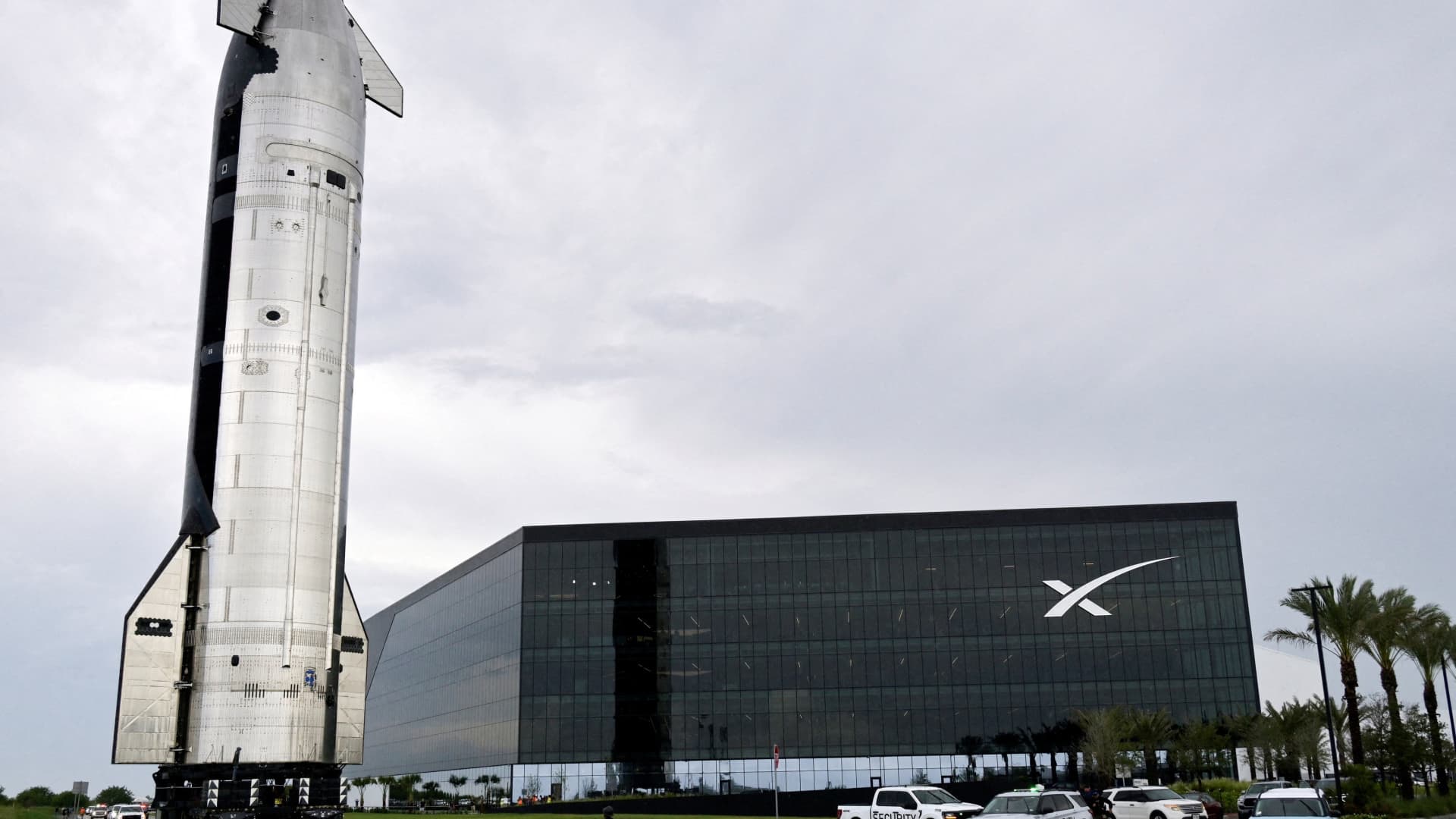
SpaceX’s much-anticipated Starship test flight was abruptly halted on Thursday due to an engine ignition failure, sending ripples through its stock performance in premarket trading. This abort marks a critical moment for the aerospace giant, which recently completed the largest IPO in history, as it navigates the complex path of innovation-driven growth and investor expectations.
🚀 Tech Strategy & Market Disruptions
- Engine Ignition Failure. The Starship mega-rocket’s launch was automatically scrubbed after some Raptor engines failed to ignite, delaying critical development milestones.
- Post-IPO Volatility. SpaceX’s stock saw declines in premarket and after-hours trading, reflecting heightened investor sensitivity following its record-breaking $85.7 billion initial public offering.
- Iterative Development Strategy. CEO Elon Musk confirmed rapid repair plans, highlighting the company’s agile, trial-and-error approach crucial for emerging technologies in the space sector.
The incident occurred during a critical 90-minute launch window at 5:45 p.m. in Texas, when the company’s Starship V3 was poised for its latest orbital test. Billionaire founder Elon Musk quickly confirmed via X that an automatic launch abort was triggered because ‘some of the engines didn’t start,’ indicating a hiccup in the complex ignition sequence of the massive Raptor engines. Propellant offloading commenced immediately, with Musk projecting another launch attempt ‘hopefully in a few days,’ later specifying early next week after two Raptors are removed and replaced.
Investors have been closely monitoring SpaceX’s rocket tests, especially in the wake of its monumental initial public offering in June. That IPO, which priced shares at $135 and raised a record $85.7 billion, has led to significant volatility, with shares soaring and dipping since their market debut. The company’s performance in premarket trading, down 3.5% after a 3% fall in after-hours trading, underscores the market’s immediate reaction to operational setbacks, however minor in the grand scheme of aerospace development. This reflects the broader technology market trends affecting how nascent, high-capital ventures are perceived by the public markets. The continuous challenges in these complex launches are vital for understanding the evolution of emerging technologies.
This aborted Starship test flight was the first for the V3 model since its post-IPO era. A prior attempt in May saw the Starship upper stage deviate towards the Indian Ocean, while the Super Heavy booster failed a controlled landing after five of its 33 Raptor engines malfunctioned. Following that incident, the U.S. Federal Aviation Administration conducted an investigation, ultimately clearing SpaceX to resume its test trials, a testament to the rigorous regulatory oversight in the burgeoning commercial space industry.
- Engine ignition failure led to automatic scrub of the Thursday launch.
- SpaceX shares fell 3.5% premarket, following a 3% after-hours drop.
- Two Raptor engines require replacement, with a new launch planned for early next week.
Disruption Flow: From Ignition Failures to Investor Rethink
An engine ignition failure on such a high-profile launch translates directly into a delayed launch schedule, which, in turn, intensifies investor scrutiny. This cause-and-effect chain creates a ripple effect: delayed launches mean longer R&D cycles, potentially higher operational costs, and an extended path to revenue generation from services like Starlink deployment or lunar missions. For companies pushing the boundaries of emerging technologies, even minor setbacks can impact market valuation and shift the narrative from pioneering innovation to execution risk, leading to short-term stock volatility and a re-evaluation of growth trajectories within the aerospace sector.
The iterative nature of space exploration, characterized by continuous testing and refinement, is the crucible of innovation. Each abort, while a short-term operational setback, provides invaluable data that fuels long-term architectural improvements and ultimately de-risks future missions, shaping the very foundation of tomorrow’s space economy.
SpaceX’s Platform Architecture: Raptor Engine Reliability
At the heart of Starship’s ambitious design lies the Raptor engine, a full-flow staged combustion cycle engine designed for reusability and high thrust. The recent ignition failure underscores the immense complexity and precision required for these advanced propulsion systems. SpaceX’s architectural philosophy prioritizes rapid iteration and learning from failures, which is evident in Musk’s immediate decision to replace affected engines. The integration of 33 Raptor engines on the Super Heavy booster and multiple on the Starship upper stage demands an exceptionally robust and fault-tolerant control system, crucial for achieving mission success and lowering launch costs. This continuous refinement of engine performance and system integration is paramount for scaling orbital and interplanetary operations.
SpaceX Market Adoption Challenges: Balancing Innovation with Investor Confidence
The post-IPO landscape for SpaceX presents unique market adoption challenges, especially when balancing aggressive innovation with the demanding expectations of public market investors. While private investors may tolerate longer R&D cycles and higher risk, public markets react swiftly to operational setbacks. The $85.7 billion IPO positioned SpaceX as a leading indicator for the commercial space sector, yet this also brings intense scrutiny. The company must demonstrate not only technological prowess but also a clear, albeit long-term, path to consistent operational reliability and profitability. Managing this perception, alongside the inherent risks of rocket science, becomes a critical component of its market strategy and ability to attract sustained capital, a topic often explored through educational tech insights. According to a recent Forbes analysis (read Forbes technology analysis), the ability to consistently hit launch windows will be a key differentiator.
SpaceX’s Starship Trajectory: Beyond the Abort
The recent Starship abort, while a minor setback in the context of an ambitious development program, serves as a stark reminder of the challenges inherent in pushing aerospace boundaries. For SpaceX, the focus immediately shifts to diagnostic precision and rapid recovery, a hallmark of its engineering culture. This event, however, also spotlights the fragility of investor sentiment in a volatile post-IPO environment for a company whose valuation is largely predicated on future capabilities rather than current profitability.
- The incident underscores the need for robust pre-flight diagnostics and redundancy in complex propulsion systems.
- Investor confidence will hinge on the speed and success of subsequent test flights and a clearer operational roadmap.
- The event reinforces the high-risk, high-reward nature of commercial space ventures and the necessity for patient capital.
How will SpaceX’s ability to consistently execute future Starship launches shape the trajectory of commercial space exploration and its own market standing?
📊 StockXpo Analyst’s View
Market Impact: The Starship test flight abort is likely to induce short-term volatility in SpaceX’s stock, particularly given its recent IPO and the nascent stage of its commercial operations. While not catastrophic, it reinforces the inherent risks in aerospace development, potentially tempering aggressive investor expectations and highlighting the long lead times required for innovation in this sector. This could also affect broader investor sentiment towards other speculative emerging technologies. Sector To Watch: The commercial space sector will remain under intense scrutiny. Companies involved in launch services, satellite manufacturing, and space infrastructure will be closely watched for operational resilience and efficiency. Furthermore, the defense and telecommunications sectors, heavily reliant on consistent launch capabilities, will monitor SpaceX’s progress for supply chain stability and new service deployments. A Reuters report (see Reuters technology coverage) indicates growing demand for reliable launch services.
Financial Disclaimer:
StockXpo.com is a financial news aggregator and educational portal, not a registered investment advisor or broker-dealer. All information, news, and analysis provided herein are strictly for educational purposes and do not constitute investment, financial, legal, or tax advice. Investing in the stock market involves high risks, and past performance is not indicative of future results. StockXpo will not be liable for any financial losses or investment damages. Always consult a certified financial advisor before making market decisions.
MORE IN INSIDE TECHNOLOGY

Starlink India: Regulatory Hurdles and Innovation-Driven Growth Risks
Published: Friday, October 9, 2026 · 12:48 AM
Starlink Launch: India’s Digital Transformation Faces Regulatory Risk
Published: Thursday, October 8, 2026 · 1:51 AM