Published: Friday, July 17, 2026 · 12:14 PM | Updated: Friday, July 17, 2026 · 12:14 PM
📊 271 views




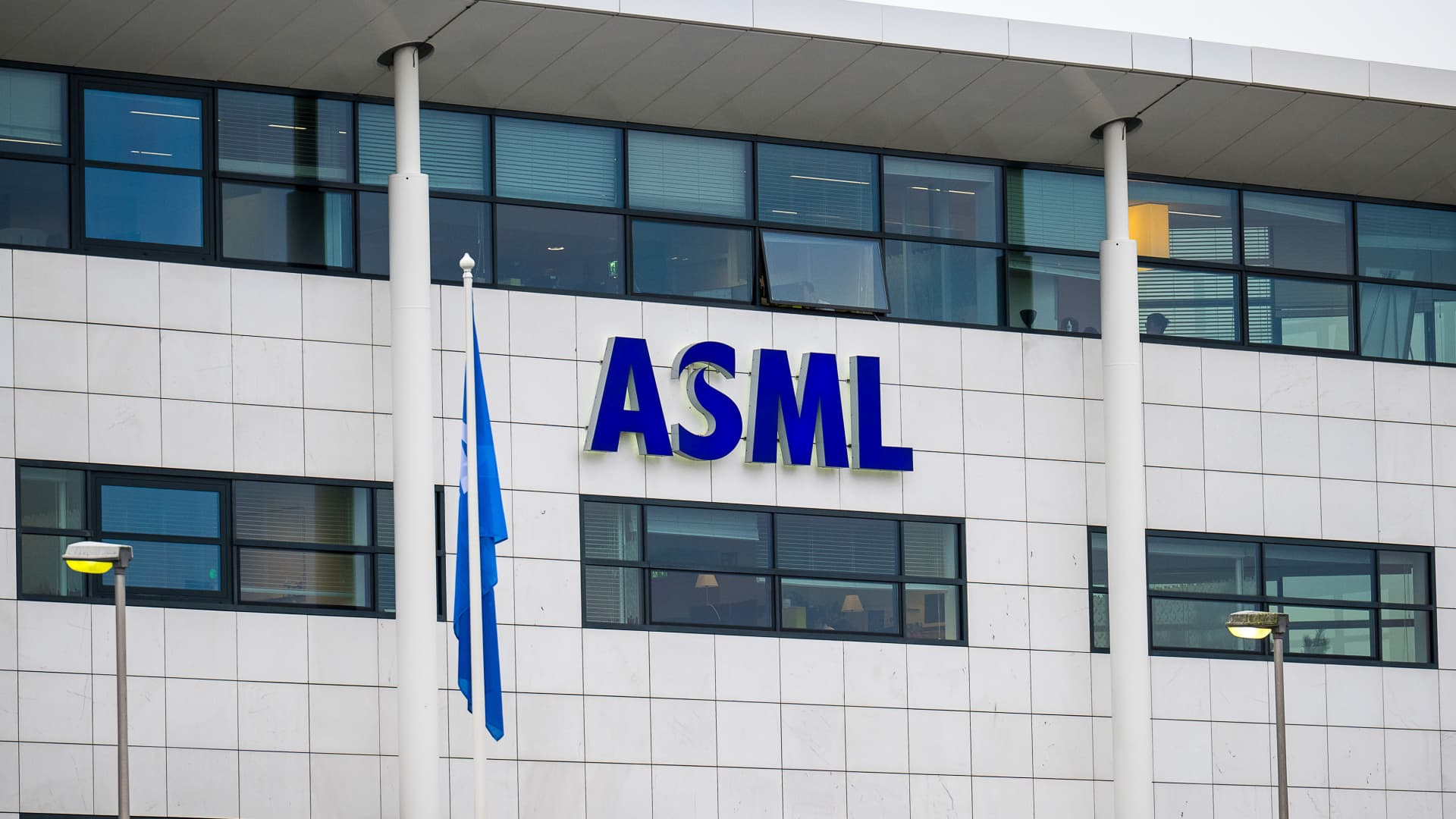
The global semiconductor industry is increasingly defined by geopolitical tensions, with ASML, a pivotal player, at the epicenter of the U.S.-China AI rivalry. The Dutch giant faces a delicate balancing act: maintaining substantial sales in the burgeoning Chinese market while navigating escalating export restrictions imposed by Western governments. This dynamic threatens to reshape global technology supply chains and the trajectory of AI innovation.
🚀 Tech Strategy & Market Disruptions
- Geopolitical Pressure. ASML is caught between lucrative Chinese market demand and U.S.-led export controls aimed at curbing China’s AI ambitions.
- Critical Technology Bottleneck. As the sole provider of advanced EUV lithography, ASML’s less advanced DUV machines are now also under scrutiny, threatening a significant revenue stream.
- Innovation at Risk. The escalating feud could fragment global semiconductor development, forcing divergent tech stacks and potentially slowing universal AI progress.
ASML, Europe’s most valuable company, finds itself on a geopolitical tightrope as the U.S.-China AI feud intensifies. The company is under immense pressure from Washington to further tighten export controls on chipmaking hardware to Beijing, even as demand for its machines grows within China. This precarious position forces ASML to satisfy both Western governments and its shareholders, with China poised to contribute approximately 20% of its net sales across 2026, as stated by CFO Roger Dassen in a video interview reported by CNBC.
Current restrictions already prevent ASML from shipping its most advanced Extreme Ultraviolet (EUV) lithography machines to China. However, less advanced Deep Ultraviolet (DUV) machines are still permitted, generating substantial revenue. Sales in China reached 2.9 billion euros ($3.3 billion) in the first half of 2026, accounting for roughly 16% of ASML’s total revenue, positioning China as the third-largest region for the company, ahead of the U.S. This growing reliance on the Chinese market for DUV sales complicates any further tightening of controls.
The proposed U.S. MATCH (Multilateral Alignment of Technology Controls on Hardware) Act, tabled earlier this year, explicitly aims to deny most chip-making technology to China, which could extend to ASML’s DUV machines. Sandeep Rao, a researcher at Leverage Shares, highlighted to CNBC that such legislation would ‘significantly impact ASML’s orderbook in the years to come.’ This legislative push underscores a broader strategy by the U.S. to slow China’s progress in developing advanced semiconductors necessary for AI dominance. For more insights on evolving technology market trends, visit StockXpo.com.
Here are key financial figures illustrating ASML’s market exposure and the broader trend in Chinese semiconductor investment:
- ASML’s Projected China Sales (2026): Approximately 20% of total net sales.
- ASML’s H1 2026 China Revenue: 2.9 billion euros ($3.3 billion), representing 16% of total revenue.
- Chinese Semiconductor Equipment Spend Growth: Projected 10% annual increase over the next 24 months, according to Bernstein analyst David Dai.
The U.S.-China AI feud and subsequent export controls create a direct disruption flow within the global semiconductor supply chain. Tightened export controls on advanced chipmaking equipment (Cause) lead to increased R&D and domestic production efforts in China (Effect). This bifurcation of the supply chain (Intermediate Effect) forces companies like ASML to adapt their sales strategies and product offerings for different markets (Consequence), ultimately slowing the pace of universal AI innovation due to fragmented development paths and reduced economies of scale (Market Disruption). This push and pull directly impacts the digital transformation strategies of many global enterprises.
“The ongoing geopolitical pressures on semiconductor technology are forcing a re-evaluation of global supply chain resilience and strategic autonomy. CTOs must anticipate a world where access to cutting-edge hardware is increasingly politicized, necessitating diversified procurement strategies and investment in alternative architectures to mitigate long-term dependency risks.”
ASML Market Adoption Challenges: Navigating Regulatory Headwinds
The primary challenge for ASML lies not in technological capability or demand, but in navigating an increasingly complex regulatory landscape. The company holds a virtual monopoly on EUV lithography, essential for the most advanced chips, ensuring global demand. However, the political will to restrict even DUV machines to China presents a significant hurdle to market adoption and expansion in a key region. This forces ASML to balance its commercial interests with compliance requirements from various governments, potentially leading to a fragmented product strategy for different markets. Such regulatory interference directly impacts ASML’s ability to maximize its market potential, particularly in a high-growth region like China where domestic-led demand for logic chips is surging.
ASML Ecosystem Expansion Potential Amidst Restrictions
Despite the restrictive environment, ASML’s ecosystem expansion potential remains robust, driven by the insatiable global demand for AI chips. While China may face limitations on advanced equipment, the overall push for AI across industries worldwide ensures continued high demand for ASML’s entire product portfolio. The company’s recent raised guidance underscores this global hunger for chipmaking capacity, with customers ramping up production. This includes not just leading-edge foundries but also companies developing specialized chips for AI, IoT, and high-performance computing. ASML’s strategic focus on innovation allows it to continually develop next-generation lithography solutions, ensuring its central role in the broader semiconductor ecosystem, irrespective of regional trade policies affecting specific markets. For more on emerging technologies and current technological developments, explore Bloomberg Technology.
ASML’s Path Forward: Navigating a Fractured Semiconductor Landscape
ASML’s current predicament highlights the profound intersection of advanced technology and global geopolitics. While the company continues to demonstrate strong financial performance driven by insatiable AI chip demand, the specter of further export controls looms large. Its ability to maneuver this tightrope will define its future growth trajectory and significantly influence the pace of innovation in the global semiconductor industry.
- The U.S.-China AI rivalry is directly shaping global semiconductor supply chain dynamics.
- ASML’s dual challenge of satisfying shareholders and navigating political mandates will intensify.
- Further DUV restrictions could compel China to accelerate indigenous chipmaking efforts, creating long-term market shifts.
How will ASML successfully pivot its innovation strategy to thrive in an increasingly bifurcated tech world?
📊 StockXpo Analyst’s View
Market Impact: The ongoing geopolitical tension surrounding ASML’s sales to China introduces significant volatility and uncertainty for semiconductor stocks. While global AI demand remains strong, any escalation in export controls could cap ASML’s growth potential in a key market, potentially prompting investor concerns about future revenue streams. This situation underscores the broader risk of political interference impacting technology firms, affecting market liquidity and sentiment across the entire chip sector.
Sector To Watch: Investors should closely monitor the broader semiconductor manufacturing equipment (SME) sector. Companies involved in alternative lithography technologies, advanced packaging, and domestic chip production in various regions could see increased investment and strategic importance as nations aim to reduce reliance on single-source suppliers or specific geopolitical supply chains. For deeper analysis and educational tech insights, check out the StockXpo blog, or read more about the global tech landscape.
Financial Disclaimer:
StockXpo.com is a financial news aggregator and educational portal, not a registered investment advisor or broker-dealer. All information, news, and analysis provided herein are strictly for educational purposes and do not constitute investment, financial, legal, or tax advice. Investing in the stock market involves high risks, and past performance is not indicative of future results. StockXpo will not be liable for any financial losses or investment damages. Always consult a certified financial advisor before making market decisions.
MORE IN INSIDE TECHNOLOGY

Starlink India: Regulatory Hurdles and Innovation-Driven Growth Risks
Published: Friday, October 9, 2026 · 12:48 AM
Starlink Launch: India’s Digital Transformation Faces Regulatory Risk
Published: Thursday, October 8, 2026 · 1:51 AM